Laos, a landlocked country in Southeast Asia, is known for its lush landscapes, winding rivers, and rich Buddhist culture. The Mekong River flows along much of the country’s western border, offering both vital transportation routes and scenic vistas. Rolling hills, dense forests, and limestone karsts provide opportunities for hiking, kayaking, and exploring remote villages.
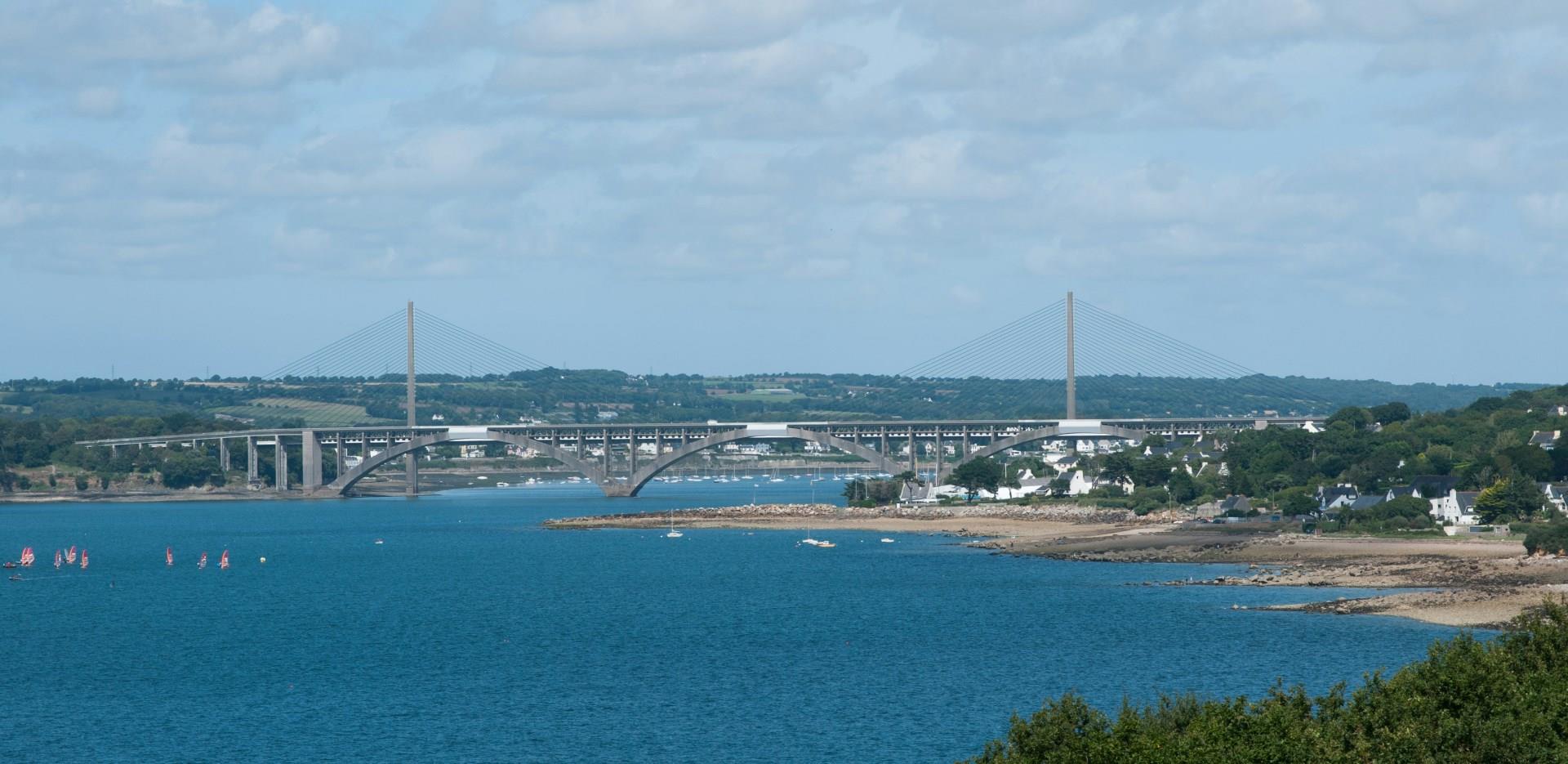
Brest sits at the western edge of Brittany, facing the Atlantic and shaped by its role as a strategic naval port. Much of the city was rebuilt after World War II, giving it a modern layout that contrasts with older Breton towns, yet its history remains closely tied to the sea.
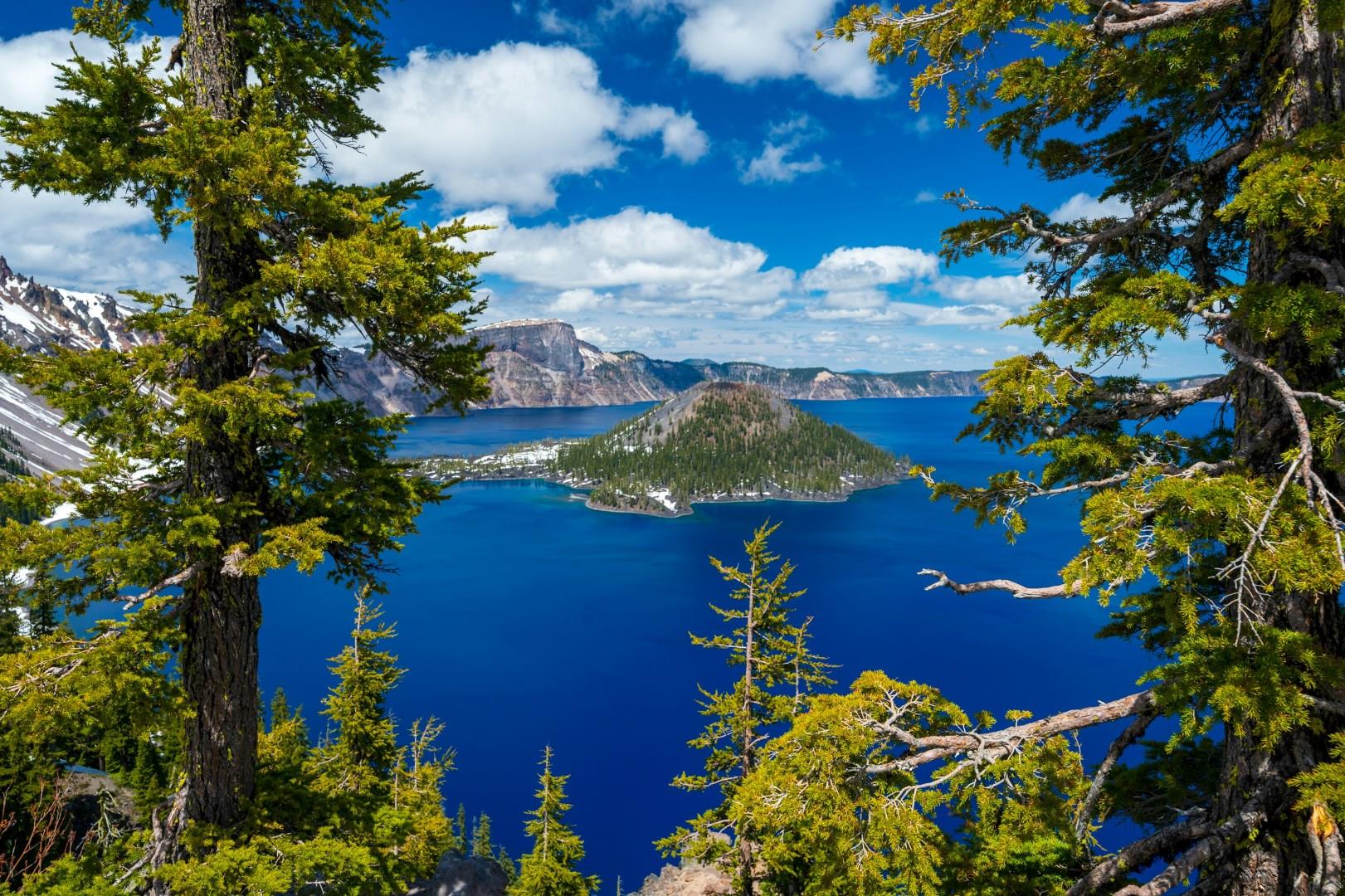
Crater Lake National Park, Oregon, offers a breathtaking display of natural beauty centered around the deepest lake in the United States. Formed by the collapse of a volcanic caldera, Crater Lake is renowned for its stunningly clear blue waters, which are the result of rain and snowfall filling the caldera. The lake's unique color and clarity are due to its depth and the purity of its water, making it a visual marvel that attracts visitors year-round.
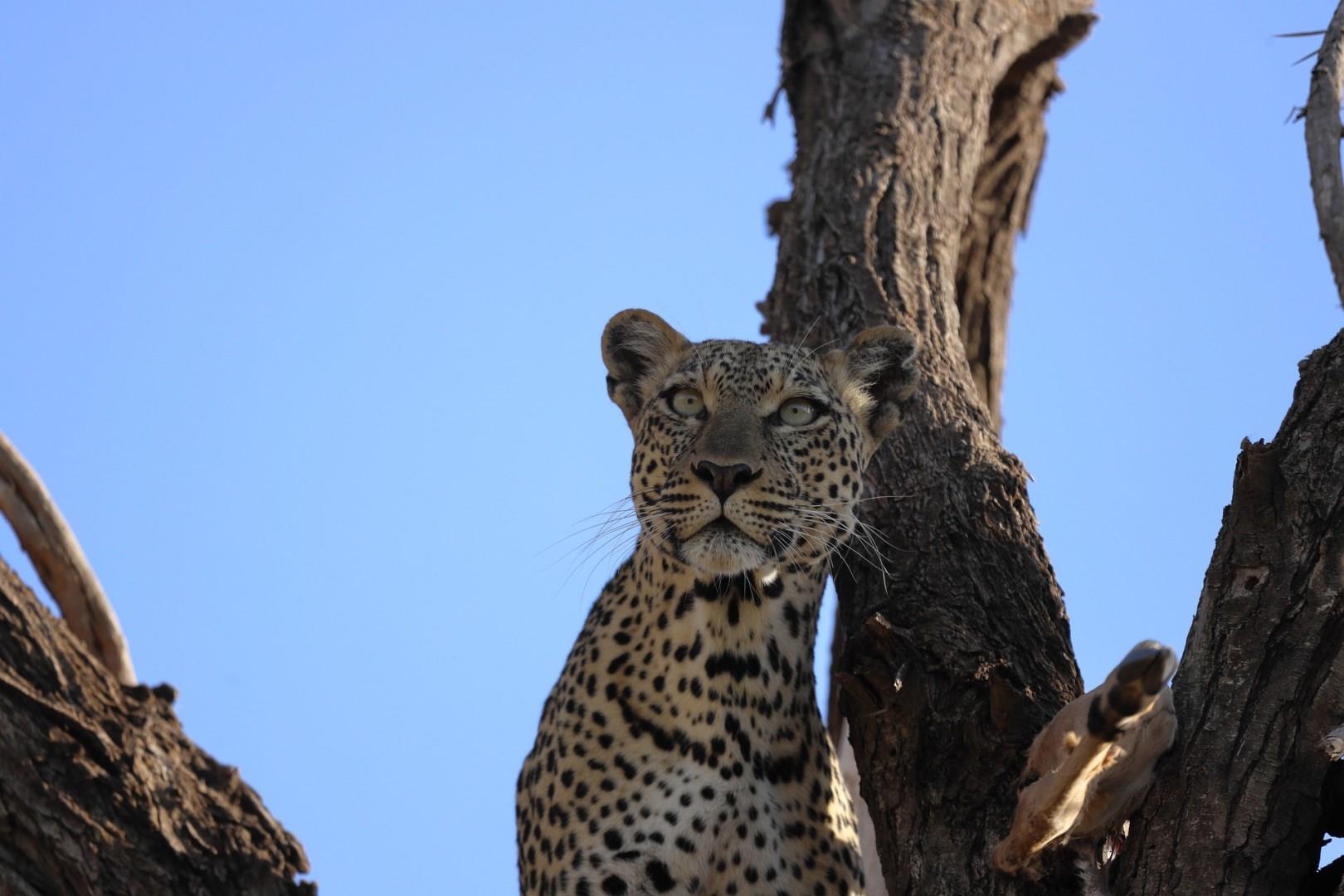
Samburu and Shaba Reserves are some of the most pristine reserves in Kenya, and protect a habitat surprisingly rich in wildlife. The Reserves provide the chance to see many species not found elsewhere in Kenya, such as Grey's zebra, the rare beisa oryx and the Somali ostrich.
Guanacaste is a province on the western coast of Costa Rica in Central America. A biodiverse paradise, this region is popular for its tropical rainforests, beaches, and a variety of adventurous activities, including ziplining and snorkeling.
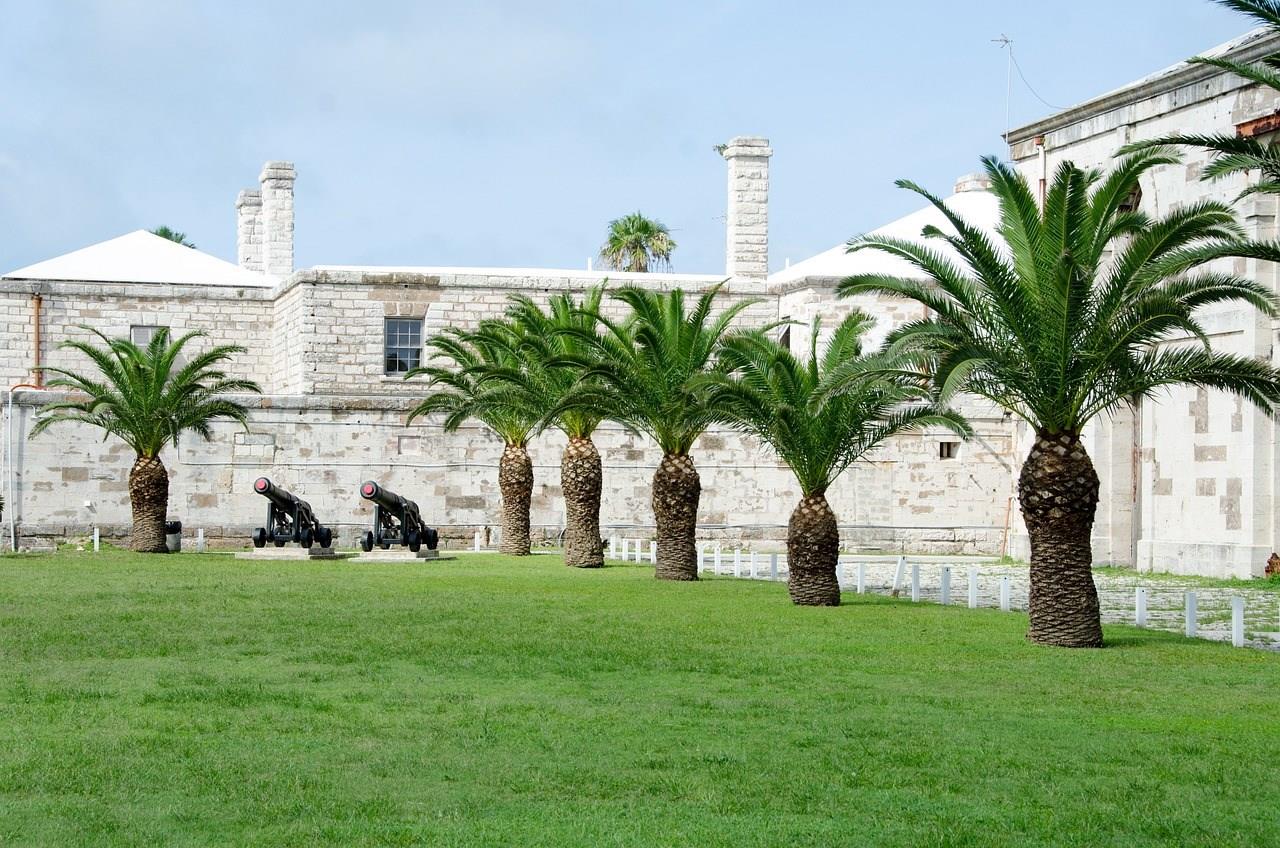
The Royal Naval Dockyard in Bermuda stands as a testament to the island's maritime history and naval heritage. Located at the western tip of Bermuda, this historic site was once a major naval base for the British Royal Navy and is now a thriving hub of culture, history, and tourism. The Dockyard's impressive buildings, including the Commissioner's House and the historic fortifications, offer a glimpse into Bermuda's naval past. The Commissioner's House, built in the early 19th century, now houses the National Museum of Bermuda, where visitors can explore exhibits detailing the island's maritime history, from shipwrecks to pirate lore.
Visitors can wander through the Dockyard's vibrant Market Place, where local artisans and shops offer a variety of goods, from handcrafted jewelry to Bermudian souvenirs. The area is also home to the Dolphin Quest, where guests can interact with dolphins in a unique and educational experience. The Dockyard's location on the waterfront provides beautiful views and easy access to nearby beaches and recreational activities. Stroll along the historic stone walls and enjoy the scenic beauty of the harbor and the crystal-clear waters of Bermuda (Bermuda Tourism Authority).
A highlight of any visit to the Royal Naval Dockyard is the opportunity to explore the impressive maritime artifacts and historical reenactments that bring Bermuda's naval history to life. The Bermuda Maritime Museum offers guided tours and exhibits on Bermuda’s role in naval warfare and trade. Don't miss the chance to experience the Dockyard's annual events, such as the Bermuda Festival of the Performing Arts and the Dockyard Summer Series, which feature local music, dance, and cultural performances.
Fun Fact: The Royal Naval Dockyard is home to the Bermuda Rum Cake Company, where you can sample and purchase delicious rum cakes made with Bermuda's own Black Seal Rum. This treat is a beloved local delicacy and makes for a perfect souvenir of your visit.