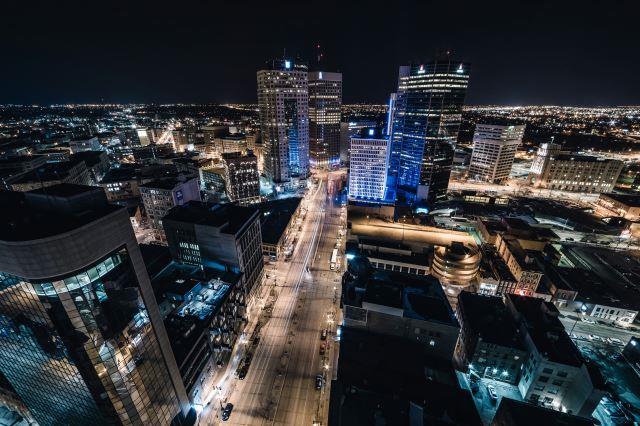
Warsaw stands as one of Europe’s most resilient cities, having rebuilt itself almost entirely after World War II. The Old Town, meticulously reconstructed using paintings by Italian artist Bernardo Bellotto, feels centuries old but is, in fact, less than a hundred years in its current form. Behind the medieval facades lie stories of uprisings, resistance, and quiet defiance. Visitors walking through Castle Square can enter the Royal Castle, where Poland’s Constitution of May 3, 1791 was adopted.
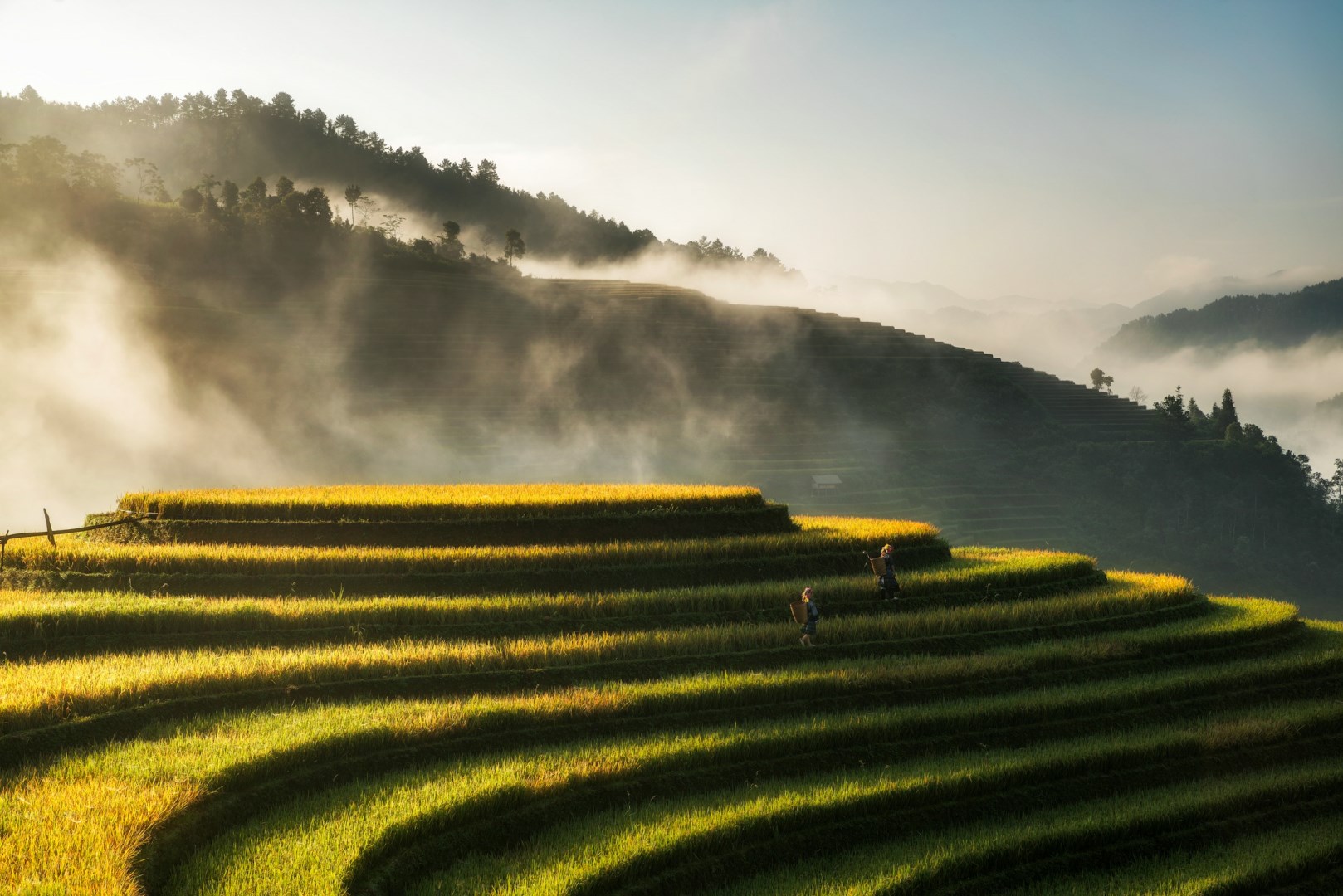
The scenic Mu Cang Chai rice terraces are one of the most popular tourist and photographer locations in the world! The best time to visit is from Mid-September to Mid-October during the season when the rice fields are ready for harvest.
Tenerife is the largest isle of the Canary Islands archipelago. Famous for its black and yellow sand beaches as well as Mt. Teide, the dormant volcano that looms over the island.
Novi Sad, Serbia’s second-largest city, sits along the banks of the Danube River and has long served as a cultural meeting point in the Balkans. Its centerpiece is Petrovaradin Fortress, a massive 18th-century stronghold nicknamed the "Gibraltar on the Danube." The fortress is known not just for its historic architecture but also for its network of underground tunnels and the iconic clock tower where the hands are reversed, meaning the large hand shows the hour.
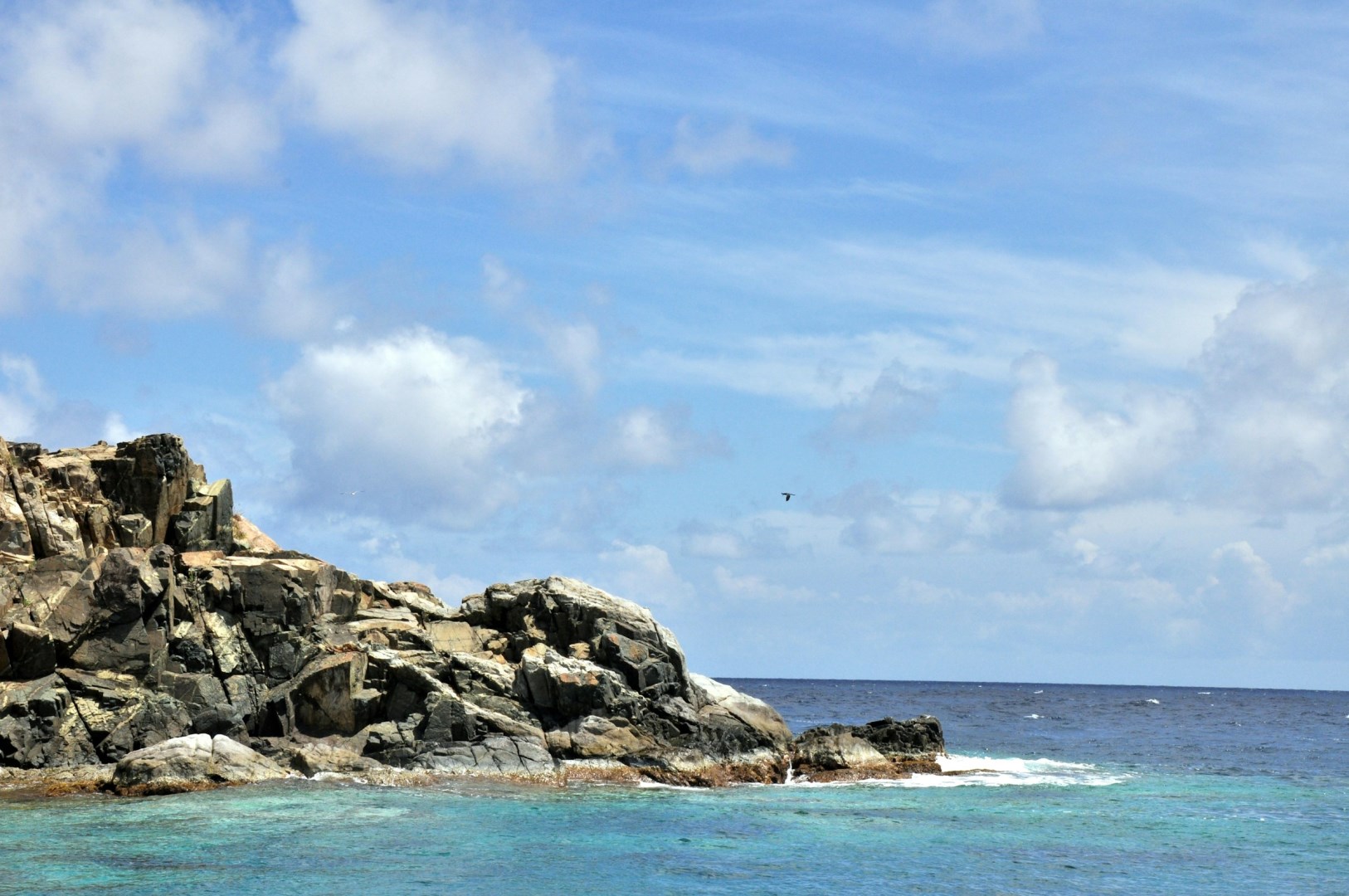
Buck Island is a small uninhabited island off the northeastern coast of St. Croix in the U.S. Virgin Islands. Most of the island and surrounding waters form Buck Island Reef National Monument, a protected area known for coral reefs, sandy beaches, dry forest, and marine habitats. The island lies a short boat journey from Christiansted and is surrounded by clear Caribbean waters.
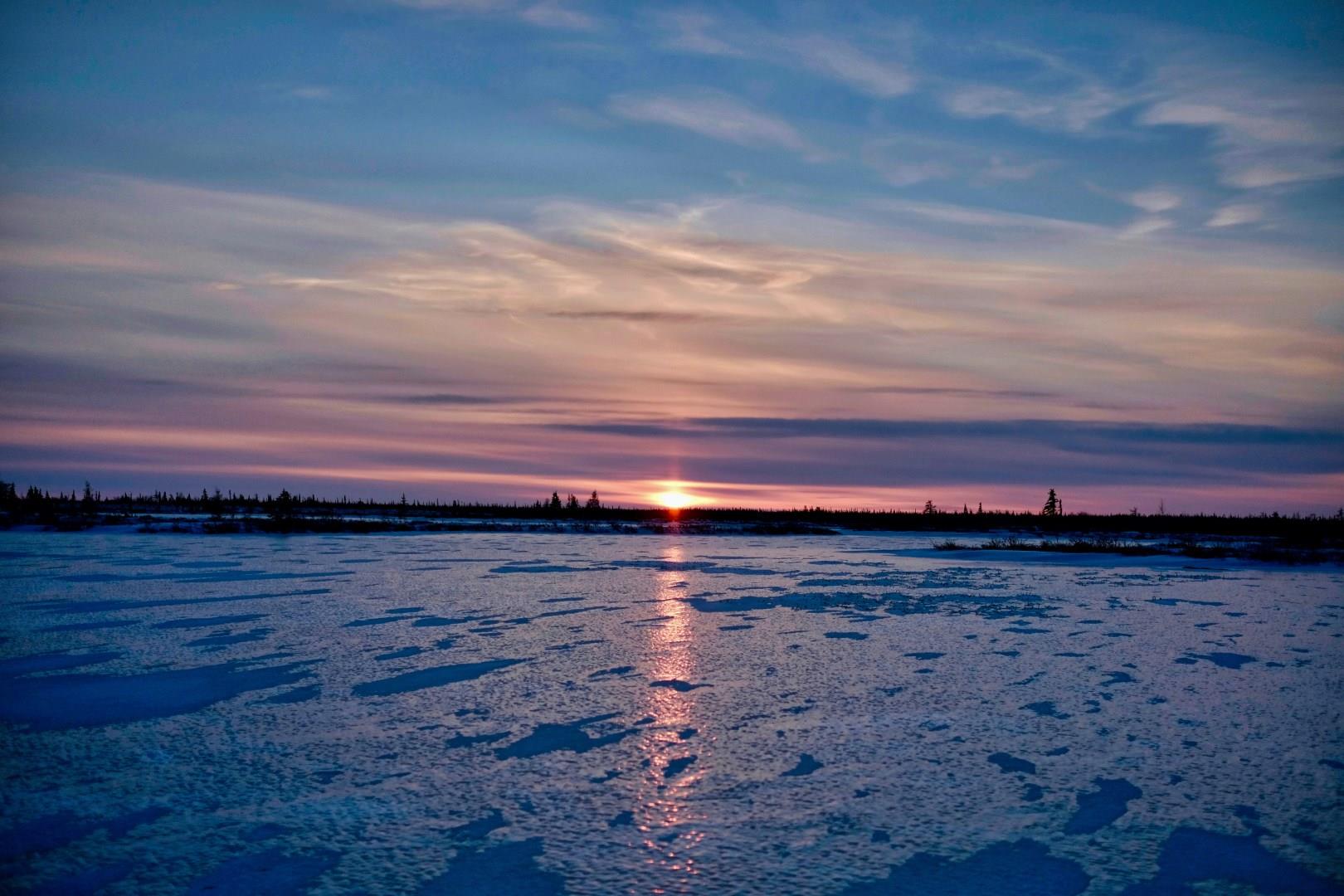
Photo Credit: Photo by Charlotte Collins on Unsplash
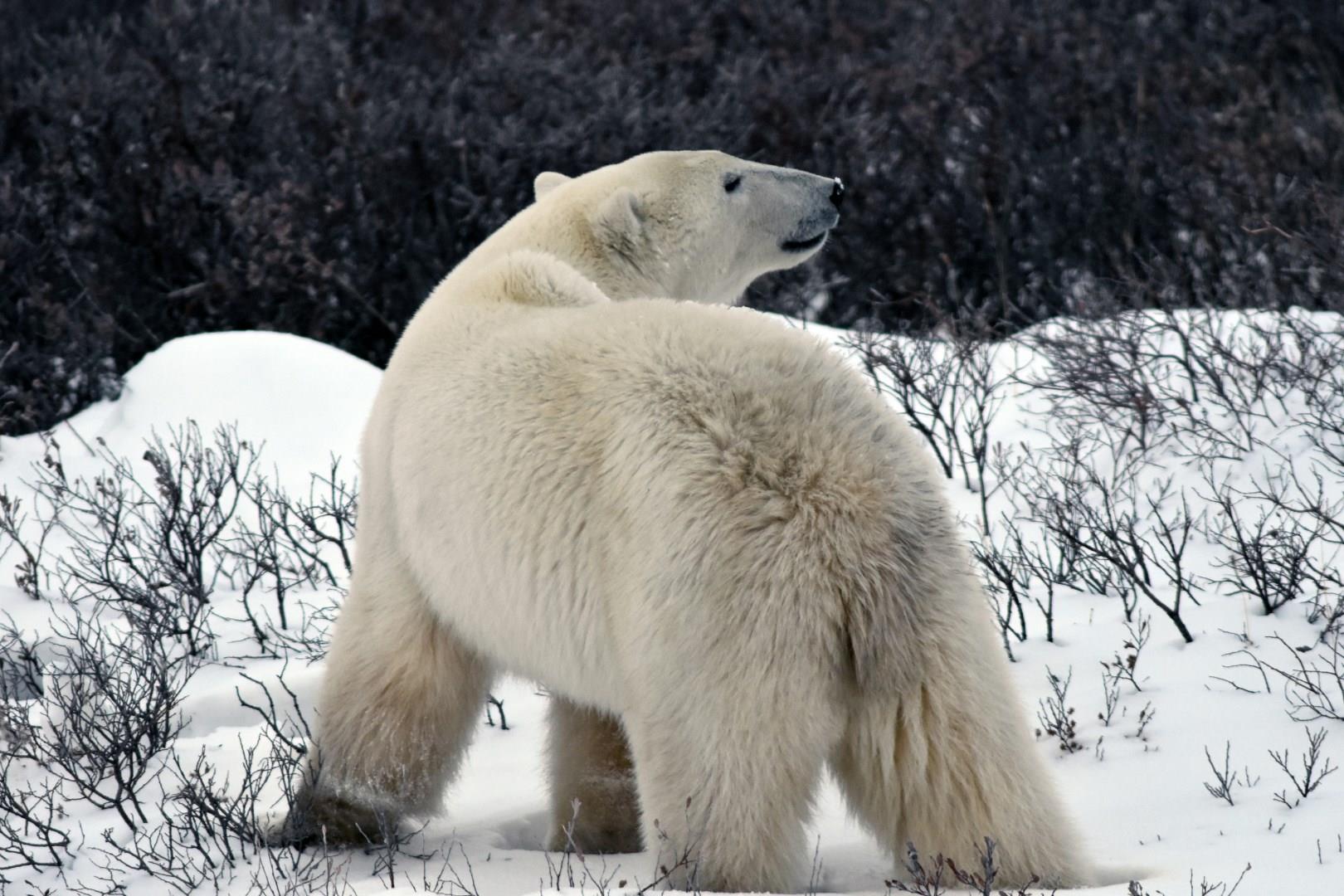
Nestled along the shores of Hudson Bay in northern Manitoba, Churchill is a unique and captivating destination known for its remarkable wildlife and rugged beauty. Often referred to as the "Polar Bear Capital of the World," Churchill offers an unparalleled opportunity to witness these majestic creatures in their natural habitat. Each year, visitors flock to the town from October to November for the polar bear viewing season, when the bears migrate along the coast waiting for the bay to freeze over.
Beyond polar bears, Churchill is a prime location for observing the breathtaking Northern Lights. The town’s remote location and minimal light pollution make it one of the best places to experience this natural phenomenon. From late August to April, the auroras create a stunning display of vibrant colors dancing across the Arctic sky.
The town is also a gateway to exploring the rich history and culture of the region. Visitors can delve into Churchill's past at the Churchill History Museum, which showcases artifacts and exhibits related to the town’s role in Arctic exploration and its Indigenous heritage.
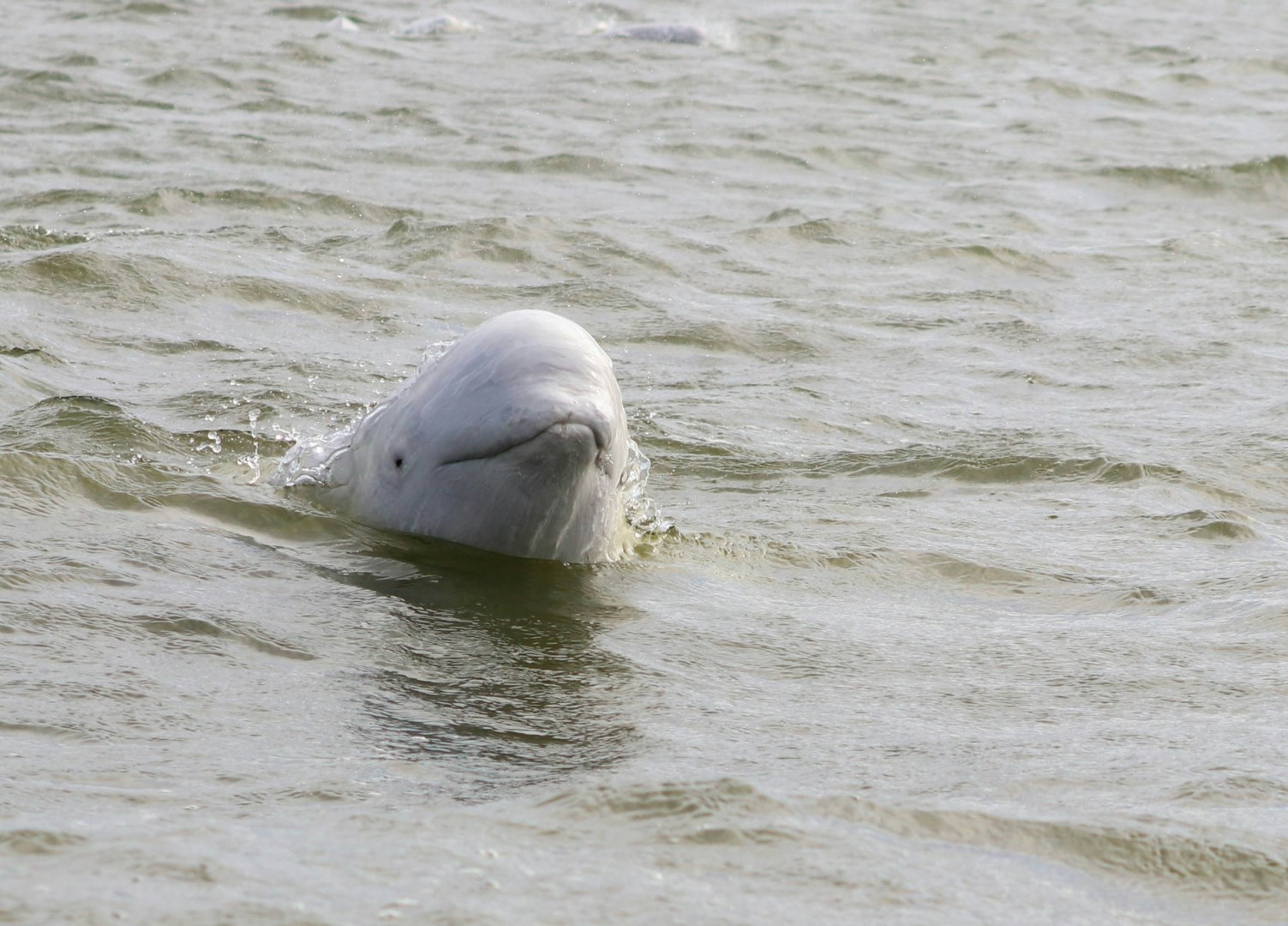
Fun Fact: Churchill is one of the few places in the world where you can travel to see polar bears, beluga whales, and the Northern Lights all within a single trip. Beluga whale watching is best from June to August, offering another thrilling aspect of this northern gem.
With its extraordinary wildlife encounters and natural wonders, Churchill provides an unforgettable Arctic adventure that will captivate and inspire any traveler.
Other Popular Destinations in Manitoba
Winnipeg
Winnipeg sits at the meeting point of the Red and Assiniboine rivers, a location that has shaped its role as a gathering place for thousands of years. Long before it became a modern city, the area was central to Indigenous trade networks, a legacy that remains visible today through institutions like The Forks and the Canadian Museum for Human Rights.