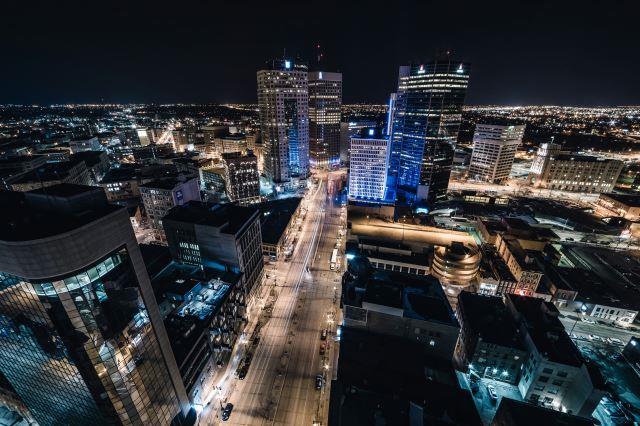
Dominica, known as the “Nature Island of the Caribbean,” is a haven for eco-tourists and adventure seekers. Nestled between the French islands of Guadeloupe and Martinique, this lush island boasts a remarkable landscape of volcanic mountains, dense rainforests, and stunning waterfalls. Dominica’s most iconic natural wonder is the Boiling Lake, the second-largest hot spring in the world.
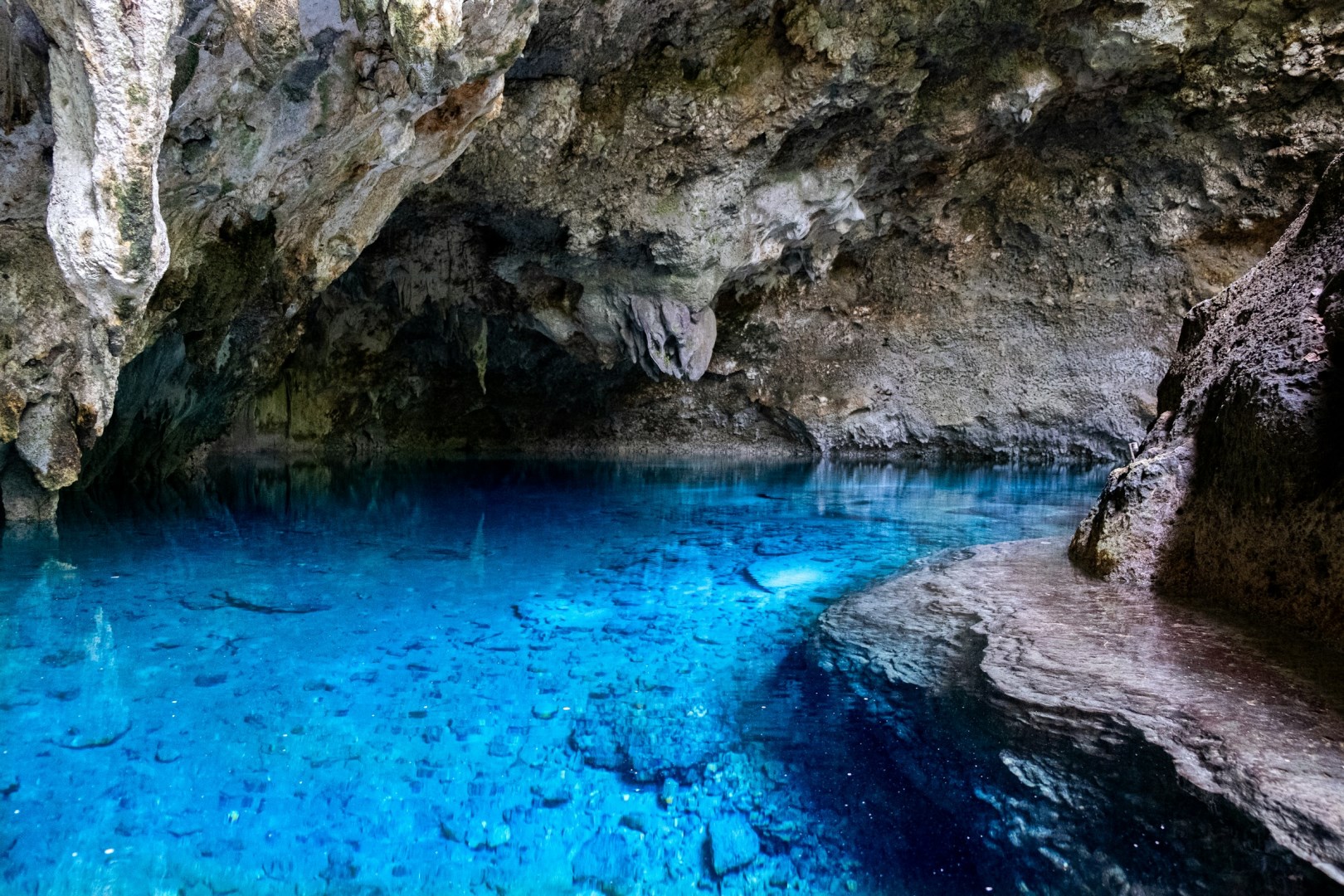
Los Tres Ojos (The Three Eyes) National Park is one of the most visited tourist attractions in the Dominican Republic. Made up of a cave system, there are four lakes within, each with their own features or traits.
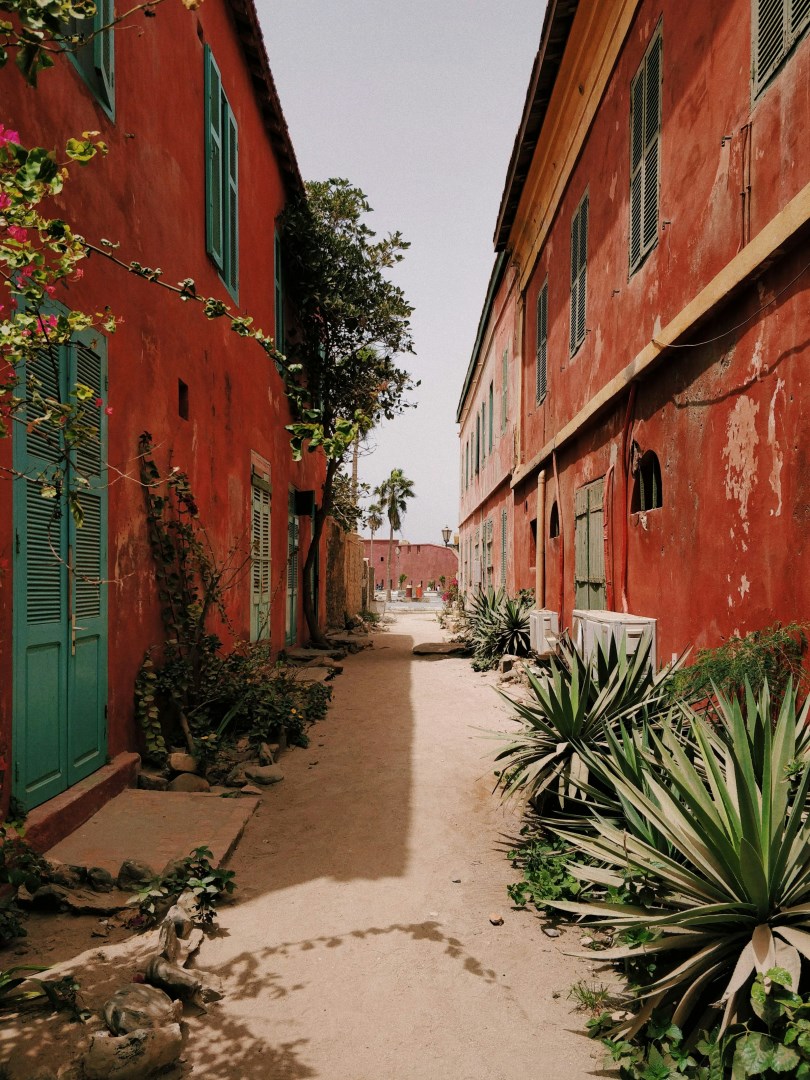
Gorée is a small island off the coast of Dakar, known for its preserved architecture and its central place in Senegal’s history of the Atlantic slave trade. Its narrow streets, pastel-colored buildings, courtyards, and waterfront create a compact historic landscape that contrasts with the modern capital across the water. The island is part of a UNESCO World Heritage Site and is regarded as an important place of memory for the African diaspora.
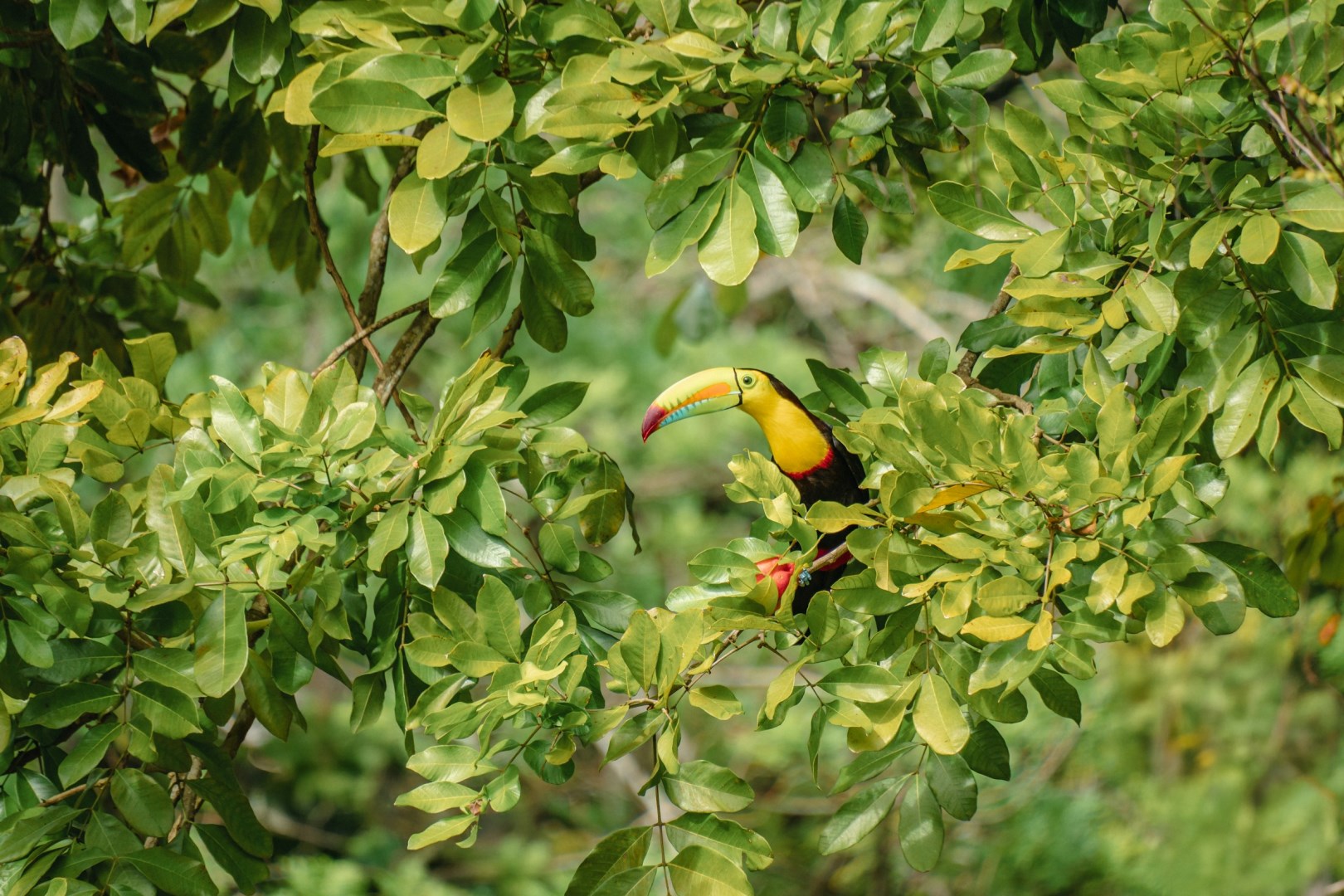
Cahuita National Park is a protected coastal area on Costa Rica's southern Caribbean coast, near the town of Cahuita in Limón Province. The park protects a combination of tropical forest, beaches, wetlands, mangroves, coral reefs, and coastal waters. Its marine area is particularly important, encompassing one of Costa Rica's better-known coral reef systems.
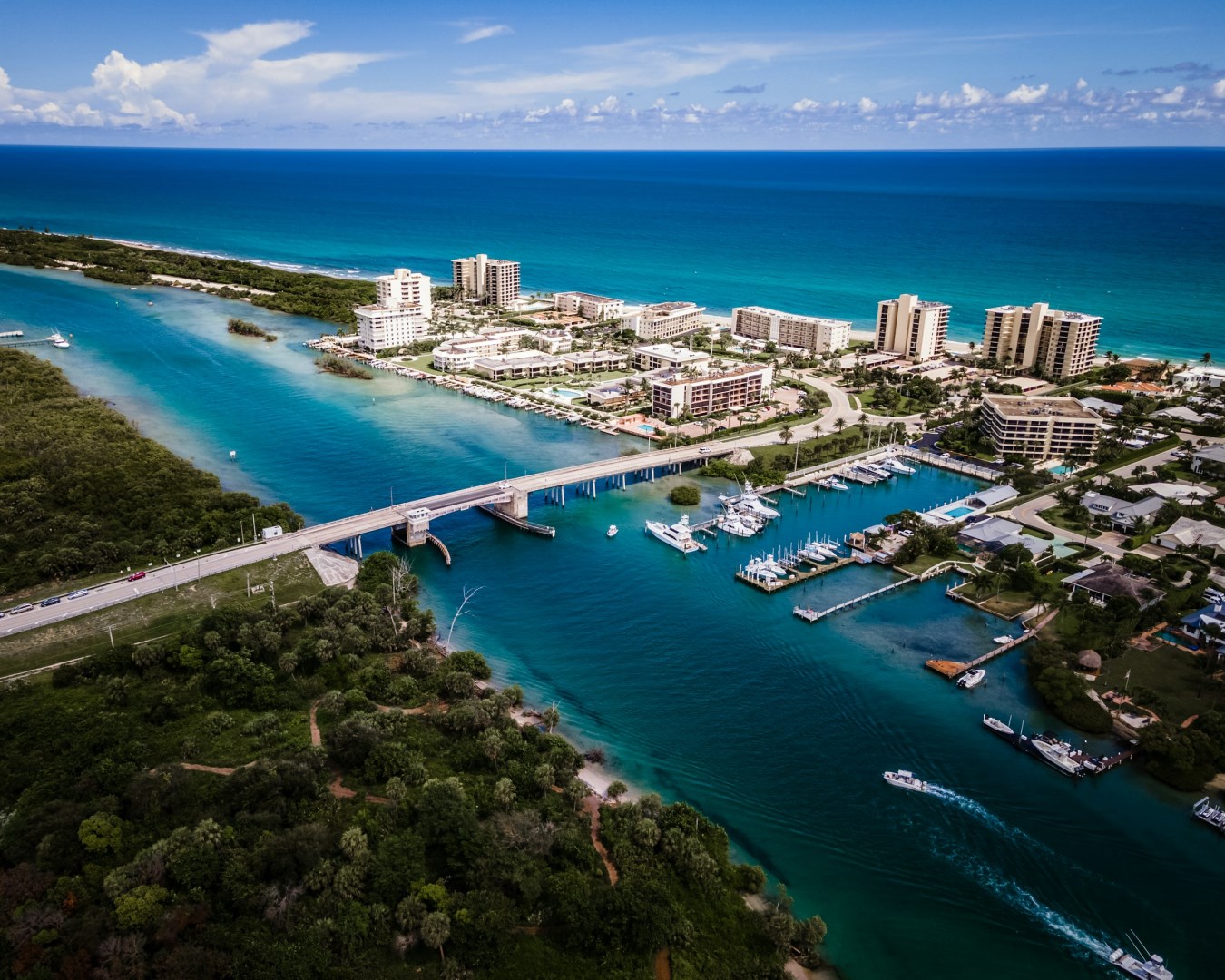
The Treasure Coast area, from Jupiter north to Vero Beach, can be considered to be "sleapy." The pace of life is slow here, which is why people live and visit. Just because the pace is slow, however, doesn't mean nothing happens here. There are plenty of events, too, that are worth driving to attend.
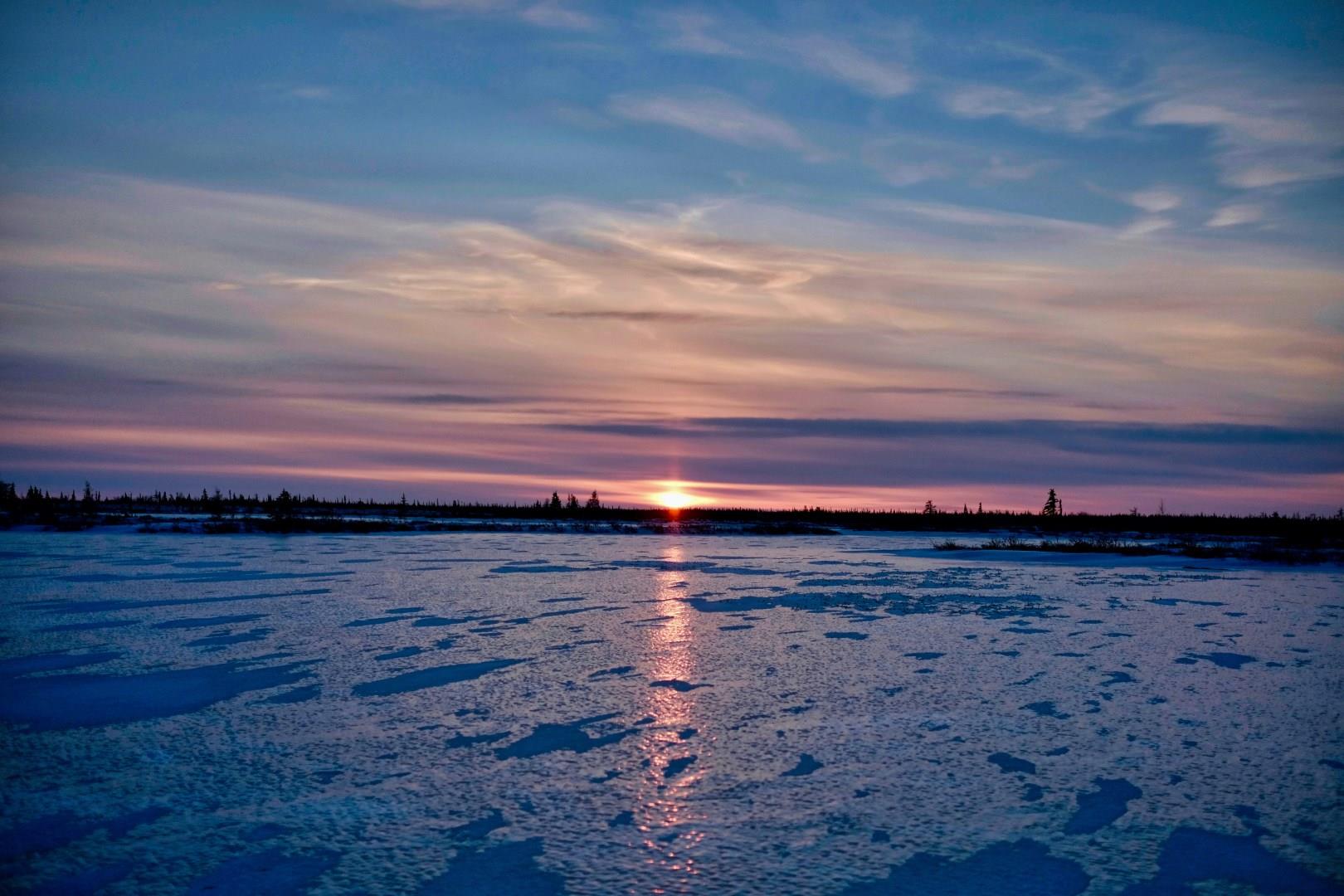
Photo Credit: Photo by Charlotte Collins on Unsplash
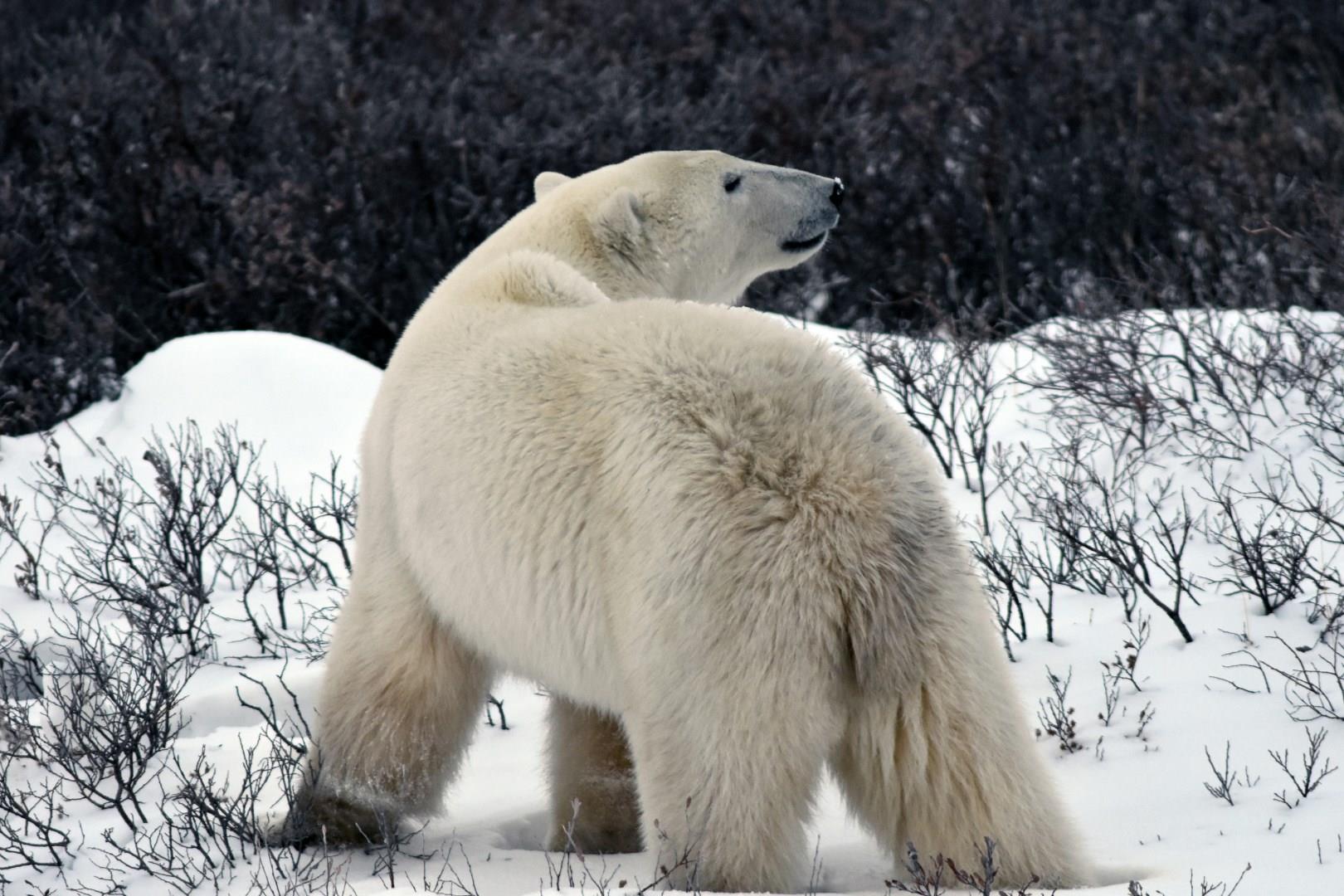
Nestled along the shores of Hudson Bay in northern Manitoba, Churchill is a unique and captivating destination known for its remarkable wildlife and rugged beauty. Often referred to as the "Polar Bear Capital of the World," Churchill offers an unparalleled opportunity to witness these majestic creatures in their natural habitat. Each year, visitors flock to the town from October to November for the polar bear viewing season, when the bears migrate along the coast waiting for the bay to freeze over.
Beyond polar bears, Churchill is a prime location for observing the breathtaking Northern Lights. The town’s remote location and minimal light pollution make it one of the best places to experience this natural phenomenon. From late August to April, the auroras create a stunning display of vibrant colors dancing across the Arctic sky.
The town is also a gateway to exploring the rich history and culture of the region. Visitors can delve into Churchill's past at the Churchill History Museum, which showcases artifacts and exhibits related to the town’s role in Arctic exploration and its Indigenous heritage.
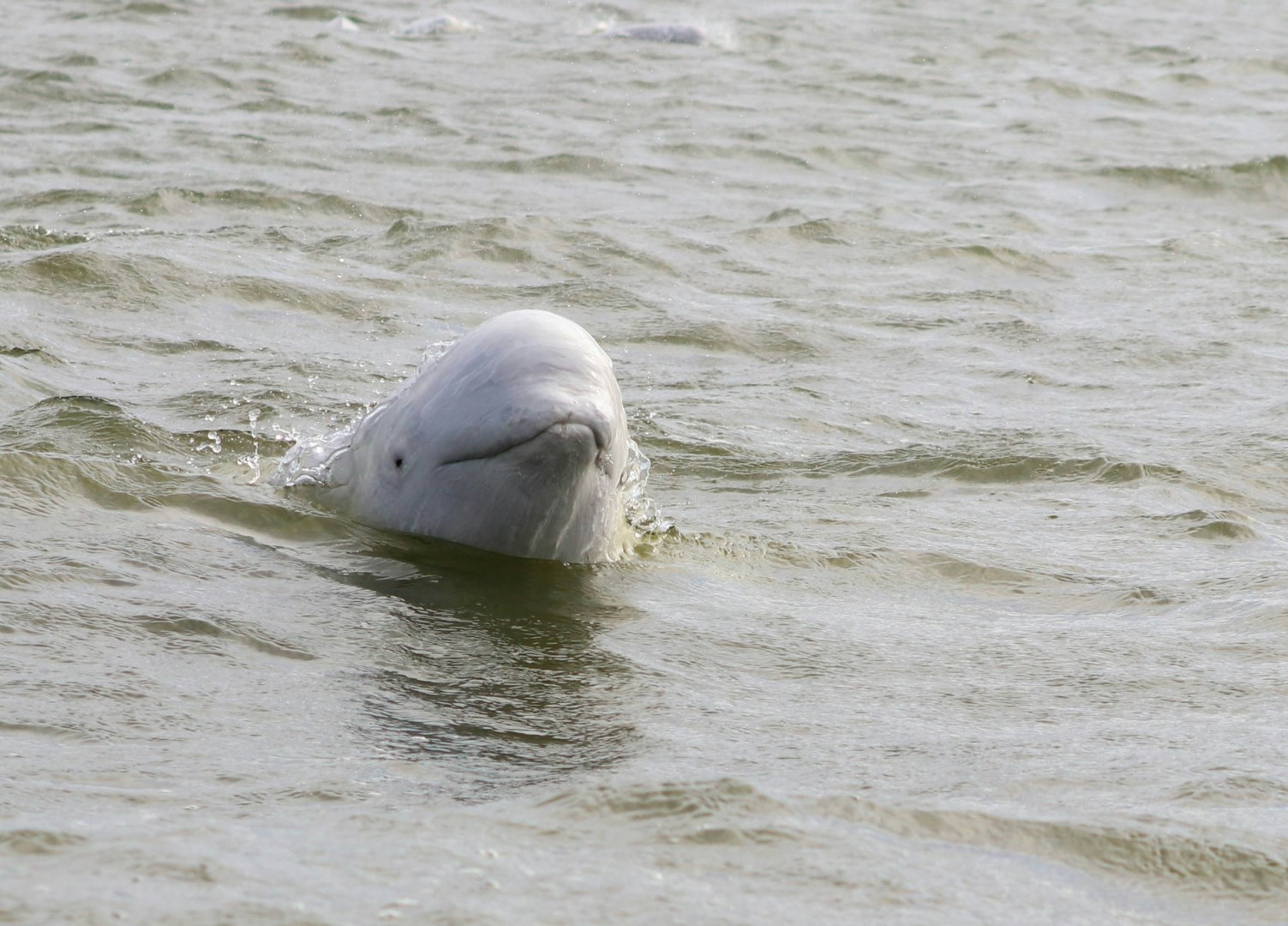
Fun Fact: Churchill is one of the few places in the world where you can travel to see polar bears, beluga whales, and the Northern Lights all within a single trip. Beluga whale watching is best from June to August, offering another thrilling aspect of this northern gem.
With its extraordinary wildlife encounters and natural wonders, Churchill provides an unforgettable Arctic adventure that will captivate and inspire any traveler.
Other Popular Destinations in Manitoba
Winnipeg
Winnipeg sits at the meeting point of the Red and Assiniboine rivers, a location that has shaped its role as a gathering place for thousands of years. Long before it became a modern city, the area was central to Indigenous trade networks, a legacy that remains visible today through institutions like The Forks and the Canadian Museum for Human Rights.