St Lucia
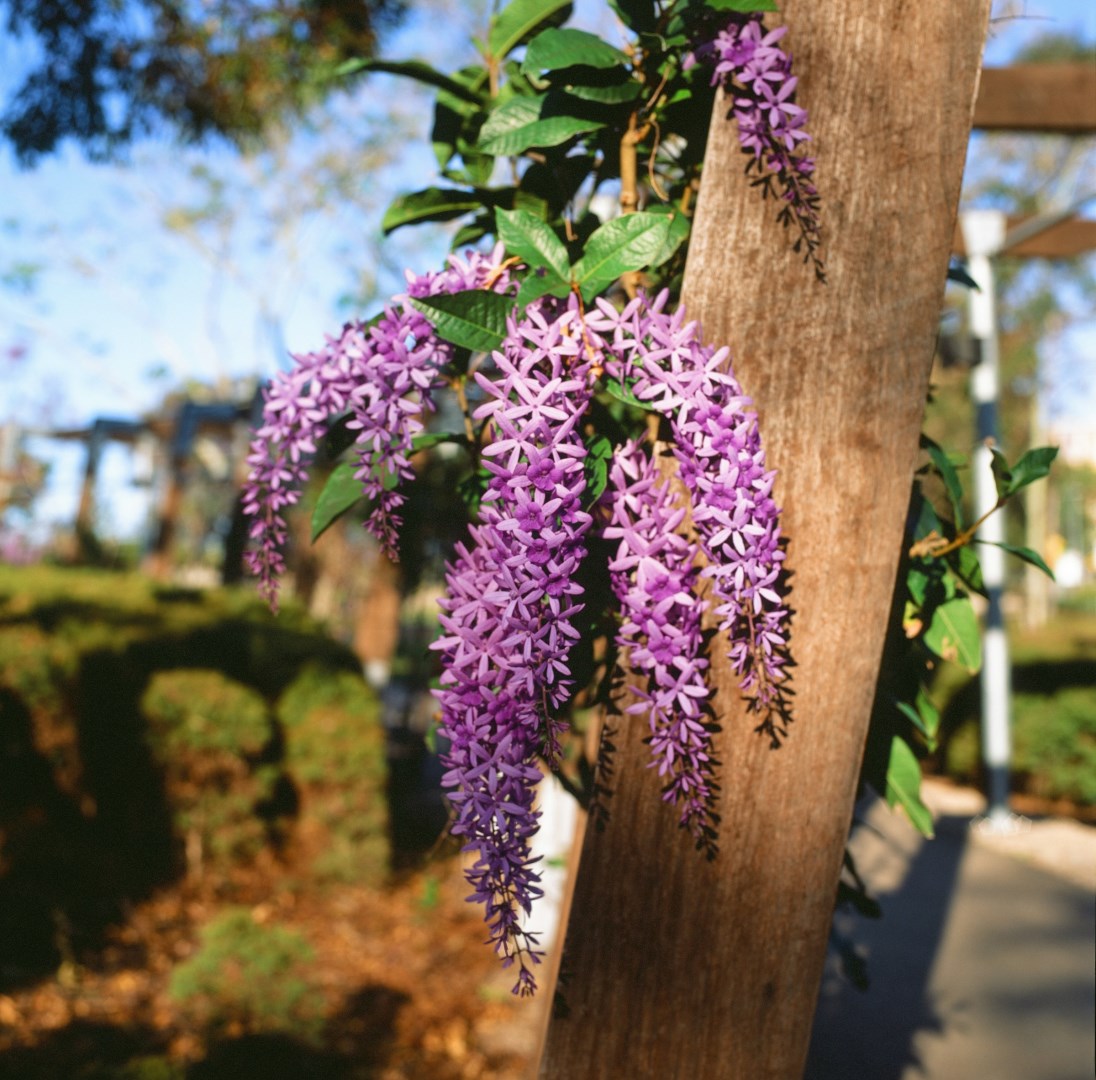
St Lucia is a riverside suburb of Brisbane, Queensland, located about seven kilometres southwest of the city centre on a peninsula surrounded on several sides by the Brisbane River. The suburb combines established residential streets, riverfront spaces, leafy vegetation, local shops, and the large campus of The University of Queensland. The university occupies much of the eastern part of St Lucia, while residential neighbourhoods extend across the western and central areas.
New Delhi
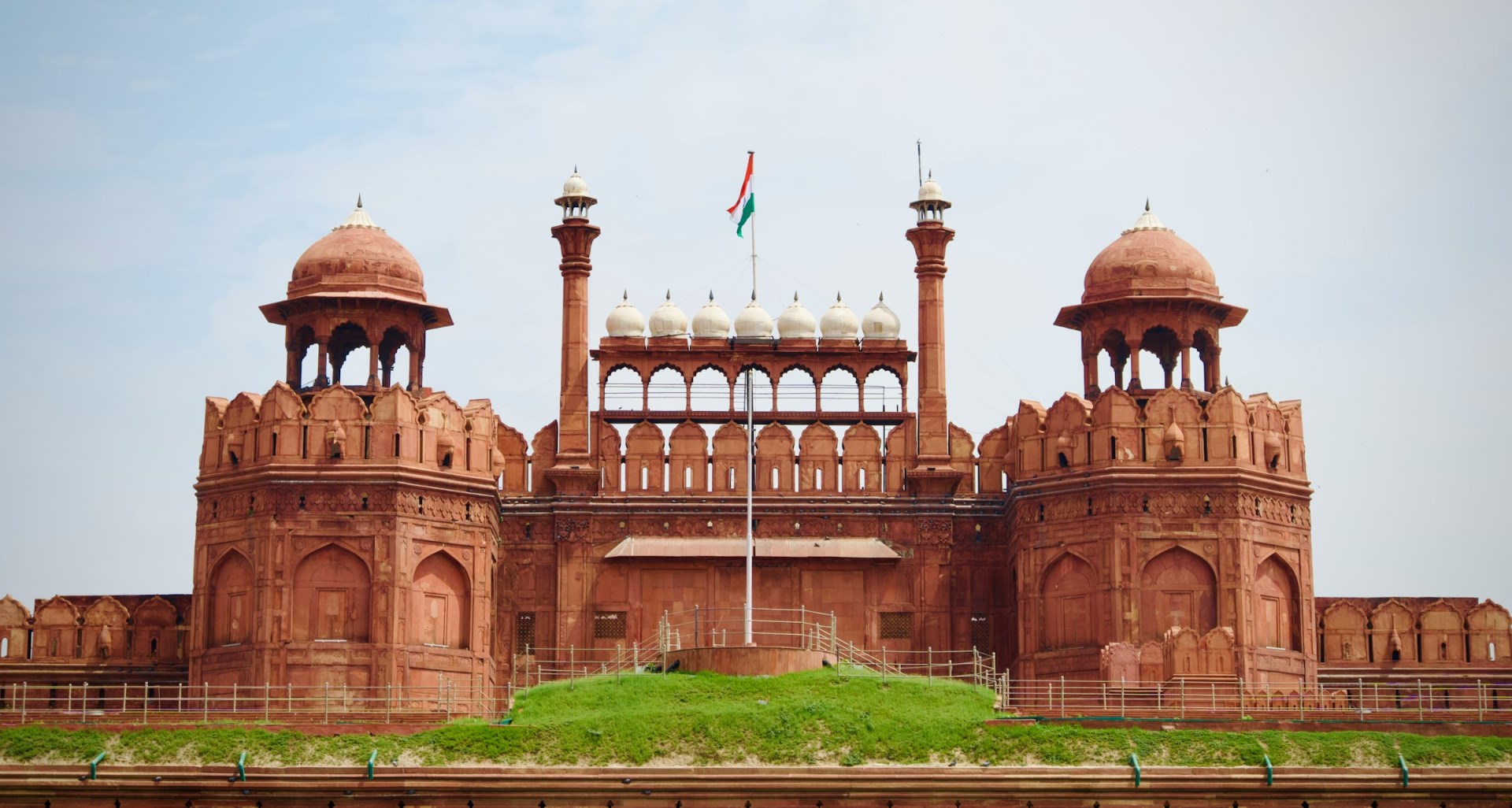
New Delhi is the planned central district of India’s capital, laid out with broad avenues, formal gardens, government buildings, and prominent public landmarks. Designed around ceremonial spaces and tree-lined roads, it contrasts with the dense lanes and historic neighborhoods of Old Delhi. Rashtrapati Bhavan, Parliament, India Gate, and Kartavya Path form some of the district’s defining landmarks.
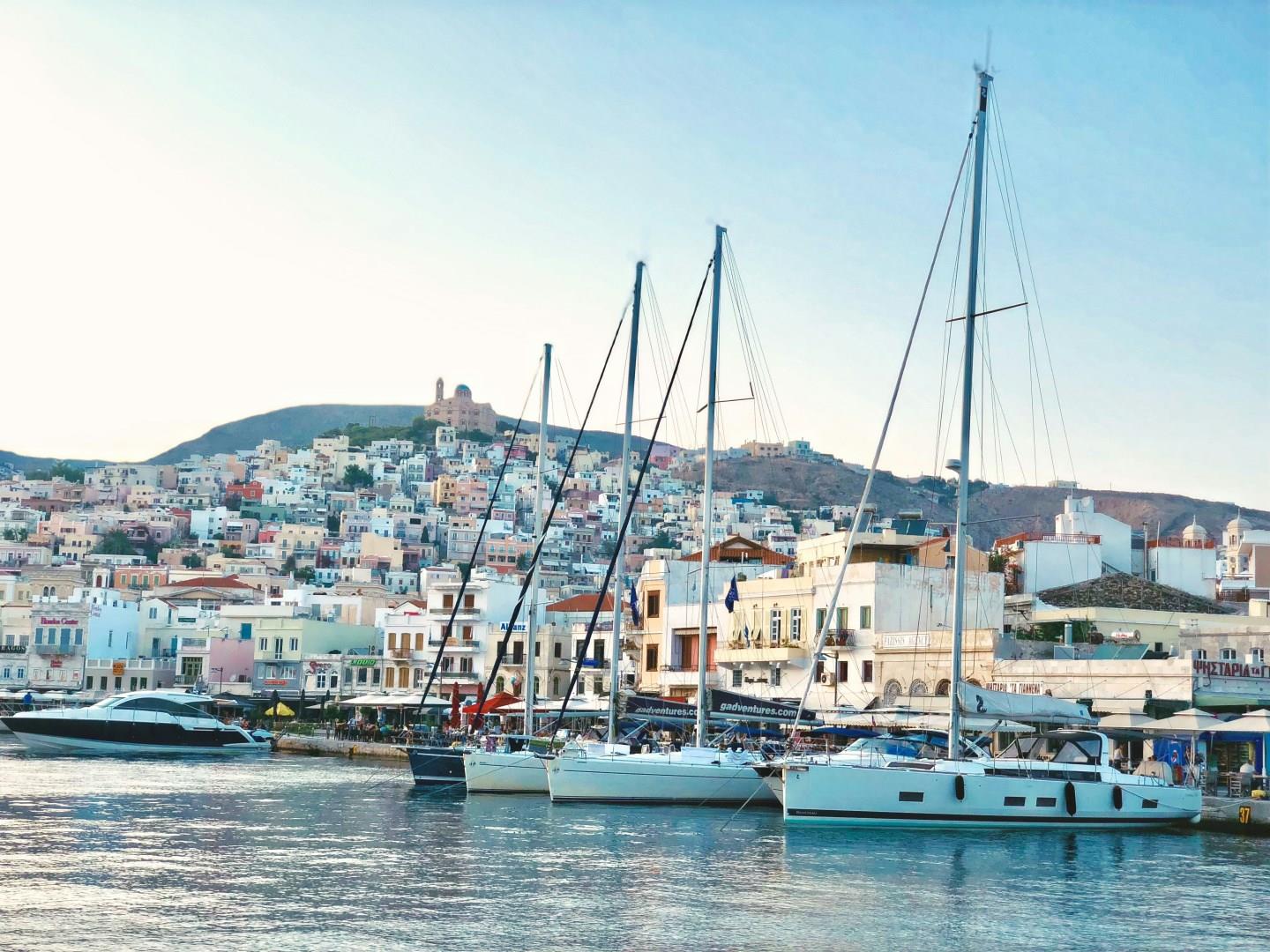
Syros
Syros, the capital of the Cyclades, stands apart from its island neighbors with its blend of neoclassical architecture, Orthodox and Catholic traditions, and year-round local life. Ermoupoli, the main town, was once a thriving 19th-century port and still displays its legacy through grand mansions, marble-paved squares, and the imposing Apollo Theater which was designed by an Italian architect and often referred to as a miniature La Scala.

Kakadu National Park
Kakadu National Park, a UNESCO World Heritage site located in Australia’s Northern Territory, is a breathtaking destination that offers an unparalleled blend of natural beauty, ancient cultural heritage, and thrilling adventure. Visitors can explore a rich tapestry of landscapes, from rugged escarpments and floodplains teeming with wildlife to serene waterfalls and billabongs that capture the essence of Australia’s Top End.
Bad Aibling
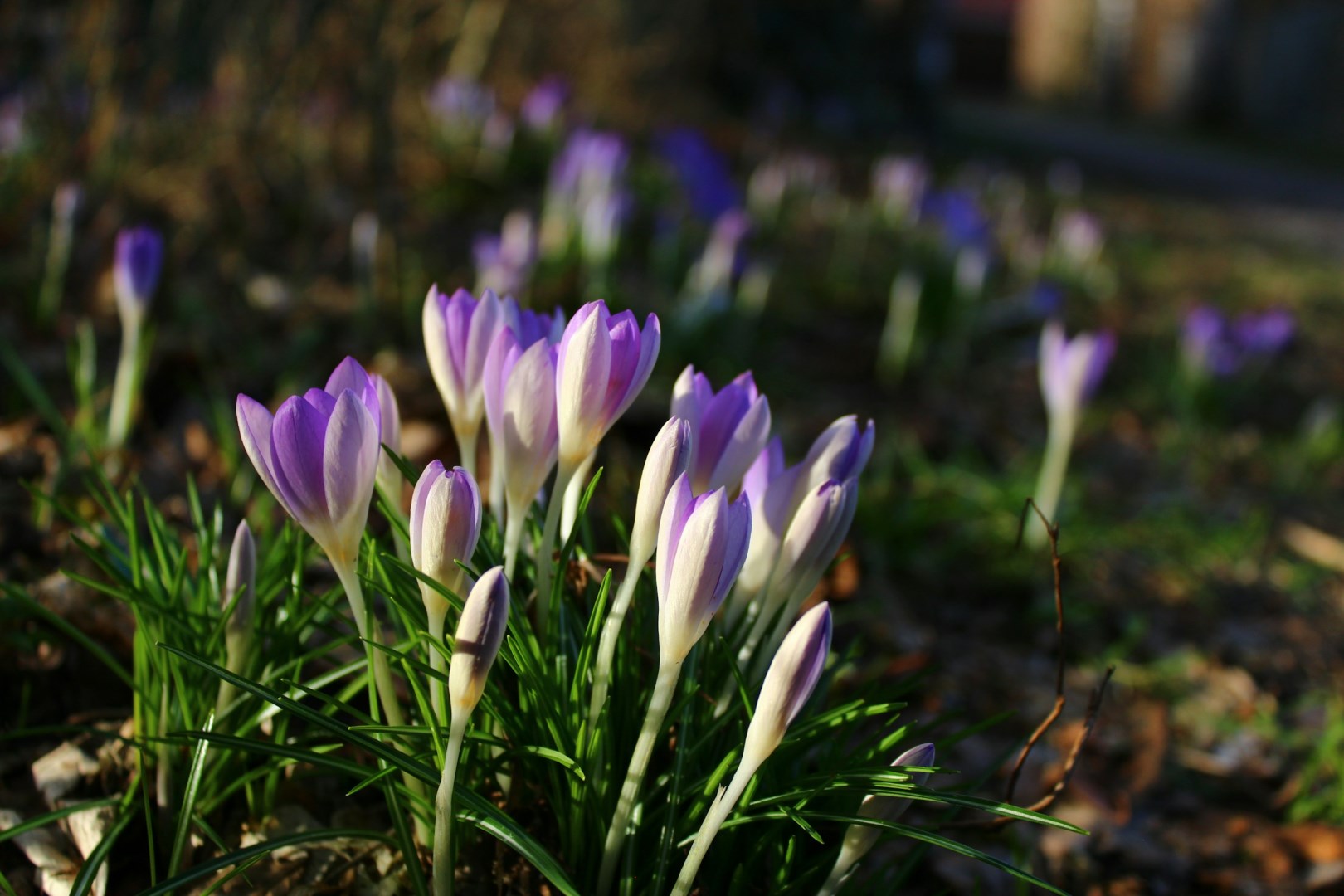
Bad Aibling is located in the charming landscape of the Mangfall valley, an hours drive southeast of Munich. Its open, partly elevated position gives wonderful views of the nearby chain of the Tolzer Alps, across the Inn valley, with the Kaisergebirge in the Tyrol, all the way to the Salzburger Alps. All the popular destinations for excursions in Upper Bavaria and Austria, the wide variety of artistic treasures, the Herrenchiemsee palace and the countless jewels of the Bavarian Baroque in the su