
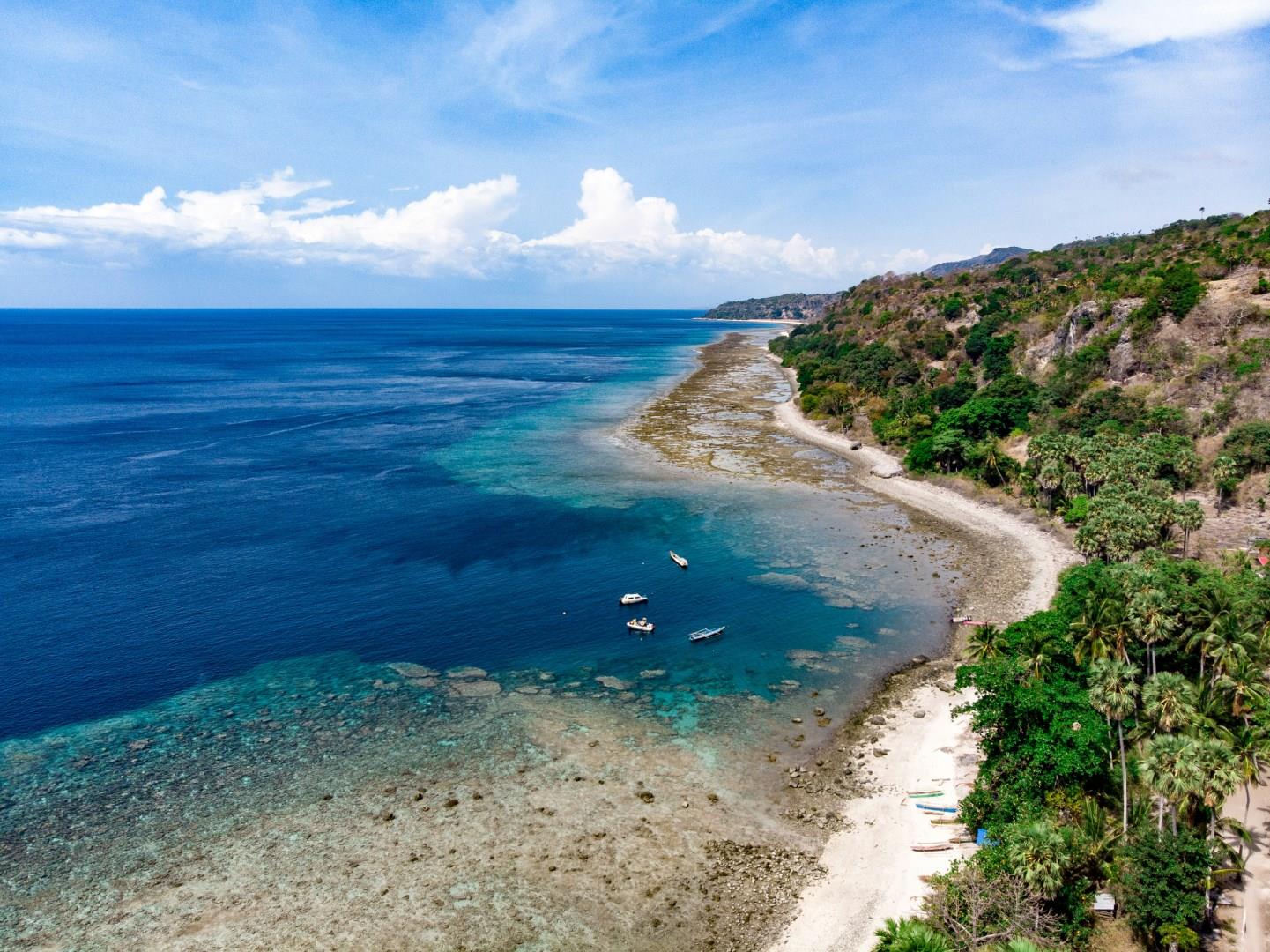
Adara
Adara is a small, remote village on Atauro Island in Timor-Leste, known for its quiet charm and deep connection to the sea. Nestled between steep mountain slopes and the turquoise waters of the Wetar Strait, the community lives largely from fishing and small-scale agriculture.

Ho Chi Minh City
Ho Chi Minh City, Vietnam’s largest metropolis, is a dynamic hub where history, culture, and commerce intersect. Formerly known as Saigon, the city reflects layers of its past, from French colonial architecture to markets and historic districts that capture the energy of daily life.
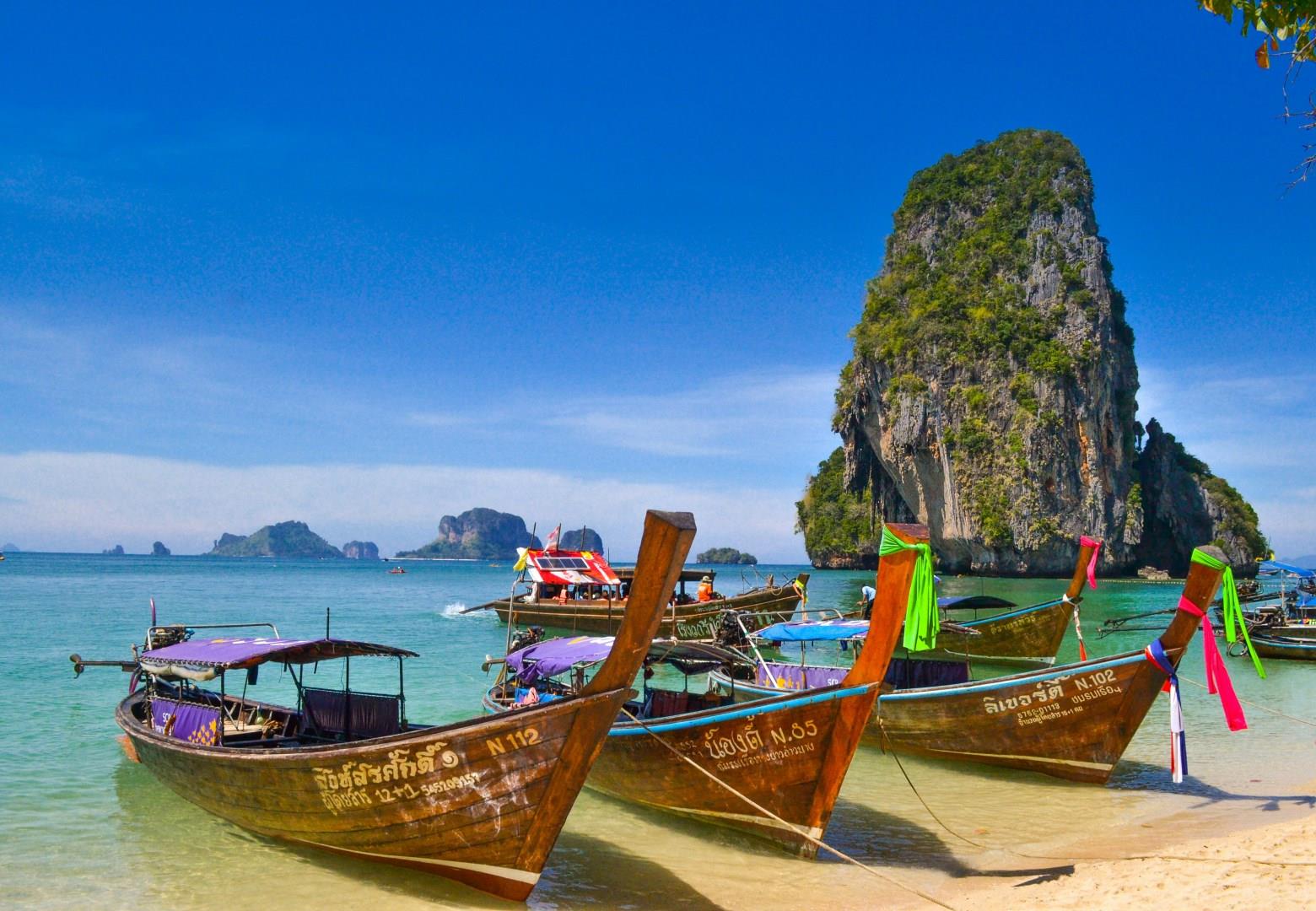
Krabi
Krabi, located on the southwest coast of Thailand, is known for its towering limestone cliffs, warm Andaman waters, and a coastline dotted with over 150 islands. One of its most iconic sites is Railay Beach, which is accessible only by boat due to the cliffs that cut it off from the mainland. Railay is famous among rock climbers for its natural limestone formations, some of which hang directly over the sea.

Lake Titicaca
Lake Titicaca, perched at over 3,800 meters above sea level, is the highest navigable lake in the world and a place where ancient stories still echo across the water. Shared by Bolivia and Peru, this lake has long been considered sacred by the Andean peoples. According to Inca legend, it was from Titicaca’s deep blue waters that the first humans were created. Today, the lake remains a center of cultural tradition, spiritual significance, and daily life for many who live along its shores.

Louisiana
Louisiana, with its vibrant blend of cultures, history, and natural beauty, offers a rich tapestry of experiences for every traveler. At the heart of the state's allure is New Orleans, renowned for its lively French Quarter, historic architecture, and world-famous Mardi Gras celebrations.


