

Marzamemi Sicily
Marzamemi, a small fishing village on the southeastern coast of Sicily, offers an authentic taste of Mediterranean charm. Known for its picturesque stone buildings, vibrant piazzas, and crystal-clear waters, Marzamemi captures the essence of coastal life in Sicily. The town’s centerpiece is Piazza Regina Margherita, surrounded by rustic houses and lively seafood restaurants where visitors can savor the fresh catch of the day.

Providence
Providence, Rhode Island blends deep colonial roots with a strong creative pulse. Founded in 1636 by Roger Williams, the city became known for its dedication to religious freedom and independent thought. Walking along Benefit Street, visitors pass rows of 18th- and 19th-century homes, many of which are impeccably preserved and marked with historical plaques. The Rhode Island State House, with one of the world’s largest self-supported marble domes, towers over the downtown area and offers public

Costa Brava
The Costa Brava coastal region, in northeastern Spain, offers excellent beaches and a typical Mediterranean climate, making it an enticing holiday destination. While parts of the Costa Brava coastline have been exploited by large-scale tourist developments, other areas have retained their traditional roots.
Liège
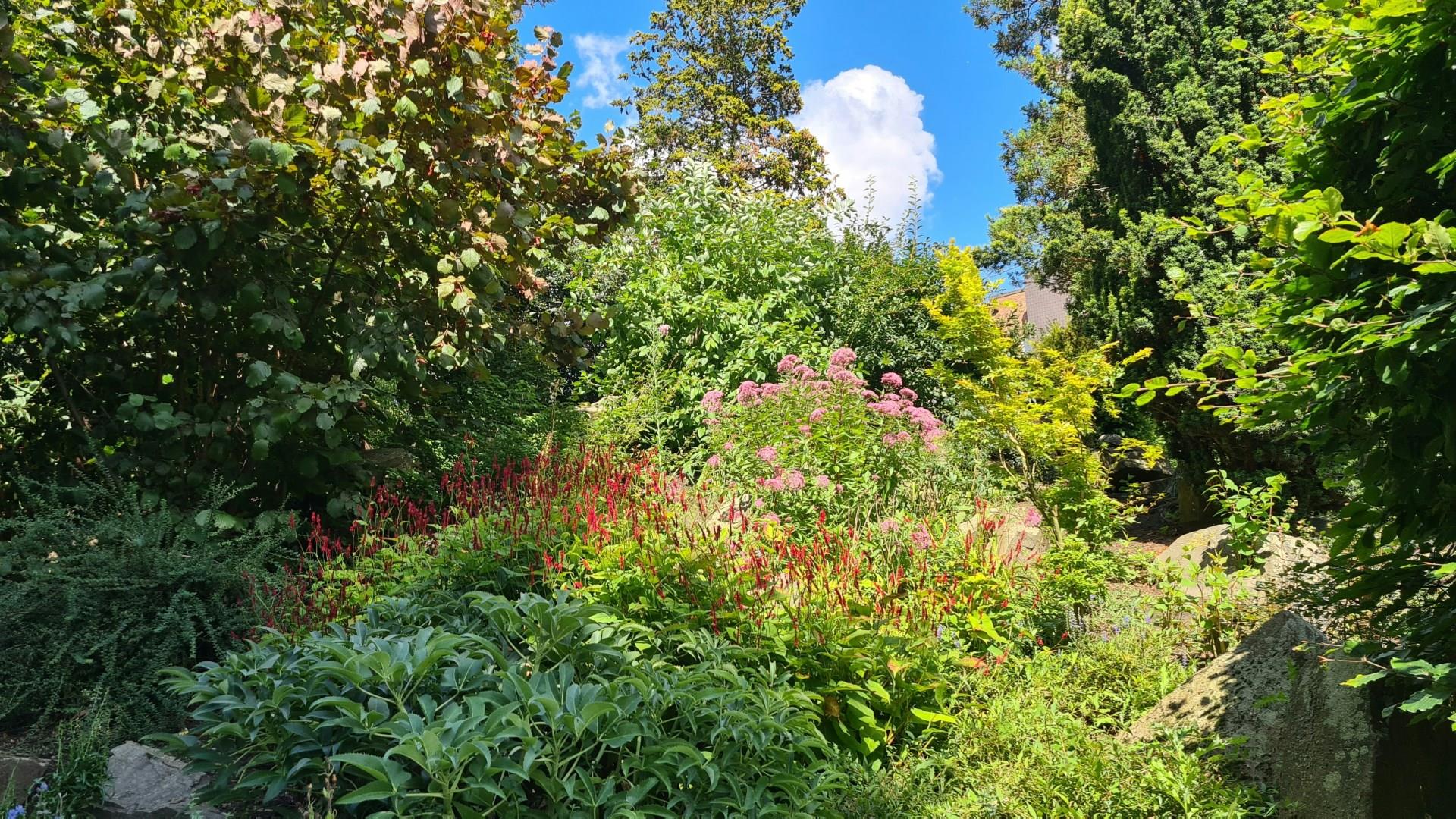
Liège, located along the Meuse River in eastern Belgium, is a city shaped by industry, resilience, and an independent spirit that dates back centuries. Once the capital of a powerful prince-bishopric, Liège has always done things its own way and is lived-in and layered with working neighborhoods, student cafés, and markets that tell the city’s real story. Every Sunday, locals gather at La Batte, one of the oldest and largest outdoor markets in Belgium.

Icy Strait Point
Icy Strait, Alaska, is a hidden gem for adventurers seeking an authentic Alaskan experience. Nestled between the rugged coastlines of the Inside Passage and the stunning wilderness of the Tongass National Forest, Icy Strait offers unparalleled natural beauty and wildlife encounters. This remote destination is ideal for those looking to explore the great outdoors, with opportunities for whale watching, fishing, and hiking through pristine landscapes.


