

Toulon
Toulon, a vibrant port city on the French Riviera, is a hidden gem waiting to be explored. Known for its deep natural harbor, Toulon has long been a significant naval base for France, and the city's maritime heritage is still very much alive today. Visitors can explore the bustling Toulon Harbor, where yachts, fishing boats, and naval vessels coexist in a lively display of seafaring life.

Puntarenas
Stretching along Costa Rica’s Pacific coast, Puntarenas offers more than just sandy shores. This historic port town once served as the country’s main gateway for coffee exports in the 19th century. Today, visitors can stroll along streets that echo stories of maritime trade and explore how Puntarenas helped shape Costa Rica's economic identity.
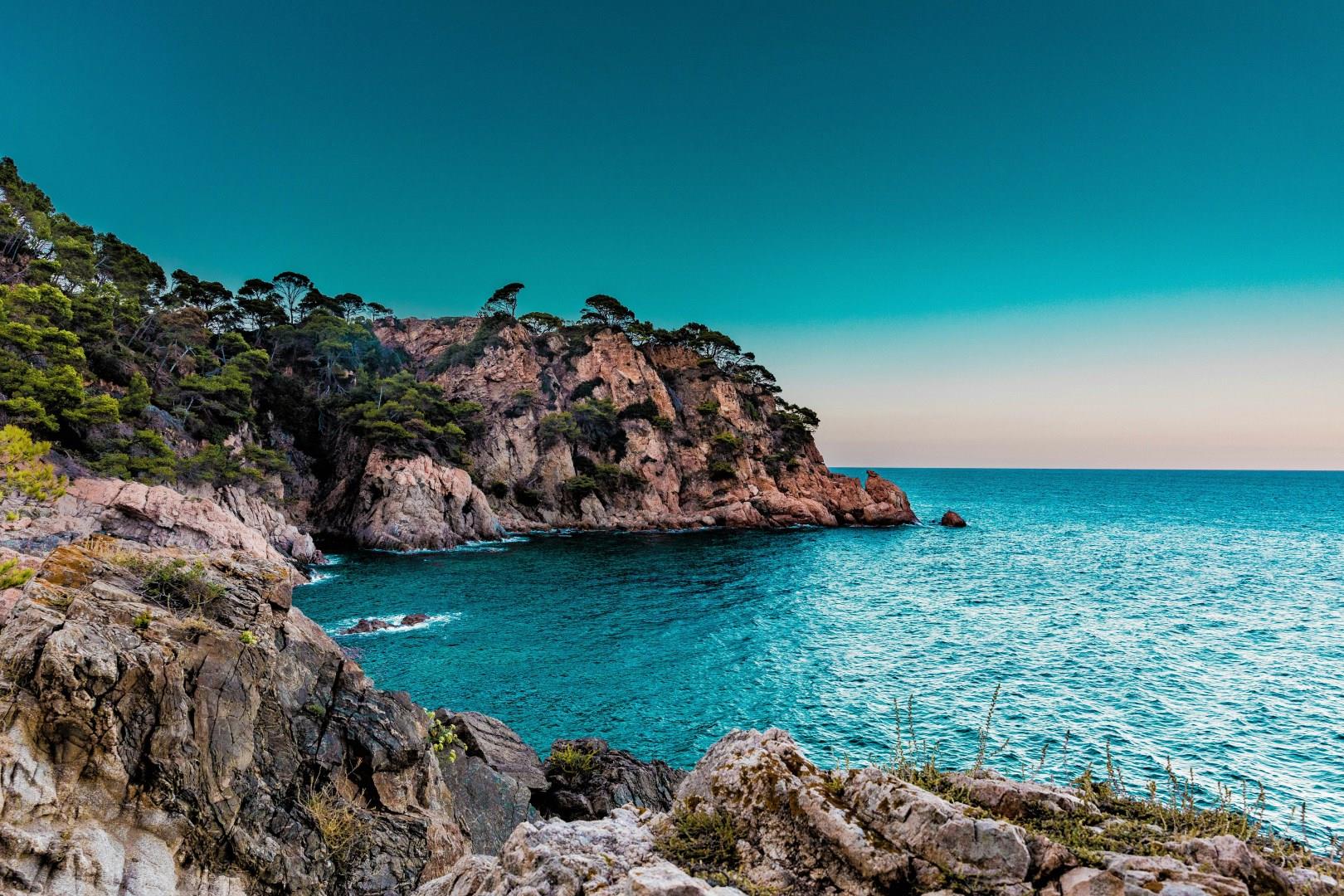
Marbella
Marbella, located between the Mediterranean Sea and the Sierra Blanca mountains, is often associated with its luxury resorts and famous marina, Puerto Banús. But beyond the polished storefronts and designer yachts, the city has a layered past. Its old town, known as Casco Antiguo, is a well-preserved network of narrow streets built during Moorish rule, with whitewashed buildings, flower-filled balconies, and hidden plazas like Plaza de los Naranjos, which dates back to the 15th century.

St. Martin
St. Martin is a unique Caribbean island that blends two distinct cultures within a single destination. The northern side, Saint-Martin, is an overseas collectivity of France, while the southern side, Sint Maarten, is part of the Kingdom of the Netherlands.

Broome
Broome, located in Western Australia, is a captivating destination that offers a unique blend of natural beauty, cultural heritage, and adventurous experiences. Nestled along the stunning Kimberley coast, Broome is renowned for its breathtaking Cable Beach, a 22-kilometer stretch of pristine white sand lapped by azure waters.


