

Messina, Sicily
Messina sits on the northeastern tip of Sicily, facing the narrow Strait of Messina. Its position has long made it a key port connecting the island to mainland Italy. The city is shaped by its harbor, hillside neighborhoods, and views across the water toward Calabria. Messina stands out for its role as a gateway, with active ferry routes and a layout that blends rebuilt urban areas with historic landmarks and coastal scenery.

Honolulu, Oahu
Honolulu, the capital of Hawaiʻi and the largest city in the Pacific, blends the energy of a major urban center with the deep roots of Native Hawaiian culture. Set on the island of Oʻahu, it’s home to iconic beaches, royal history, and a rhythm all its own. This sunny capital city is the main portal to the larger Hawaiian archipelago, and the perfect base for exploring Oahu.
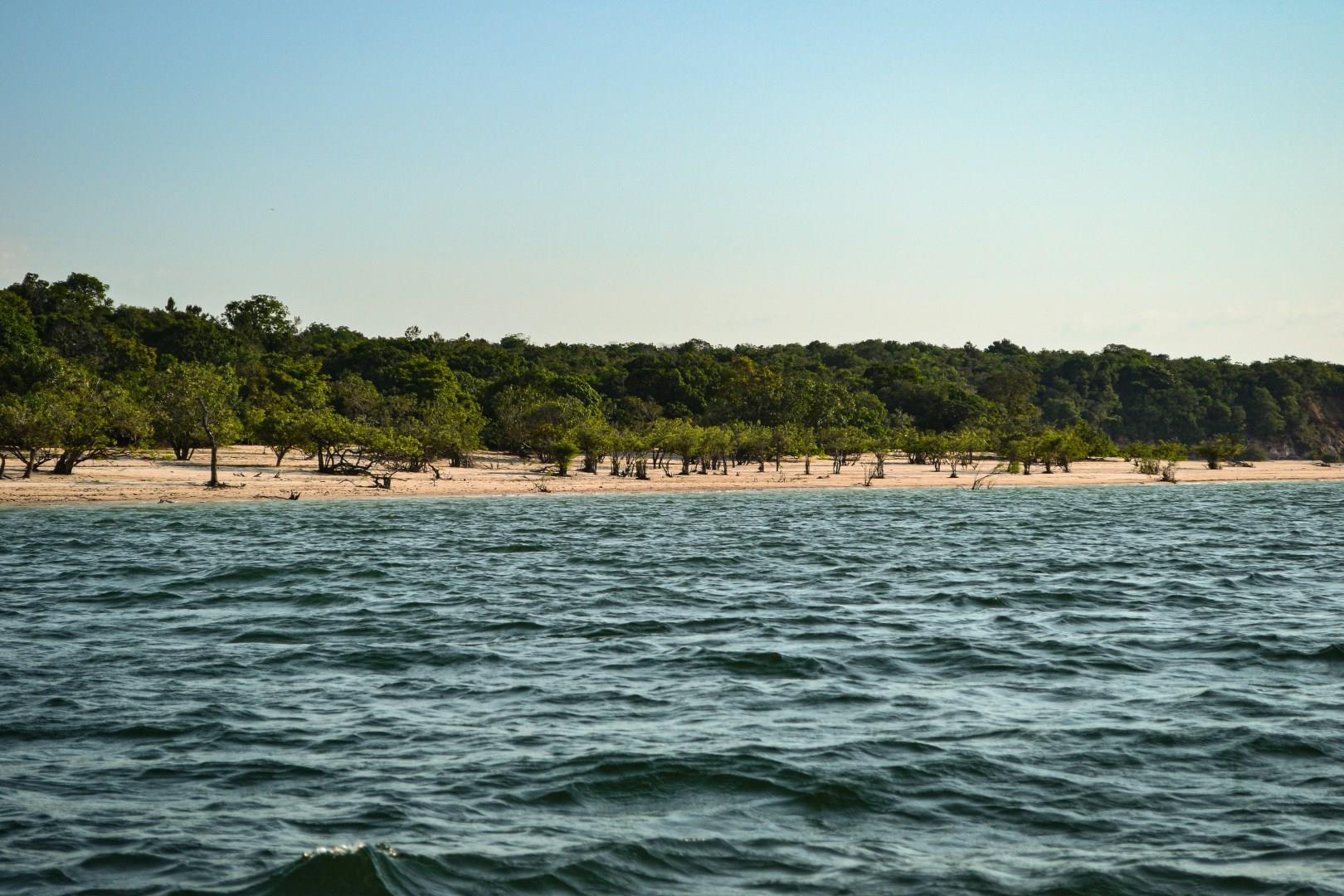
Alter do Chão
Alter do Chão is a riverside village in the Brazilian state of Pará, on the banks of the clear Tapajós River. Though part of the larger municipality of Santarém, Alter do Chão has its own rhythm and identity, known far beyond Brazil for the white-sand beaches that appear when river levels drop between July and December. One of the most famous spots is Ilha do Amor (Love Island), a sandbar just off the village shore that feels almost like a hidden world of warm water and bright sky.

Patagonia
Patagonia, Argentina, is a land of untamed beauty, where jagged peaks, expansive glaciers, and crystal-clear lakes come together to create one of the most awe-inspiring landscapes on Earth.

Sicily
Sicily, the largest island in the Mediterranean, is a captivating blend of ancient history, stunning landscapes, and vibrant culture. The island’s rich past is evident in its archaeological treasures, with Greek, Roman, Arab, and Norman influences shaping its architecture and traditions. The Valley of the Temples in Agrigento is a must-visit for history lovers, where you can wander among some of the best-preserved Greek temples outside of Greece.


