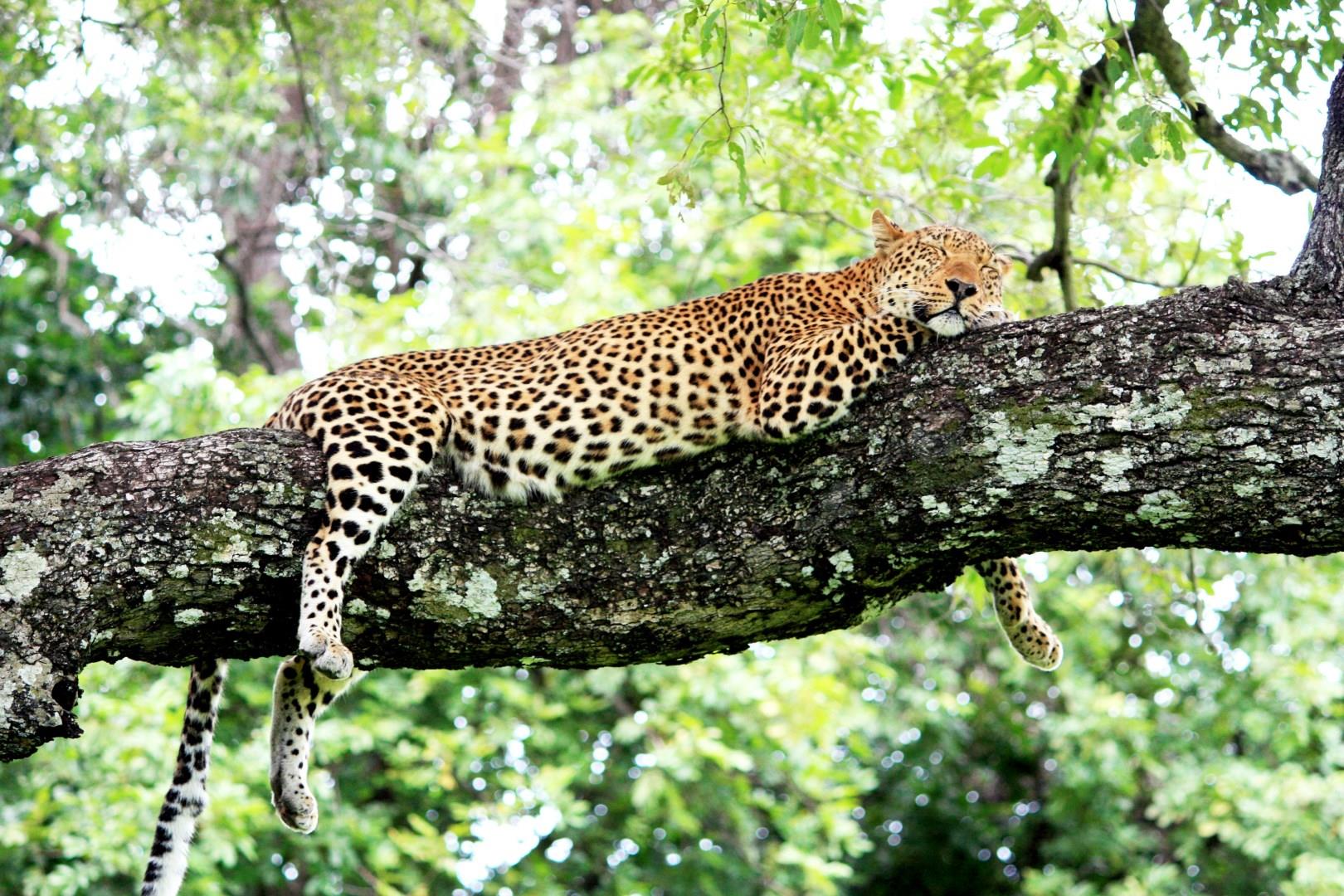
South Luangwa National Park
South Luangwa National Park in eastern Zambia is one of Africa’s most treasured wildlife areas, lying along the lush bends of the Luangwa River. Designated as a protected area in the 1970s, it stands out for its consistently high wildlife densities and landscapes that shift with the seasons. Dry grasslands, shaded woodlands, and green floodplains all unfold beneath wide skies, shaping the canvas for memorable animal sightings.
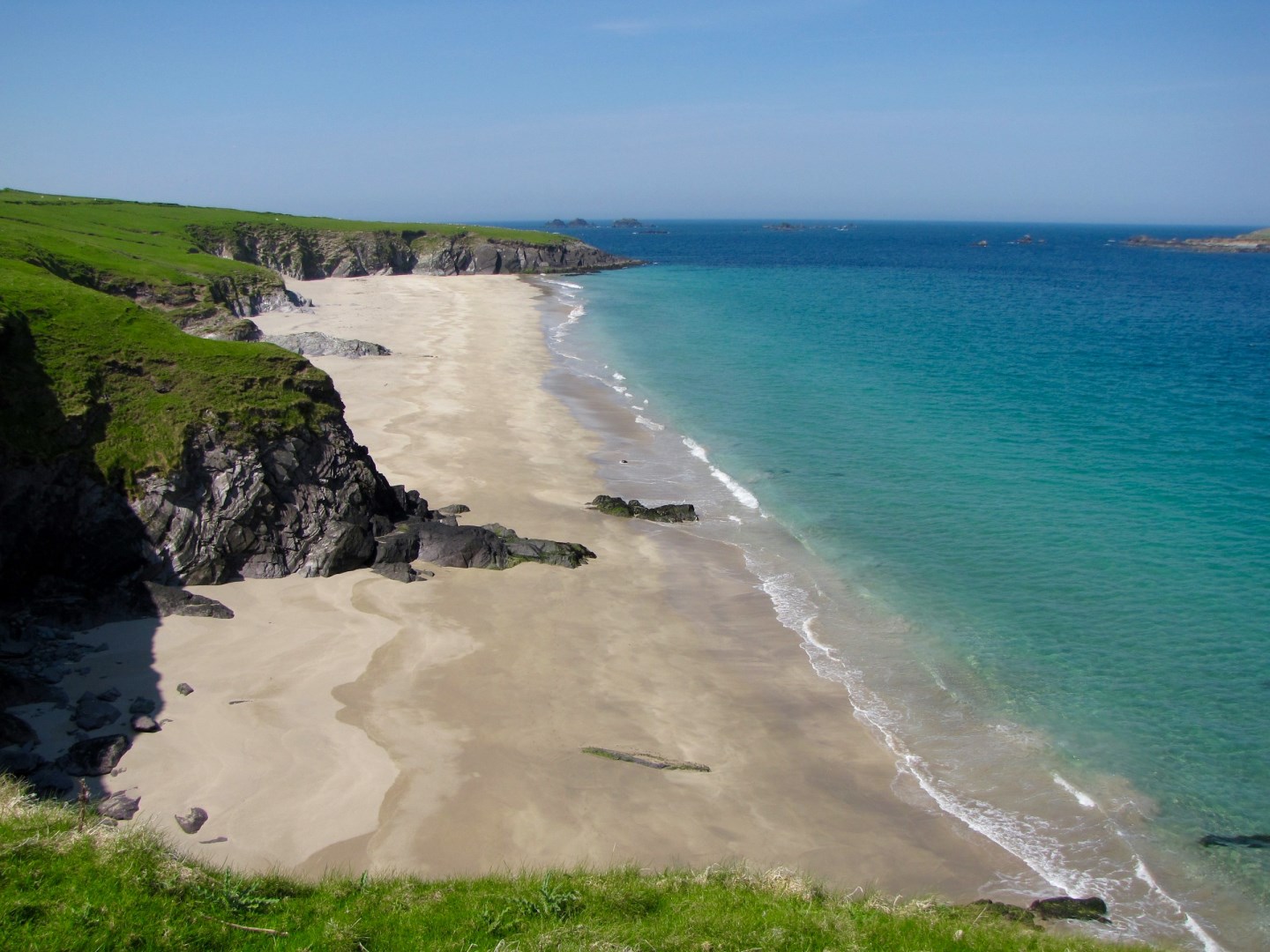
Great Blasket Island
Great Blasket Island, or An Blascaod Mór, lies off the western tip of the Dingle Peninsula in County Kerry, separated from the mainland by the Blasket Sound. The island is the largest of the Blasket Islands and is characterized by steep hills, rugged cliffs, grassy slopes, and the long sandy beach of An Trá Bán. Its small settlement is now deserted, with stone cottages and field boundaries remaining across the hillside.
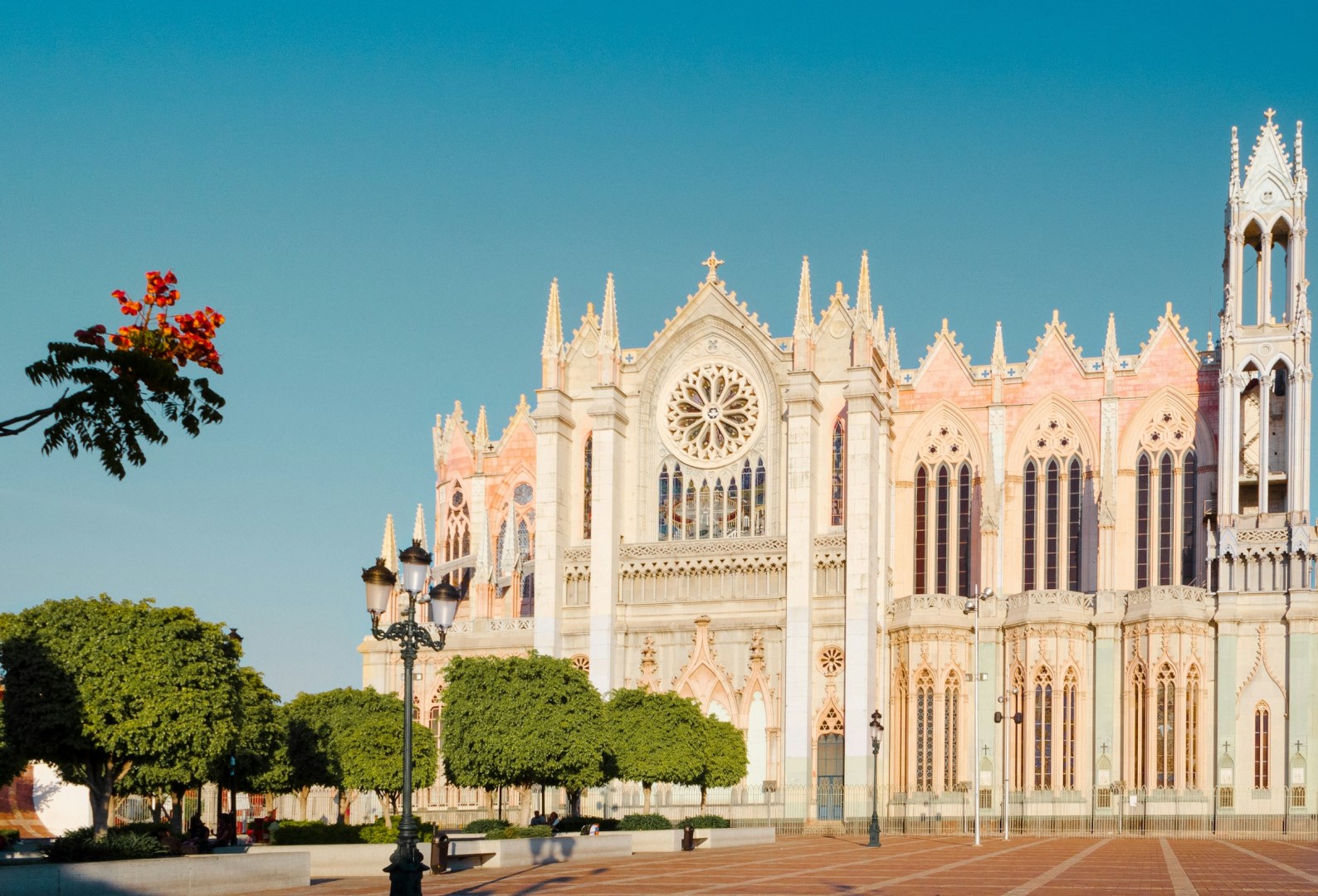
León
León, central Mexico, in Guanajuato State, in a fertile river valley, at an altitude of about 6000 ft. León is the industrial, commercial, and transportation center for a rich agricultural region and is a shoe-manufacturing center. Founded in 1576, León was a Spanish colonial administrative center.
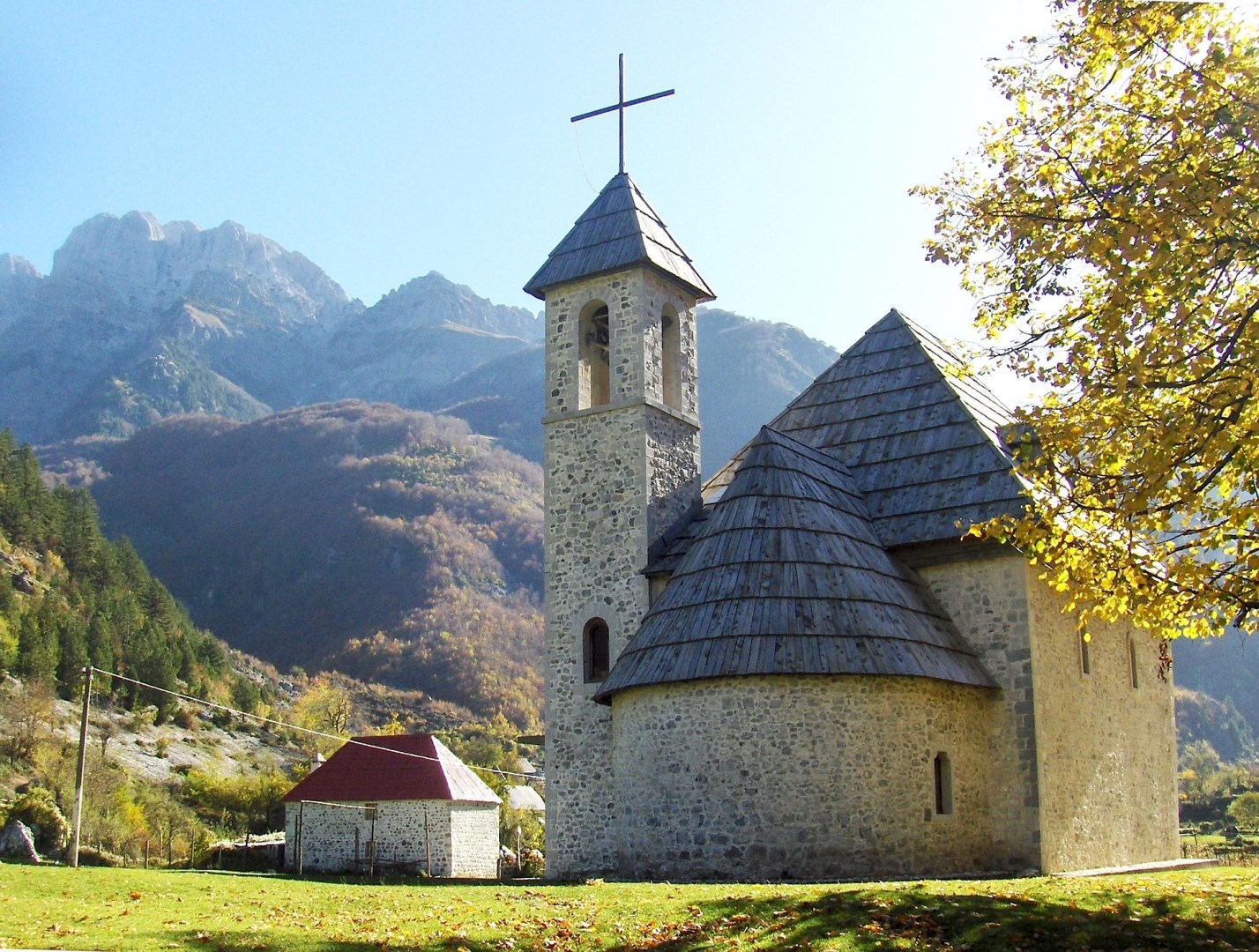
Theth
Theth is a mountain village in northern Albania, set within the rugged Albanian Alps and surrounded by steep limestone peaks, wooded slopes, and narrow valleys. The settlement lies inside Theth National Park, where traditional stone houses and small farms are scattered along the valley floor. Theth is known for its dramatic mountain scenery and its role as a starting point for hiking routes through the Accursed Mountains.
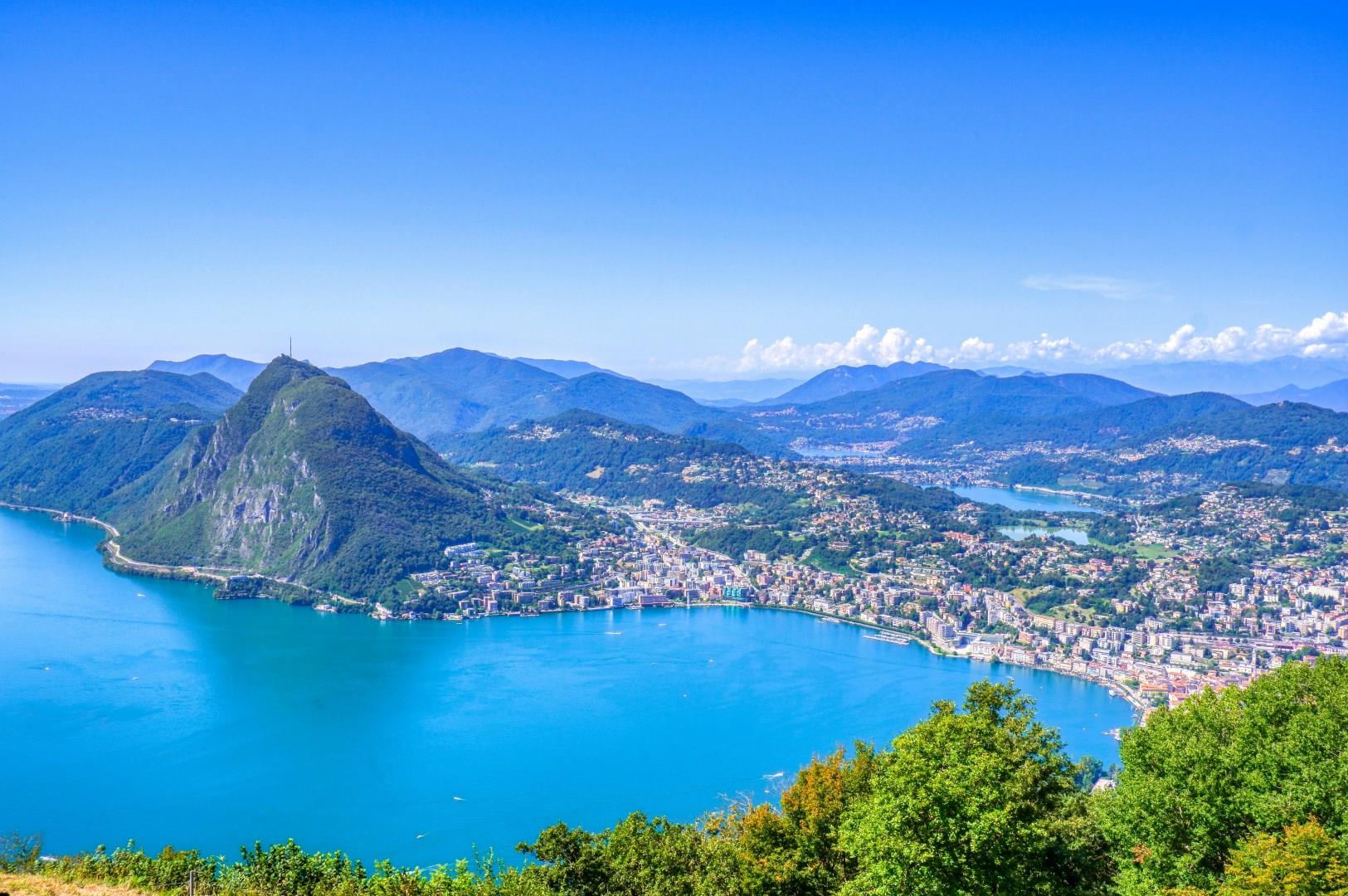
Lugano
Lugano, tucked into Switzerland’s Italian-speaking Ticino region, blends Mediterranean flair with Alpine elegance. The city sits on the northern shore of Lake Lugano, its pastel-colored villas and palm-lined promenades framed by surrounding mountains such as Monte Brè and Monte San Salvatore.