Uxmal, located about 80 kilometers south of Mérida in the Puuc region of Yucatán, is one of the most architecturally refined ancient Maya cities. Unlike other major Maya sites built with steep pyramids and narrow passageways, Uxmal is known for its smooth limestone structures, wide plazas, and intricate stone mosaics. One unique experience available to visitors is the nightly light and sound show, which uses colored projections to highlight carvings and narrate local legends and Maya cosmology.
Naivasha, a charming town in Kenya's Rift Valley, offers a unique blend of natural beauty and cultural experiences. At the heart of this area is Lake Naivasha, a freshwater lake renowned for its abundant birdlife and picturesque scenery. Visitors can embark on boat rides to spot hippos and various bird species, including the elusive African fish eagle.
Lake Powell, stretching across the Utah-Arizona border, is one of the largest manmade reservoirs in the United States. Formed by the flooding of Glen Canyon after the completion of the Glen Canyon Dam in 1963, it covers over 180 miles in length and contains nearly 2,000 miles of shoreline, more than the entire West Coast of the U.S. Despite its modern origins, the area has long been home to the Ancestral Puebloans and later Navajo communities.
The historic city of Dover, nestled on the southern coast of England, is a captivating destination known for its iconic White Cliffs and strategic maritime heritage. Overlooking the Strait of Dover, these towering chalk cliffs offer breathtaking views across to France and serve as a symbol of Britain's resilience.
Zacatecas, built into the slopes of a narrow ravine in north-central Mexico, is a city with a deep mining past and a striking skyline. The historic center, a UNESCO World Heritage Site, is known for its pink cantera stone buildings, narrow alleys, and impressive baroque facades. The Cathedral Basilica of Zacatecas, completed in 1752, stands as one of the most detailed examples of Mexican baroque architecture, with hundreds of carved figures covering its sandstone exterior.
Georgetown, the vibrant capital of the Cayman Islands, offers an alluring blend of Caribbean charm and modern sophistication. As the bustling heart of the Grand Caymans, it is renowned for its picturesque harbor, duty-free shopping, and a rich tapestry of cultural experiences. The waterfront area, with its stunning views and inviting promenades, is perfect for leisurely strolls and offers a variety of dining options showcasing local and international cuisine. For a taste of luxury shopping and local crafts, the Georgetown Harbor Walk is a must-visit.
The city’s maritime heritage is palpable at the National Museum of the Cayman Islands, where exhibits chronicle the region’s history from its early settlement to its contemporary development. The museum’s collection includes artifacts such as shipwreck remnants and traditional Caymanian artifacts, offering a fascinating glimpse into the island’s past. Additionally, the nearby Cayman Islands National Archive holds valuable documents and historical records that enrich the cultural narrative of the area.
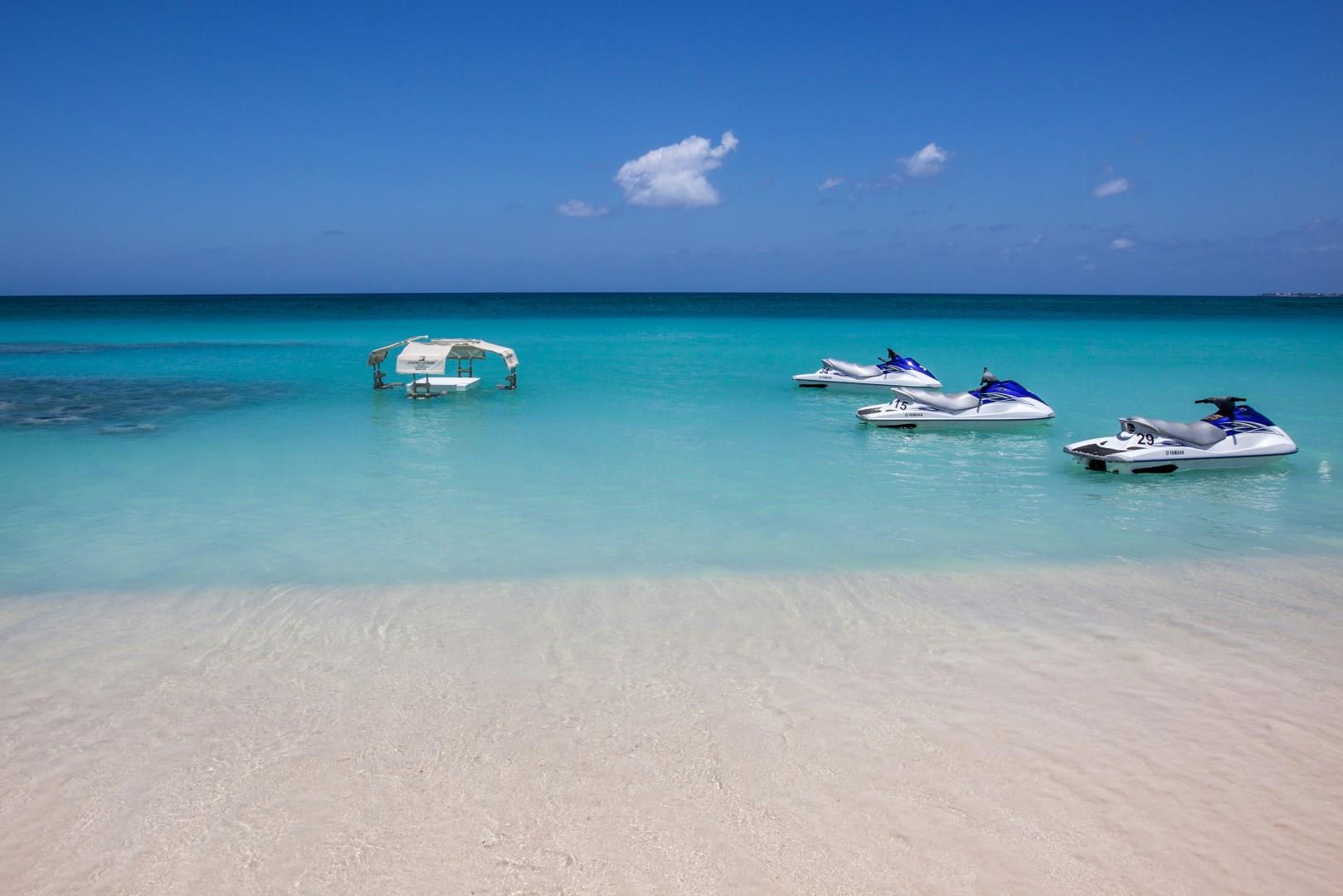
For those seeking outdoor adventure, Georgetown serves as a gateway to the stunning Seven Mile Beach, renowned for its powdery white sand and crystal-clear waters. This world-famous beach is ideal for sunbathing, snorkeling, and enjoying water sports. The nearby Stingray City provides an unforgettable experience where visitors can interact with friendly stingrays in their natural habitat, making for a highlight of any trip to the Cayman Islands.
A fun fact about Georgetown is that it is home to one of the world’s largest underwater marine parks, The Cayman Islands Marine Reserve. This protected area offers incredible opportunities for diving and snorkeling among vibrant coral reefs and diverse marine life, making it a paradise for underwater enthusiasts. Whether you’re exploring cultural sites, enjoying the beach, or venturing into the marine world, Georgetown promises a memorable and enriching experience.