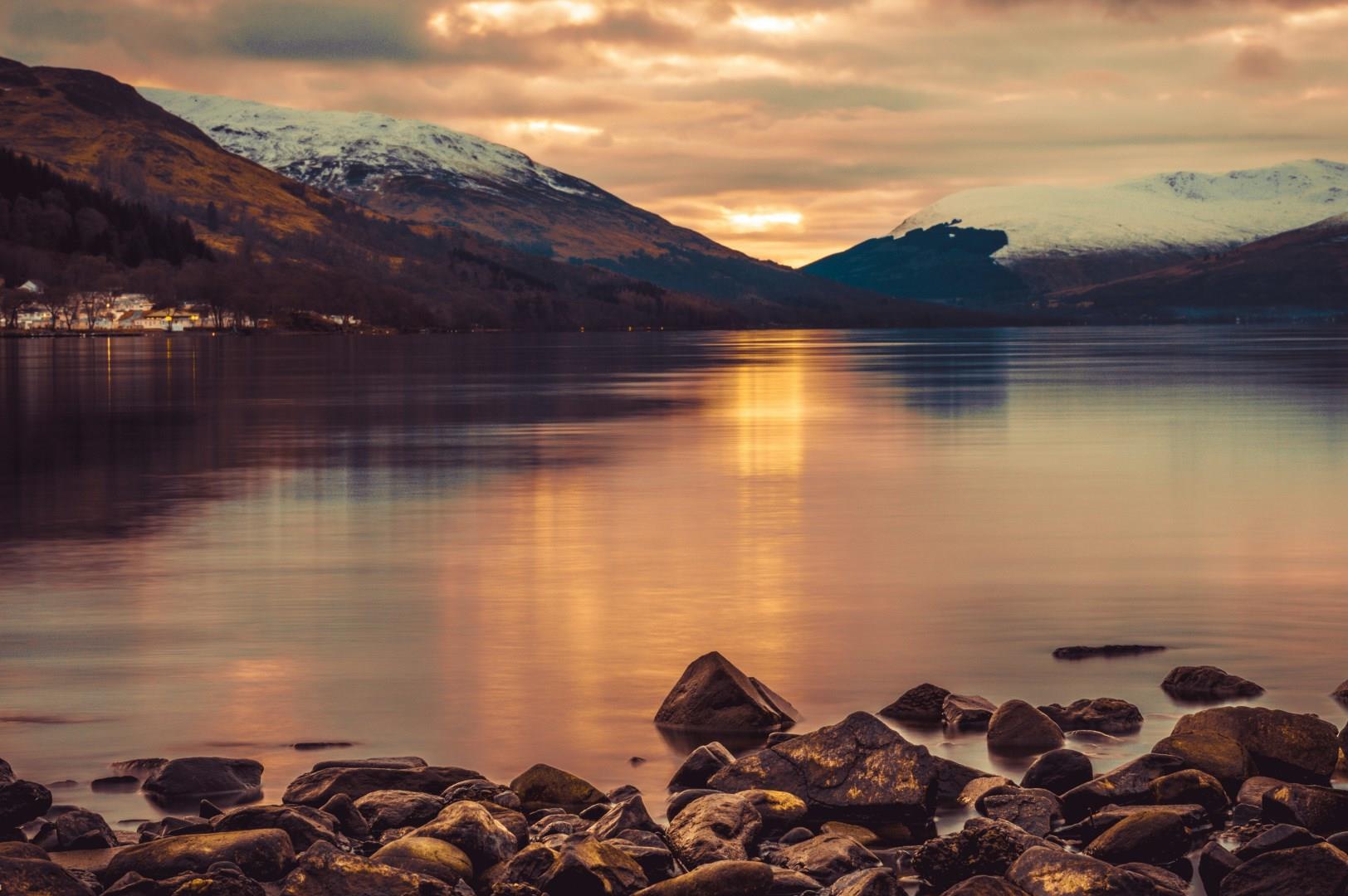
Leknes sits in the heart of Norway’s Lofoten Islands, a small town shaped more by geography than by long urban history. It developed as a regional hub for farming, fishing, and transport, serving surrounding villages spread across Vestvågøy. Rather than presenting a preserved past, Leknes reflects contemporary life in the north, practical and closely tied to seasonal rhythms.
Pisa, Italy, is more than just its world-famous Leaning Tower; it's a city where history, art, and culture intersect to create a fascinating experience for visitors. The Leaning Tower, part of the Piazza dei Miracoli or Square of Miracles, is an architectural wonder that draws millions each year. Built as a bell tower for the adjacent Pisa Cathedral, its unintended tilt has become a global icon.
Santander, the capital of Spain’s Cantabria region, sits along the Bay of Biscay and offers travelers a mix of coastline, culture, and history shaped by centuries of maritime life. Once a bustling port for Castilian exports, Santander saw its golden age in the 19th century when Spanish royalty turned it into a summer retreat. The legacy of that era remains visible at the Palacio de la Magdalena, perched on a peninsula with views of the sea and home to royal stables, a mini zoo, and guided tours.
Rio Dulce is a river region in eastern Guatemala that connects Lake Izabal to the Caribbean Sea. The area is centered around the town of Fronteras and the long waterway that cuts through tropical forest, limestone cliffs, and wetland habitats.
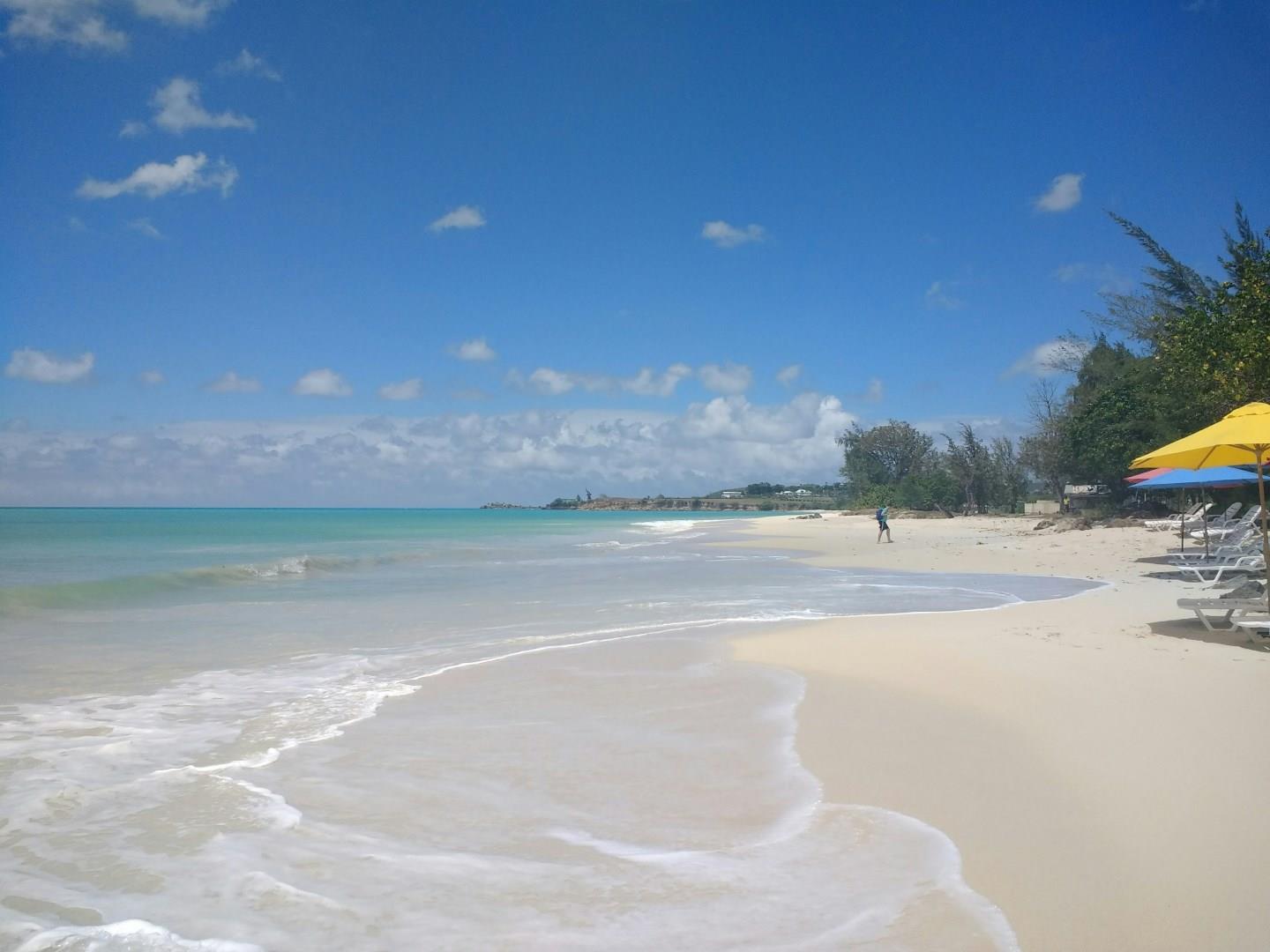
The Turks and Caicos Islands, a British Overseas Territory in the Atlantic, are celebrated for their luminous turquoise waters and powder-soft beaches. Grace Bay on Providenciales is the most famous stretch of sand, consistently ranked among the world’s best, where calm seas and vibrant reefs invite both relaxation and adventure.
Georgetown, the vibrant capital of the Cayman Islands, offers an alluring blend of Caribbean charm and modern sophistication. As the bustling heart of the Grand Caymans, it is renowned for its picturesque harbor, duty-free shopping, and a rich tapestry of cultural experiences. The waterfront area, with its stunning views and inviting promenades, is perfect for leisurely strolls and offers a variety of dining options showcasing local and international cuisine. For a taste of luxury shopping and local crafts, the Georgetown Harbor Walk is a must-visit.
The city’s maritime heritage is palpable at the National Museum of the Cayman Islands, where exhibits chronicle the region’s history from its early settlement to its contemporary development. The museum’s collection includes artifacts such as shipwreck remnants and traditional Caymanian artifacts, offering a fascinating glimpse into the island’s past. Additionally, the nearby Cayman Islands National Archive holds valuable documents and historical records that enrich the cultural narrative of the area.
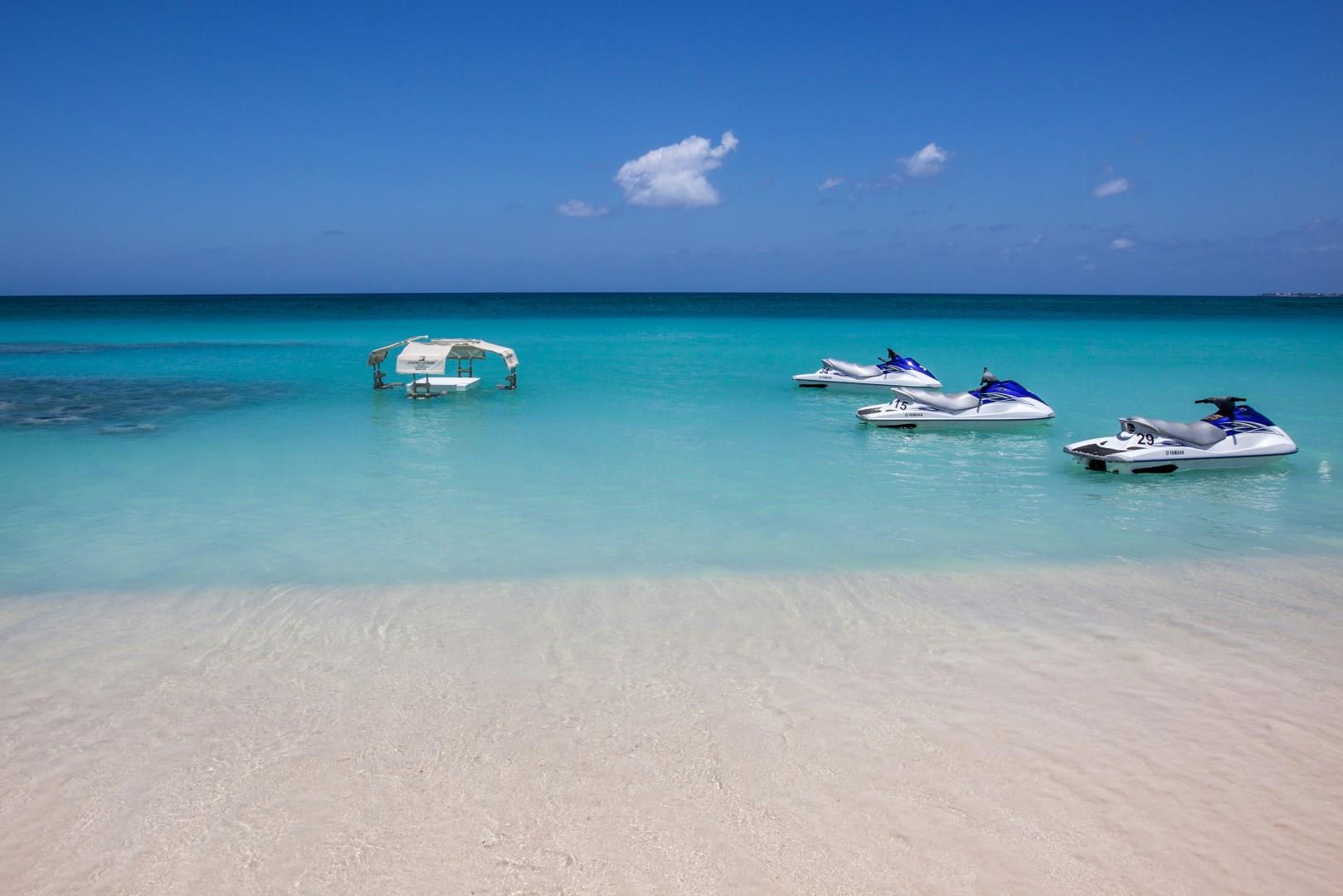
For those seeking outdoor adventure, Georgetown serves as a gateway to the stunning Seven Mile Beach, renowned for its powdery white sand and crystal-clear waters. This world-famous beach is ideal for sunbathing, snorkeling, and enjoying water sports. The nearby Stingray City provides an unforgettable experience where visitors can interact with friendly stingrays in their natural habitat, making for a highlight of any trip to the Cayman Islands.
A fun fact about Georgetown is that it is home to one of the world’s largest underwater marine parks, The Cayman Islands Marine Reserve. This protected area offers incredible opportunities for diving and snorkeling among vibrant coral reefs and diverse marine life, making it a paradise for underwater enthusiasts. Whether you’re exploring cultural sites, enjoying the beach, or venturing into the marine world, Georgetown promises a memorable and enriching experience.