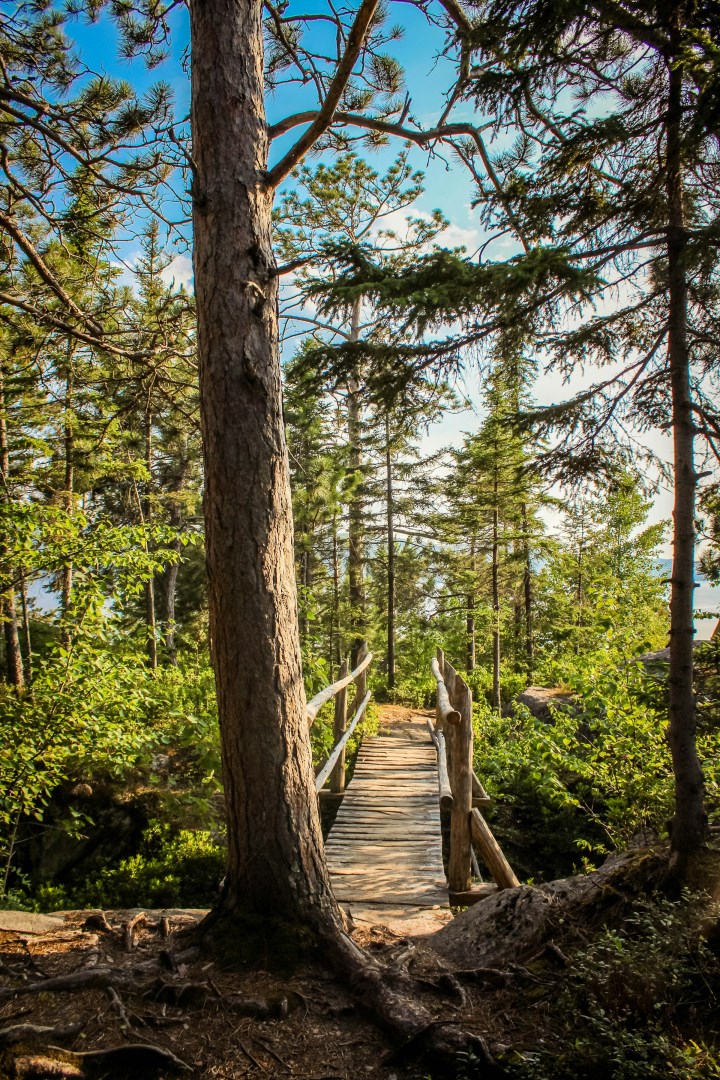
Isabela Island is the largest of the Galapagos islands, on the western end of the archipelago. Shaped like a seahorse when viewed from above, Isabella is home to more wild tortoises than any other island, as well as a wide variety of other animal, bird and marine life.
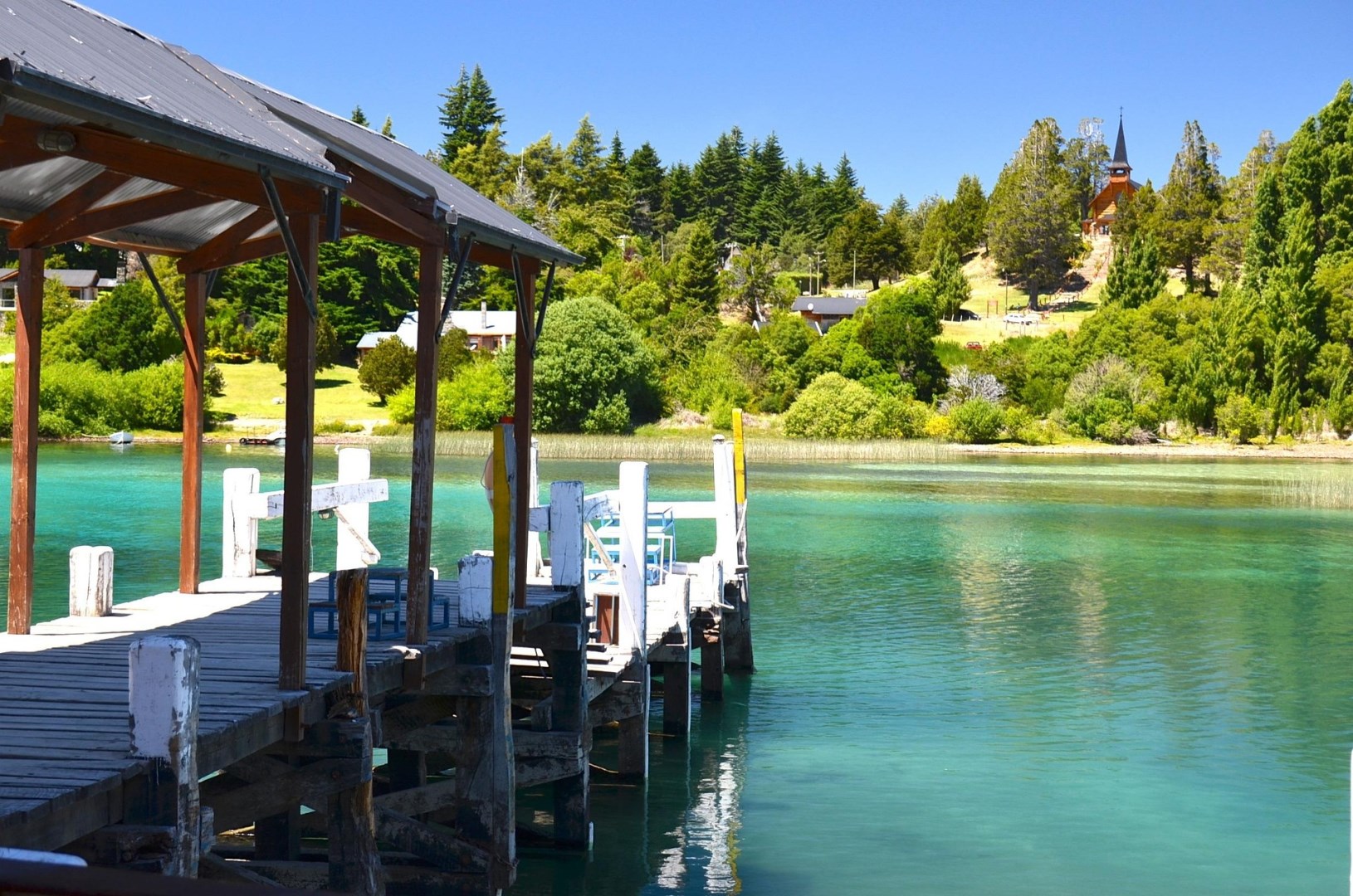
Bariloche, tucked into the foothills of the Andes in Argentina’s Patagonia region, is a town that feels both alpine and uniquely Argentine. With its wooden chalets, Swiss-style architecture, and chocolate shops on every corner, many visitors are surprised to find a lakeside town that resembles parts of Europe. But Bariloche’s identity is all its own, shaped by deep indigenous roots, waves of immigration, and the striking presence of Lake Nahuel Huapi.
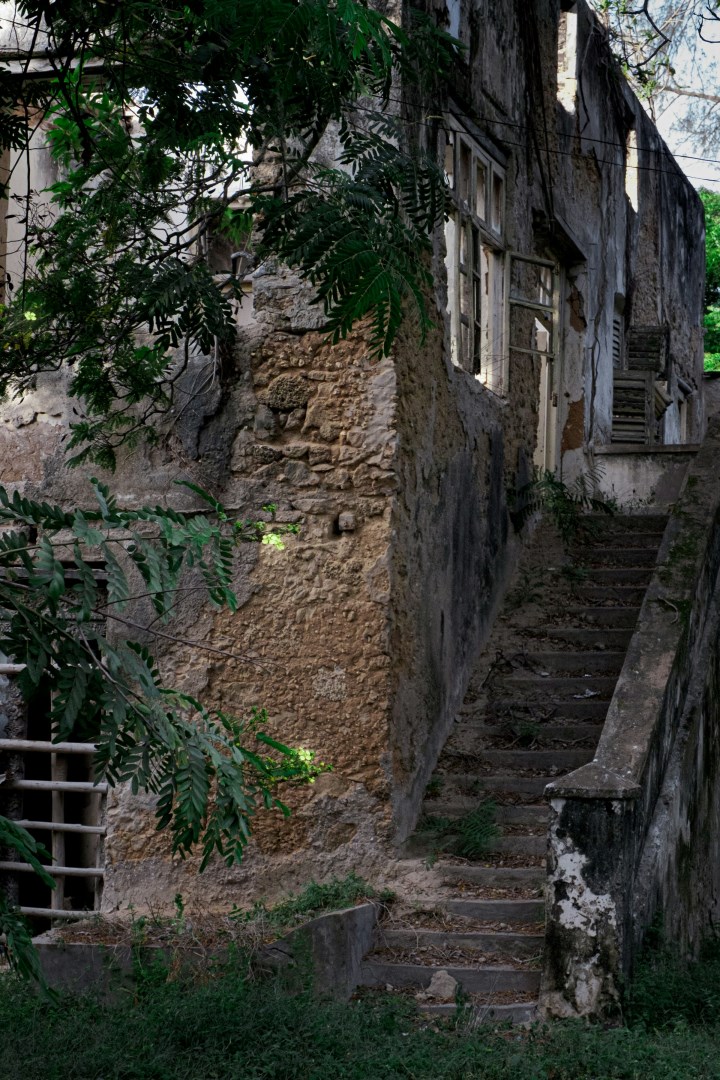
Bagamoyo is a historic coastal town in Tanzania’s Pwani Region, facing the Indian Ocean north of Dar es Salaam. Its old town contains Swahili, Arab, and German-era buildings, while the shoreline remains connected to fishing and dhow construction. Bagamoyo developed as an important port and inland caravan terminus, linking the coast with trading routes across the interior.
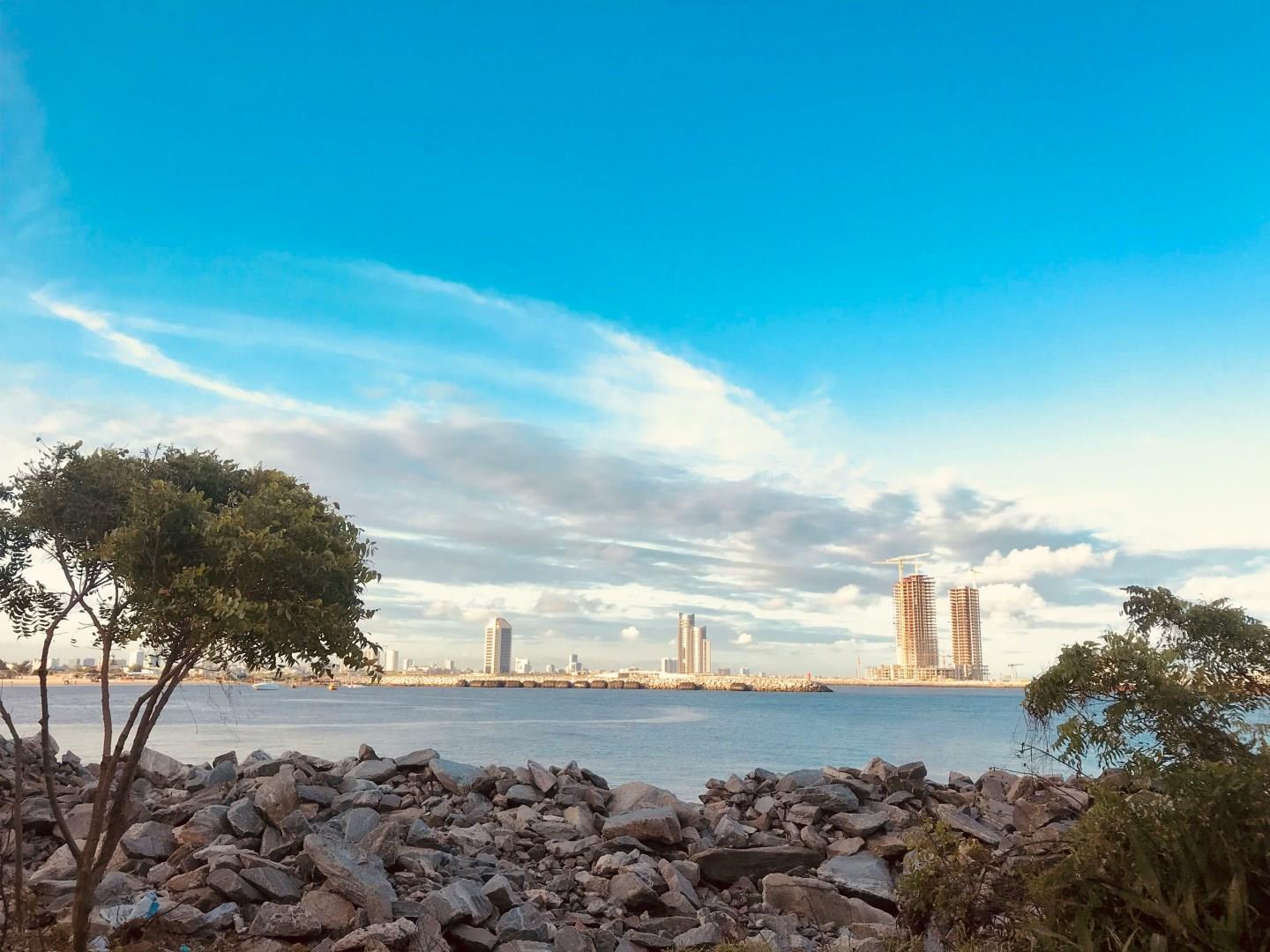
Lagos, Nigeria’s largest city and economic hub, is located on the country’s southwestern coast along the Atlantic Ocean. It is a bustling metropolis where modern skyscrapers and commercial centers meet historic neighborhoods and lively markets.
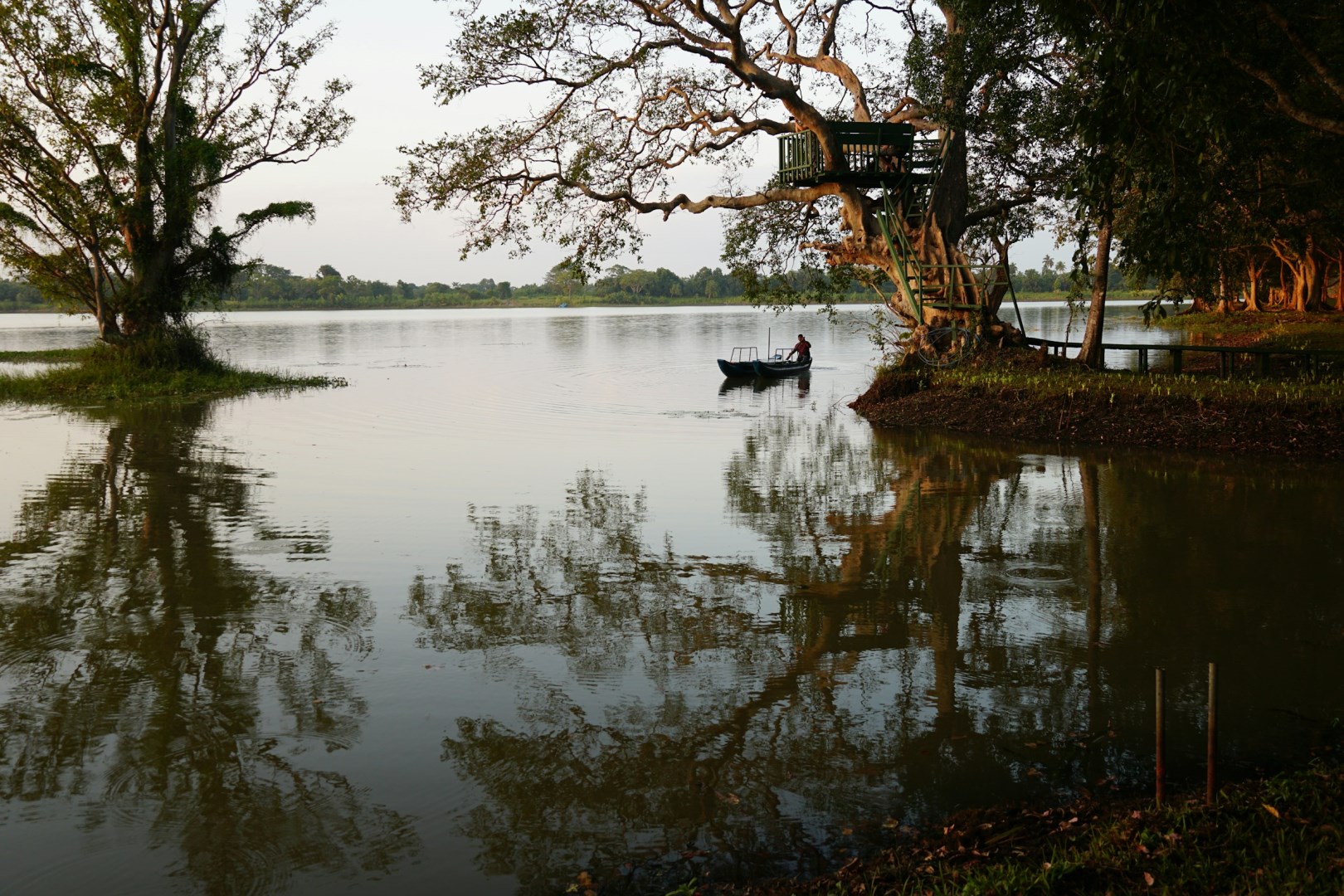
Habarana is a small town in Sri Lanka’s North Central Province and an important base for exploring the island’s Cultural Triangle. Set among dry-zone forest, lakes, and open countryside, it provides access to several major heritage and wildlife sites. Sigiriya, Polonnaruwa, Dambulla, and Anuradhapura are all within reach, while the town itself has developed accommodation and services for visitors traveling between these destinations.
Photo Credit: Photo by Louis Renaudineau on Unsplash
Nestled in the heart of Quebec, Saguenay is a city that invites travelers to experience the perfect blend of natural beauty and vibrant culture. Set along the picturesque Saguenay River, this city is a gateway to the Saguenay Fjord, one of the longest fjords in the world, where steep cliffs rise dramatically from the deep waters. Visitors can explore this majestic landscape by boat, kayak, or even on foot, with numerous trails offering breathtaking views and opportunities to spot wildlife such as belugas and seals.
Saguenay is also rich in cultural experiences. The La Pulperie de Chicoutimi, a former industrial site turned museum, delves into the city’s history, showcasing its transformation from a booming pulp mill town to a cultural hub. The museum also features rotating exhibitions of contemporary art and Quebec heritage, making it a must-visit for art and history enthusiasts (La Pulperie de Chicoutimi). Another cultural gem is the Petite Maison Blanche (Little White House), a symbol of resilience after surviving the catastrophic floods of 1996, which has since become a local museum dedicated to the event (Petite Maison Blanche).
For those seeking adventure, Saguenay offers year-round activities. In winter, the region transforms into a snowy playground, ideal for skiing, snowshoeing, and snowmobiling. Monts Valin National Park is particularly popular for its “ghost forest,” where snow-laden trees create a surreal winter wonderland (Sepaq Monts-Valin). In summer, the city’s proximity to the Saguenay–St. Lawrence Marine Park makes it a hotspot for whale watching, offering unforgettable encounters with these gentle giants of the sea (Marine Park).
Fun Fact: Saguenay boasts one of the highest rates of sunny days in Quebec, making it an ideal destination for outdoor activities throughout the year!
Other Popular Destinations in Quebec
Québec City
Visit picturesque Quebec City, situated on the mighty St. Lawrence River, and become instantly mesmerized by this historic jewel in Canada’s French province. Replete with striking landmarks and stunning architecture, Quebec City is perfect for sight-seeing and deserves ample time for exploration.
Montréal
Montréal is a city shaped by layers of French and British history, with modern flair built into every corner. Founded in 1642 as Ville-Marie, it’s one of the oldest cities in North America. Visitors walking through Old Montréal will find cobblestone streets, 18th-century buildings, and landmarks like the Notre-Dame Basilica, known for its deep blue interior and grand organ with over 7,000 pipes.