South Luangwa National Park
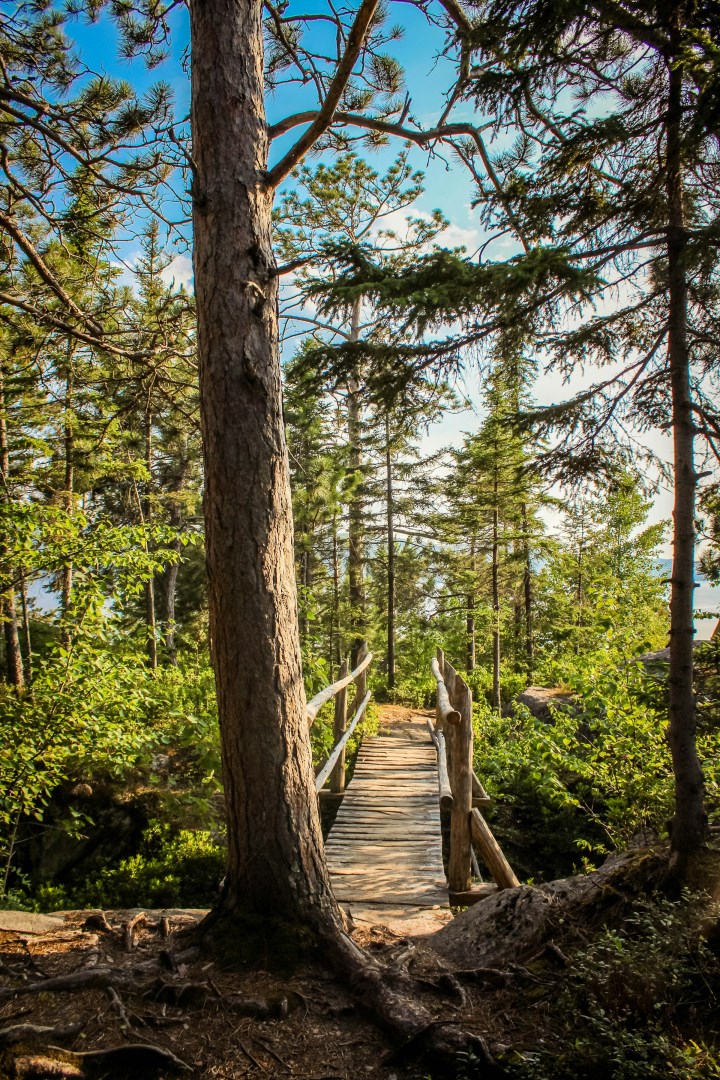
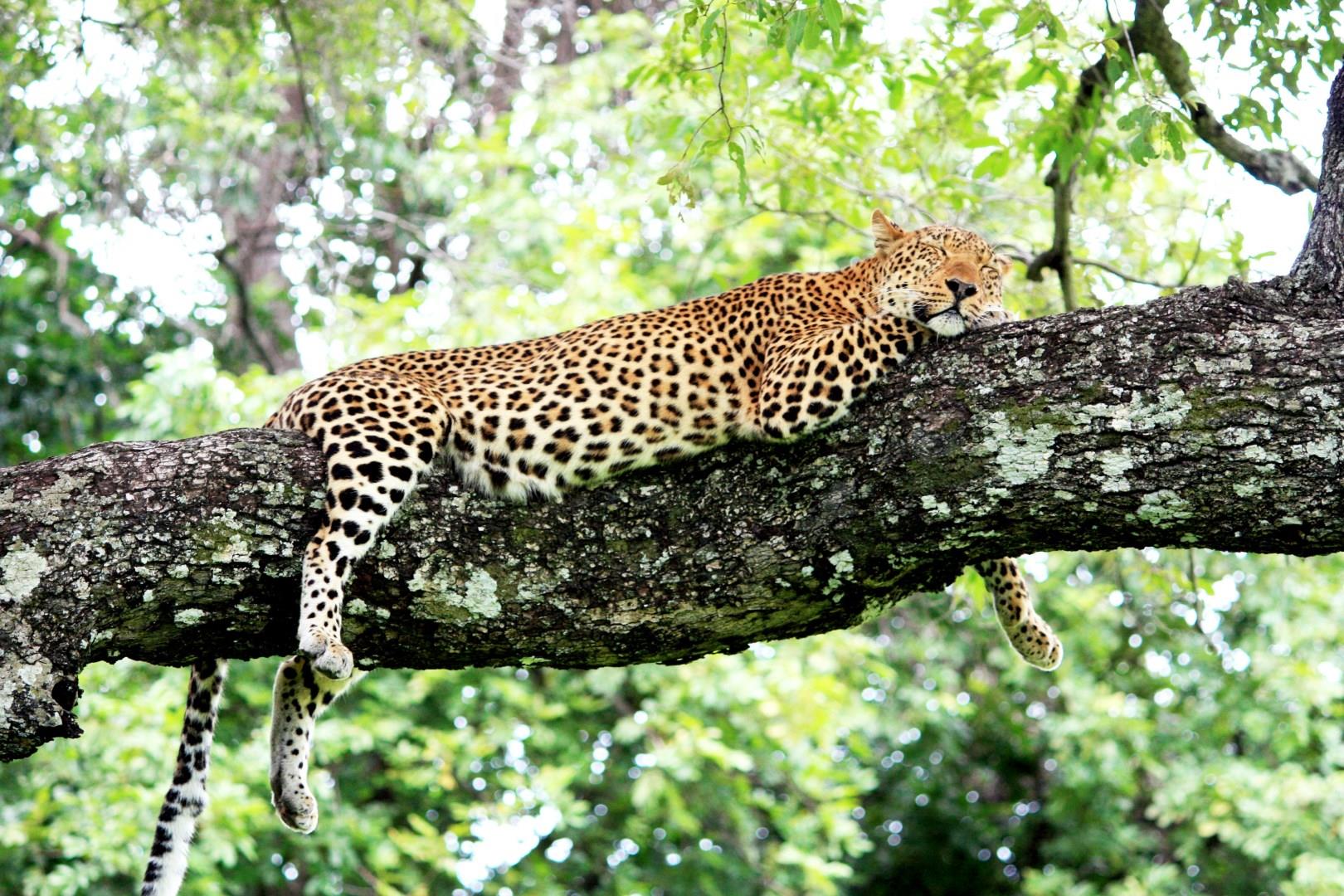
South Luangwa National Park in eastern Zambia is one of Africa’s most treasured wildlife areas, lying along the lush bends of the Luangwa River. Designated as a protected area in the 1970s, it stands out for its consistently high wildlife densities and landscapes that shift with the seasons. Dry grasslands, shaded woodlands, and green floodplains all unfold beneath wide skies, shaping the canvas for memorable animal sightings.
Santiago Island
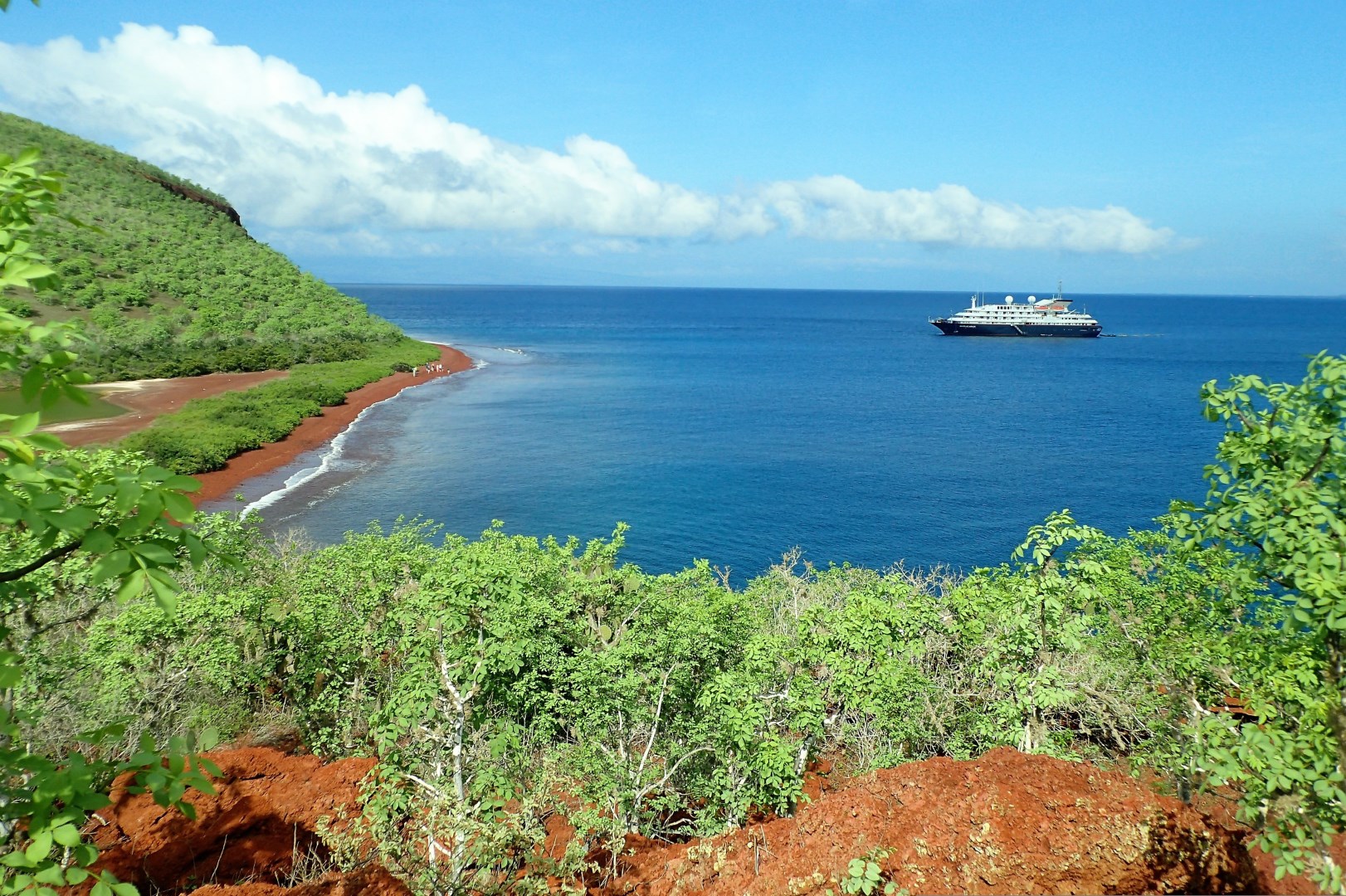
Set in the heart of the Galápagos archipelago, Santiago Island offers a raw and untamed landscape shaped by volcanic forces. Unlike more developed islands in the region, Santiago remains largely uninhabited, giving visitors a rare look at ecosystems that have evolved with minimal human presence. Its coastline shifts from black lava fields to soft sandy beaches, while inland trails reveal hardened flows and scattered vegetation slowly reclaiming the terrain.

York
York, England, is a city where over 2,000 years of history comes to life. Originally founded by the Romans in 71 AD as Eboracum, York has witnessed the rise and fall of empires, from the Vikings to the Normans. Today, the city retains its medieval charm, with its historic York Minster, one of the largest Gothic cathedrals in Northern Europe, standing proudly as its centerpiece.
Ballater
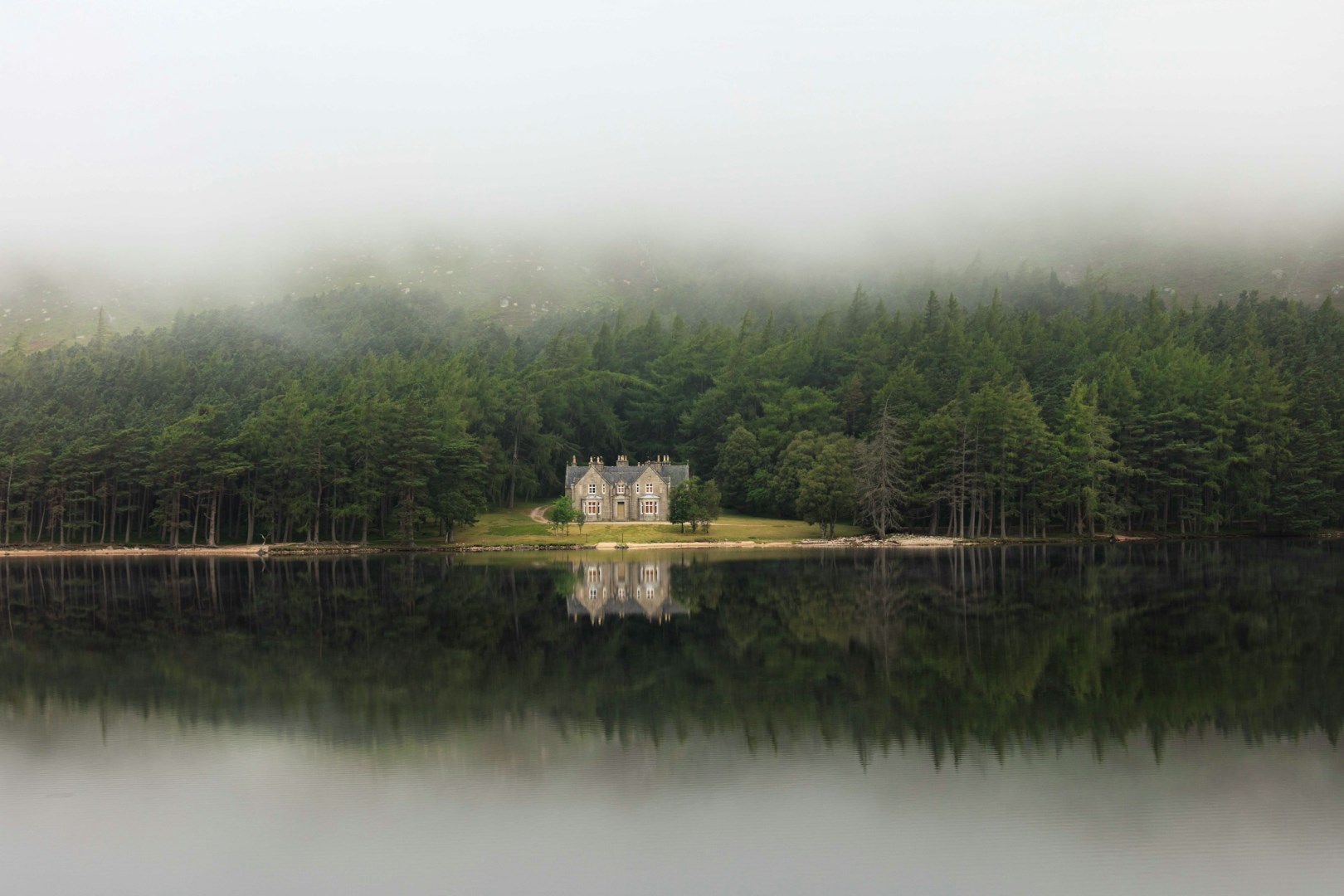
A nice stop on your Scottish tour for the perfect golf game or bed and breakfast. Set in magnificent scenery, it is the perfect base for touring the surrounding town of Balmoral, and the Muir of Dunnet Nature Reserve.

Aruba
Aruba, the “One Happy Island,” blends Caribbean charm with a distinct Dutch influence that shapes its culture, cuisine, and colorful architecture. Located just outside the hurricane belt, it enjoys year-round sunshine, making it a favorite destination for travelers seeking both relaxation and adventure.