
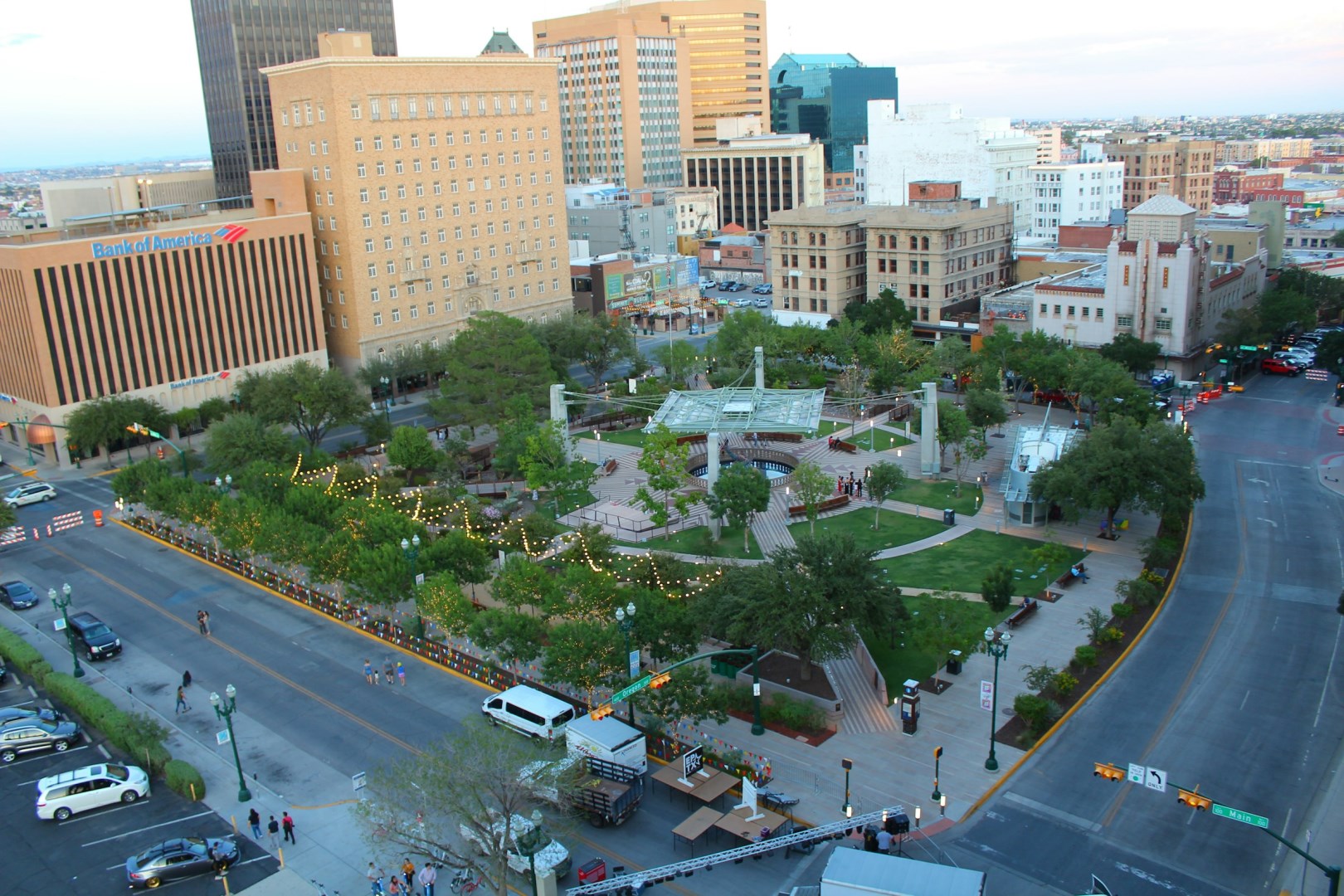
El Paso
El Paso, located in far western Texas along the Rio Grande, is a vibrant border city that blends American, Mexican, and Native American cultures. Its location at the meeting point of Texas, New Mexico, and Chihuahua, Mexico, has shaped a rich cultural tapestry, visible in its architecture, cuisine, and community traditions. El Paso’s history stretches from indigenous settlements to Spanish colonial influence, all of which contribute to the city’s unique identity.
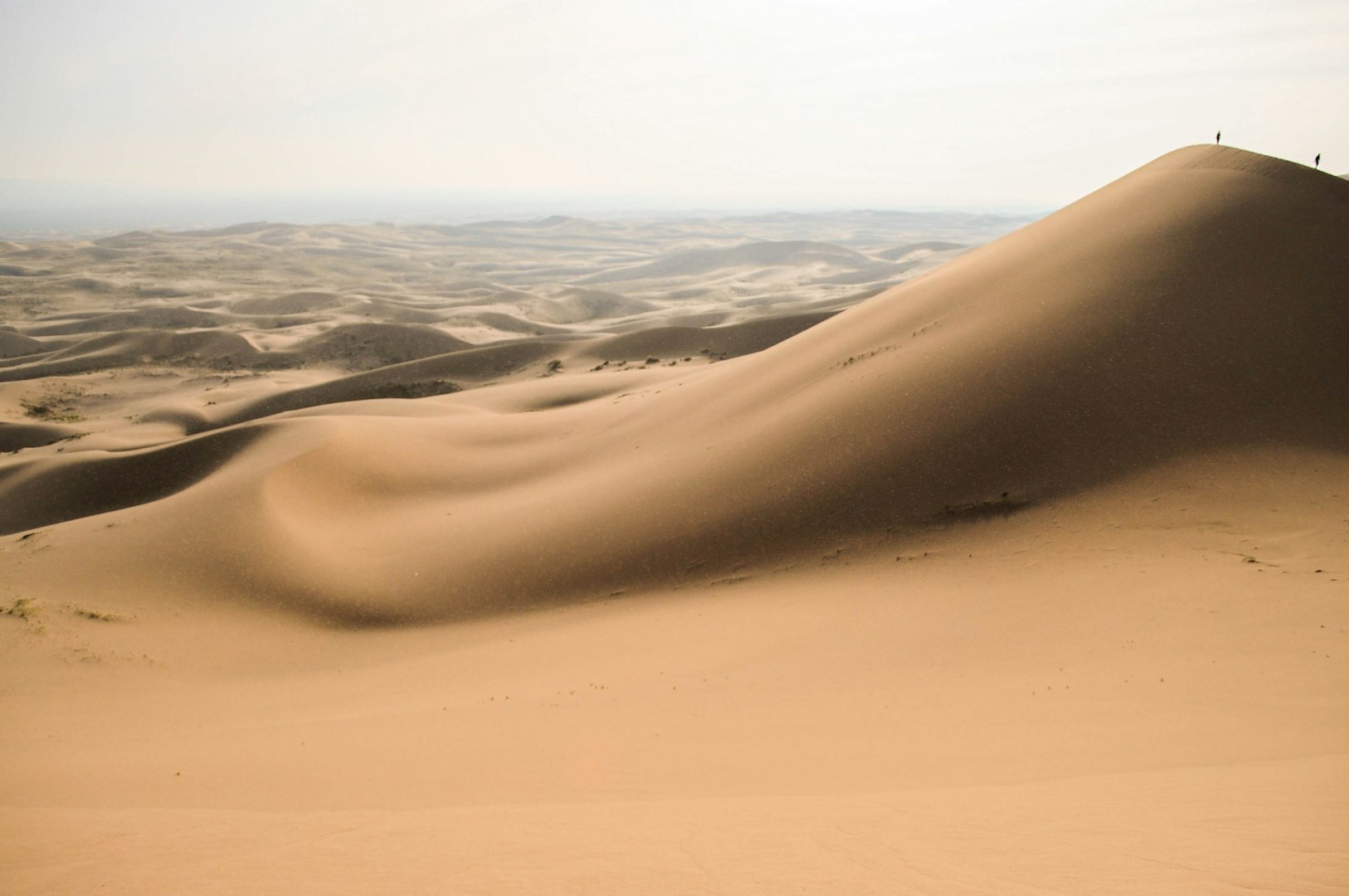
Khongoriin Els
Khongoriin Els is one of the largest sand dune systems in Mongolia's Gobi Desert, located within Gobi Gurvansaikhan National Park in Ömnögovi Province. The dunes extend across a broad desert landscape between rocky mountains and dry plains, with some ridges rising more than 200 meters above the surrounding ground. Wind continually reshapes the sand, creating long lines and shifting slopes across the desert.

Key West
Beaches, margaritas and relaxed vibes are all part of visiting the island city of Key West, where summer never ends.

Etosha National Park
Etosha National Park, located in northern Namibia, is one of Africa’s most renowned wildlife destinations. Covering nearly 8,500 square miles, it is centered around the Etosha Pan, a massive salt flat that can be seen from space. During the dry season, animals gather around waterholes, creating spectacular wildlife viewing opportunities that attract visitors from around the world.
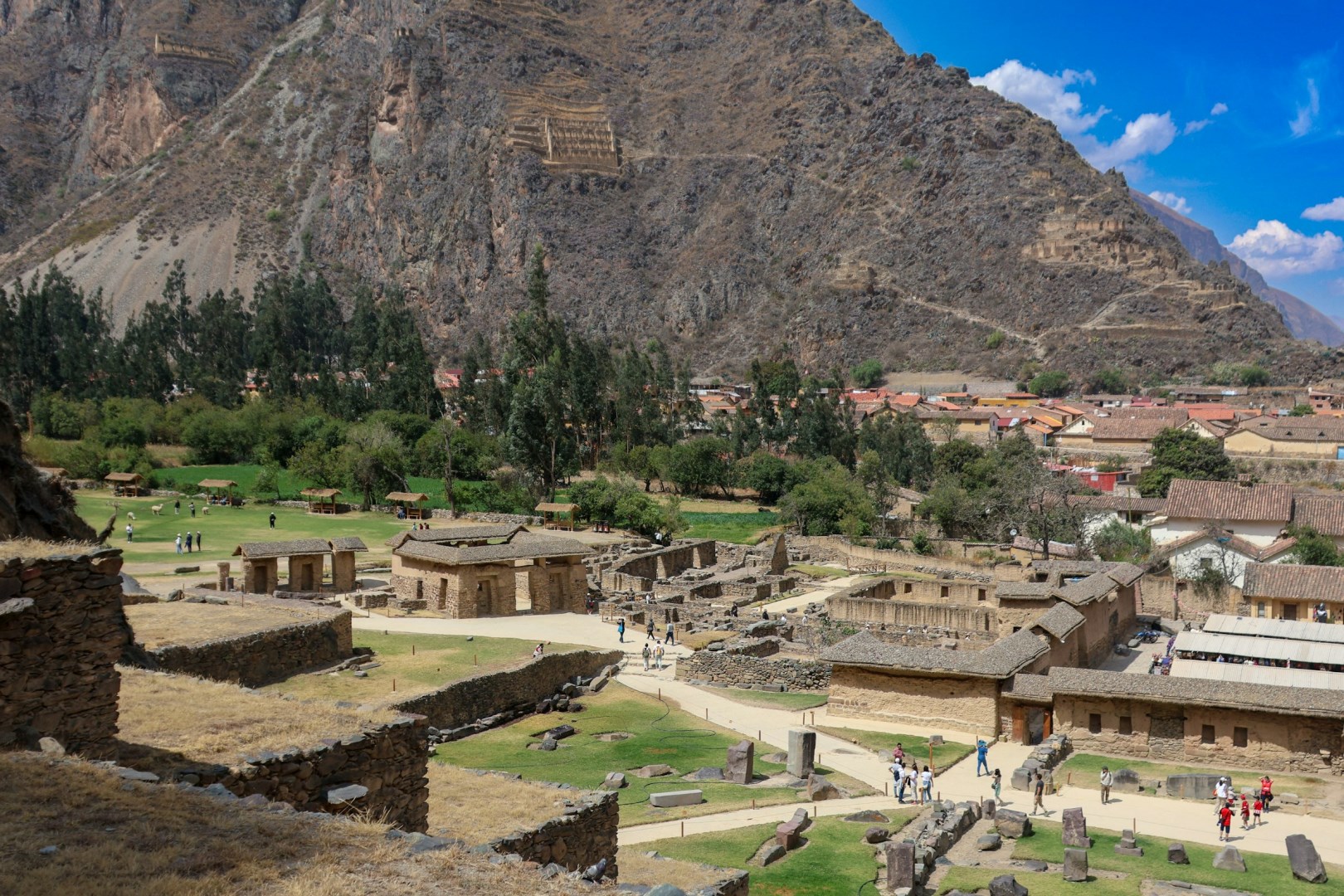
Ollantaytambo
Most commonly reached via travel from Cusco, Ollantaytambo is an Incan archaeological site in the Sacred Valley of southern Peru. The town dates from the late 15th century and is home to some of the oldest continuously-occupied dwellings in South America.


