
Ulm, Germany, a picturesque city on the banks of the Danube River, offers a rich tapestry of history and modern charm. Dominating its skyline is the Ulm Minster, home to the tallest church steeple in the world at 161.5 meters (530 feet). This Gothic masterpiece invites visitors to climb its 768 steps for a breathtaking panoramic view of the city and the surrounding countryside.
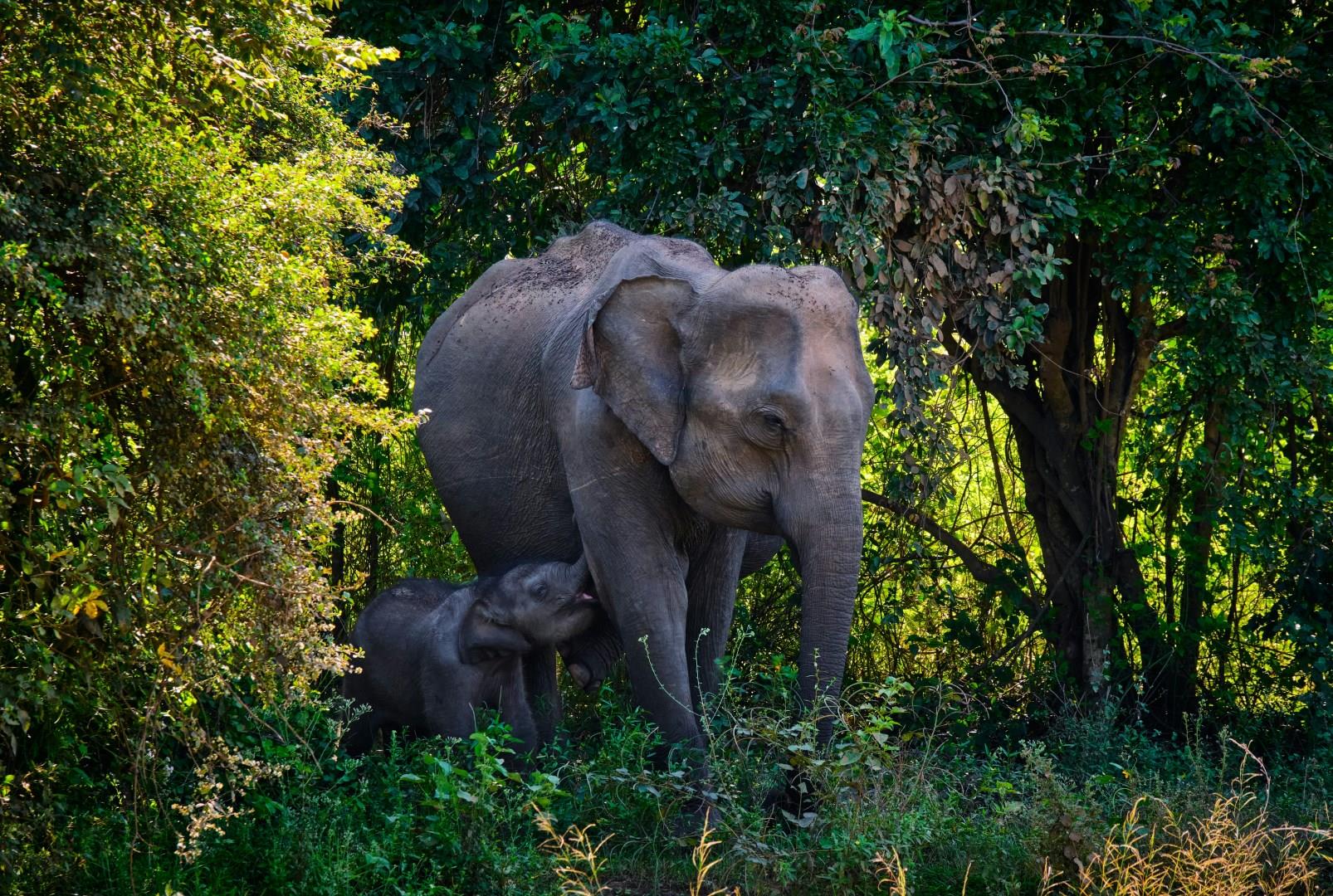
Udawalawe National Park, located in southern Sri Lanka, is one of the country’s best places to see wild elephants in their natural environment. Established in 1972, the park protects an important watershed area around the Udawalawe Reservoir and provides a sanctuary for hundreds of elephants, which can often be seen roaming in herds across the open grasslands.
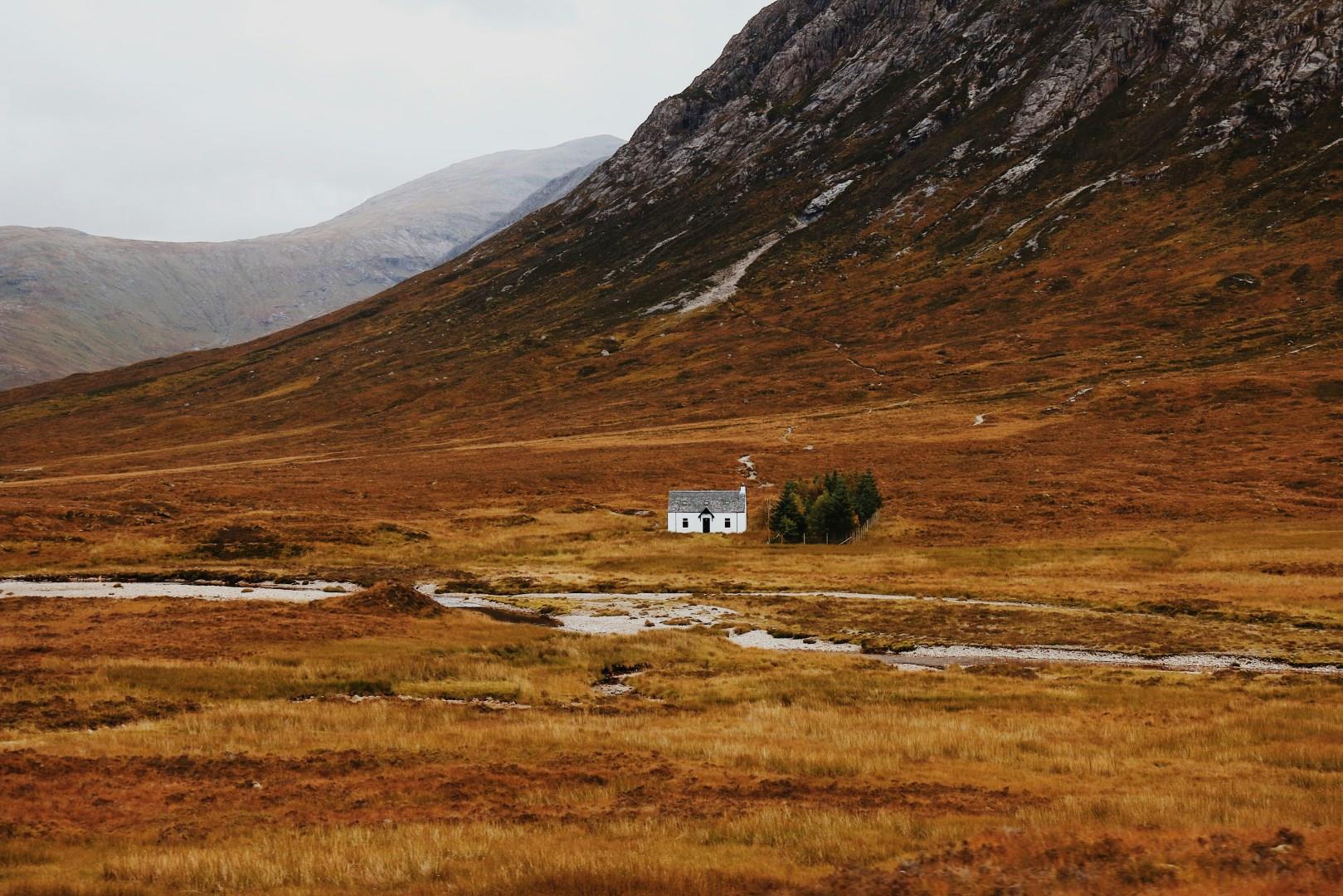
Glencoe lies in the western Highlands of Scotland, where a long, steep-sided valley cuts through mountains shaped by ancient volcanic activity and glaciation.
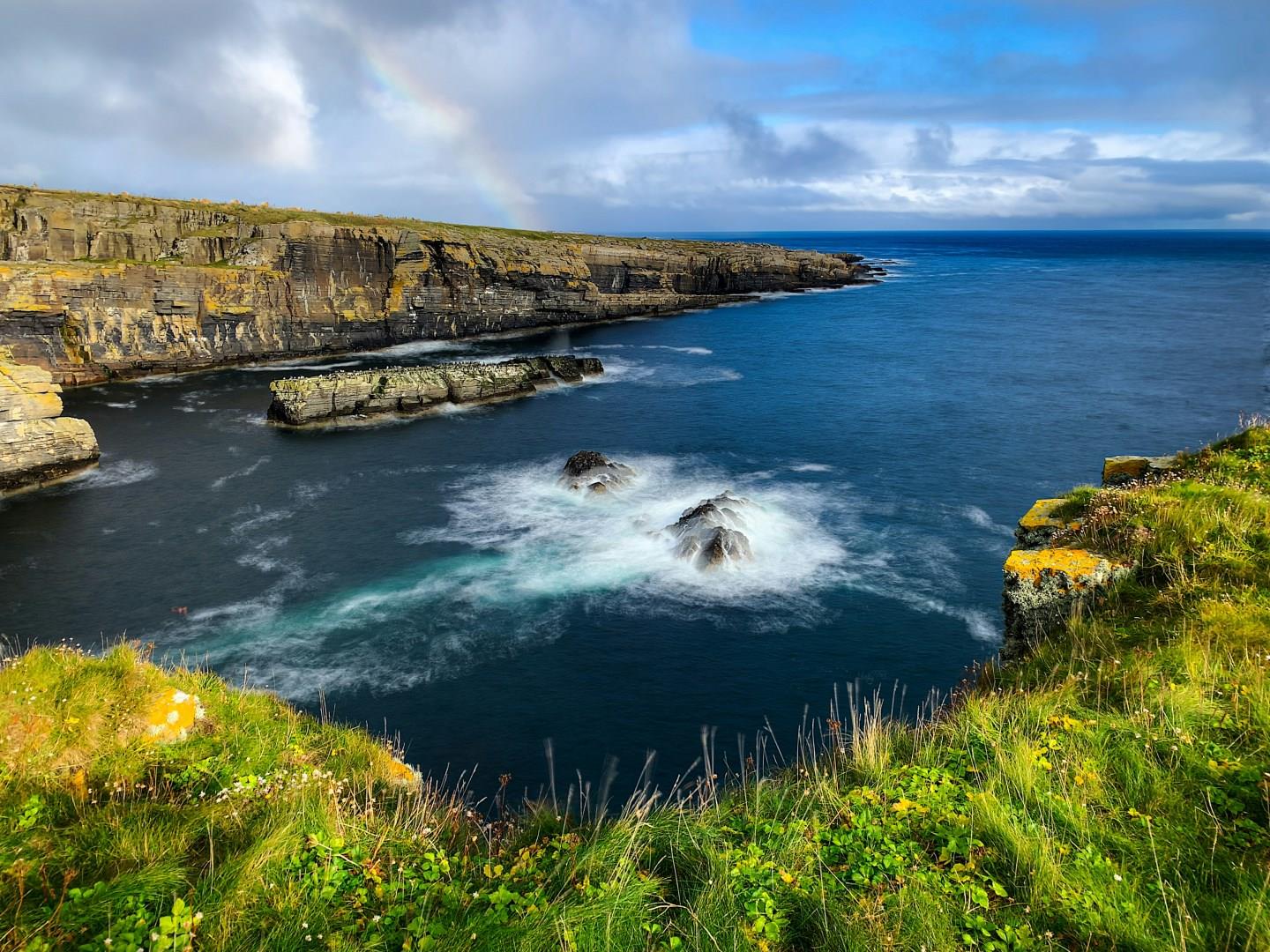
Wick’s location at the mouth of the River Wick provides a dramatic coastal setting, with cliffs, sandy beaches, and the North Sea stretching into the horizon.

Kaohsiung sits on Taiwan’s southern coast and rises from one of the island’s busiest harbors into a city that rewards slow exploration and lively discovery. History and local belief surface at the Dragon and Tiger Pagodas beside Lotus Pond in Zuoying District. These twin pagodas that are connected to the shore by a zigzag bridge, invite visitors to walk through the dragon’s mouth and out the tiger’s, a practice locals associate with turning bad luck into good fortune.
The Iron Gates, a dramatic gorge along the Danube River, is a spectacular natural wonder straddling the border between Romania and Serbia. This striking geological formation carves its way through the Carpathian Mountains, creating breathtaking views that captivate all who visit. The Iron Gates area is renowned for its scenic beauty and historical significance, with the Iron Gates Natural Park encompassing lush forests, rugged cliffs, and diverse wildlife.
One of the most intriguing features of the Iron Gates is the Trajan's Bridge, an ancient Roman structure that once spanned the Danube and facilitated the expansion of the Roman Empire into the region. The remains of this monumental bridge, built under Emperor Trajan in the early 2nd century AD, can still be seen and offer a glimpse into the region's rich historical tapestry.
The area is also famous for the Cave of the Szábo, a remarkable natural formation that boasts impressive stalactites and stalagmites. Adventure seekers can explore the cave's intricate passageways, while the nearby Eșelnița Monastery provides a tranquil setting for reflection amid the stunning natural landscape.
Fun Fact: The Iron Gates is home to the world's largest dam project on the Danube, known as the Iron Gates I Hydro-Electric Power Station, which provides power and manages river flow while creating a reservoir that enhances the region's natural beauty.
For an unforgettable experience, visit the Iron Gates during the spring or autumn when the weather is mild, and the landscape is either blooming or ablaze with fall colors. This timing also offers the advantage of fewer crowds, allowing for a more serene exploration of this magnificent area.