Valladolid is the name of both a province and the city that is its capital. It is the current capital of Castilla y León and the largest city in the region. It is famous for its beautiful gardens and the solemnity and grace of its Holy Week celebrations. The people of Valladolid claim to speak "the pure Spanish."
Cincinnati is one city that just can't sit still. Every year it's something new. An elegant downtown shopping mall, another floating restaurant, more mind bending amusement park rides, tougher championship golf courses, breathtaking new art exhibits. Experience Major Leaque excitement: The Reds and Bengals; powerhouse college hoops, hockey, throughbred racing, rowing, running, and tennis events offer year-round action. In the 1840's Cincinnati was heralded as the Paris of the new world.
Togo, a narrow country in West Africa, stretches from the Gulf of Guinea in the south to savanna landscapes in the north. Its diverse cultures and languages, combined with vibrant music and dance traditions, create a lively and colorful atmosphere throughout the country.
Chuuk, one of the four states of the Federated States of Micronesia, is best known for its vast lagoon which is one of the largest enclosed lagoons in the world. But what sets Chuuk apart is what lies beneath those calm blue waters: an entire underwater fleet of sunken warships, aircraft, and submarines left from World War II. Often called the "Ghost Fleet of Truk Lagoon," these wrecks make Chuuk a global destination for experienced divers.
Saskatoon, set along the South Saskatchewan River in central Canada, is a city where prairie heritage meets a growing cultural scene. Known as the “City of Bridges” for the many spans that cross its winding river, Saskatoon combines natural charm with urban vibrancy.
Salvador da Bahia, often simply called Salvador, is a city where the soul of Brazil truly shines. As the capital of the state of Bahia and one of the oldest colonial cities in the Americas, Salvador offers a rich tapestry of Afro-Brazilian culture, vibrant music, and historic architecture. The city’s Pelourinho district, a UNESCO World Heritage site, is a must-visit, with its cobblestone streets, colorful colonial buildings, and churches adorned with gold leaf. This area was once the center of the city’s slave trade, and today it stands as a powerful testament to Salvador’s complex and resilient history.
Salvador is also known for its electrifying Carnival, considered one of the largest and most exuberant in the world. Unlike Rio de Janeiro’s samba-focused festivities, Salvador’s Carnival pulses to the rhythms of Axé and Samba-Reggae. The celebration spills out onto the streets, where millions of people dance alongside trio elétrico trucks, creating an atmosphere that is both immersive and infectious. Experiencing Carnival in Salvador is to witness and partake in one of the most authentic expressions of Brazilian culture and joy.
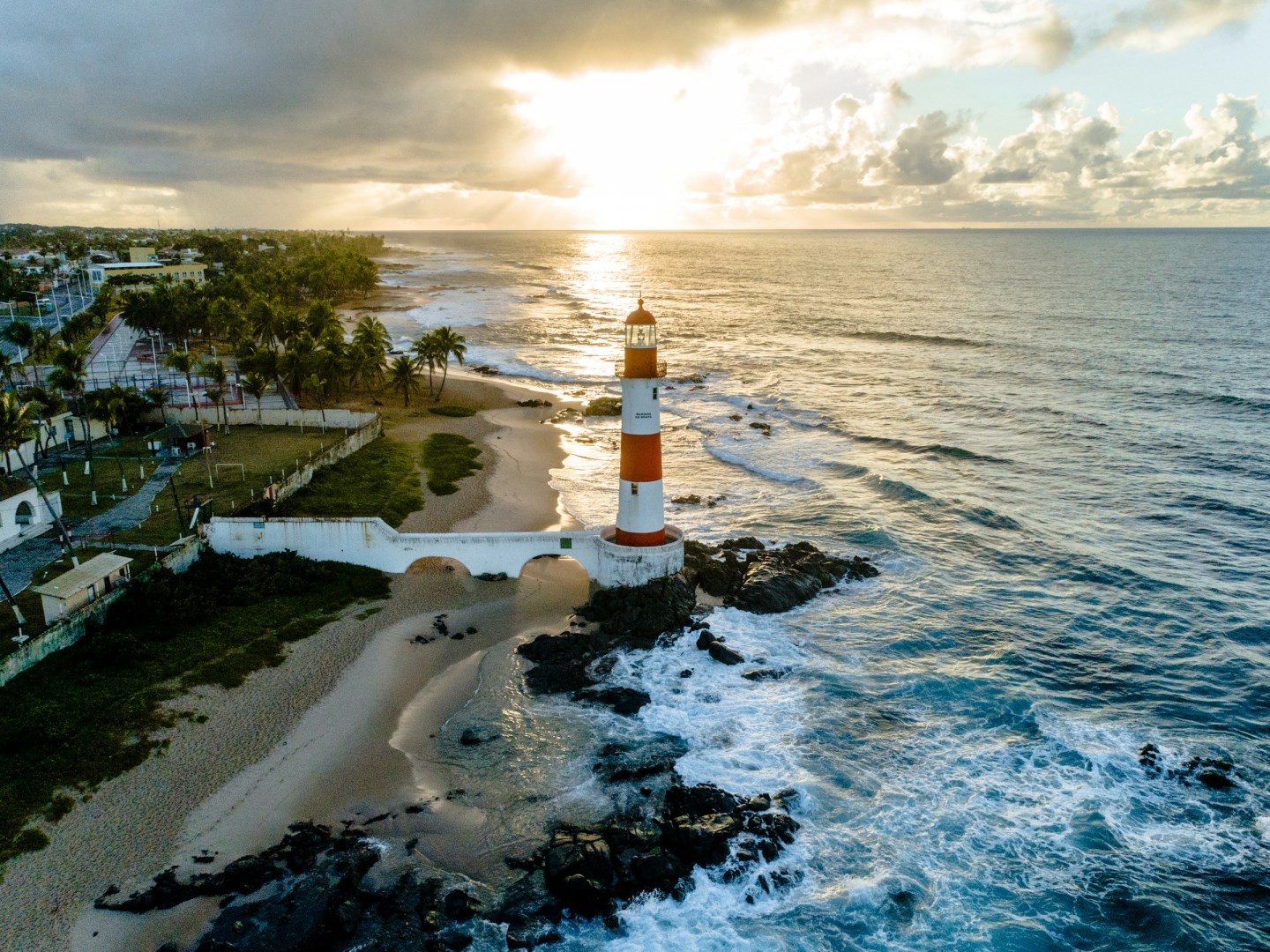
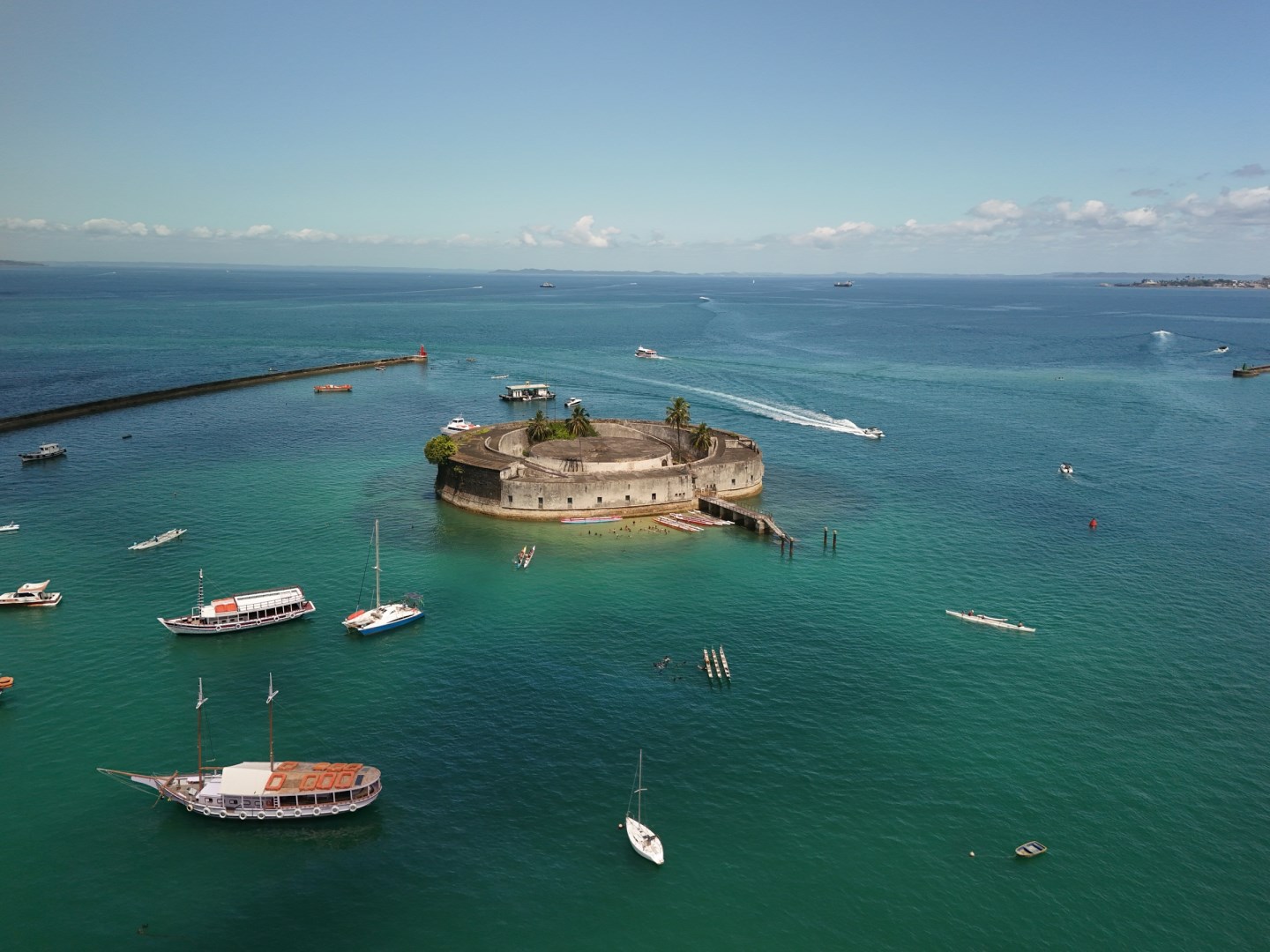
For those seeking relaxation and natural beauty, Salvador’s coastline offers a stunning array of beaches. Porto da Barra Beach, one of the city’s most popular, is perfect for swimming, sunbathing, and watching the sunset over the Bay of All Saints. A short ferry ride from the city takes you to the island of Itaparica, where you can enjoy crystal-clear waters and a more tranquil setting. The blend of urban energy and serene seaside escapes makes Salvador an ideal destination for travelers looking to experience the best of both worlds.