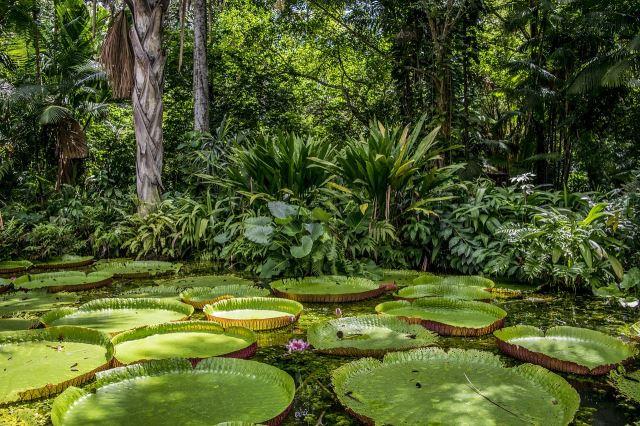
Manaus, capital of Brazil’s Amazonas state, is a city that rises unexpectedly from the rainforest. Once the center of the global rubber boom in the late 1800s, Manaus still holds onto that legacy with surprising elegance. The Teatro Amazonas, an opulent opera house imported piece by piece from Europe, sits at the heart of the city, its pink façade and domed roof tiled in the colors of the Brazilian flag. Today, it hosts concerts, festivals, and curious visitors eager to step back in time.
Oaxaca, nestled in the heart of southern Mexico, is a city where ancient traditions and vibrant culture thrive. Renowned for its rich history and indigenous heritage, Oaxaca offers a unique blend of pre-Columbian, colonial, and modern influences. The city's historic center, a UNESCO World Heritage site, is a testament to its past, featuring stunning colonial architecture such as the Santo Domingo de Guzmán Church, a masterpiece of Baroque art.
A family vacation favorite with glorious weather year-round. There are 102 city parks on 2400 acres, five beaches, eight public swimming pools, 2 municipal golf courses, plenty of tennis courts, fine shops, museums and restaurants to explore and enjoy in St. Petersburg.
Wales is a country where centuries-old castles rise above green valleys and coastlines are marked by rugged cliffs and quiet coves. Its capital, Cardiff, combines modern architecture with historical landmarks like Cardiff Castle, which has Roman origins and a Victorian Gothic interior. Just outside the city, St Fagans National Museum of History offers a walk-through experience of Welsh life over the past 500 years, with original buildings relocated from across the country.
North of Cancun, the island was first discovered by the Spanish in the 1500's. It has numerous Mayan ruins, many badly eroded. It is also a sanctuary for sea turtles.
Salvador da Bahia, often simply called Salvador, is a city where the soul of Brazil truly shines. As the capital of the state of Bahia and one of the oldest colonial cities in the Americas, Salvador offers a rich tapestry of Afro-Brazilian culture, vibrant music, and historic architecture. The city’s Pelourinho district, a UNESCO World Heritage site, is a must-visit, with its cobblestone streets, colorful colonial buildings, and churches adorned with gold leaf. This area was once the center of the city’s slave trade, and today it stands as a powerful testament to Salvador’s complex and resilient history.
Salvador is also known for its electrifying Carnival, considered one of the largest and most exuberant in the world. Unlike Rio de Janeiro’s samba-focused festivities, Salvador’s Carnival pulses to the rhythms of Axé and Samba-Reggae. The celebration spills out onto the streets, where millions of people dance alongside trio elétrico trucks, creating an atmosphere that is both immersive and infectious. Experiencing Carnival in Salvador is to witness and partake in one of the most authentic expressions of Brazilian culture and joy.
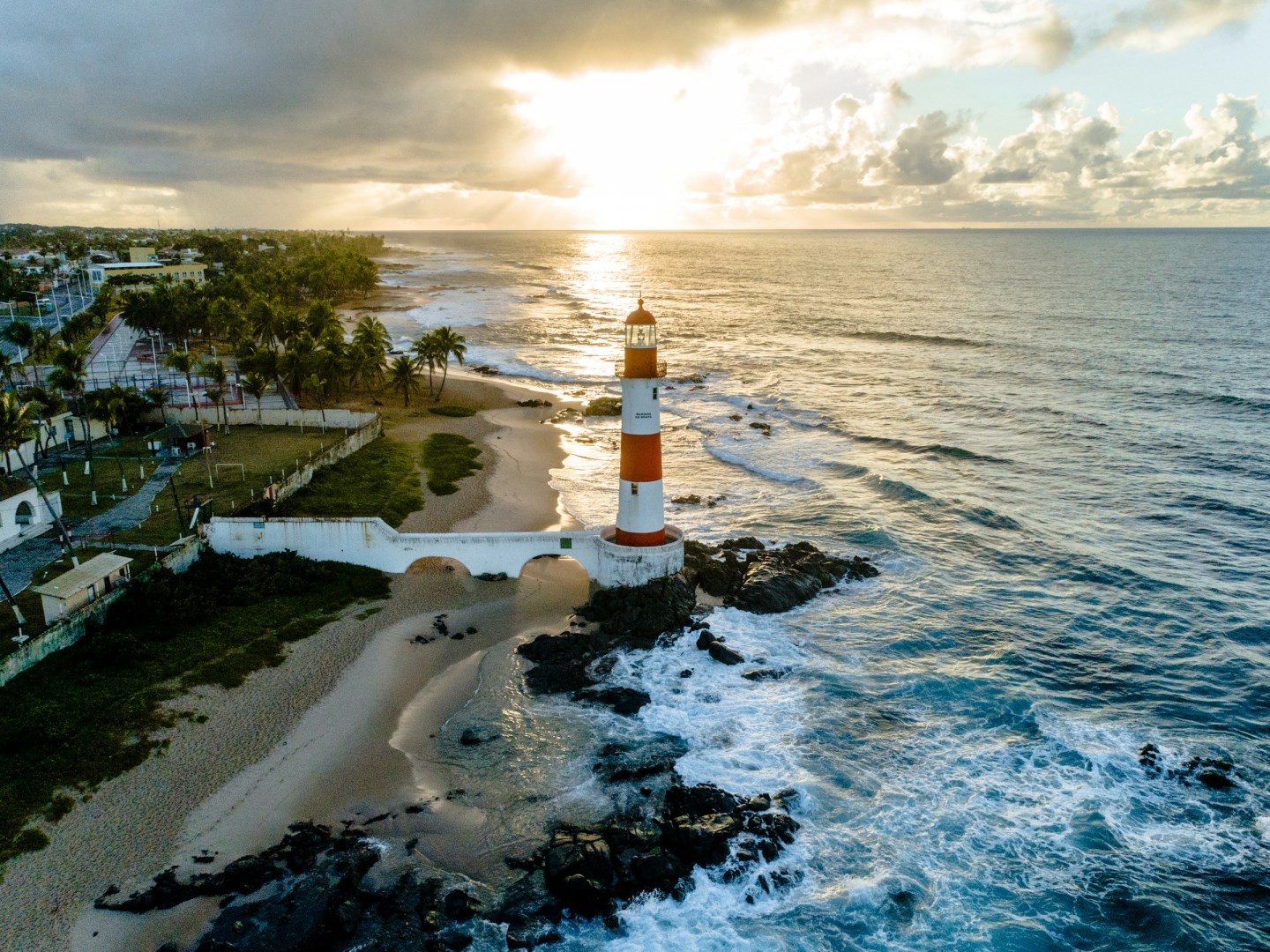
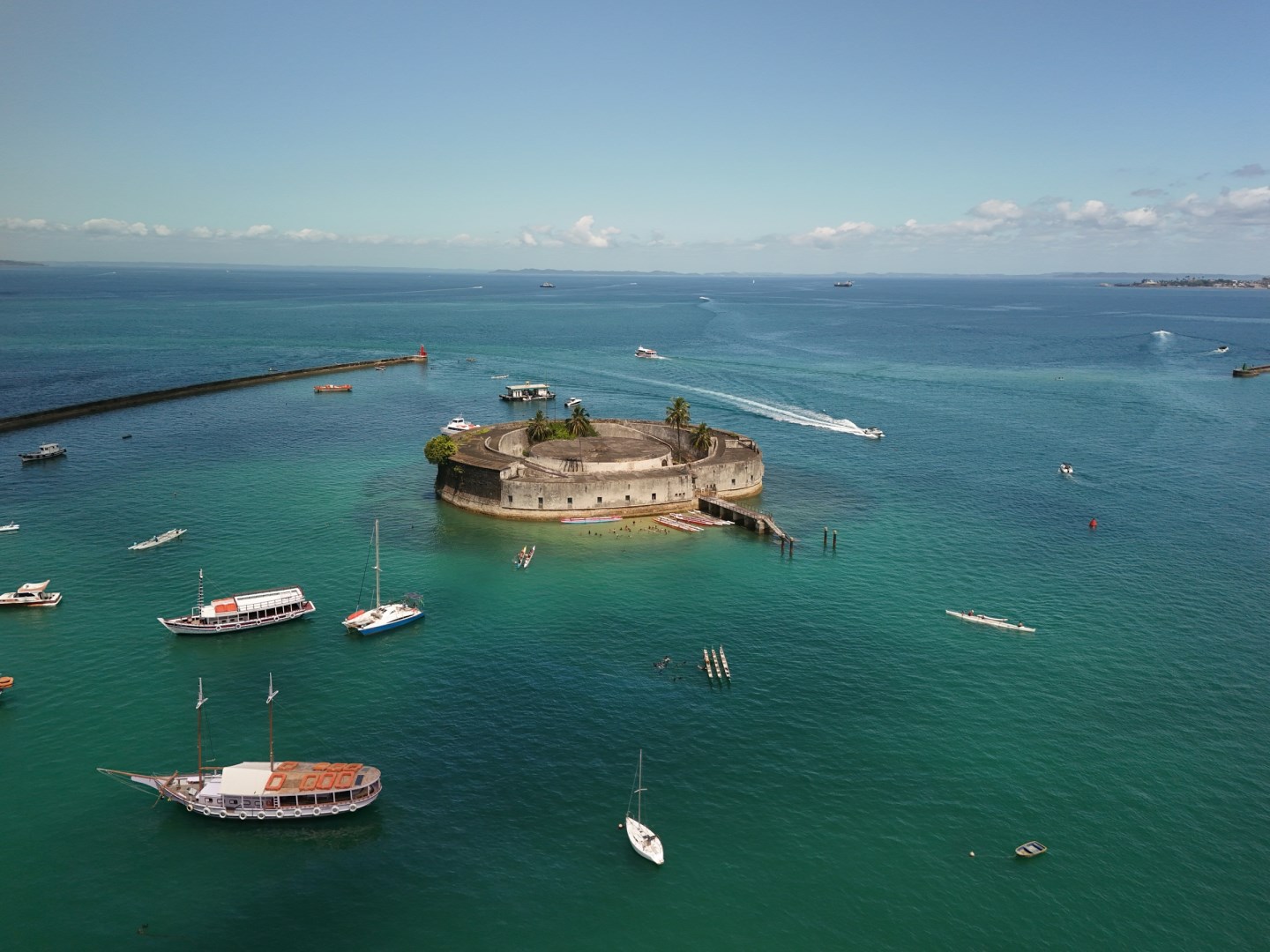
For those seeking relaxation and natural beauty, Salvador’s coastline offers a stunning array of beaches. Porto da Barra Beach, one of the city’s most popular, is perfect for swimming, sunbathing, and watching the sunset over the Bay of All Saints. A short ferry ride from the city takes you to the island of Itaparica, where you can enjoy crystal-clear waters and a more tranquil setting. The blend of urban energy and serene seaside escapes makes Salvador an ideal destination for travelers looking to experience the best of both worlds.