Westport
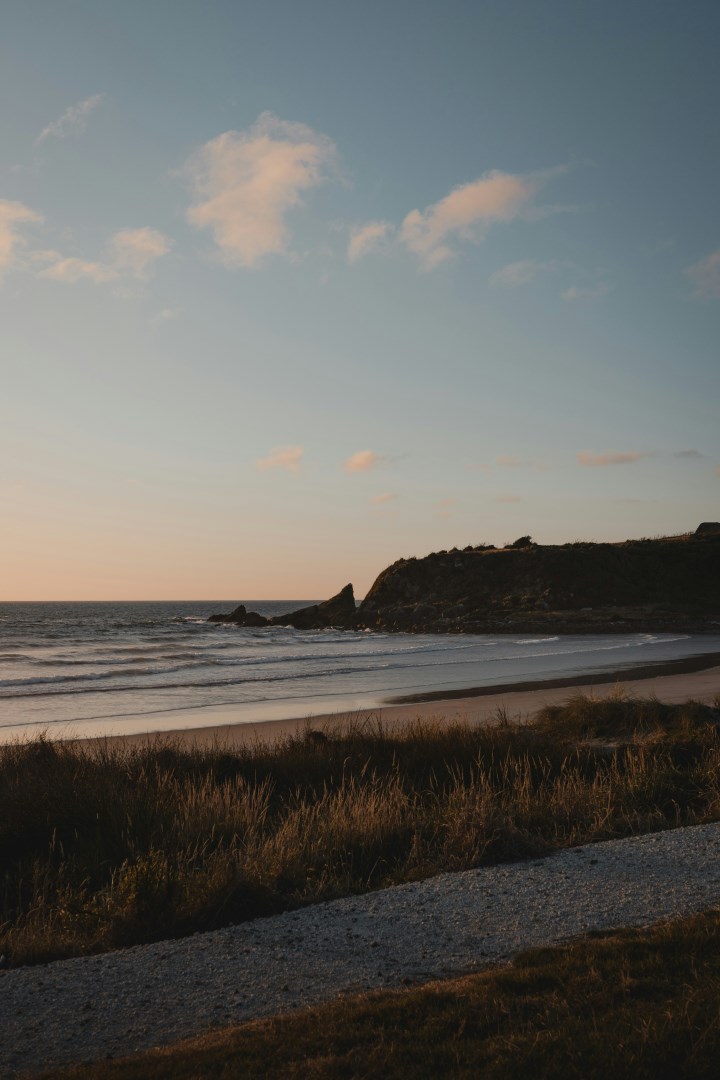
Westport is a coastal town on the northwest side of New Zealand’s South Island, located near the mouth of the Buller River. The town serves as one of the main settlements of the Buller District and has long been connected to coal mining, fishing, and river trade.

Las Vegas
Las Vegas, Nevada, is an electrifying city where glitz and glamour meet entertainment and excitement. Known as "The Entertainment Capital of the World," Las Vegas offers an unparalleled array of attractions, from its iconic casinos and luxurious hotels to its world-class dining and live shows. The city's entertainment scene is second to none, featuring legendary headliners, cutting-edge performances, and an array of themed attractions.
Yoho National Park
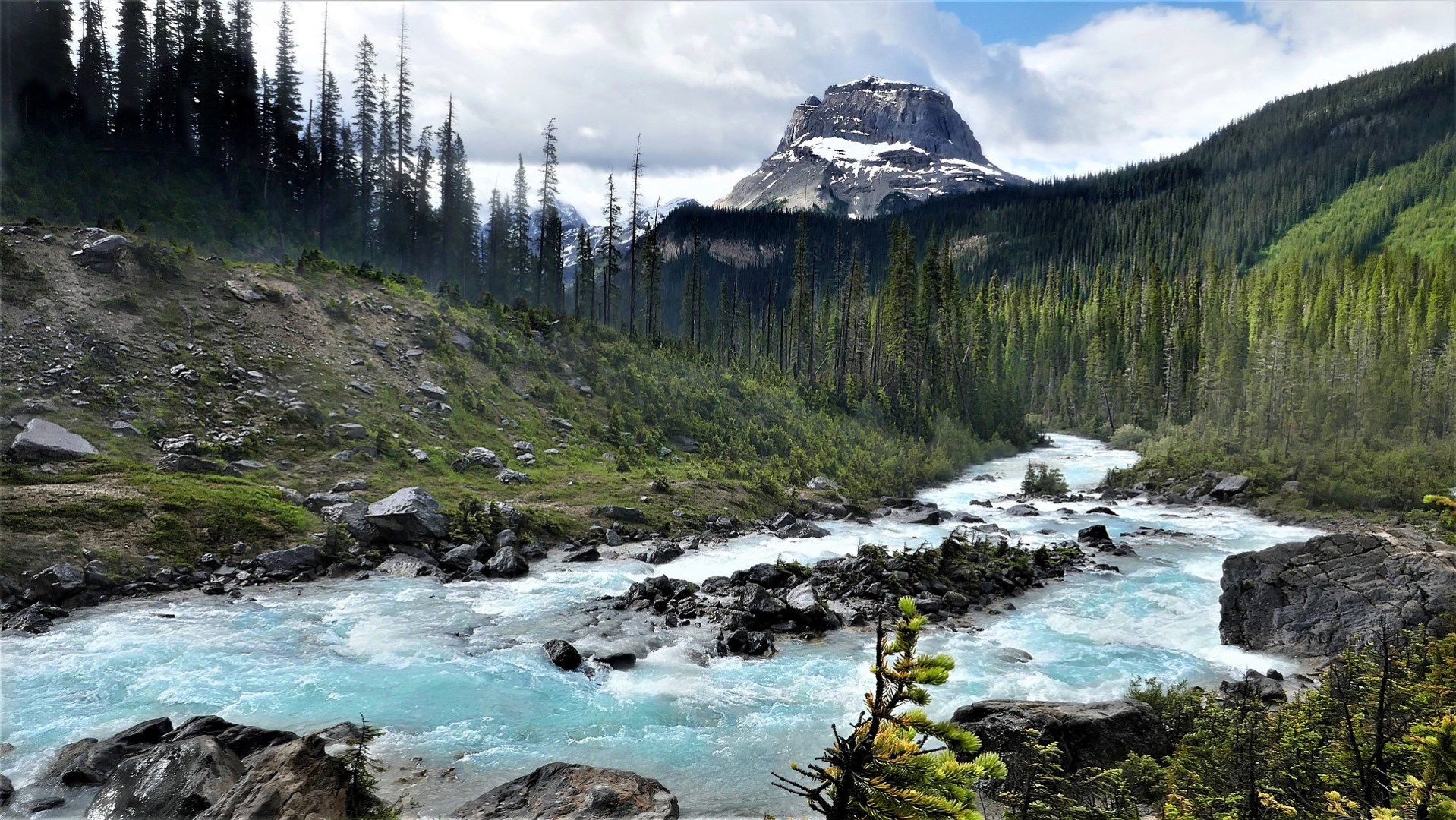
Yoho National Park lies on the western slopes of the Canadian Rockies in southeastern British Columbia, where the Continental Divide forms its eastern boundary. The park protects rugged mountain terrain, glaciers, alpine meadows, deep valleys, and fast-flowing rivers across more than 1,300 square kilometres. Its name comes from a Cree expression of amazement, reflecting the dramatic character of the landscape.
Cambridge
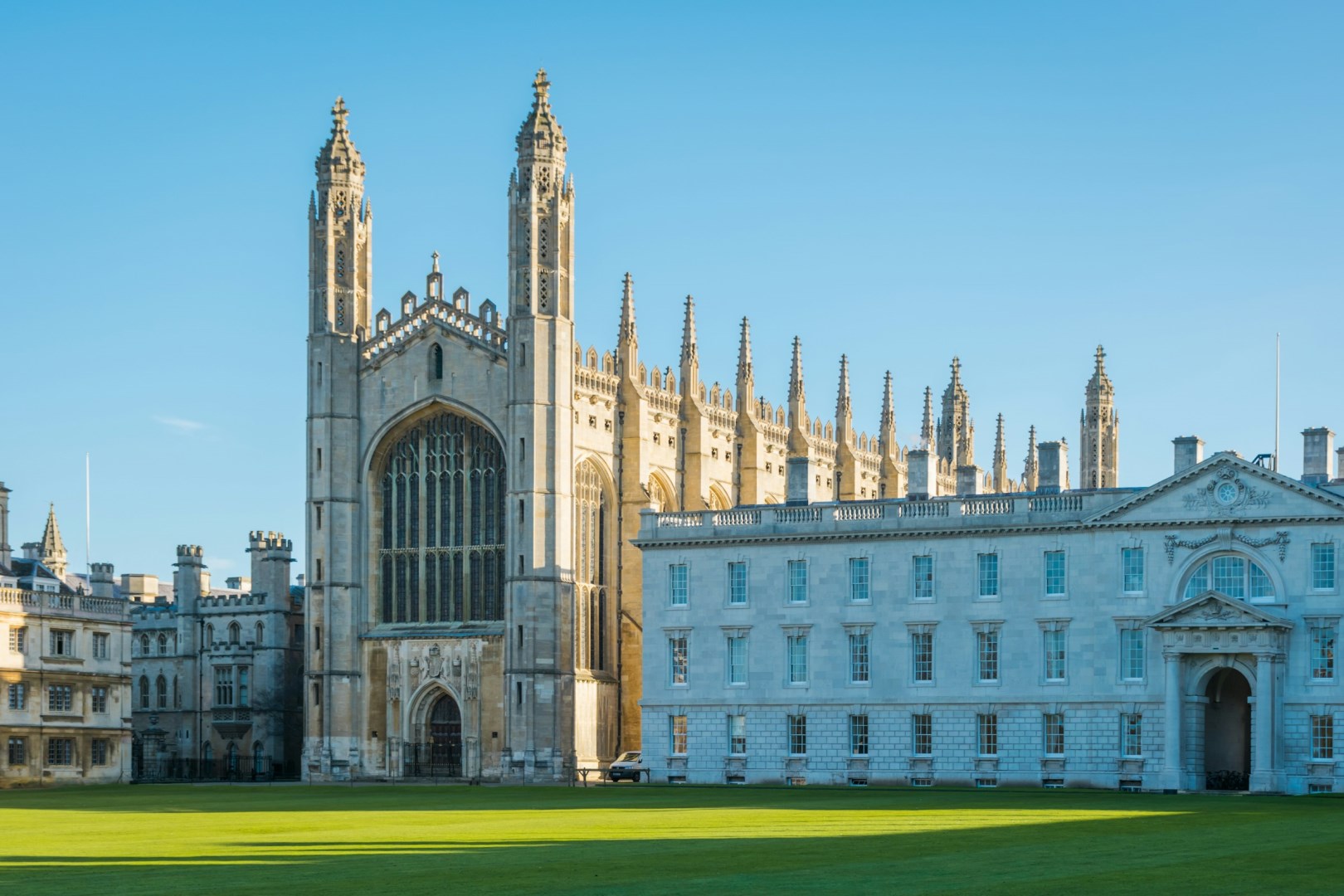
Cambridge, located in eastern England along the River Cam, is world-renowned for its prestigious university, historic architecture, and vibrant cultural scene. The city’s cobbled streets, centuries-old colleges, and medieval churches reflect a rich academic and architectural heritage, making it one of the most iconic university towns in the world.

Kanazawa
Kanazawa, Japan, is a captivating city that offers a unique blend of historical charm and cultural richness. Known for its well-preserved Edo-period districts, Kanazawa is a treasure trove of traditional Japanese experiences.