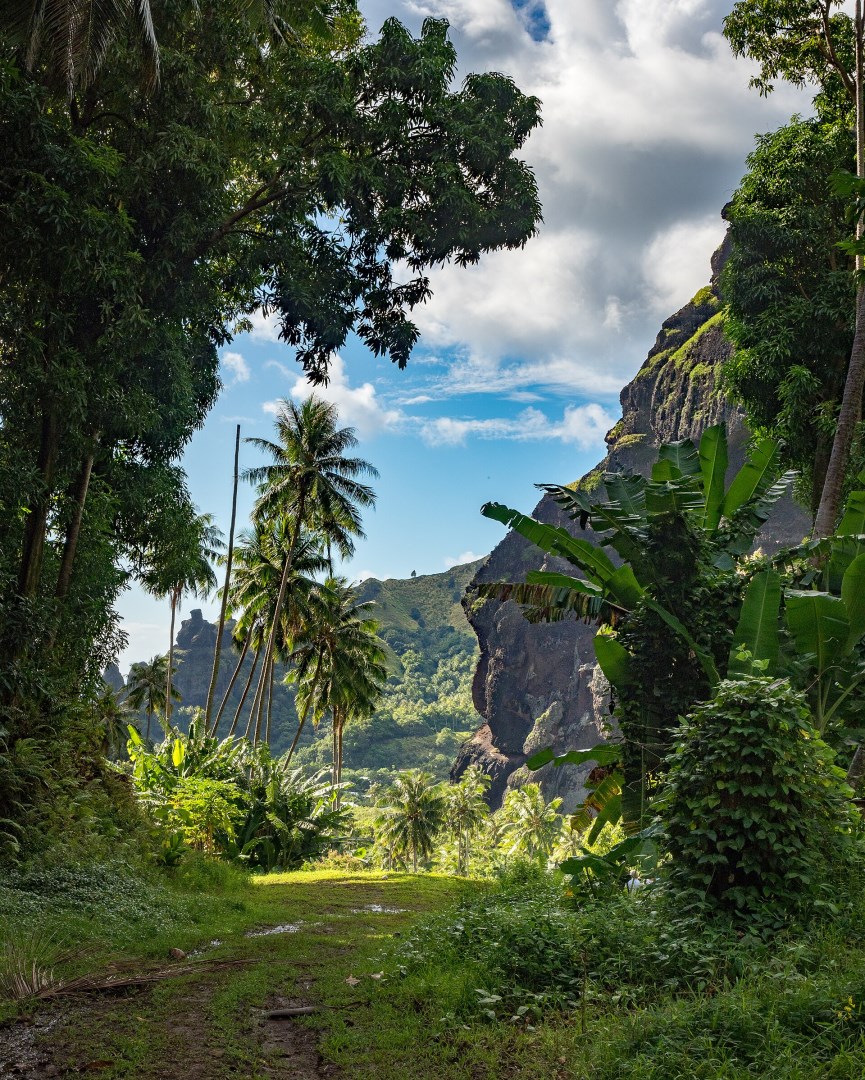
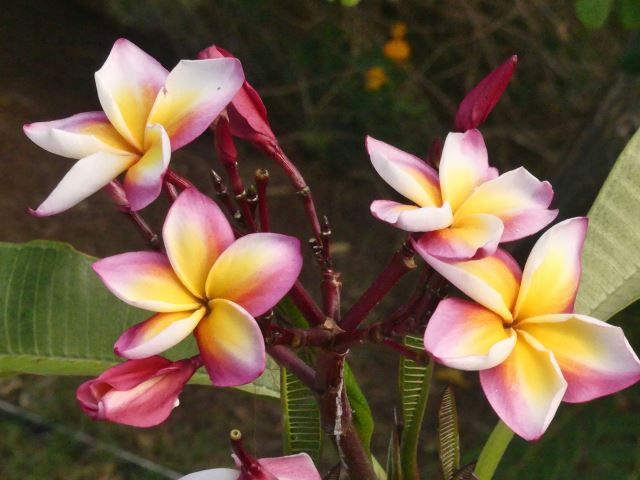
Antigua and Barbuda are located in the middle of the Leeward Islands in the Eastern Caribbean. Antigua, the largest of the British Leeward Islands, is about 14 miles long and 11 miles wide, encompassing 108 square miles. Barbuda, a flat coral island with an area of only 68 square miles, lies approximately 30 miles to the north. The population is approximately 68,000 and its capital is St. John's on Antigua.
Gaze in awe at the majestic beauty of Icelandic fjords in Isafjordur, a small and remote fishing village on the coast of Iceland. Once a hub for maritime activities, Isafjordur is now a cultural center and offers a variety of museums to immerse you in the culture and history of the region.
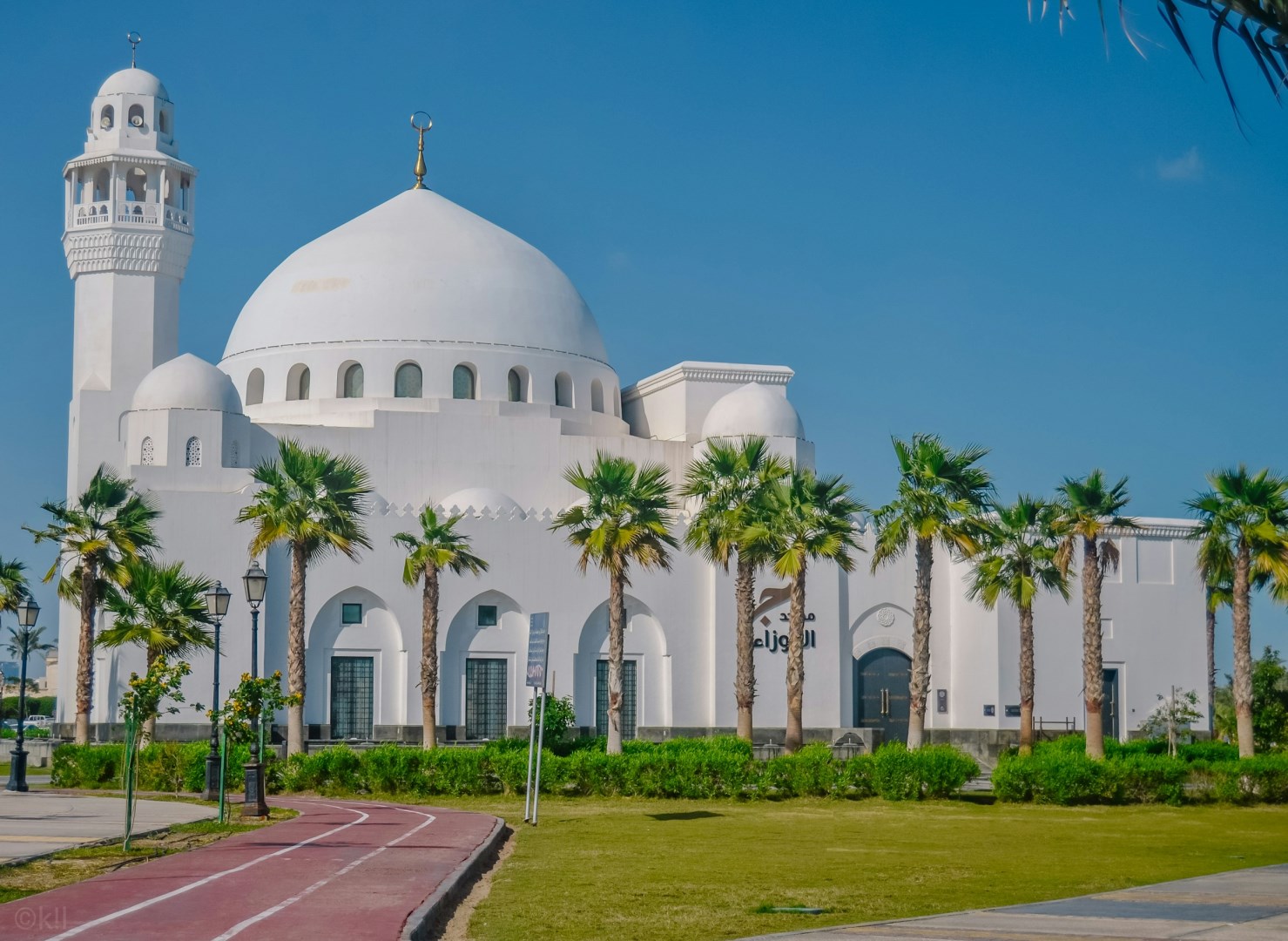
Dammam, the capital of Saudi Arabia’s Eastern Province, stands as a vibrant coastal city overlooking the tranquil waters of the Arabian Gulf. Once a modest fishing village, it has transformed into a major commercial and industrial hub, central to the Kingdom’s oil industry and maritime trade.
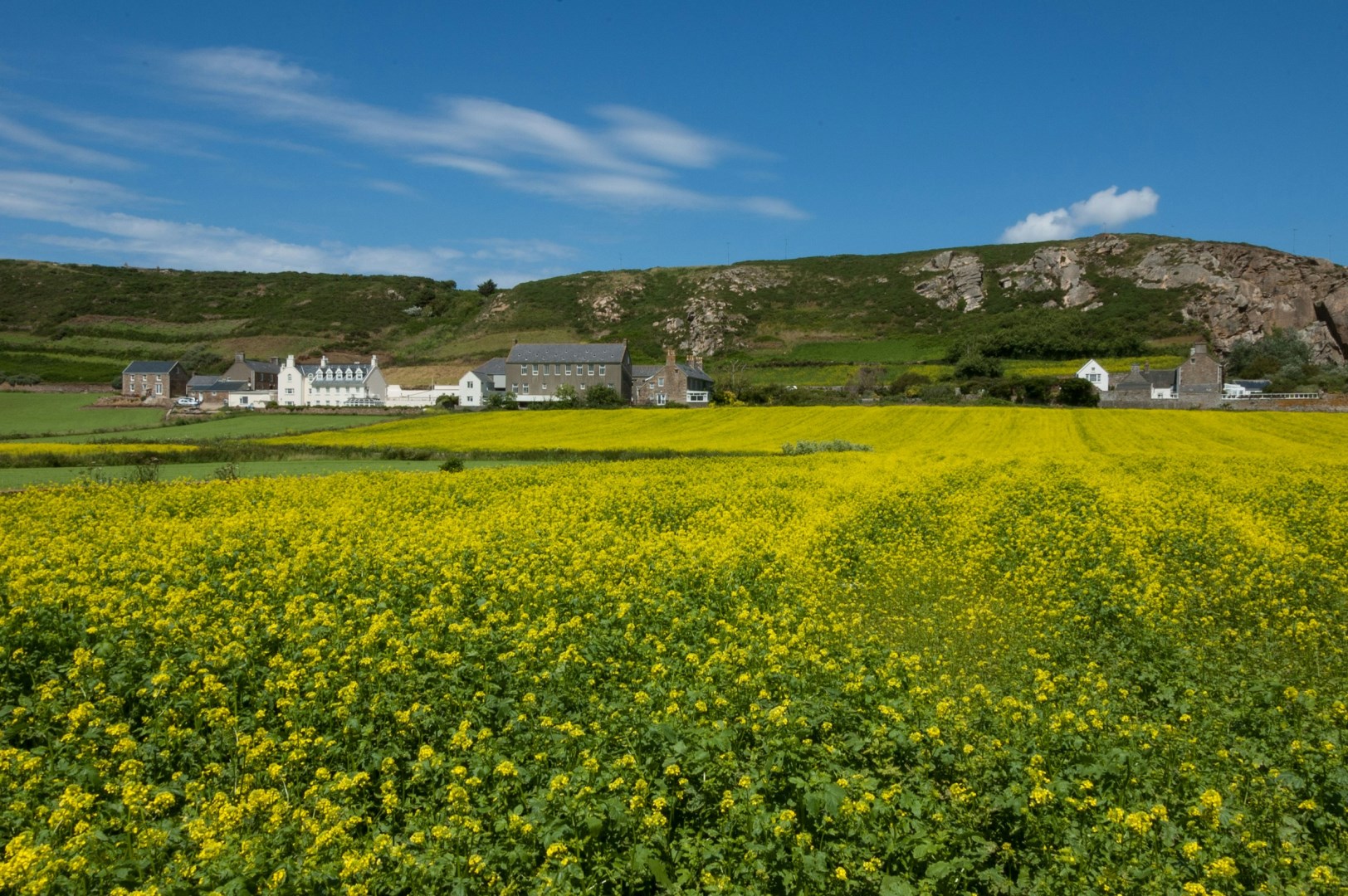
St Ouen is a rural parish on the northwestern side of Jersey, occupying much of the island’s largest bay and a broad area of open countryside. Its landscape is defined by long beaches, dunes, heathland, fields, and a rugged Atlantic coastline. St Ouen’s Bay stretches for about eight kilometres and is closely associated with Jersey’s surfing tradition, while the parish’s inland lanes lead through farmland and small settlements.
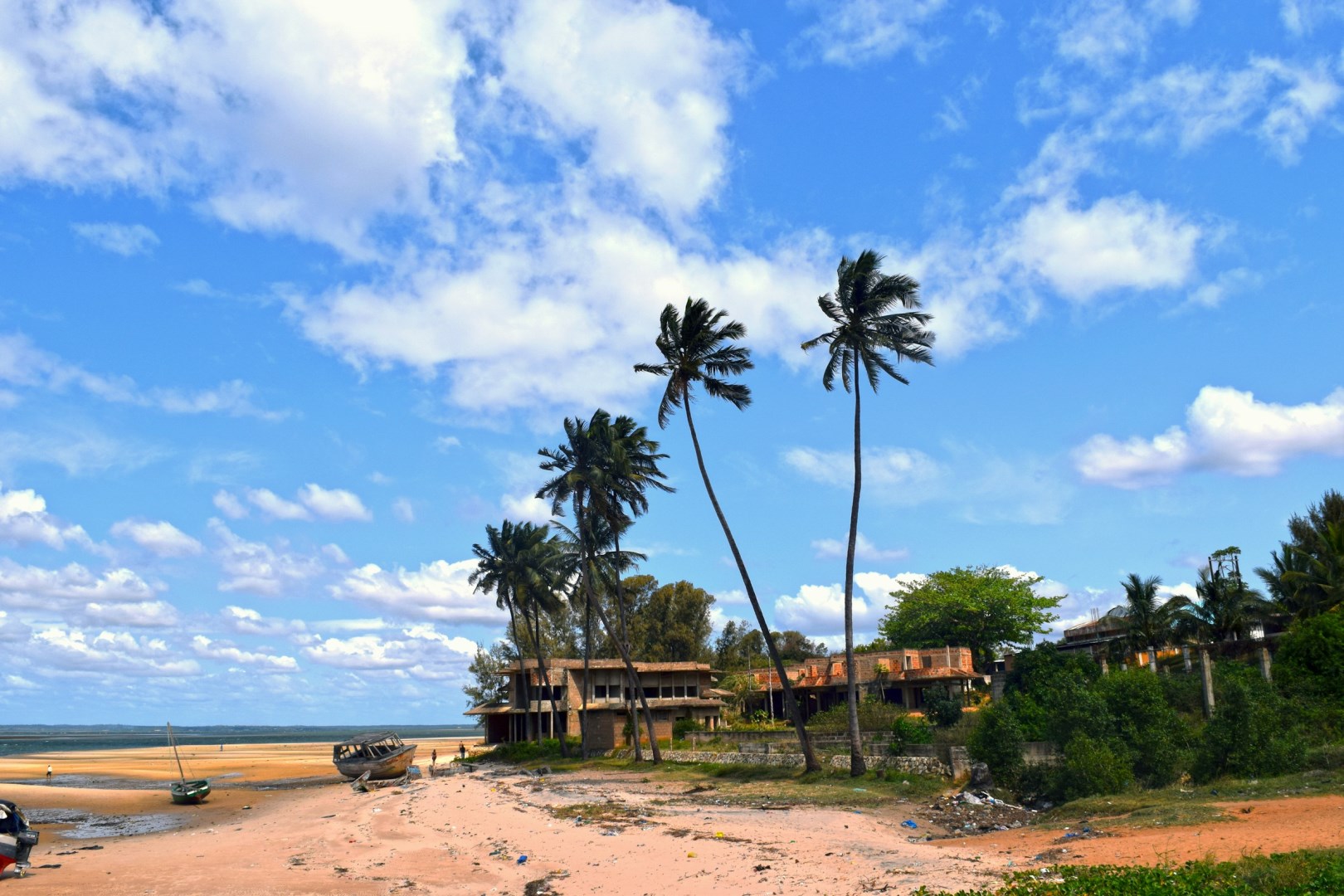
Fatu Hiva, the southernmost of the Marquesas Islands, is a destination that feels like stepping back in time to a world untouched by modernity. This remote island is known for its breathtaking landscapes, where lush, verdant mountains rise dramatically from the deep blue sea. The iconic Bay of Virgins (Baie des Vierges) is one of the most stunning anchorages in the world, with towering rock spires that give the bay its ethereal beauty. Visitors to Fatu Hiva can explore this awe-inspiring bay by boat or on foot, discovering hidden waterfalls and secluded beaches along the way.
The island’s small village of Omoa offers a glimpse into traditional Marquesan life, with its charming thatched-roof houses and warm, welcoming locals. Artisans in Omoa are skilled in crafting tapa, a traditional cloth made from the bark of mulberry trees, often adorned with intricate designs that reflect the island's rich cultural heritage. Travelers can visit local workshops to observe the making of these unique pieces and perhaps take home a one-of-a-kind souvenir.
Adventure enthusiasts will be captivated by the hiking opportunities on Fatu Hiva. The island’s rugged terrain is crisscrossed with trails that lead to panoramic viewpoints, dense forests, and ancient archaeological sites. One of the most popular hikes is the trail from Omoa to Hanavave, which passes through lush valleys, towering cliffs, and offers spectacular views of the island’s coastline. This hike is not only a physical challenge but also a journey through the island’s past, as many trails were once used by the Marquesans for trade and communication.
Fun fact: Fatu Hiva is famous for being the starting point of Thor Heyerdahl's 1937 expedition that led to his bestselling book "Fatu-Hiva: Back to Nature". Heyerdahl and his wife attempted to live off the land in this remote paradise, drawing global attention to the island's pristine beauty and unique way of life.
Other Popular Destinations in Marquesas Islands
Nuva Hiva
Nuku Hiva, the largest island in the Marquesas archipelago, offers an unparalleled escape into Polynesian paradise. This rugged island is renowned for its dramatic landscapes, characterized by lush valleys, towering cliffs, and volcanic peaks.
Hiva Oa
Hiva Oa, one of the most enchanting islands in the Marquesas archipelago, is a destination where natural beauty and cultural richness converge. Known as the “Garden of the Marquesas,” Hiva Oa is a lush, verdant paradise, dotted with towering cliffs, deep valleys, and an endless array of tropical flora