Cozumel
A Caribbean island paradise, Cozumel lies a short distance from Mexico's Yucatán Peninsula. Visitors can enjoy a variety of activities, whether taking advantage of world-class snorkeling and scuba diving, swimming with dolphins, or lounging with a drink at one of the island's seaside resorts.

Kraków
Kraków lies in southern Poland along the Vistula River and serves as one of the country’s most recognized cultural centers. Its layout is shaped by a well-preserved historic core, with streets radiating from a large central square. The city retains a human scale, where daily life unfolds among historic buildings, universities, and markets. It stands apart for its continuity of urban life, where medieval structures coexist with modern institutions without dramatic contrast.

Sofia
Sofia, Bulgaria’s capital, is a city where the past meets the present in a symphony of ancient history, stunning architecture, and vibrant urban life. At the heart of Sofia lies the Alexander Nevsky Cathedral, one of the largest Eastern Orthodox cathedrals in the world. With its golden domes and elaborate frescoes, this architectural marvel serves as a symbol of Bulgarian identity and a must-see attraction.

Ontario
Ontario is Canada's most densely populated province, harboring such cosmopolitan cities as Toronto and Ottawa. Millions of tourists come into Ontario every year, and industry and farming are the chief industries along the Great Lakes.
Búzios
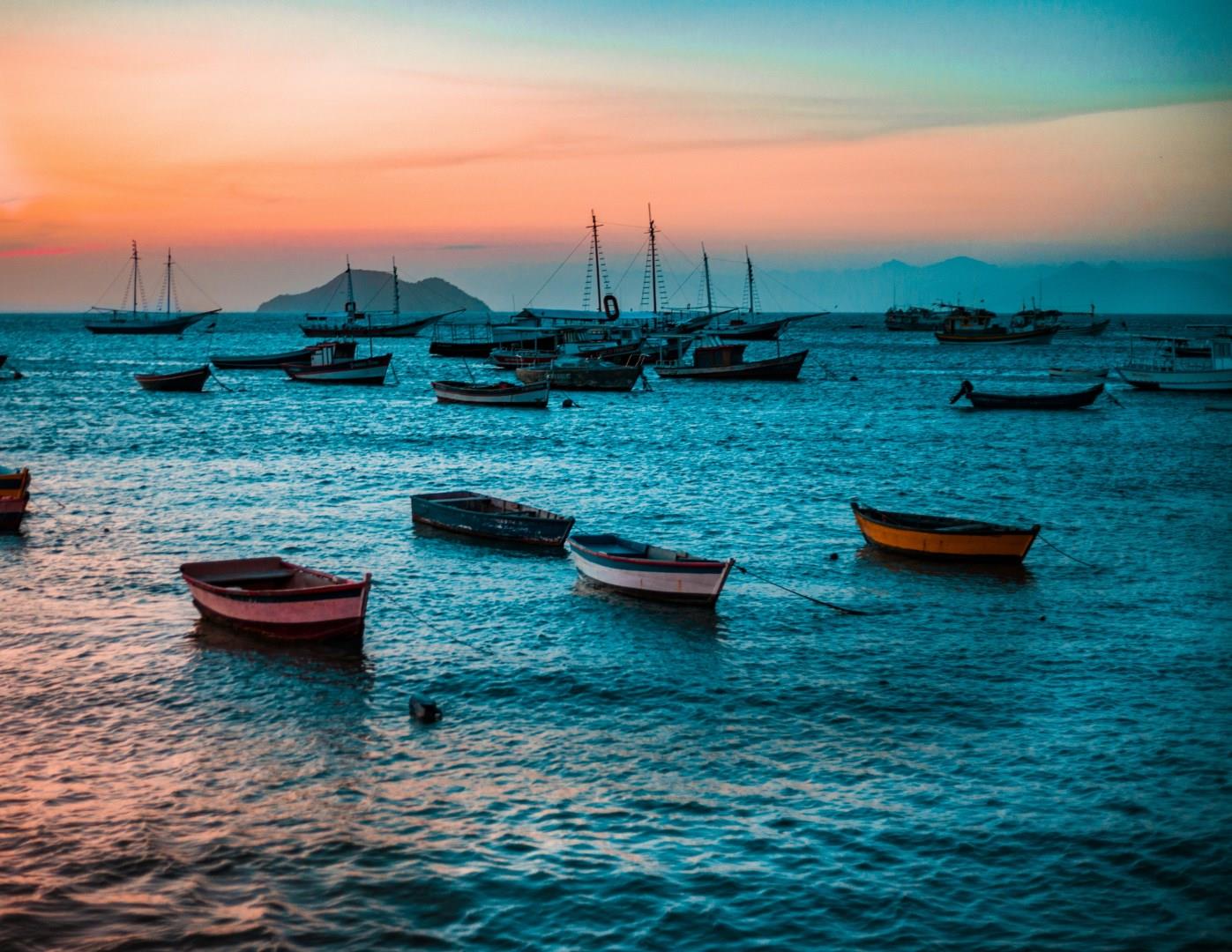
Búzios, a small peninsula just a few hours from Rio de Janeiro, is known for its striking coastline, relaxed atmosphere, and vibrant cultural scene. Once a quiet fishing village, it rose to international attention in the 1960s when French actress Brigitte Bardot visited and fell in love with its laid-back lifestyle. The region is famous for its more than 20 beaches, each with its own personality.