Namche Bazaar, perched at 3,440 meters in the Khumbu region of Nepal, is often called the gateway to Everest, but it’s far more than a rest stop on the way to Base Camp. Once a trading post between Tibetan and Nepali merchants, Namche has developed into a small mountain town where yak caravans and Wi-Fi cafes exist side by side. Despite its remote location, it has a Saturday market that continues to bring traders and trekkers together, just as it did centuries ago.
Réunion, a French overseas department in the Indian Ocean, lies east of Madagascar and combines European and Creole influences in a tropical setting. Its volcanic landscapes, lush forests, and coastal towns make it an extraordinary destination for those seeking both culture and nature.
Valparaíso, Chile, is a city that beckons travelers with its vibrant street art, steep hillsides, and bohemian spirit. Known as the "Jewel of the Pacific," Valparaíso's historical importance as a major port during the 19th century has left an indelible mark on its architecture and culture.
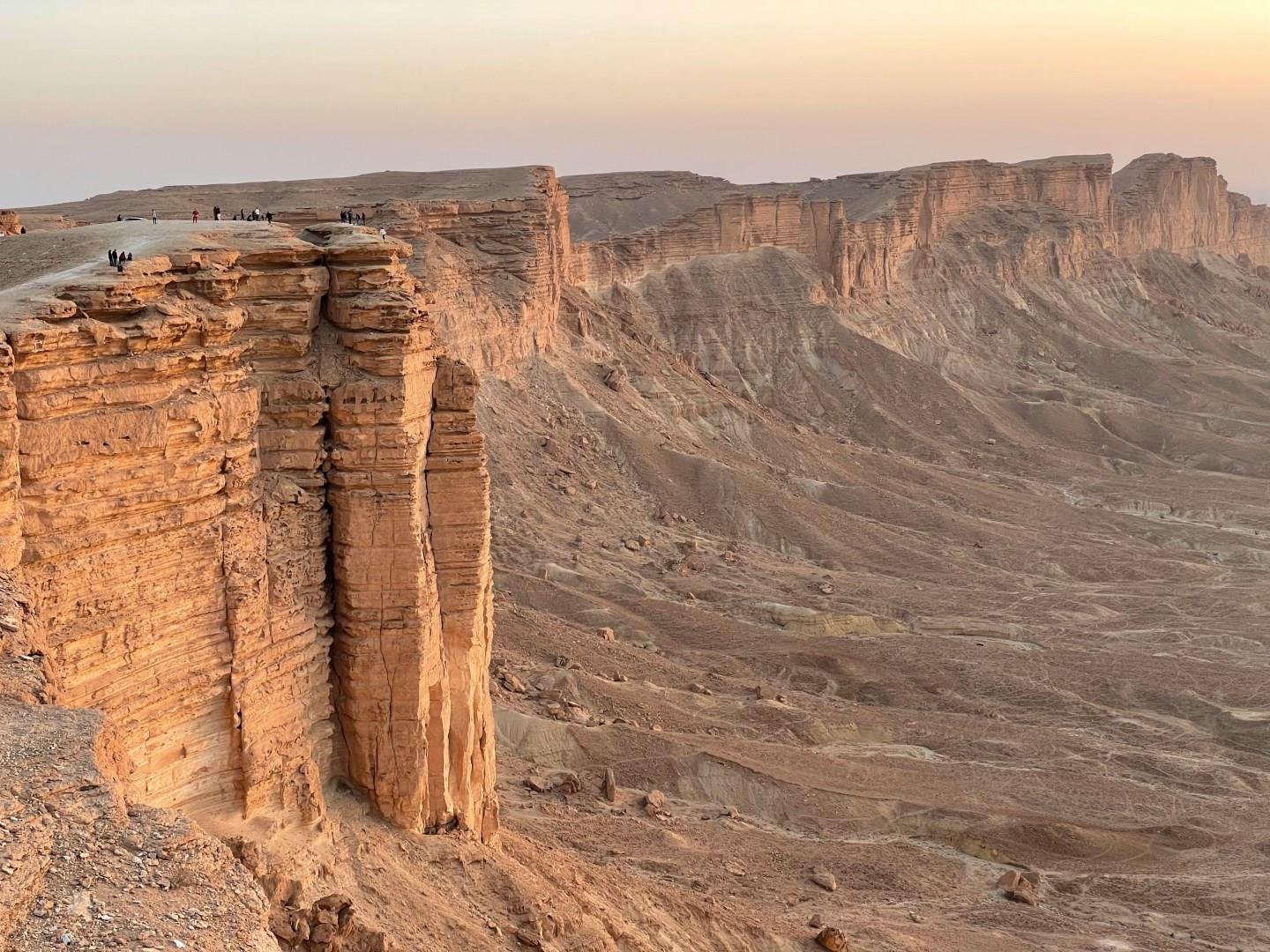
Saudi Arabia is revealing chapters long unseen by tourists. Al-Ula is home to Hegra, the first UNESCO World Heritage Site in the kingdom and hosts to ancient Nabatean tombs carved in sandstone cliffs. Nearby, the mirrored Maraya Concert Hall reflects the desert sky, its design both unexpected and elegant amid the sands. Visitors can wander through narrow canyons, step inside rock-hewn facades, and feel the weight of ancient civilizations still echoing across the dunes.
Though it's San Diego County's smallest city in both size and population, Del Mar is one of its most widely known due to prominence of its Del Mar Race Track & Fairgrounds. The City of Del Mar with about 2 square miles of land for its 5,211 residents, the city gives up almost one quarter to the fairgrounds. But its beaches stretch from Del Mar Shores Beach Park in the north edge of Torrey Pine State Reserve and the La Jolla Underwater Park in the south.
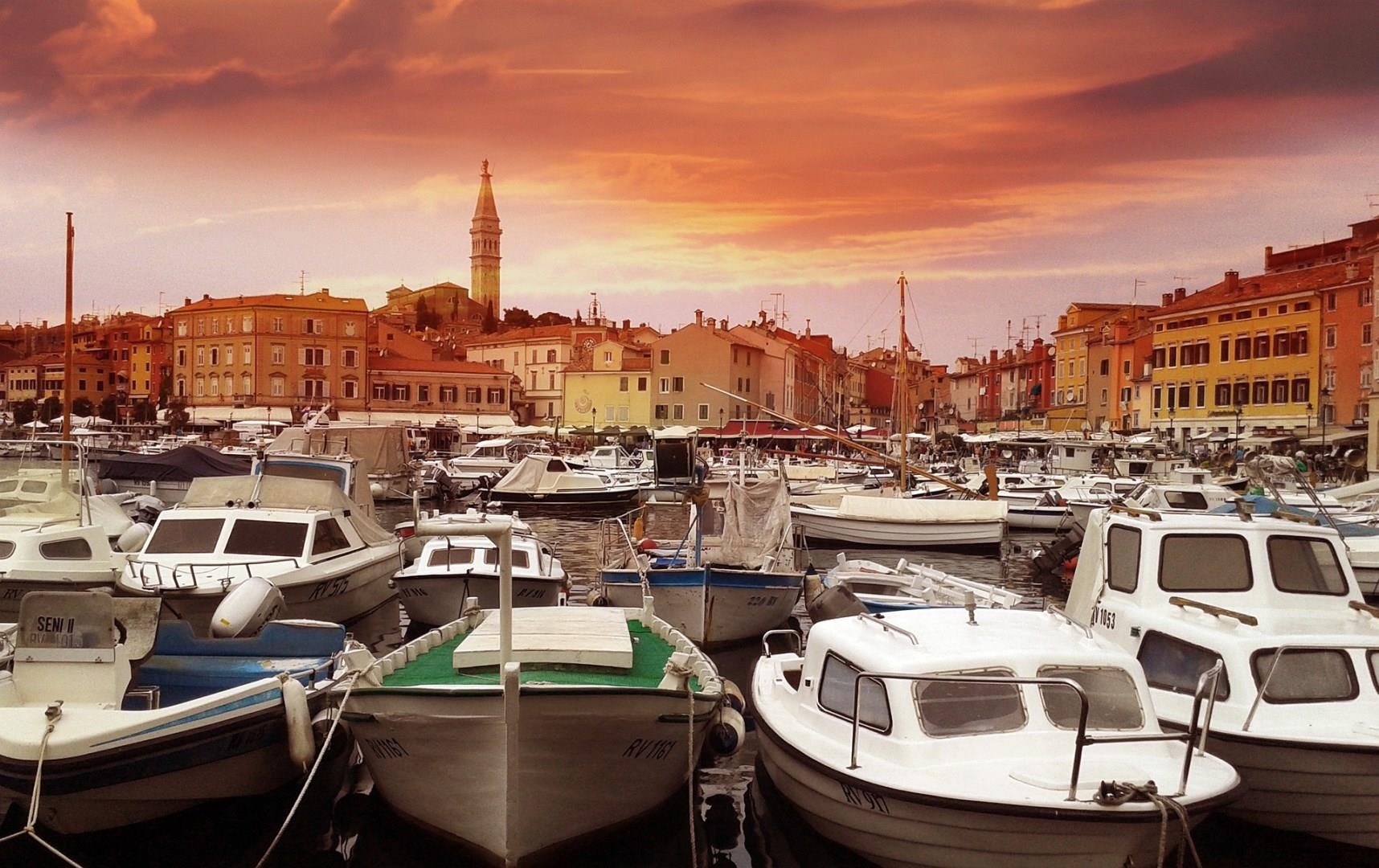
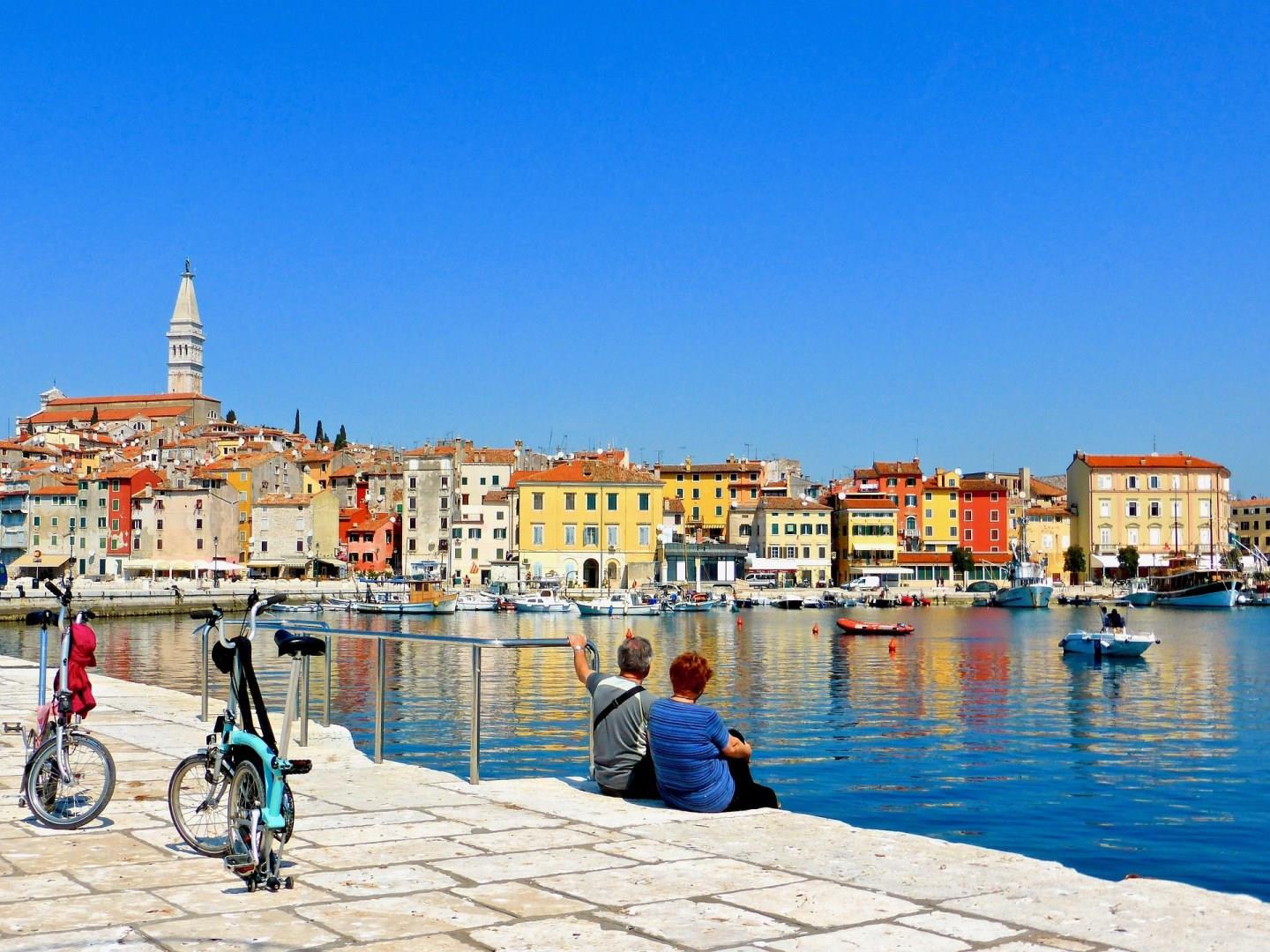
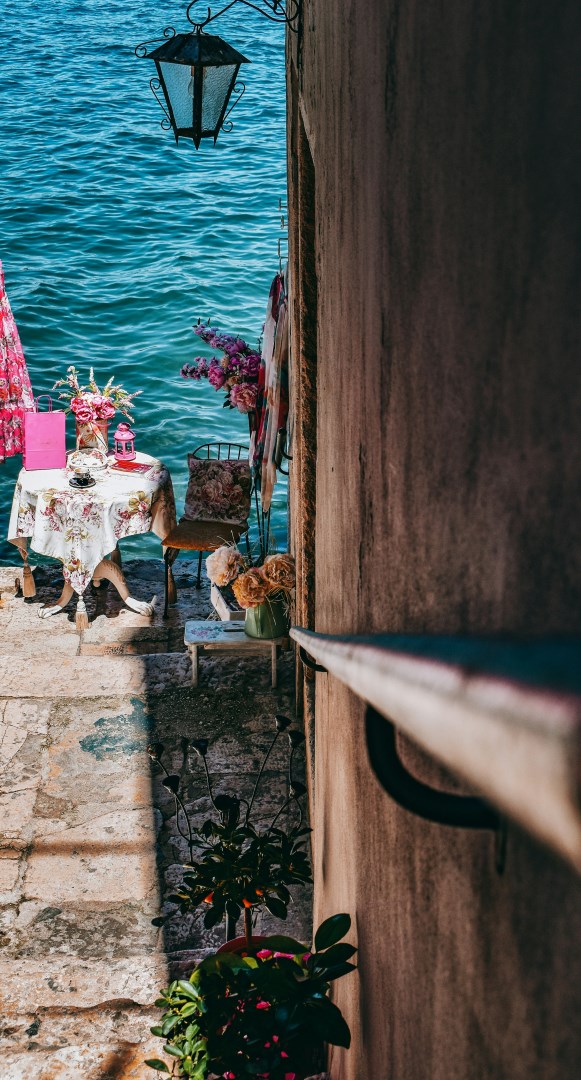
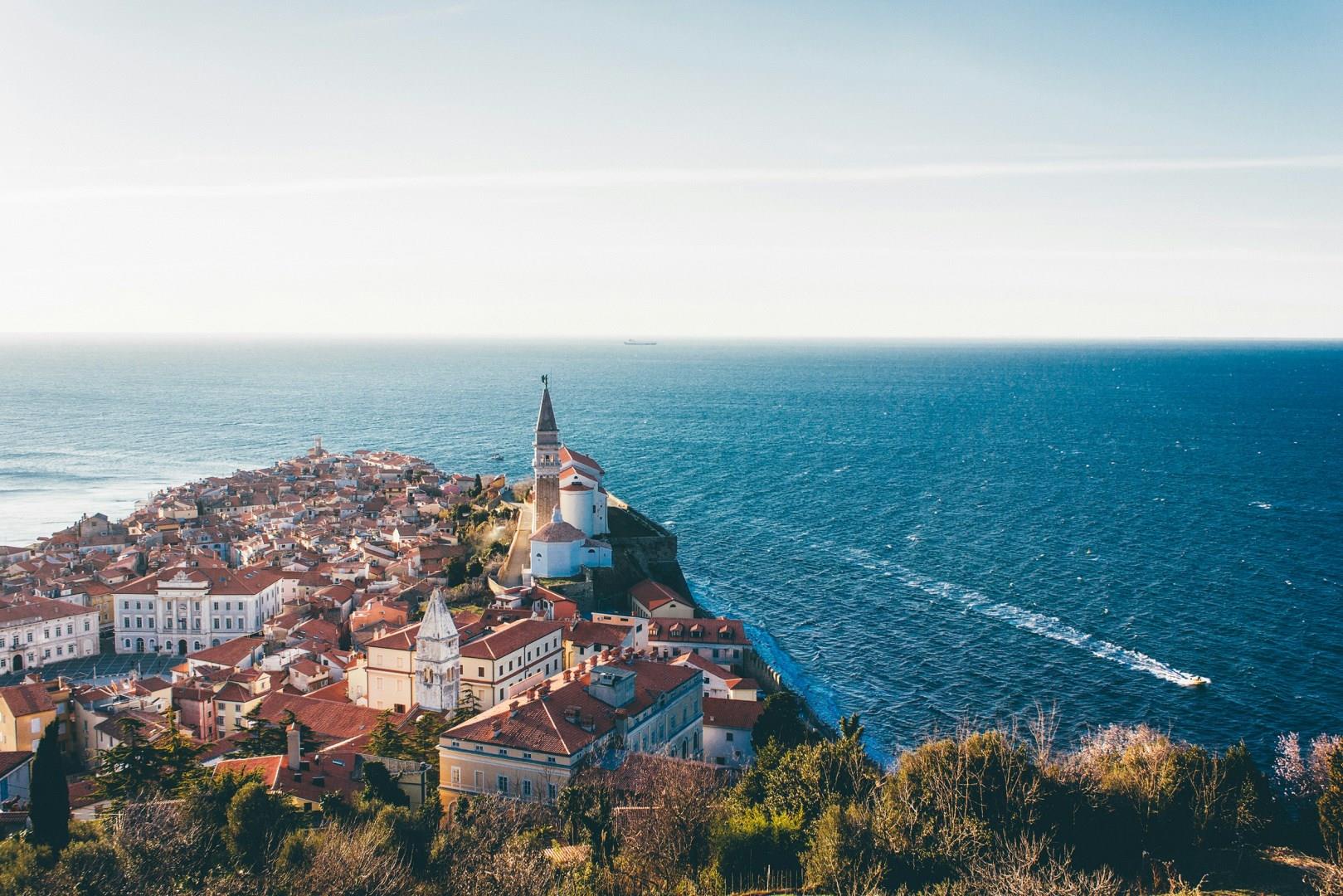
Rovinj, a picturesque city on Croatia’s Istrian Peninsula, invites travelers to immerse themselves in its enchanting blend of history and natural beauty. The city's charming Old Town, with its narrow, cobblestone streets and colorful facades, is a delight to explore. The heart of this historic area is the Church of St. Euphemia, a Baroque masterpiece that offers panoramic views of the Adriatic Sea from its bell tower. The church's iconic presence and the surrounding labyrinth of streets provide a glimpse into Rovinj's rich cultural and architectural heritage.
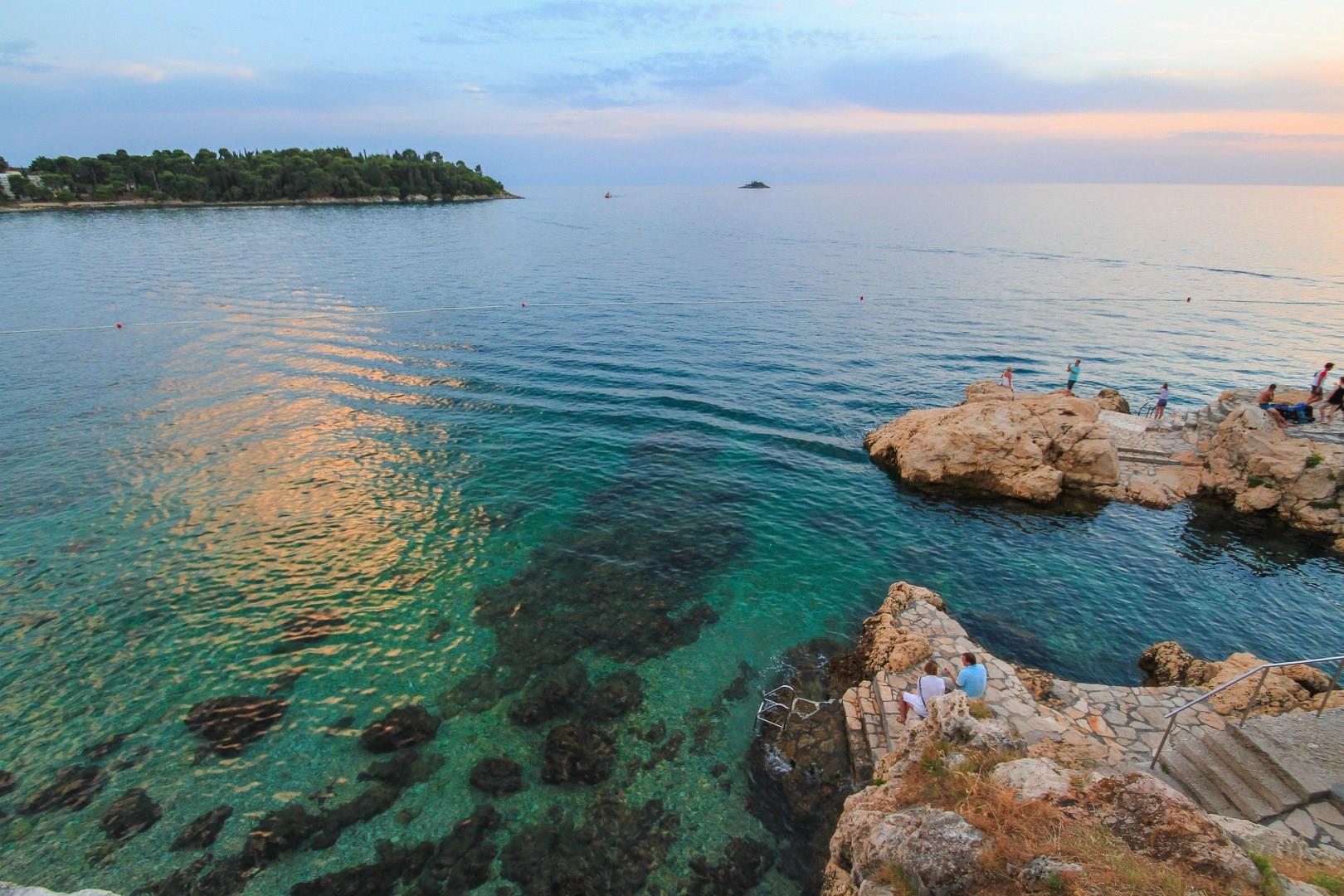
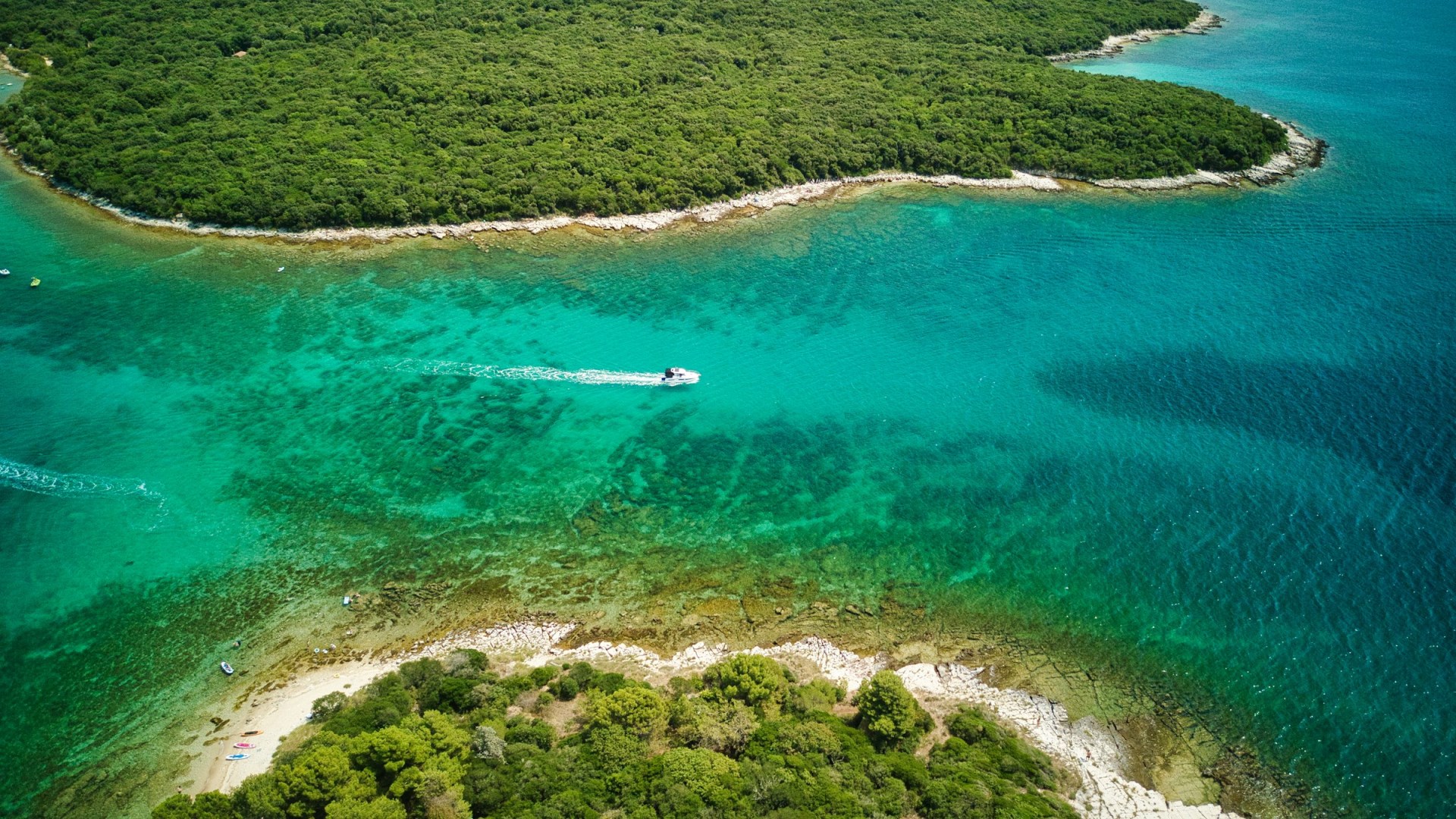
Rovinj’s coastal beauty is equally captivating. The city is nestled between the azure waters of the Adriatic and lush, forested hills. A leisurely stroll along the waterfront promenade or a boat trip to the nearby Brijuni Islands—a national park with stunning landscapes and archaeological sites—offers an unforgettable experience. The crystal-clear waters are perfect for swimming, snorkeling, and exploring hidden coves.
For those who relish local flavors, Rovinj’s vibrant market, held in the heart of the Old Town, showcases the region's culinary delights. Sample fresh seafood, local olive oils, and wines from the Istrian region at charming outdoor cafes. The city’s gastronomic scene reflects its rich heritage and connection to the sea, making dining a memorable part of the Rovinj experience.
A fun fact about Rovinj: This city was once an island until it was connected to the mainland in the 18th century. Today, its unique island heritage adds to the charm of its historic streets and coastal beauty. To fully enjoy Rovinj, consider visiting in the spring or early autumn when the weather is pleasantly mild and the tourist crowds are smaller.