Rhode Island may be the smallest state in the U.S., but it offers an outsized variety of experiences, from colonial history to coastline escapes. Founded in 1636 by Roger Williams as a haven for religious freedom, the state still reflects its independent spirit. In Providence, travelers can visit the John Brown House Museum to explore the city’s role in early American commerce, or walk Benefit Street, lined with preserved 18th- and 19th-century homes.
Djúpivogur, a charming coastal village on Iceland’s eastern fjords, offers travelers an authentic and serene Icelandic experience. Nestled between majestic mountains and the tranquil Berufjörður fjord, this small fishing town is steeped in history and natural beauty. Its picturesque harbor, where colorful boats bob against a backdrop of rugged cliffs, is the heart of the town.
Český Krumlov, a picturesque city in the Czech Republic, is a treasure trove of medieval charm and architectural splendor. Nestled in the South Bohemian Region, this UNESCO World Heritage Site is renowned for its stunning Český Krumlov Castle, which towers over the city and offers panoramic views of the winding Vltava River and the old town's red-tiled rooftops.
Nelson sits along the West Arm of Kootenay Lake in southeastern British Columbia, embraced by the rugged peaks of the Selkirk Mountains and threaded with over 350 heritage buildings that tell the story of its silver-rush beginnings. A short trip outside town leads to spots like the Salmo–Troup Rail Trail, a wide, gentle path that follows an old rail line for kilometers through forest and alongside rivers.
Lead’s Main Street reflects its long history with places that invite people to explore local life beyond mining. The Black Hills Mining Museum offers displays of mining tools, machinery and a simulated underground mine experience that brings to life how miners worked the Black Hills over generations. Along the same street, galleries, cafés and historic buildings make for pleasant stops between deeper dives into the past.
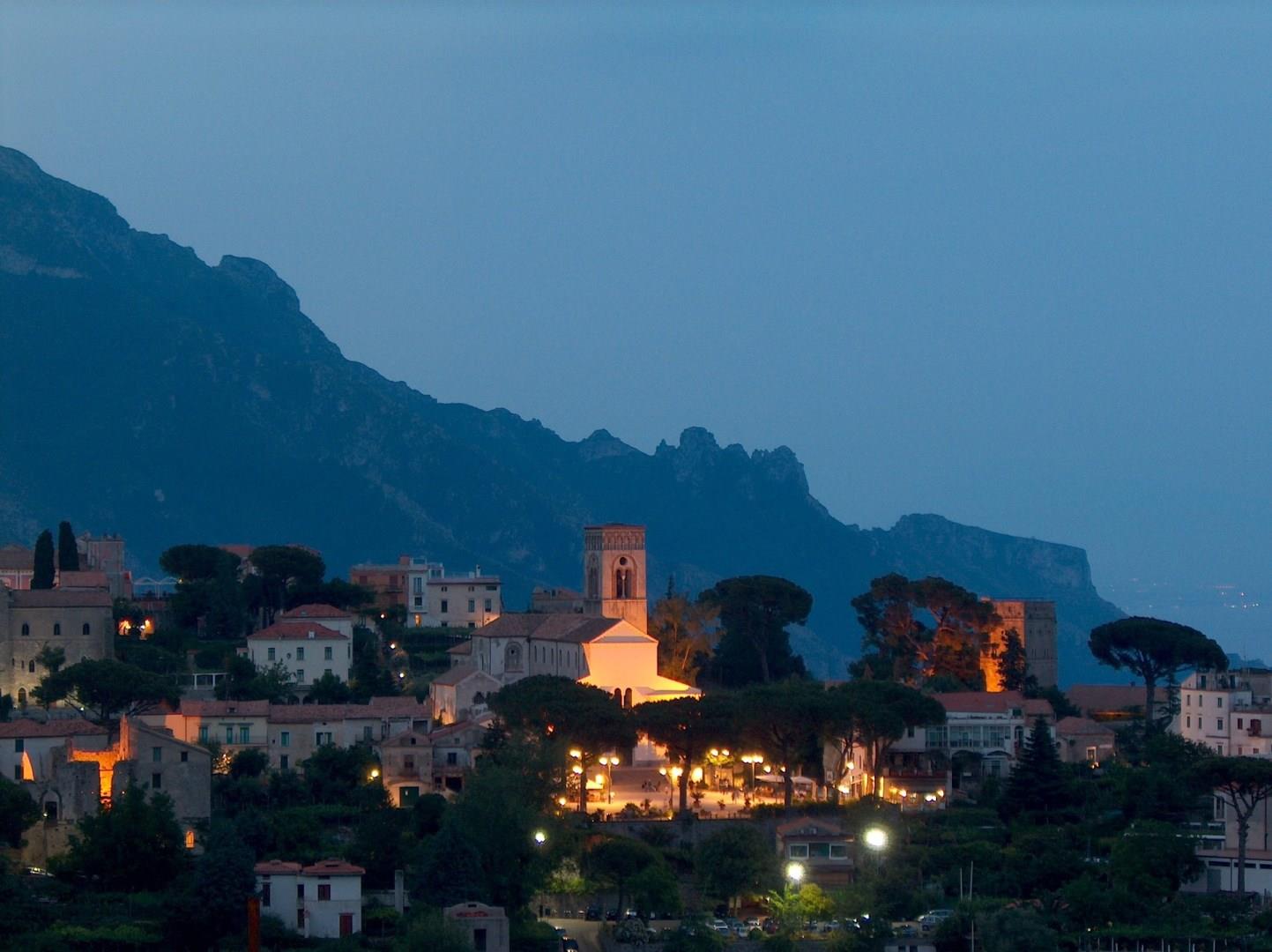
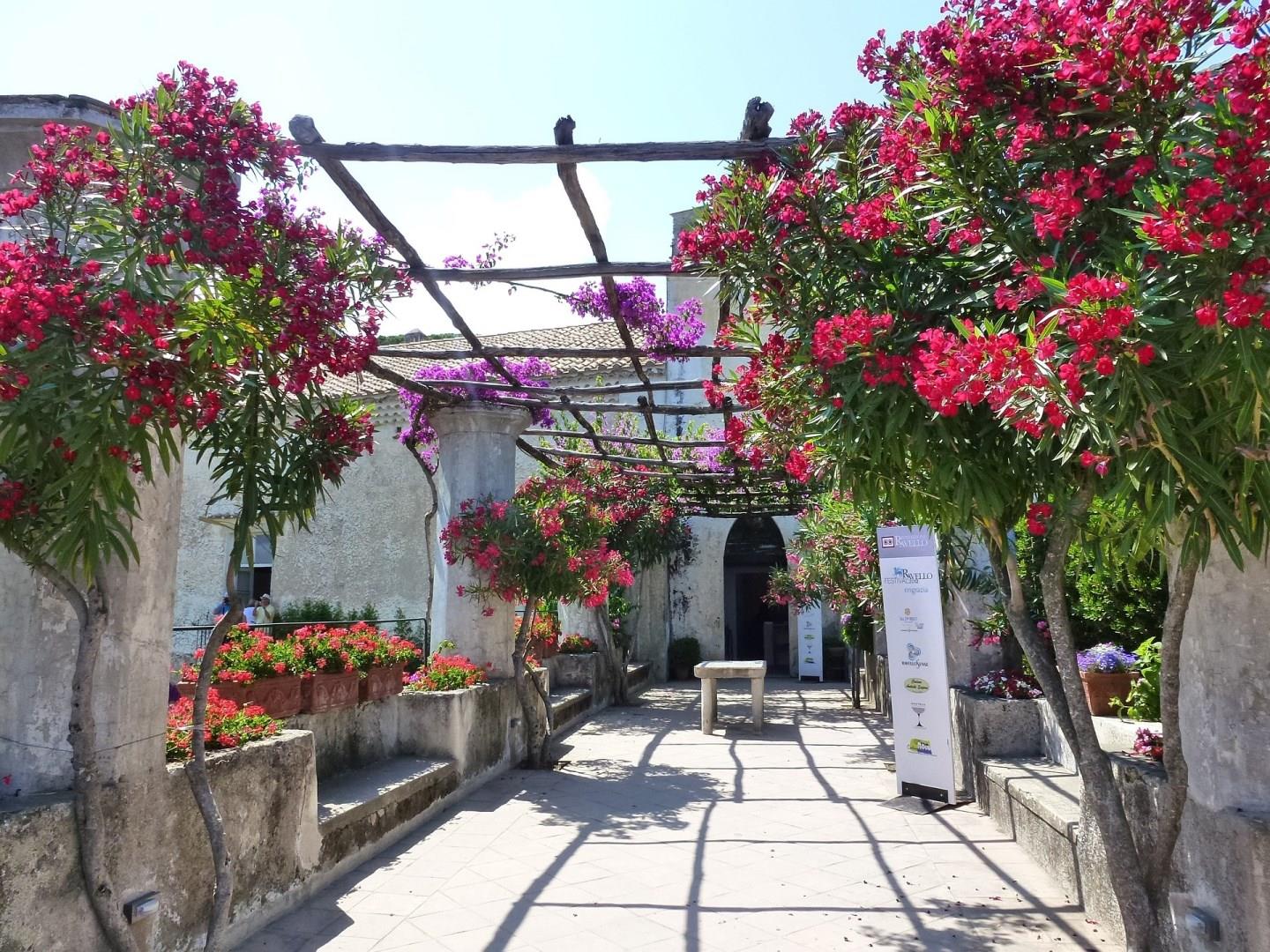
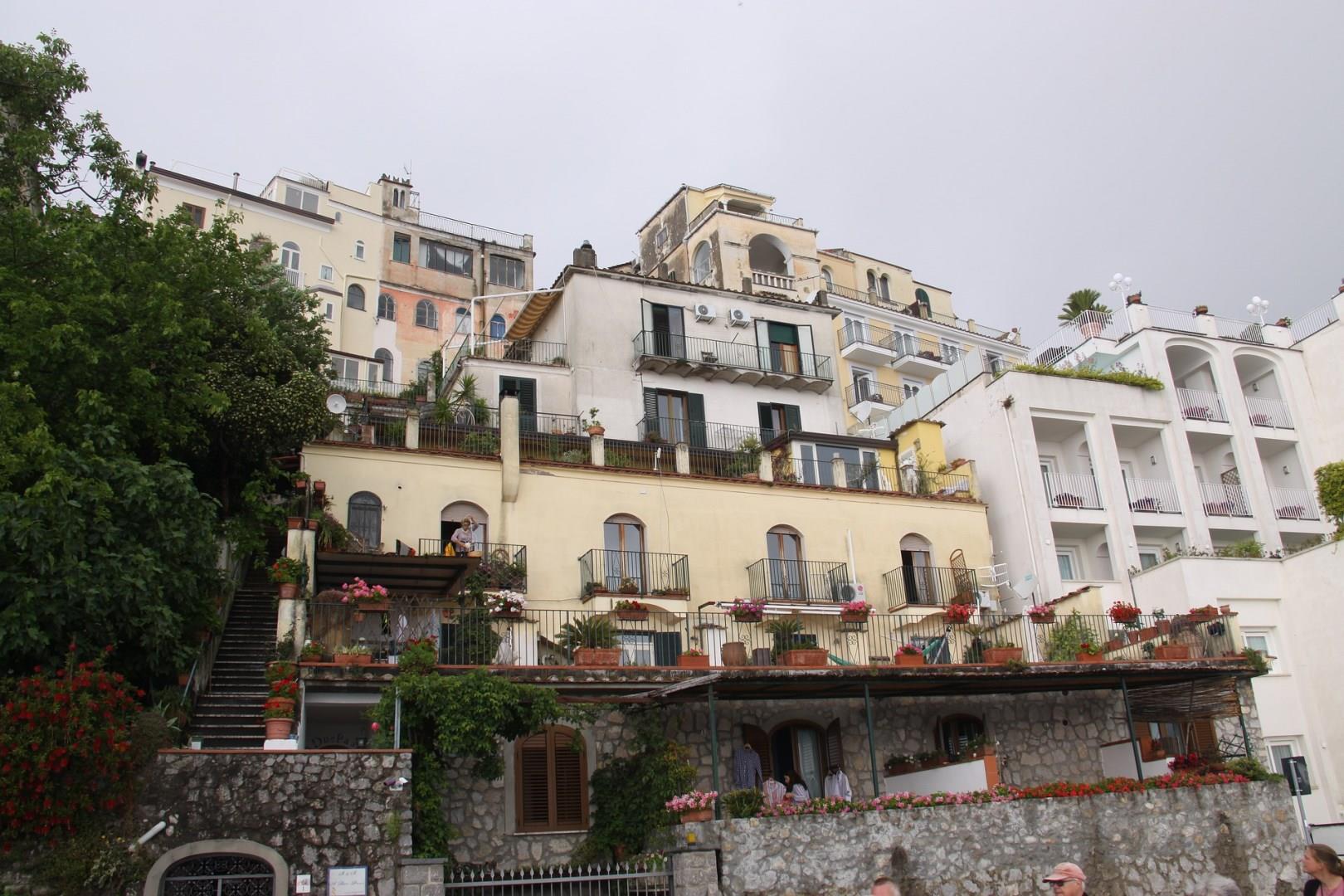
Nestled high on the cliffs of Italy’s Amalfi Coast, Ravello is a gem of medieval charm and stunning vistas. This picturesque town is renowned for its breathtaking views of the Tyrrhenian Sea and its lush gardens, such as the famed Villa Cimbrone. The villa’s Terrace of the Infinite offers panoramic views that stretch as far as the eye can see, making it a must-visit spot for photography enthusiasts and romantics alike source. Another notable attraction is Villa Rufolo, with its enchanting gardens and historic architecture that inspired Richard Wagner's opera Parsifal.
Ravello is also celebrated for its cultural and artistic heritage. The Ravello Festival, held annually, transforms the town into a vibrant stage for music, dance, and theater against the backdrop of its historic settings. This festival is a highlight for visitors who appreciate high culture in an extraordinary environment source. Strolling through Ravello’s narrow, cobbled streets, visitors encounter charming cafes and boutique shops, where local crafts and traditional Italian cuisine offer a taste of the region’s hospitality.
The town's serene atmosphere is perfect for those seeking a tranquil retreat from the hustle and bustle of modern life. Ravello’s location makes it an ideal base for exploring the Amalfi Coast, with its dramatic coastline, picturesque villages, and scenic hiking trails such as the Path of the Gods source.
Slogan: "Ravello: Where Timeless Beauty Meets the Horizon."
Fun Fact: Ravello is often referred to as the “City of Music” due to its rich history of musical events and performances, inspired by its stunning surroundings and historic venues source.
Visit Ravello in the spring or fall for the best weather and fewer crowds, making it easier to enjoy its scenic views and cultural offerings in a more relaxed setting.