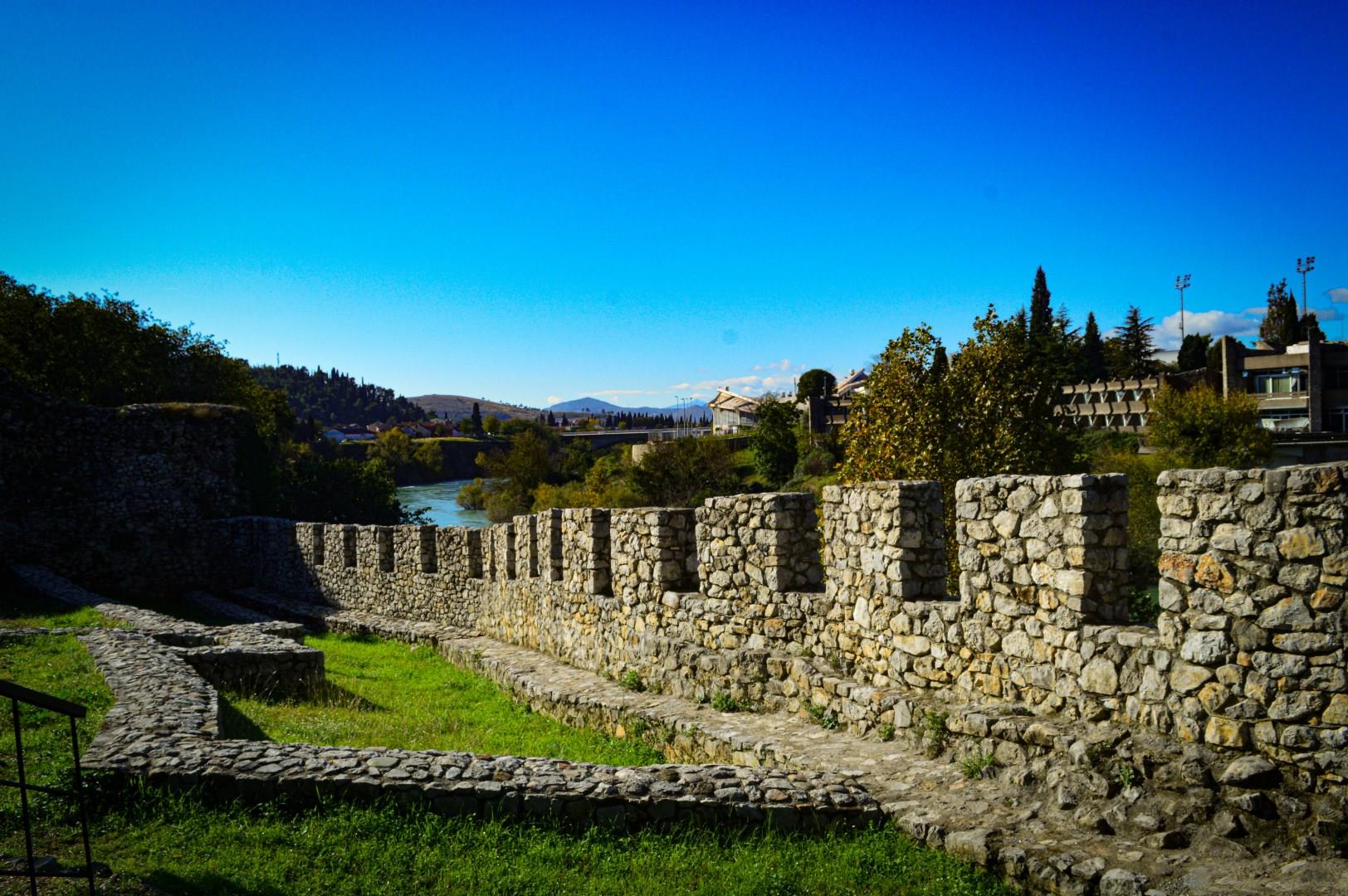
Podgorica, the capital of Montenegro, showcases the country’s contrasting landscapes and deep-rooted history. Although much of the city was rebuilt after World War II, traces of its Roman and Ottoman past still remain. Visitors can explore the ruins of Doclea, a Roman settlement just outside the city, where surviving columns and mosaics give a glimpse into life nearly two millennia ago.
Dominica, known as the “Nature Island of the Caribbean,” is a haven for eco-tourists and adventure seekers. Nestled between the French islands of Guadeloupe and Martinique, this lush island boasts a remarkable landscape of volcanic mountains, dense rainforests, and stunning waterfalls. Dominica’s most iconic natural wonder is the Boiling Lake, the second-largest hot spring in the world.
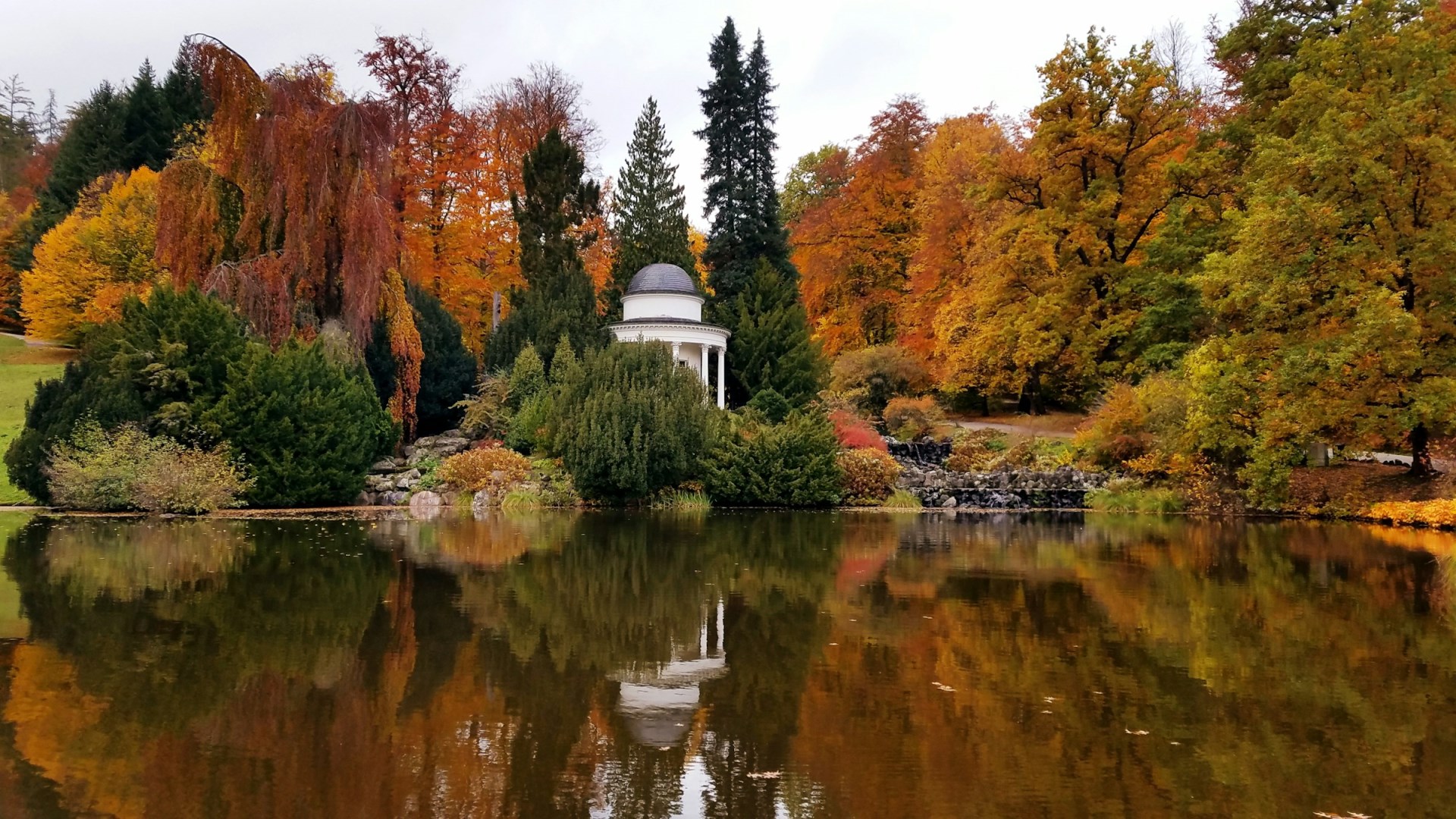
Nearly 80% of the city was destroyed in WWII. It is now known for its many museums, including the Museum of Tapestry, the Brothers Grimm Museum and Fredericianum Museum.
Nestled between the pristine waters of Lake Annecy and the towering French Alps, Annecy is a charming gem in southeastern France that offers visitors a unique blend of history, natural beauty, and alpine allure. Often referred to as the "Venice of the Alps" due to its network of canals that wind through the old town, Annecy captivates with its cobbled streets, pastel-colored houses, and flower-adorned bridges.
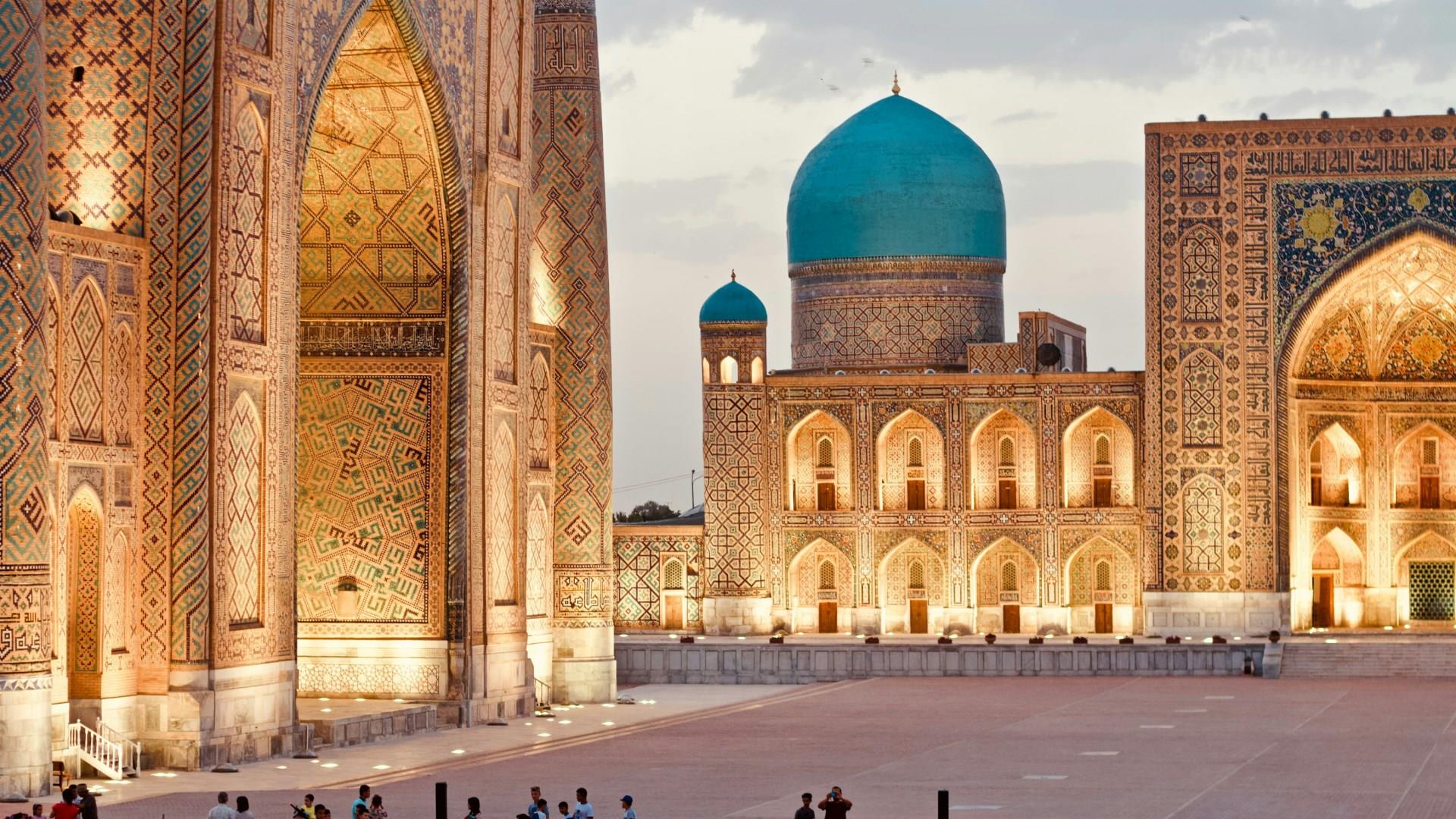
Uzbekistan lies at the heart of Central Asia and is renowned for its pivotal role along the ancient Silk Road. The country is home to some of the world’s most storied cities, where intricate Islamic architecture and centuries of trade have left a rich cultural legacy.
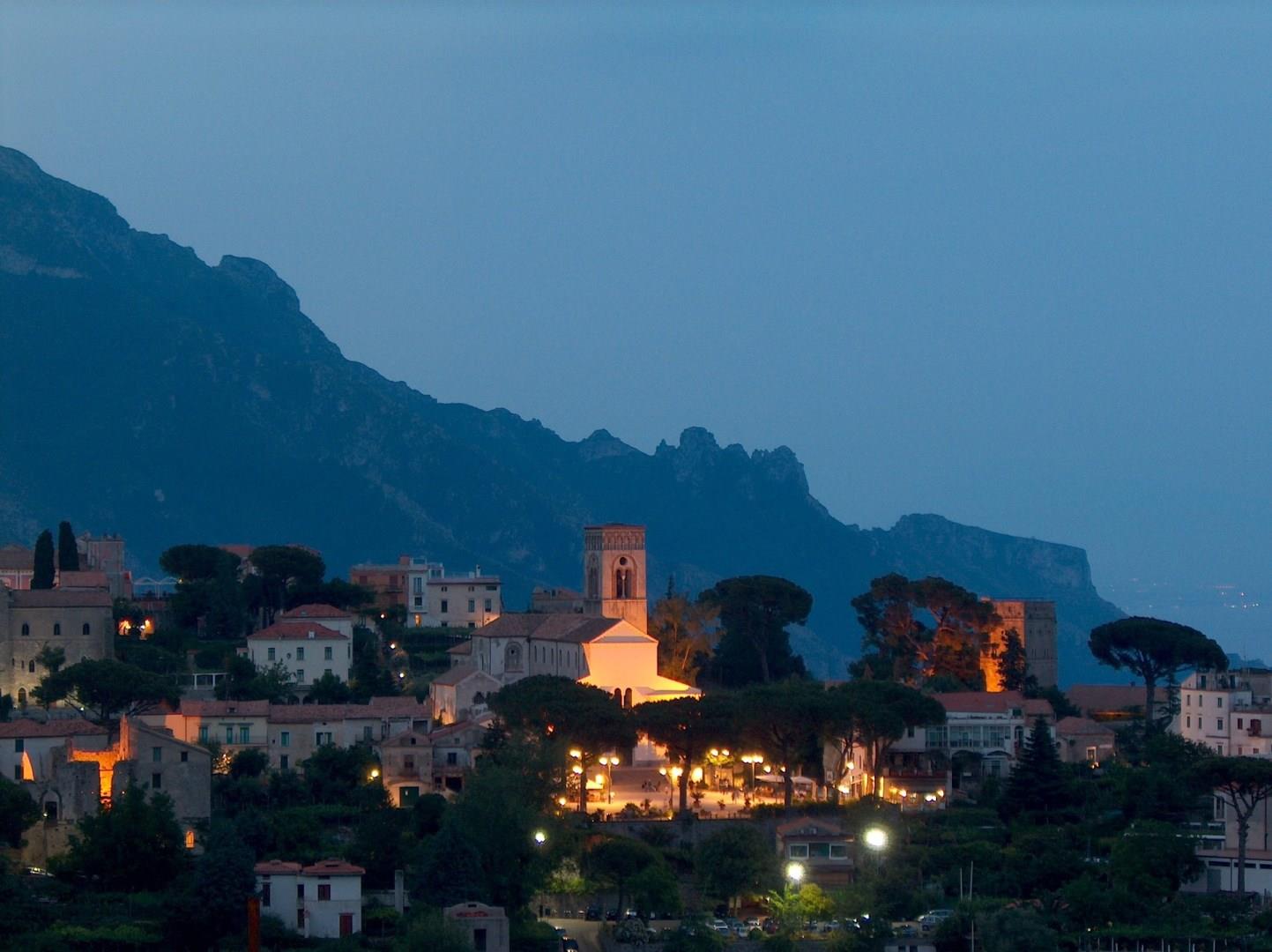
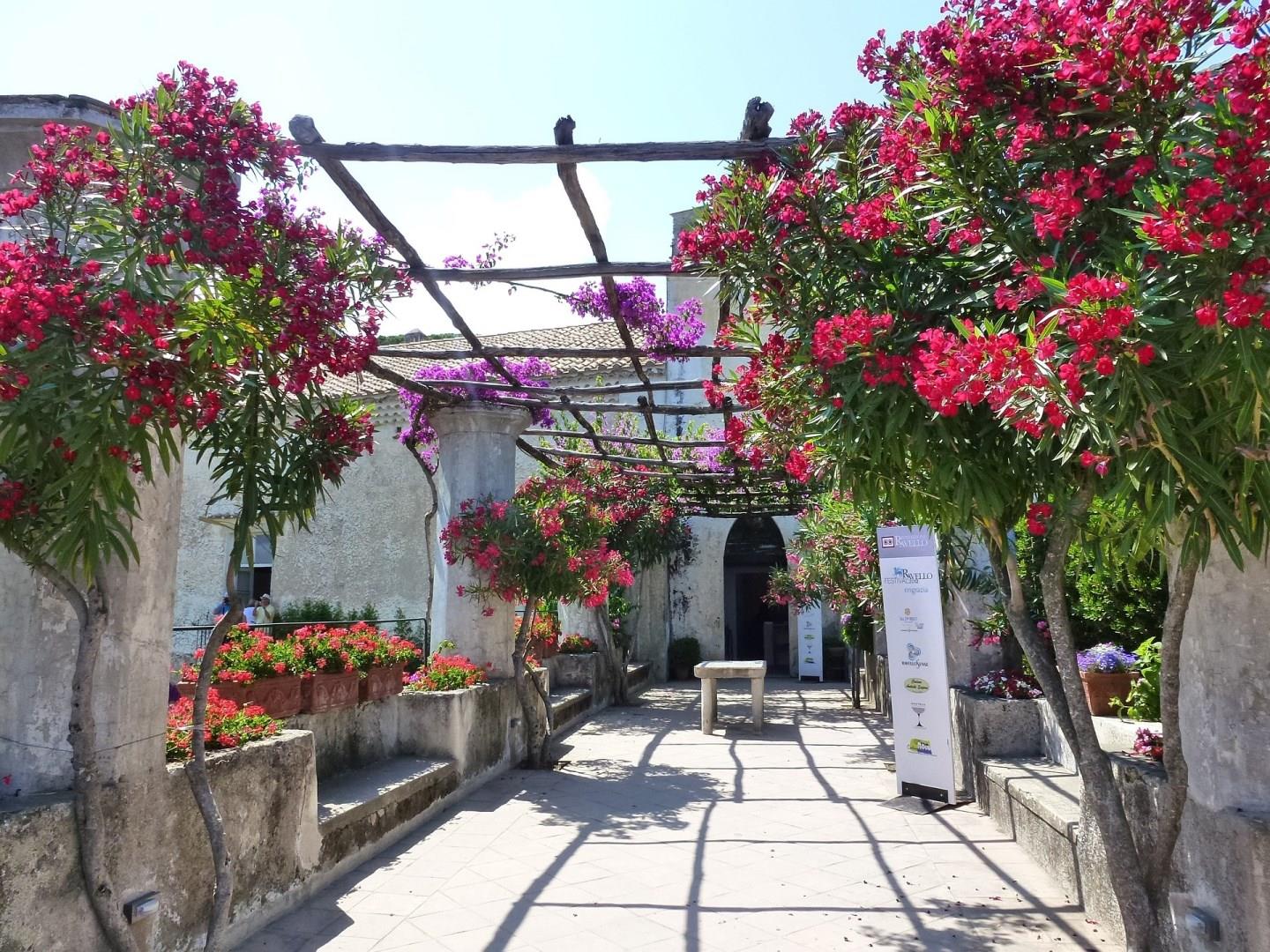
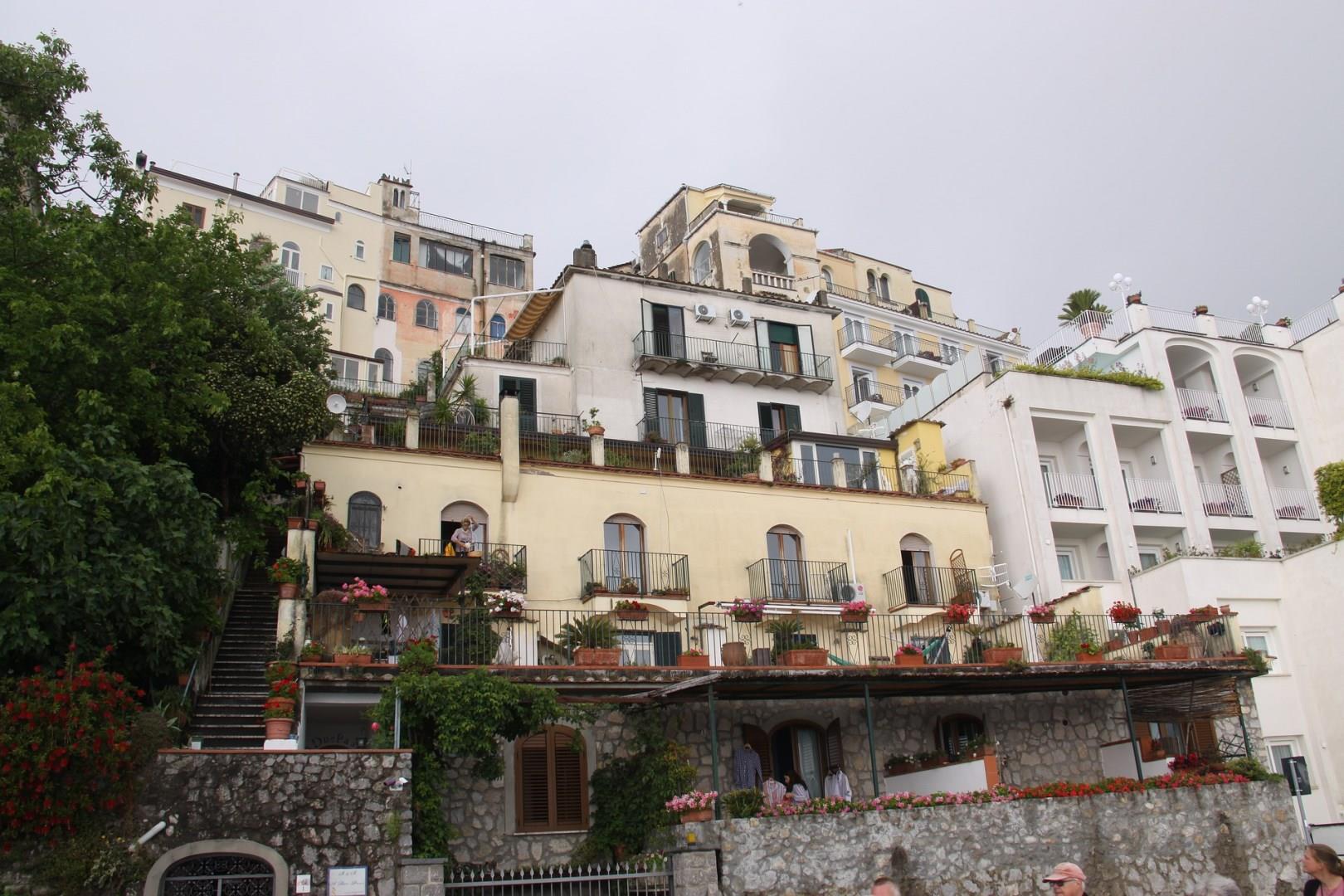
Nestled high on the cliffs of Italy’s Amalfi Coast, Ravello is a gem of medieval charm and stunning vistas. This picturesque town is renowned for its breathtaking views of the Tyrrhenian Sea and its lush gardens, such as the famed Villa Cimbrone. The villa’s Terrace of the Infinite offers panoramic views that stretch as far as the eye can see, making it a must-visit spot for photography enthusiasts and romantics alike source. Another notable attraction is Villa Rufolo, with its enchanting gardens and historic architecture that inspired Richard Wagner's opera Parsifal.
Ravello is also celebrated for its cultural and artistic heritage. The Ravello Festival, held annually, transforms the town into a vibrant stage for music, dance, and theater against the backdrop of its historic settings. This festival is a highlight for visitors who appreciate high culture in an extraordinary environment source. Strolling through Ravello’s narrow, cobbled streets, visitors encounter charming cafes and boutique shops, where local crafts and traditional Italian cuisine offer a taste of the region’s hospitality.
The town's serene atmosphere is perfect for those seeking a tranquil retreat from the hustle and bustle of modern life. Ravello’s location makes it an ideal base for exploring the Amalfi Coast, with its dramatic coastline, picturesque villages, and scenic hiking trails such as the Path of the Gods source.
Slogan: "Ravello: Where Timeless Beauty Meets the Horizon."
Fun Fact: Ravello is often referred to as the “City of Music” due to its rich history of musical events and performances, inspired by its stunning surroundings and historic venues source.
Visit Ravello in the spring or fall for the best weather and fewer crowds, making it easier to enjoy its scenic views and cultural offerings in a more relaxed setting.