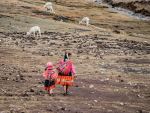
Ghent
If it wasn't for Paris, Ghent would be medieval Europe's largest city. Steeped in history both rebellious and industrious, it sits at the junction of the Leie and Scheldt rivers and was once the site of armed battles by its townsfolk, who raged against heavy taxes and restricted civil liberties.
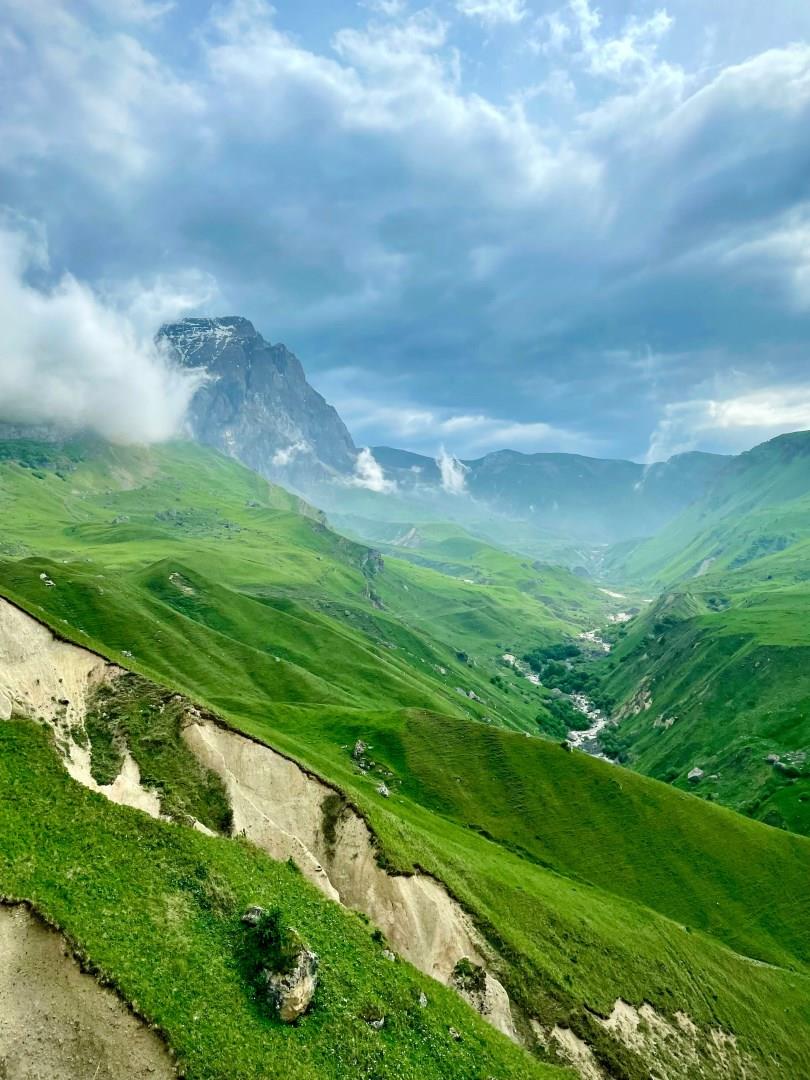
Azerbaijan
Azerbaijan, often called the “Land of Fire,” sits at the crossroads of Europe and Asia along the Caspian Sea. Its capital, Baku, blends futuristic architecture with centuries-old history.
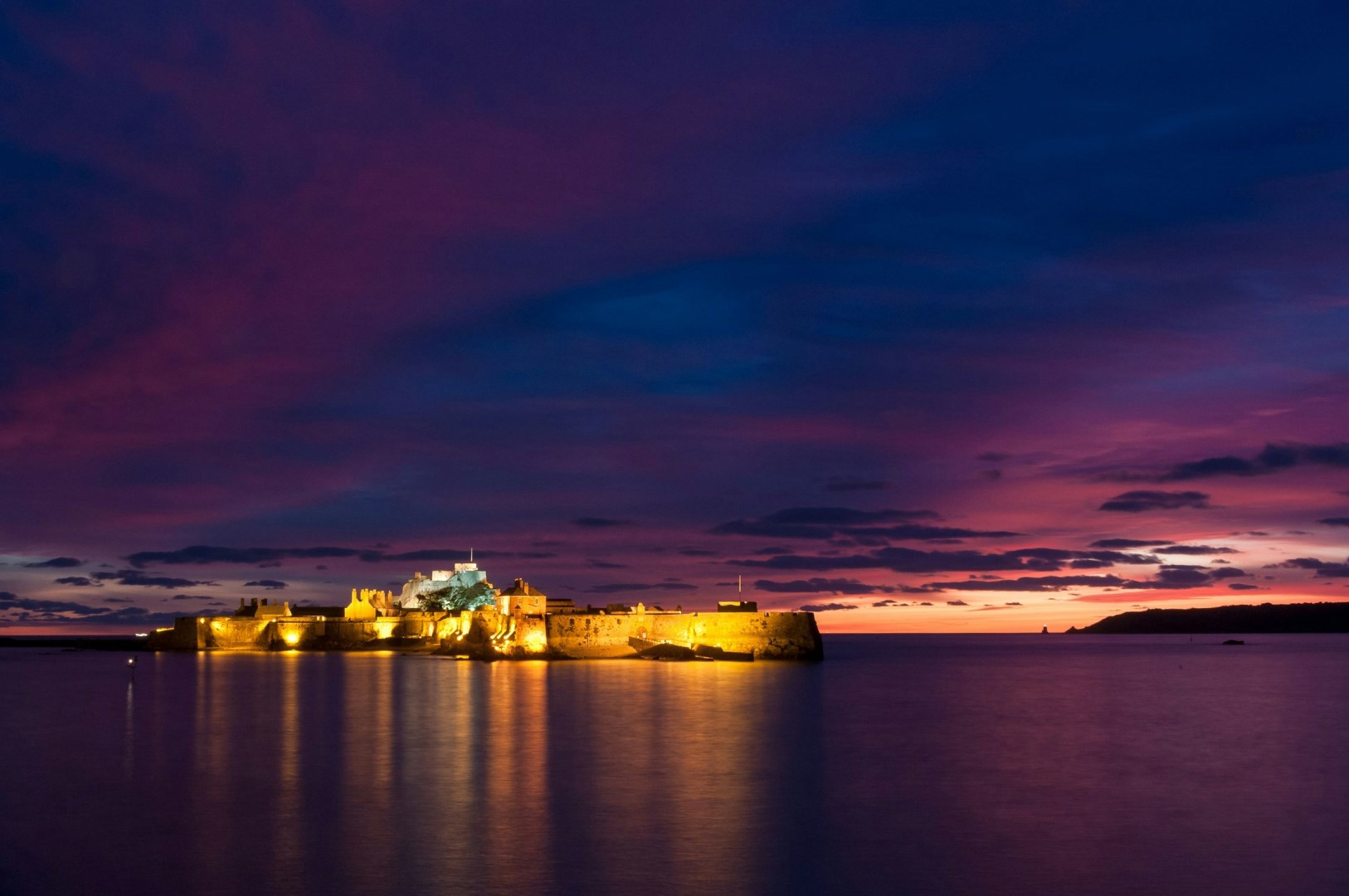
Saint Helier
Saint Helier is the capital of Jersey and the island’s main center for government, commerce, culture, and transport. The town occupies the eastern side of St Aubin’s Bay, where an historic harbor meets a compact urban center of Victorian buildings, narrow streets, public squares, and waterfront promenades. Its position makes it a practical base for exploring the rest of Jersey, while attractions within the town include the Central Market, Jersey Museum, Maritime Museum, and Elizabeth Castle.
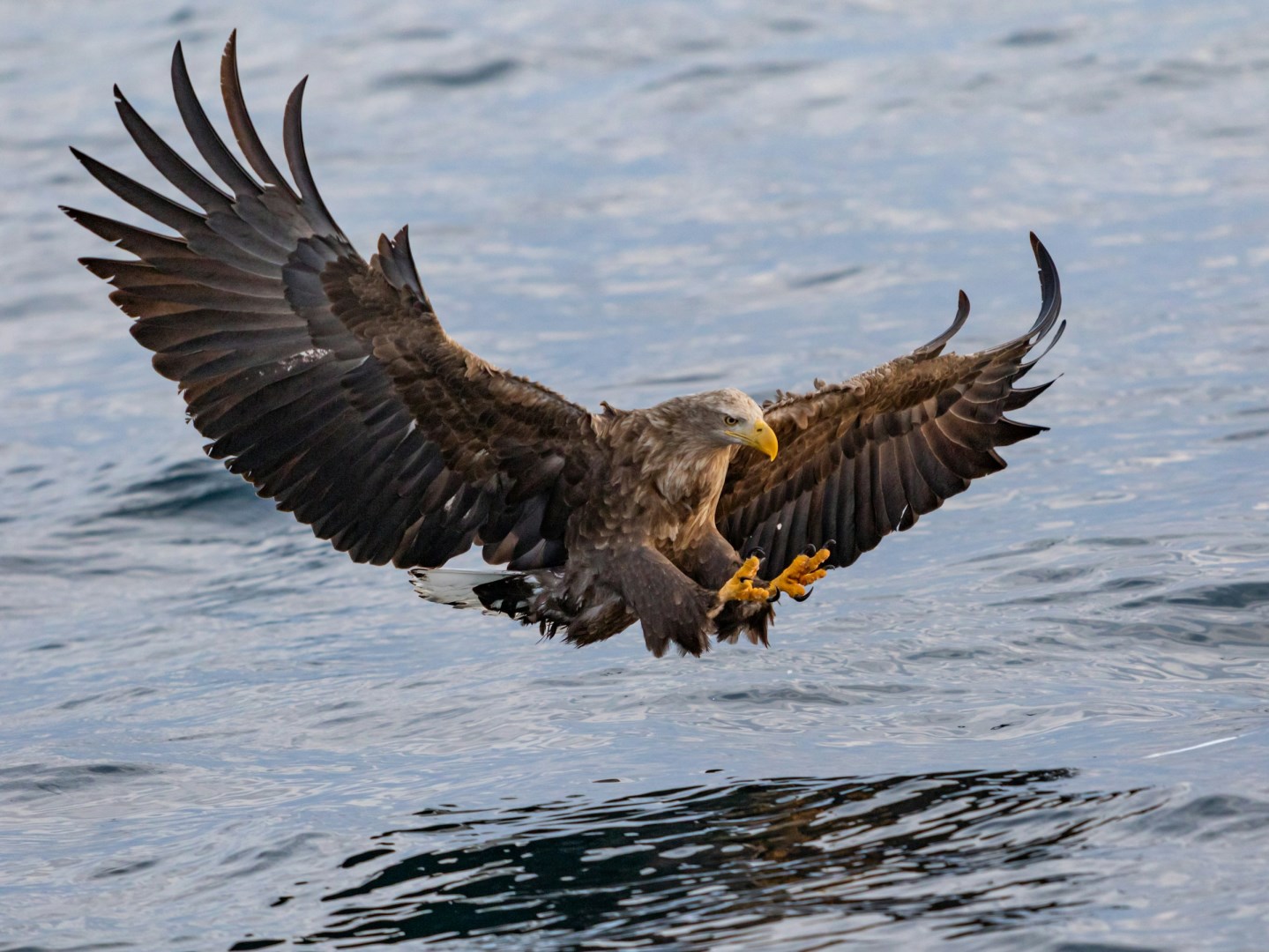
Hokkaido
Hokkaido is Japan's northernmost main island and the country's second-largest island, known for broad landscapes, volcanic mountains, forests, lakes, and a cooler climate than most of Japan. Sapporo serves as the prefectural capital and largest city, while smaller communities extend across farmland, coastlines, and mountain regions.
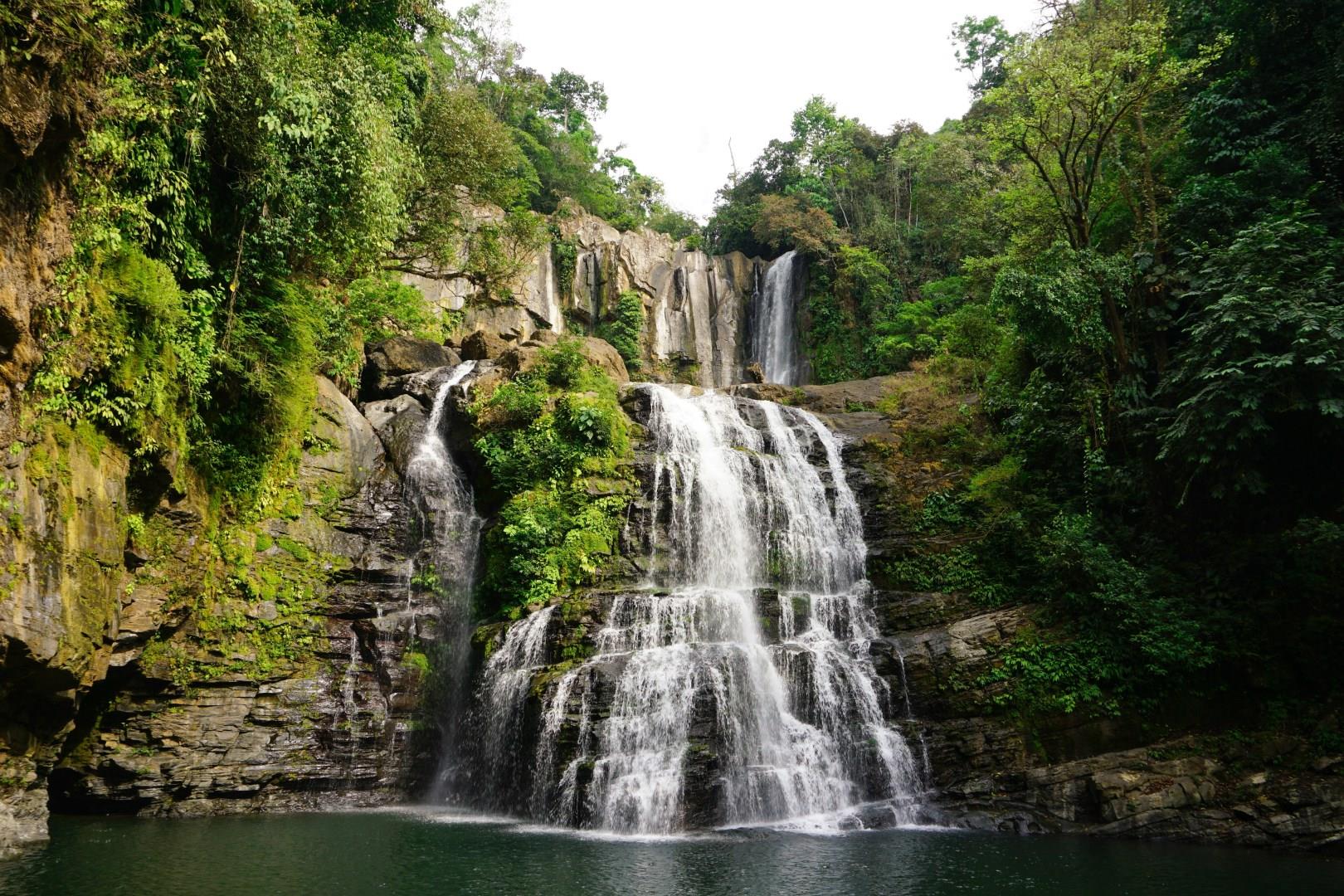
Dominical
Dominical is a small coastal town on Costa Rica’s southern Pacific shore, known for its strong connection to the ocean and surrounding rainforest.