Paris
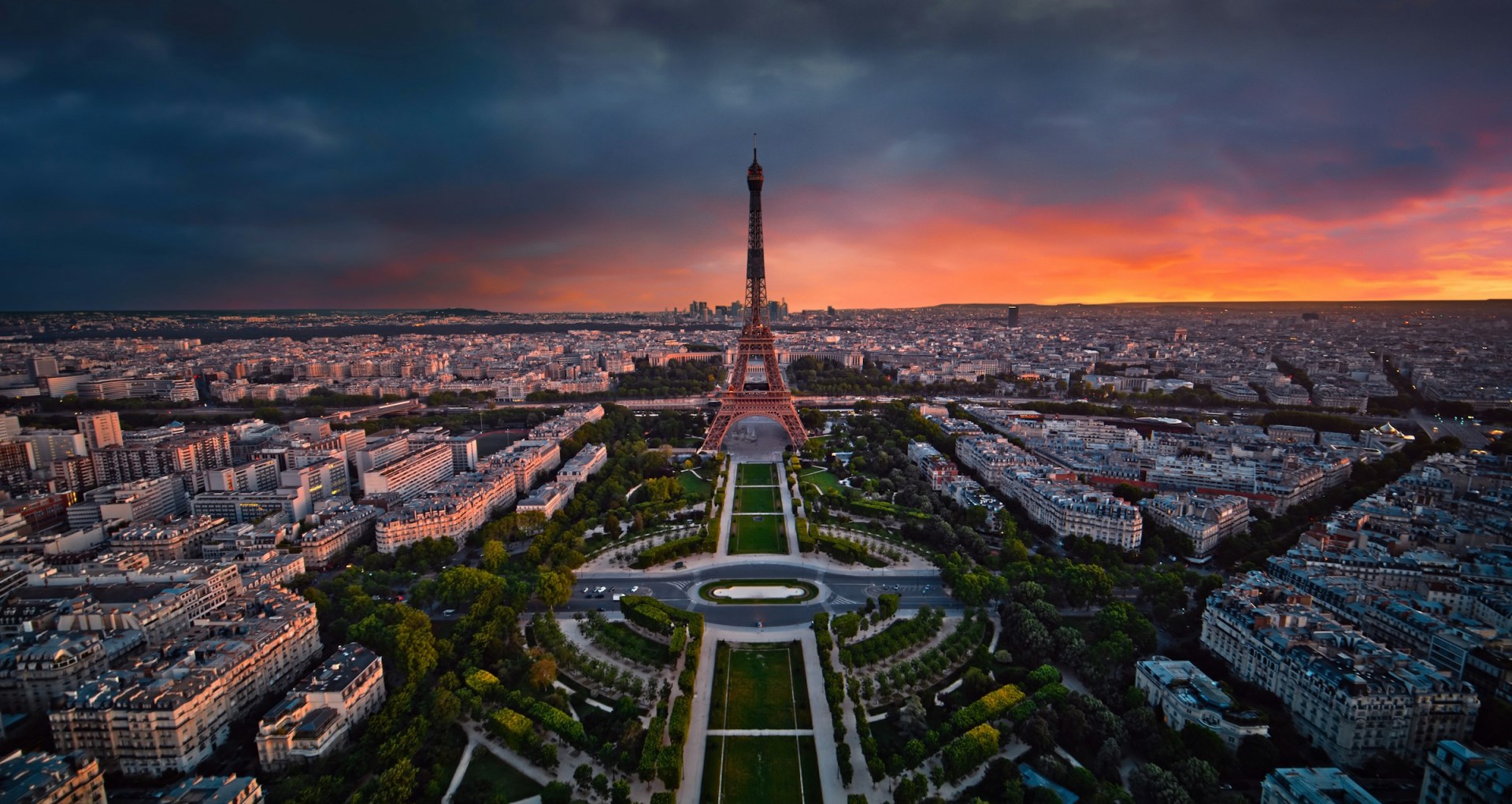
France's capital and most populated city, Paris is an alluring destination and an essential stop for any global traveler. A center of fashion, gastronomy, and the arts. Major tourist attractions in the City of Lights include the Eiffel Tower (such great heights!), the Louvre (home of the Mona Lisa and Venus de Milo), the Arc de Triomphe, and Grand Palais.
Queenstown Tasmania
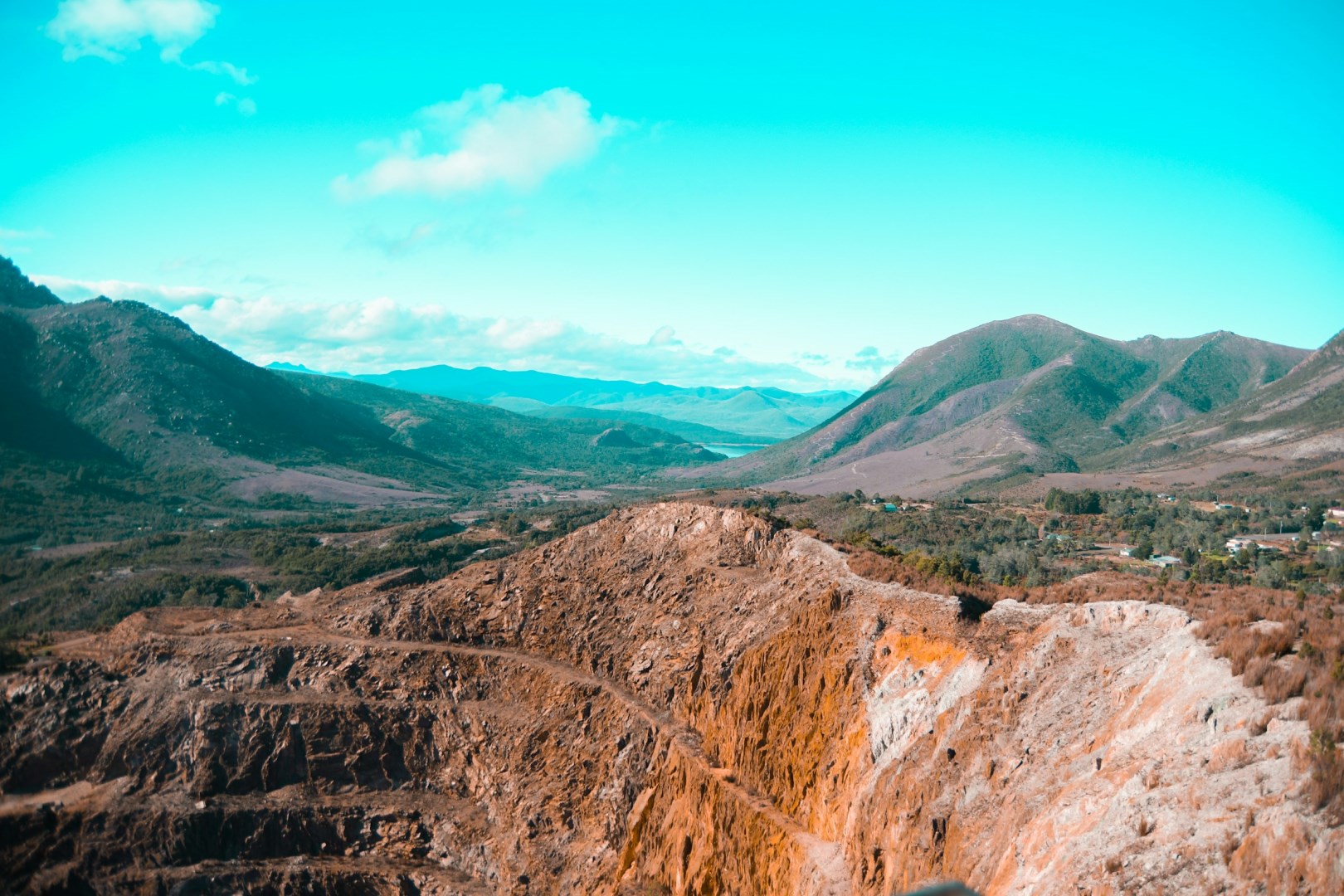
Queenstown started off as a major gold mining area, based around the Queen River Valley. This then developed into a profitable copper mining area, which was still running until 1969. There are a variety of things to do in Queenstown, and it is a good base from which to explore western Tasmania.
Kyle of Lochalsh
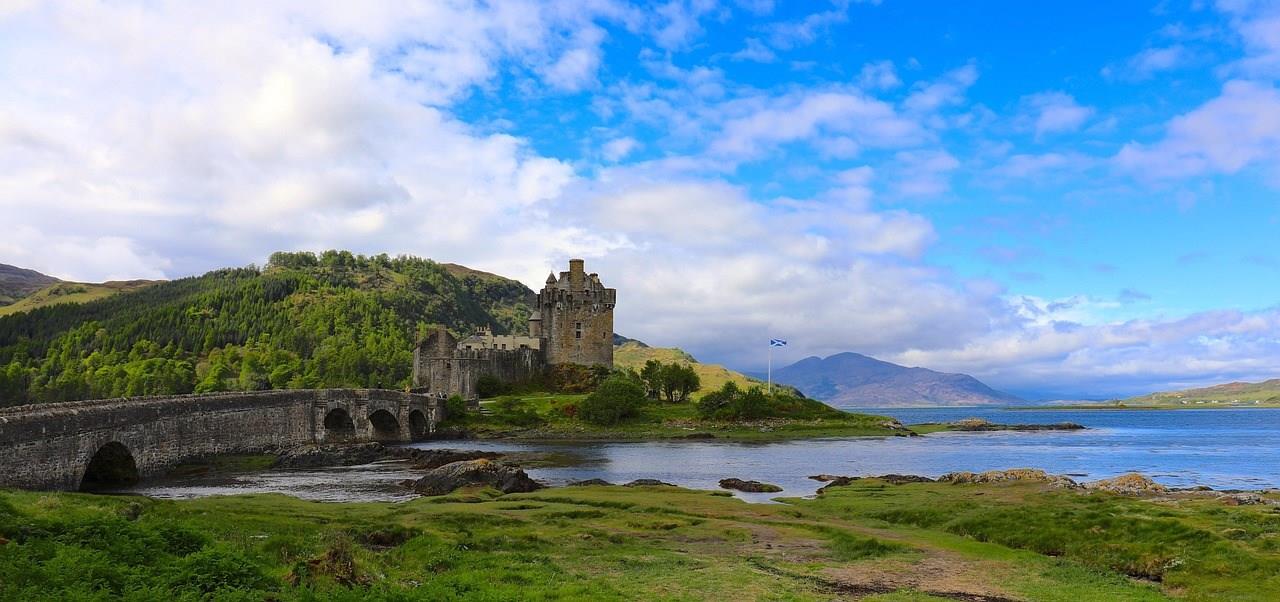
Kyle of Lochalsh, located on the west coast of the Scottish Highlands, serves as a gateway to the Isle of Skye via the Skye Bridge, but the village itself deserves more than a passing glance. Once the terminus of the Highland Railway, the town still welcomes visitors by train on one of the UK’s most scenic routes. The line from Inverness to Kyle passes through remote glens, past lochs and mountain ranges, ending just steps from the waterfront.
Ajloun
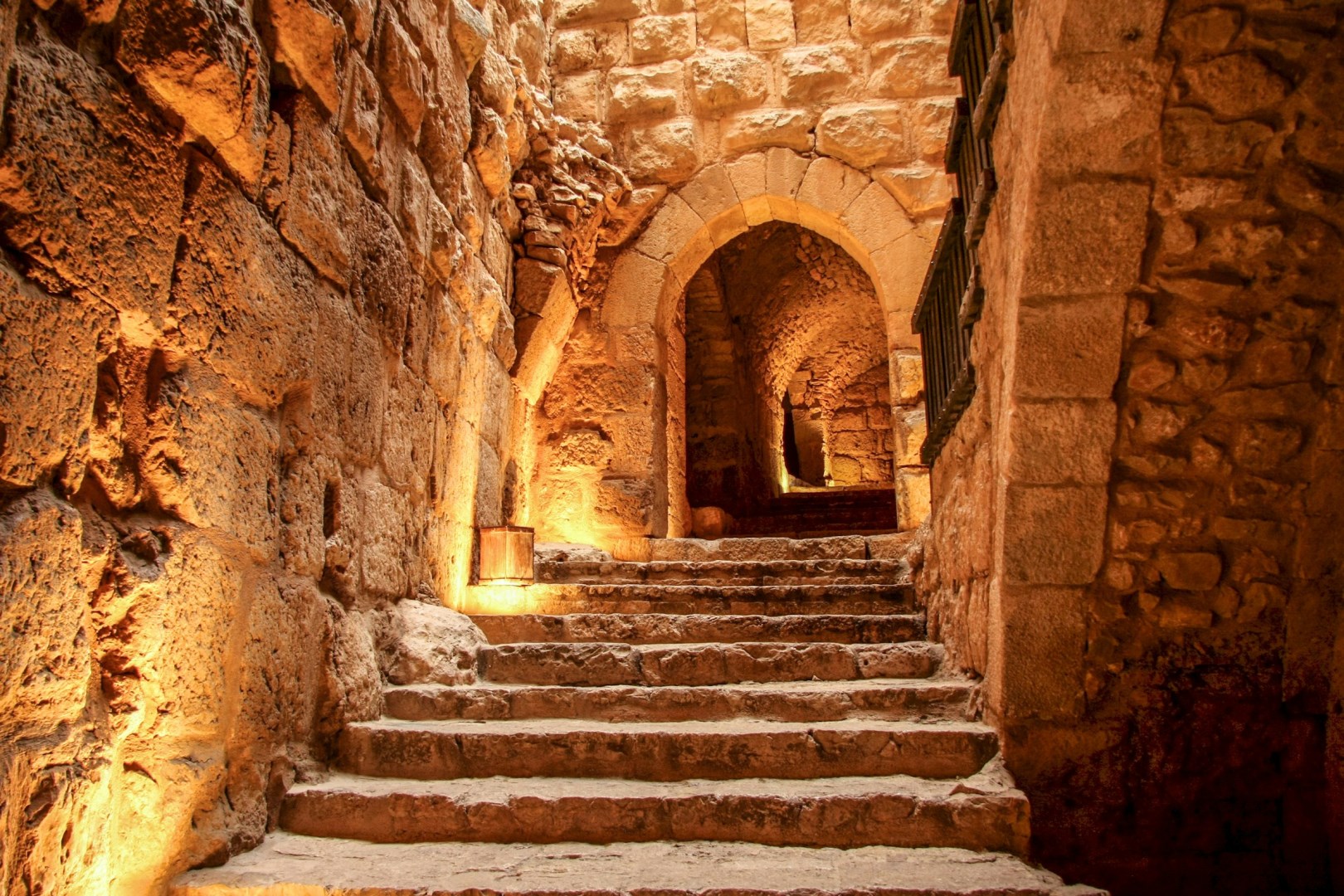
Attractions in Ajloun include the 12th century Saracen Castle built by Saladin in the campaign against the Crusaders.
Cape May
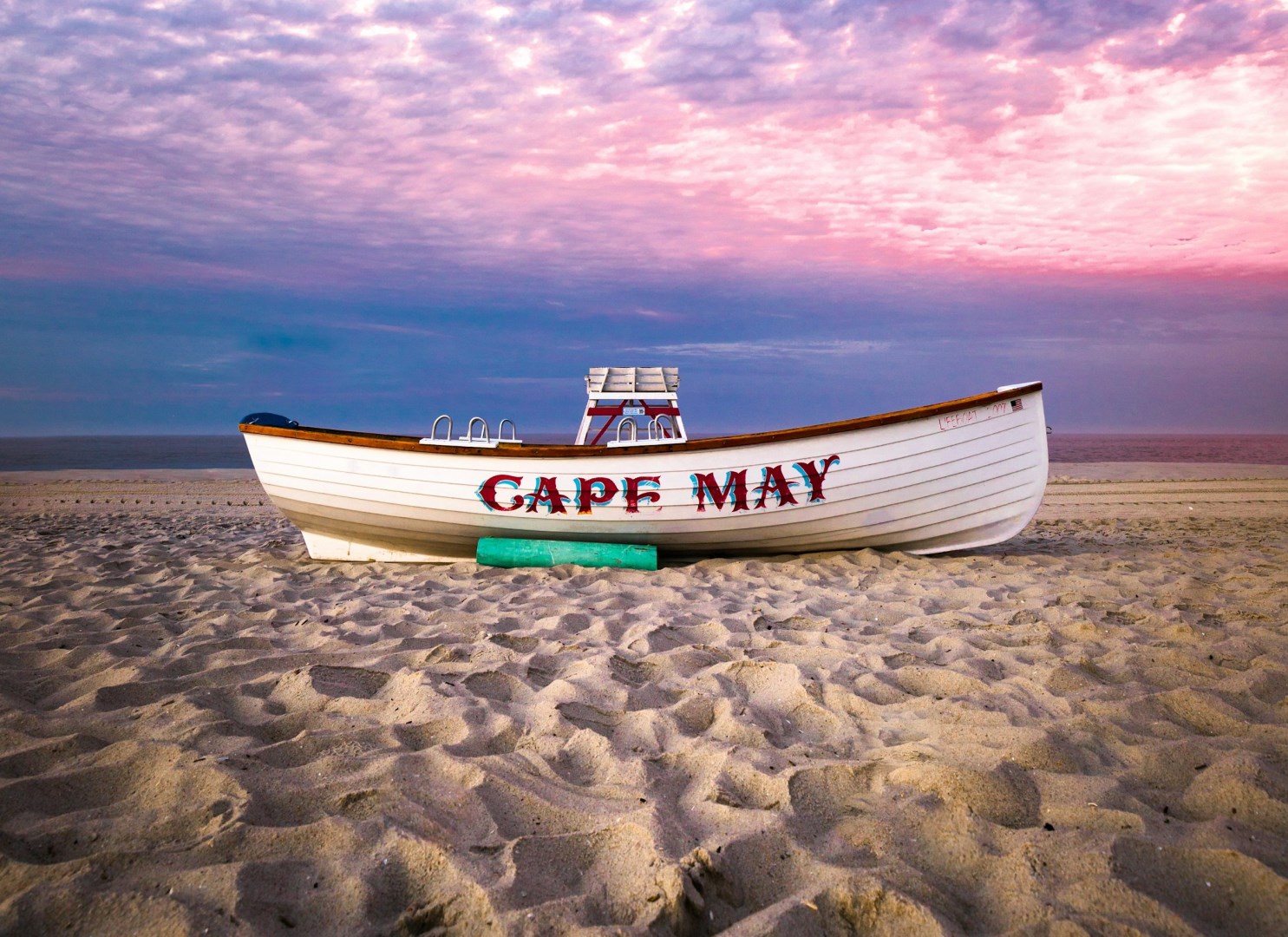
Picturesque Cape May holds the distinction of being the oldest seashore resort in the United States and one of the most unique. Stretching 20 miles out to sea, this oasis of ambiance is a refuge from the hectic 20th century American lifestyle. It is a place to relax, to enjoy the Atlantic Ocean, the city's charming Mall, and most of all, to view the largest collection of authentic Victorian structures in the nation.