Nebraska
Nebraska, often referred to as the "Heartland of America," is a hidden gem for travelers seeking natural beauty, rich history, and vibrant culture. While it may be best known for its vast plains, Nebraska offers so much more to those who take the time to explore. The capital city, Lincoln, is home to attractions like the stunning Nebraska State Capitol, an Art Deco masterpiece.
Williamsburg
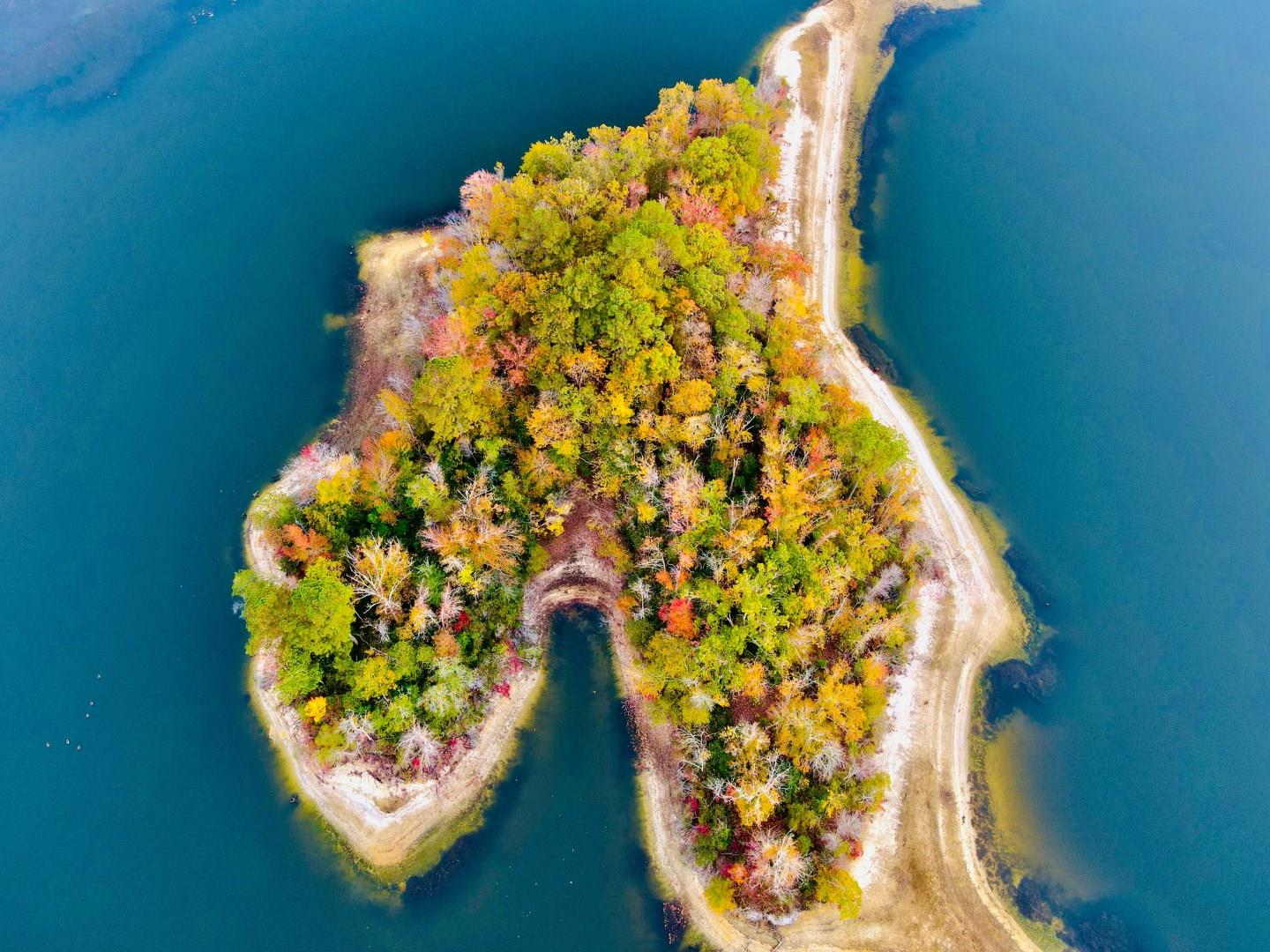
Williamsburg, Virginia offers visitors the unusual opportunity to walk through a fully reconstructed 18th-century city. As the capital of the Virginia Colony from 1699 to 1780, Williamsburg played a key role in early American politics and daily life. Today, Colonial Williamsburg spans over 300 acres and includes historic buildings, working tradespeople, and costumed interpreters who bring the Revolutionary era to life.

Uruguay
Uruguay may be one of South America's smallest countries, but it packs a striking variety of experiences into its compact borders. From the cobbled streets of Colonia del Sacramento to the avant-garde coastline of José Ignacio, Uruguay blends old-world charm with modern personality. Montevideo, the capital, offers a glimpse into everyday life with its seaside promenade, called the “Rambla,” which stretches over 20 kilometers along the Río de la Plata.
Rothenburg
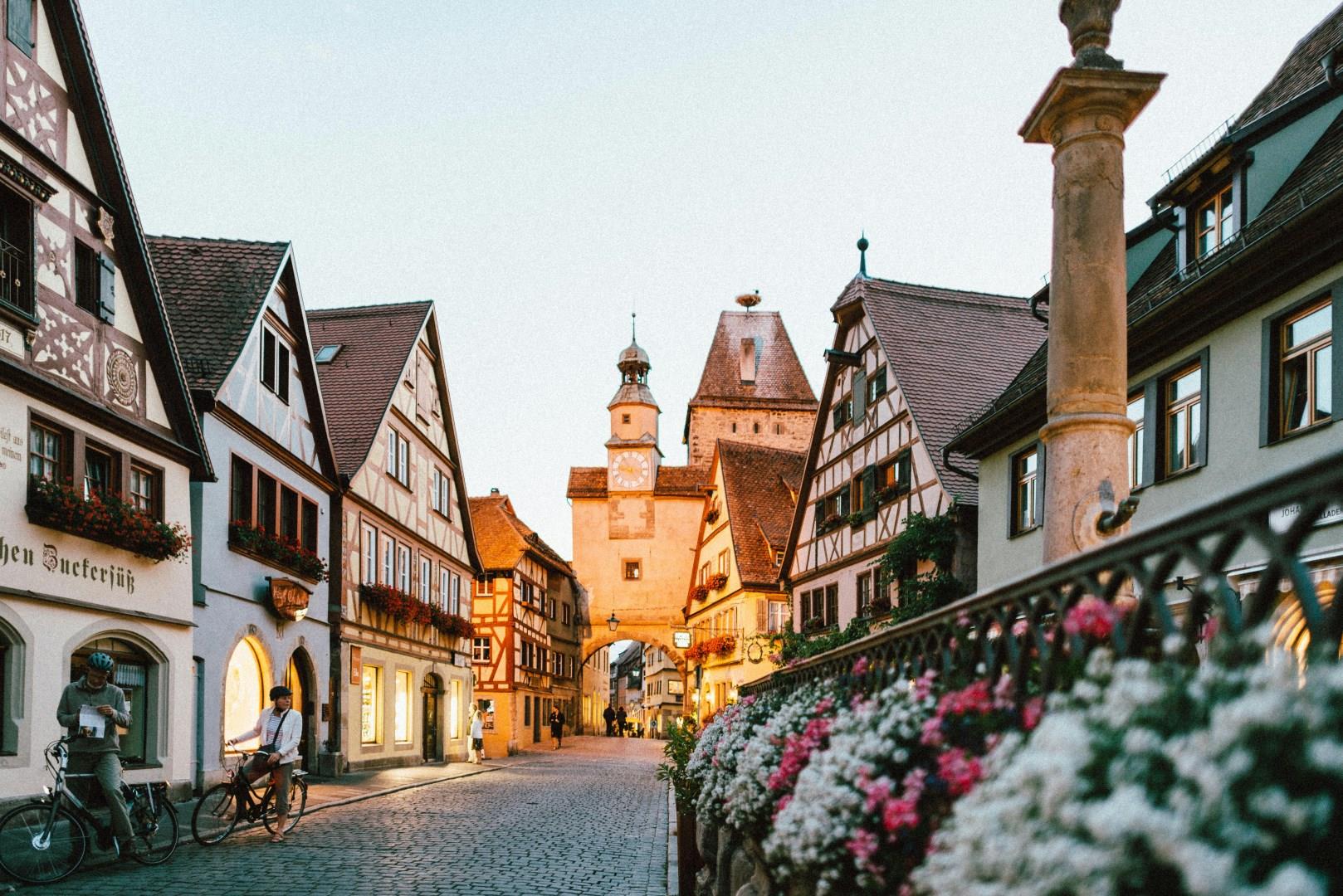
Rothenburg ob der Tauber rises above the Tauber River in Bavaria, where its medieval town center has stood largely unchanged for centuries, making it one of Germany’s most vivid windows into the past. This old walled city stretches along cobblestone streets where half-timbered houses, ancient towers, and narrow alleys invite visitors to wander and imagine life in the Middle Ages.
State College
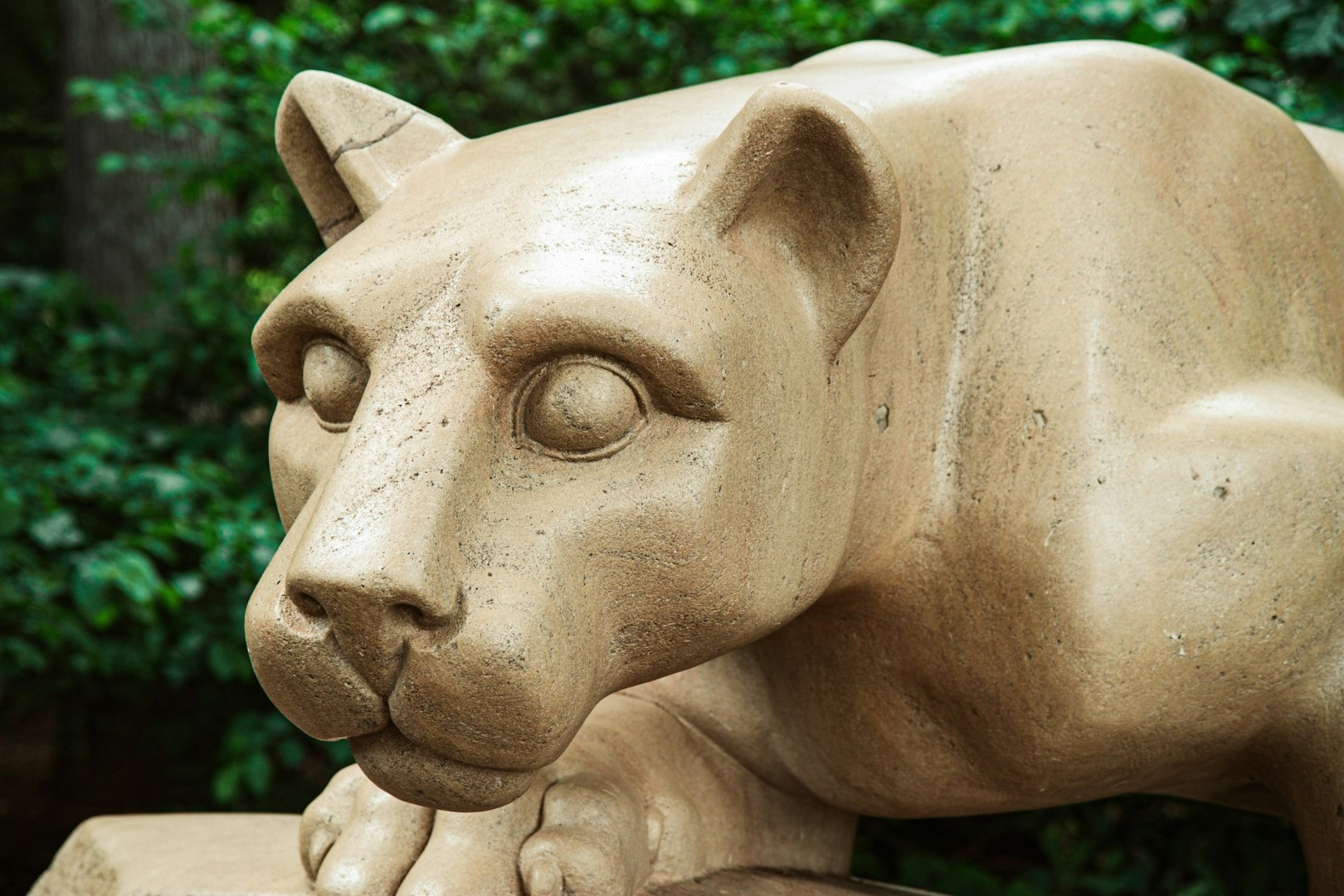
State College, borough, Centre County, central Pennsylvania, in the Nittany Valley; incorporated 1896. Situated in a fertile farm area, it is chiefly residential and has research and development firms producing electrical and electronic equipment, ceramic chips, and computer soft-ware. Other products include printed materials and chemicals. The Christopher Columbus family chapel, moved from Spain in 1919, is locat-ed nearby. The community, settled in 1859, is named for Pennsylvania State College