Chianti
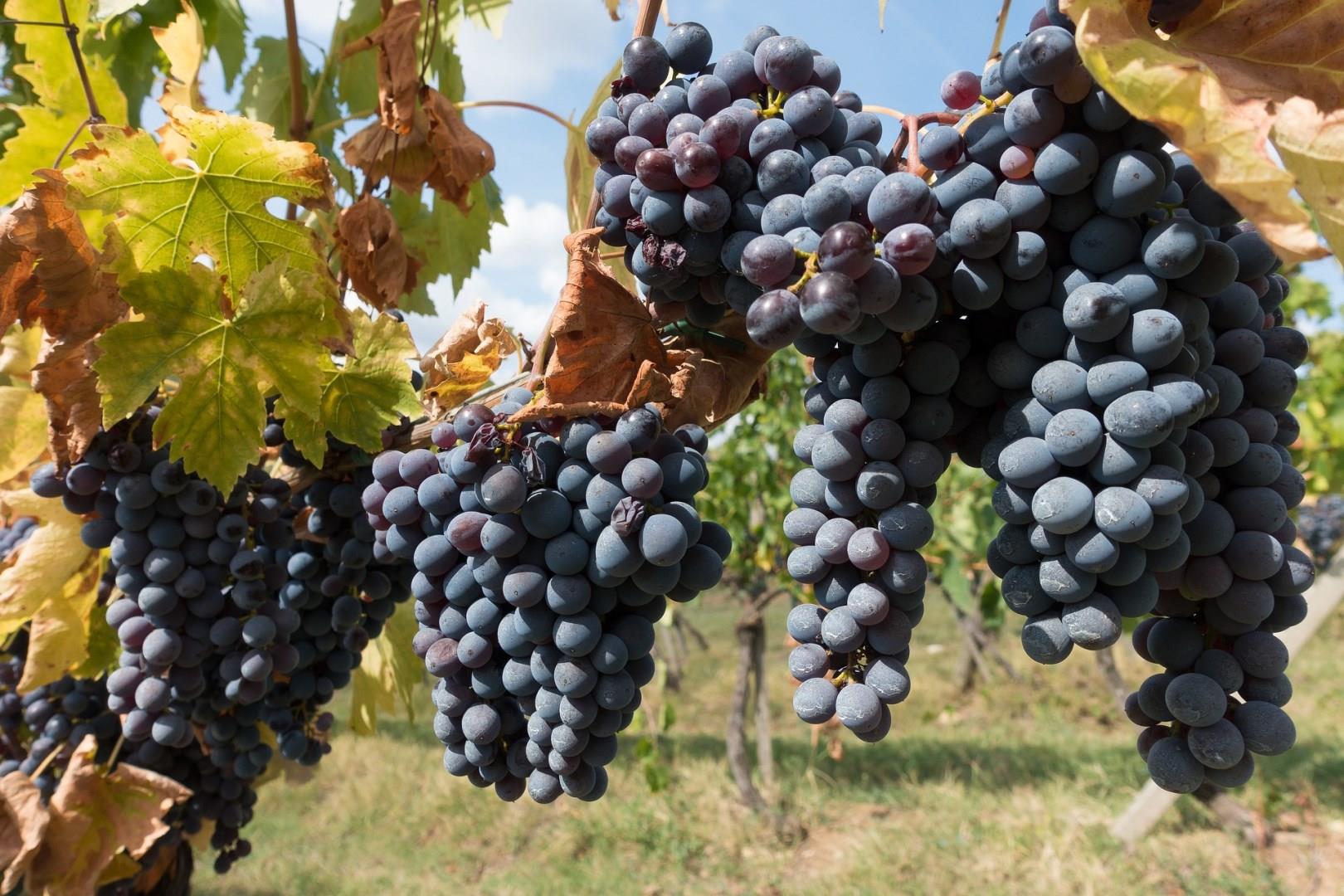
Chianti, nestled in the heart of Tuscany between Florence and Siena, is a world-renowned wine region that exudes quintessential Italian charm. Famous for its rolling hills, cypress-lined roads, and sprawling vineyards, Chianti offers travelers an unforgettable experience of Italy’s rich viticulture and history. Visitors can explore charming medieval villages like Greve in Chianti and Castellina in Chianti, where cobbled streets, ancient stone buildings, and historic piazzas transport you back in

Helsinki
Nature is never far in Helsinki. Locals swim in the sea, walk forested trails, and gather mushrooms or berries all within city limits. One popular local habit is heading to the sauna, and the city offers several open-to-the-public options. Löyly, located on the waterfront, combines traditional wood-burning saunas with a sleek, modern design. In winter, visitors can even pair a sauna session with a quick dip through a hole cut in the ice for an experience both shocking and strangely calming.
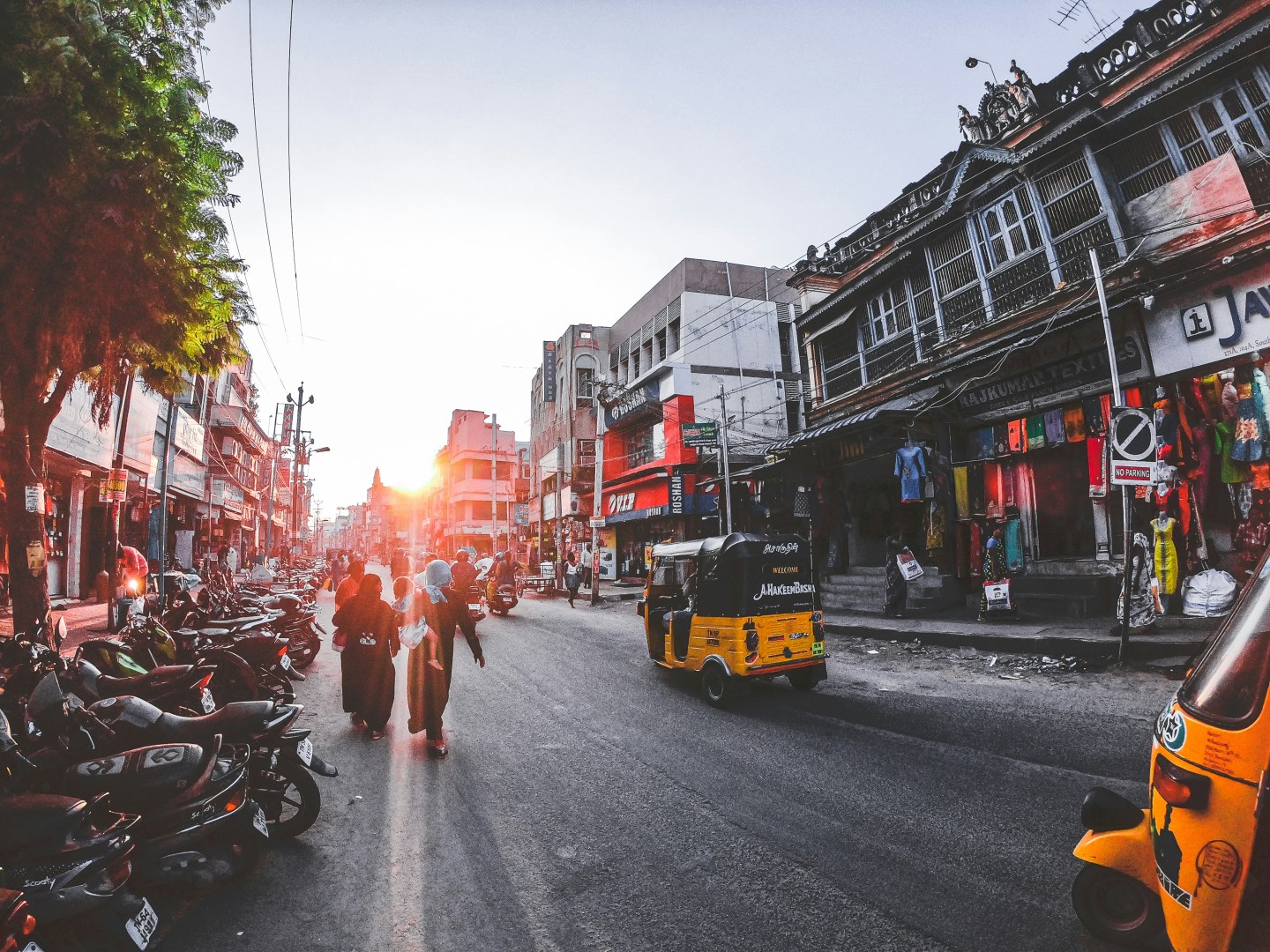
Madurai
Madurai is a major city in the southern Indian state of Tamil Nadu, known for its long-standing role as a center of religion, trade, and learning. Set along the Vaigai River, it has grown into a busy urban area while retaining a strong connection to its temple-centered layout.
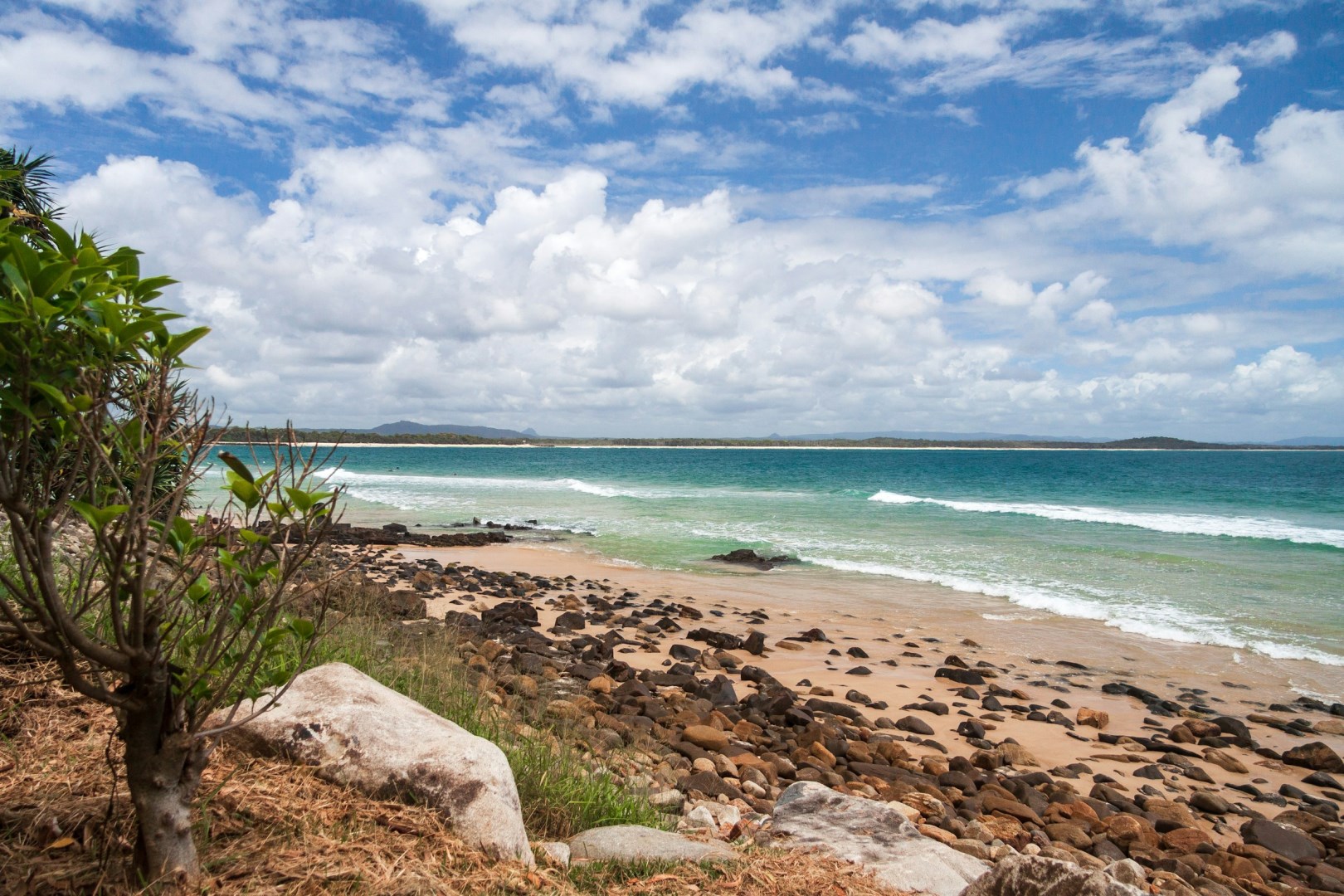
Noosa Heads
Noosa Heads, located on Queensland’s Sunshine Coast, is a coastal town renowned for its pristine beaches, lush hinterland, and relaxed yet sophisticated atmosphere. The town sits at the mouth of the Noosa River, where calm waterways meet the Pacific Ocean, creating ideal conditions for swimming, kayaking, and paddleboarding.
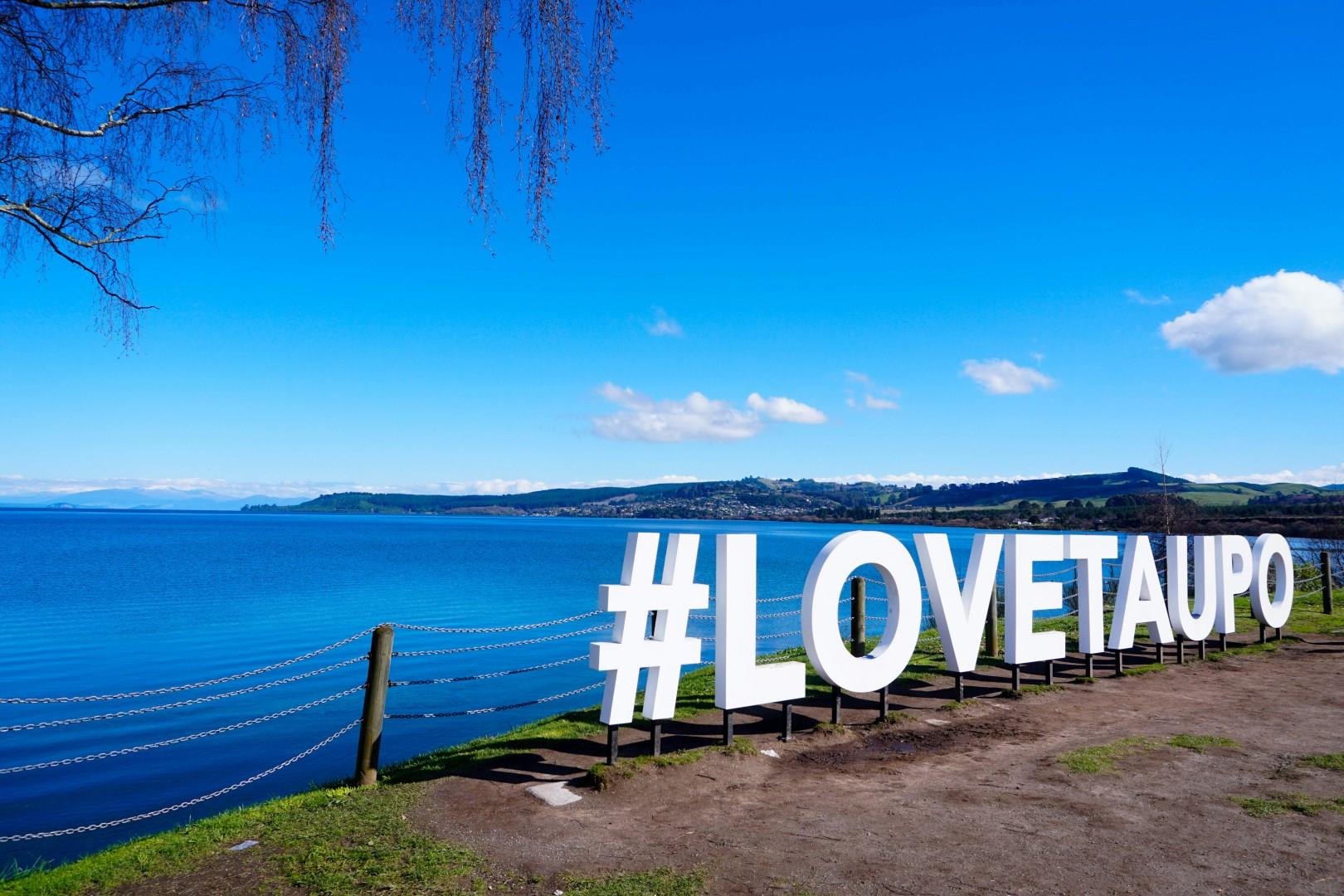
Taupo
Taupō, located in the heart of New Zealand’s North Island, is built along the shores of Lake Taupō, which is the largest freshwater lake in Australasia, formed nearly two thousand years ago by a massive volcanic eruption. That eruption was so powerful, it was recorded in ancient Chinese and Roman texts, even though it occurred halfway across the world. Today, the lake is calm, clear, and central to life in the region, offering everything from trout fishing to kayaking and lakeside cycling.