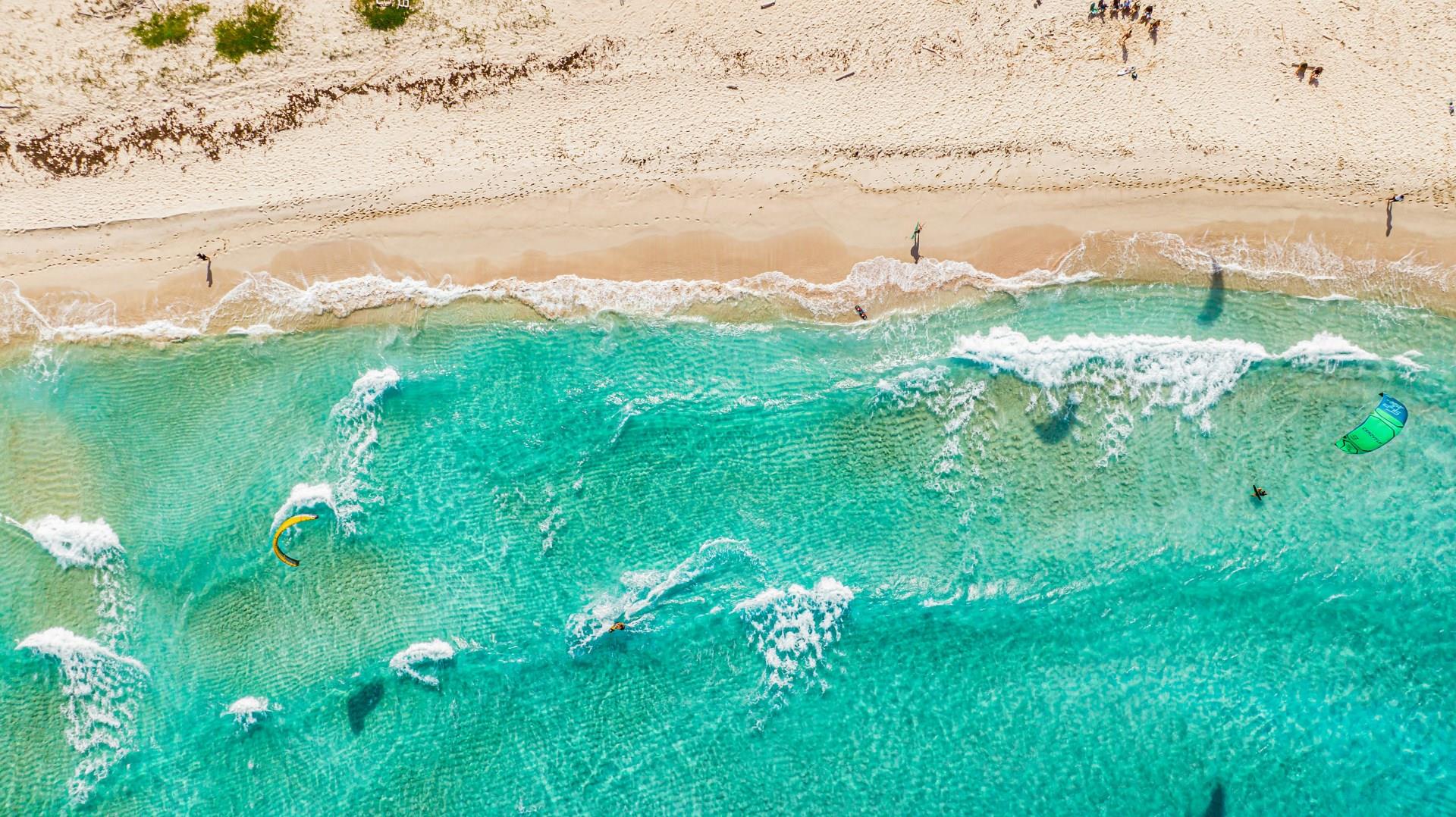
San Nicolas, known as Aruba’s “Sunrise City,” offers a completely different vibe from the island’s resort-heavy northwest coast. Located at the southeastern tip, this former oil refinery town has reinvented itself as the cultural heart of Aruba, filled with vibrant street art, local galleries, and a strong sense of community.
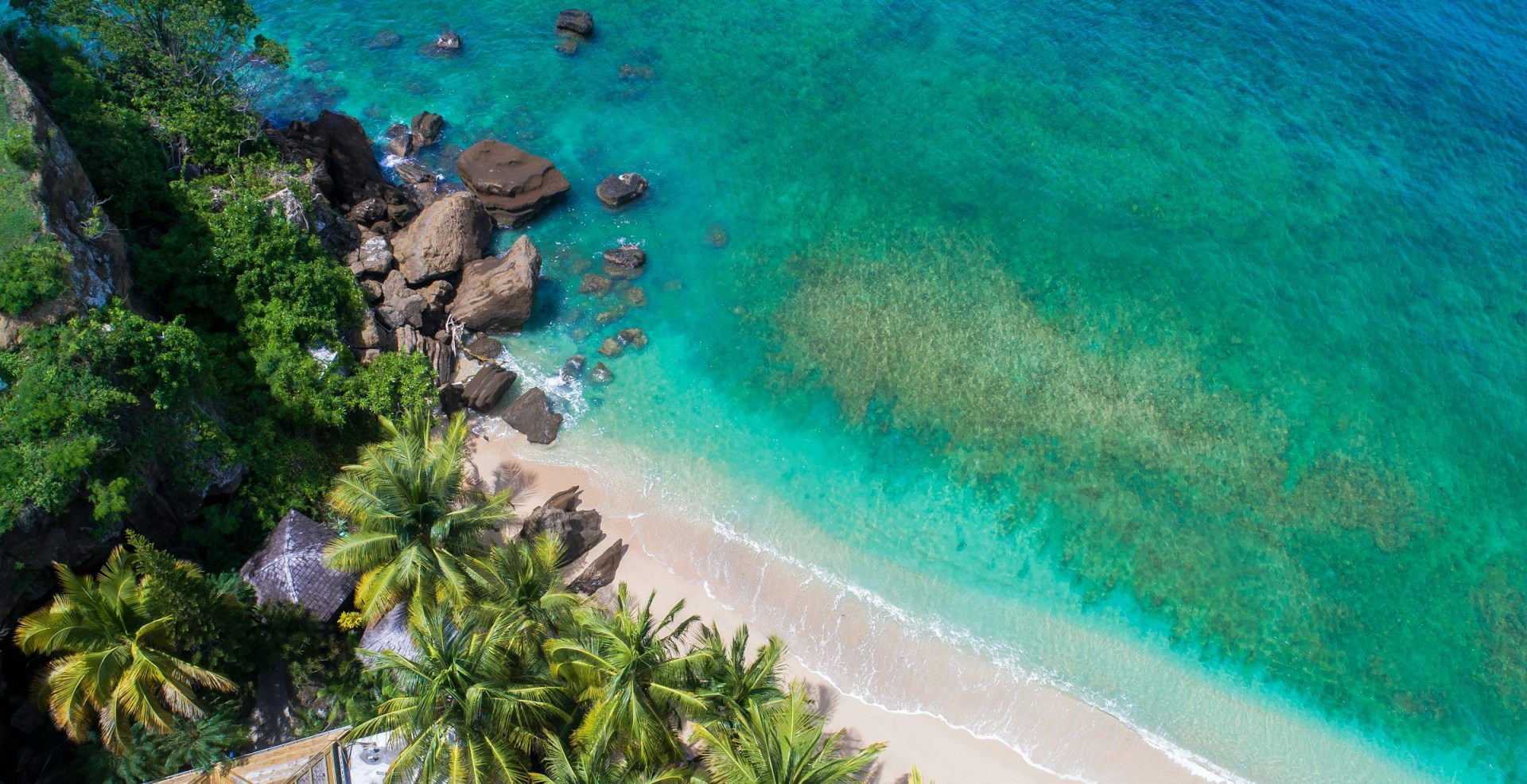
You'll know why picturesque Grenada is known as the "spice island" when you notice the scent of nutmeg, vanilla and cocoa in the air. Grenada's waterfalls, lush rain forests, volcanic crater lake, tiny villages, cocoa, nutmeg and banana plantations, rum distilleries, scenic hiking trips, pristine coral reefs, and hidden-away unspoiled beaches all make Grenada one of the most popular ecotourism destinations for those who like to discover off-the-beaten-track natural beauty and charm.
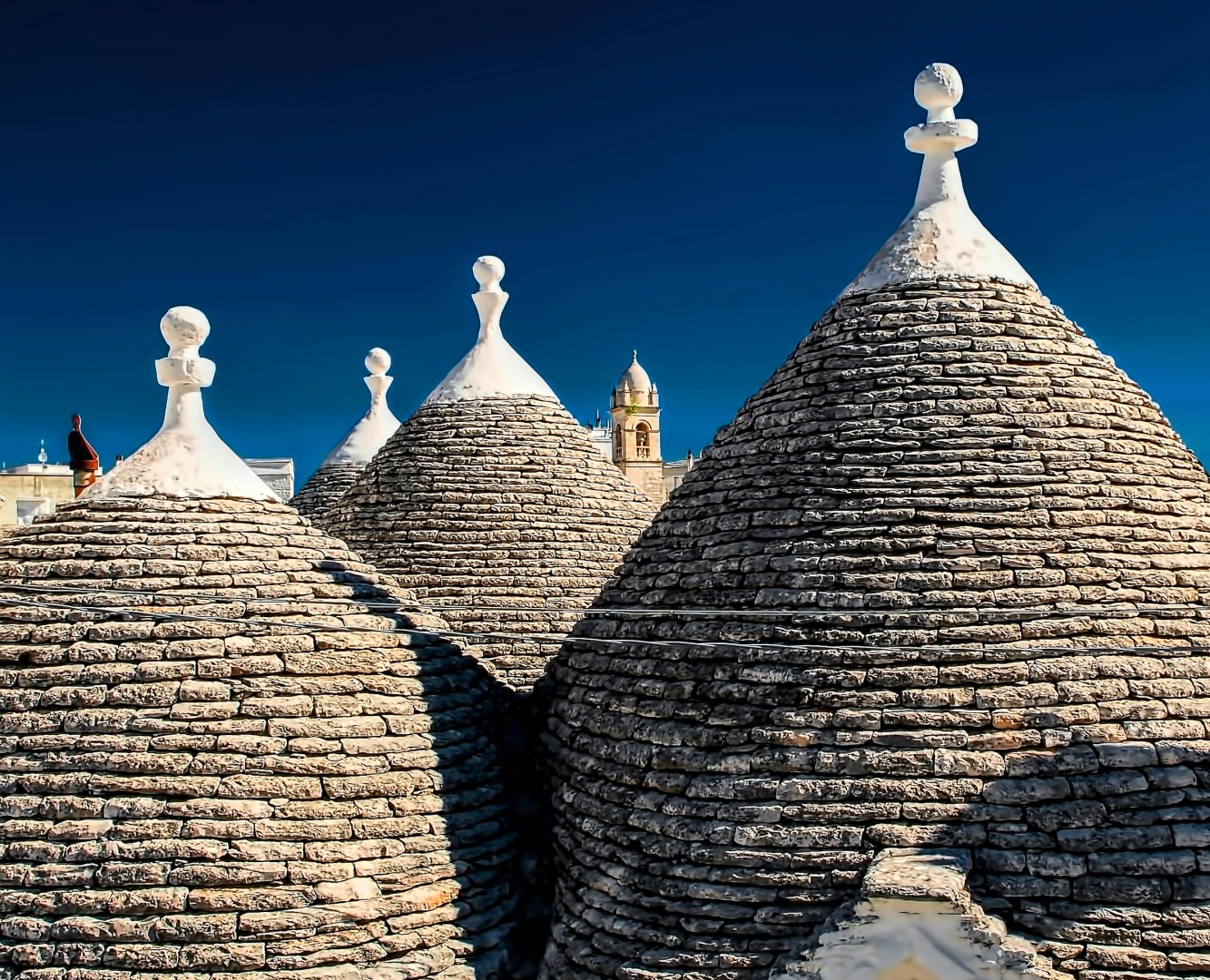
Alberobello in southern Italy’s Puglia region captures the imagination with its distinctive trulli houses. These structures were built using a dry-stone technique passed down over centuries, without mortar or cement, and their unique form comes from layer upon layer of limestone nestled from nearby fields. Alberobello’s trulli are so remarkable that in 1996 the historic center was inscribed as a UNESCO World Heritage Site, where more than 1,600 of these buildings still stand.
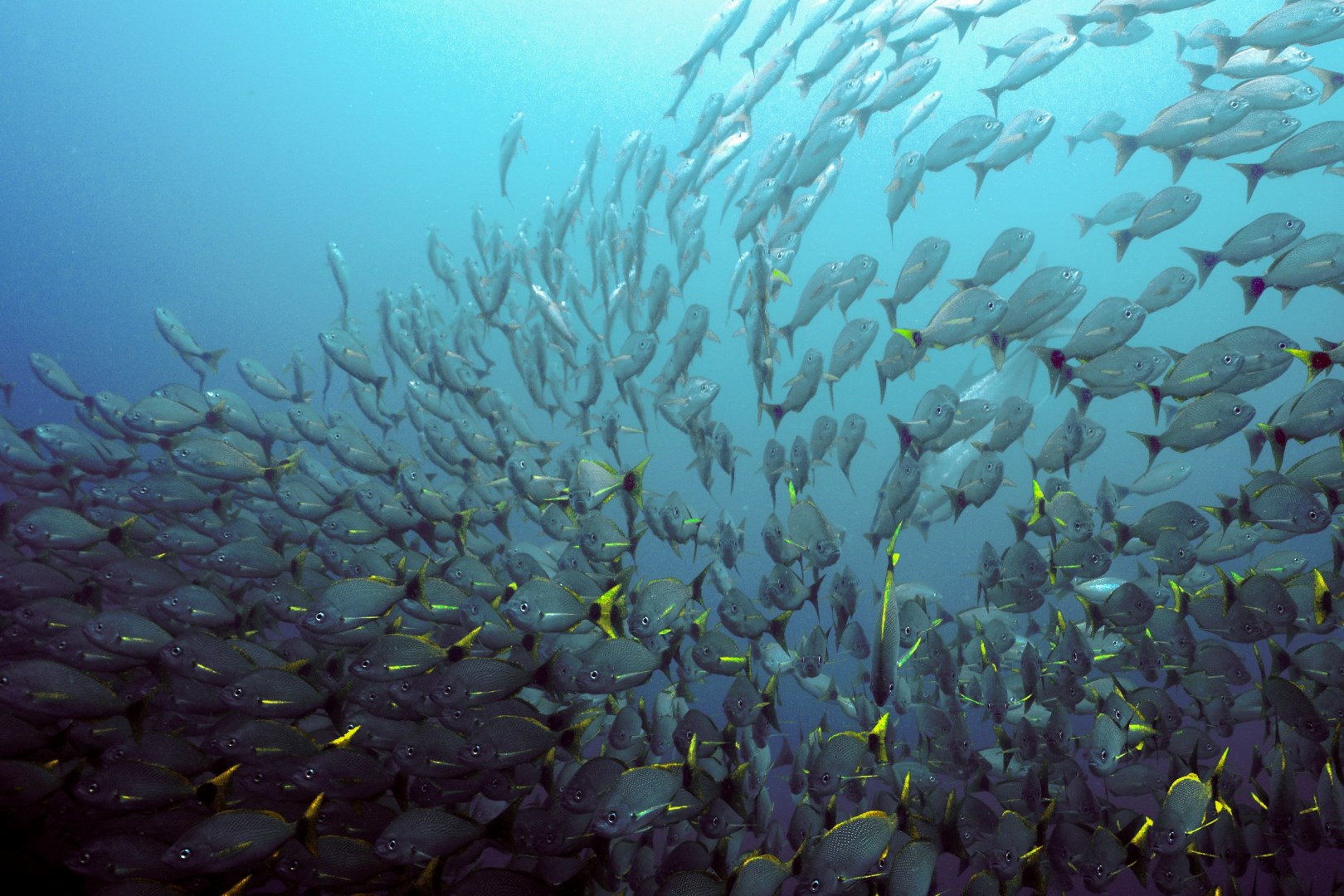
The snorkeling is extraordinary in the reefs of Cano Island. Cano has its roots in pre-Columbian trading and is also a former burial ground for coastal Indians.
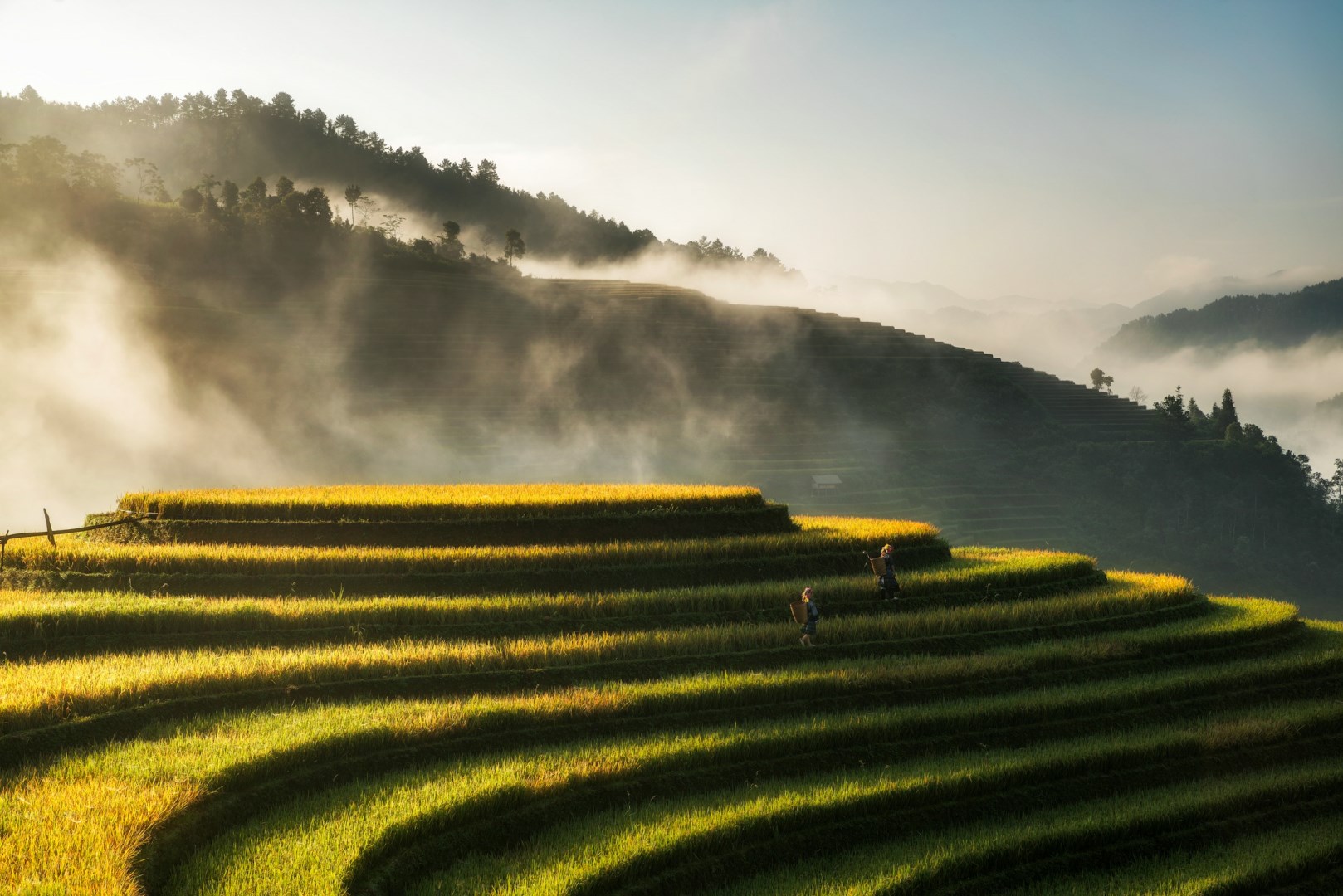
The scenic Mu Cang Chai rice terraces are one of the most popular tourist and photographer locations in the world! The best time to visit is from Mid-September to Mid-October during the season when the rice fields are ready for harvest.
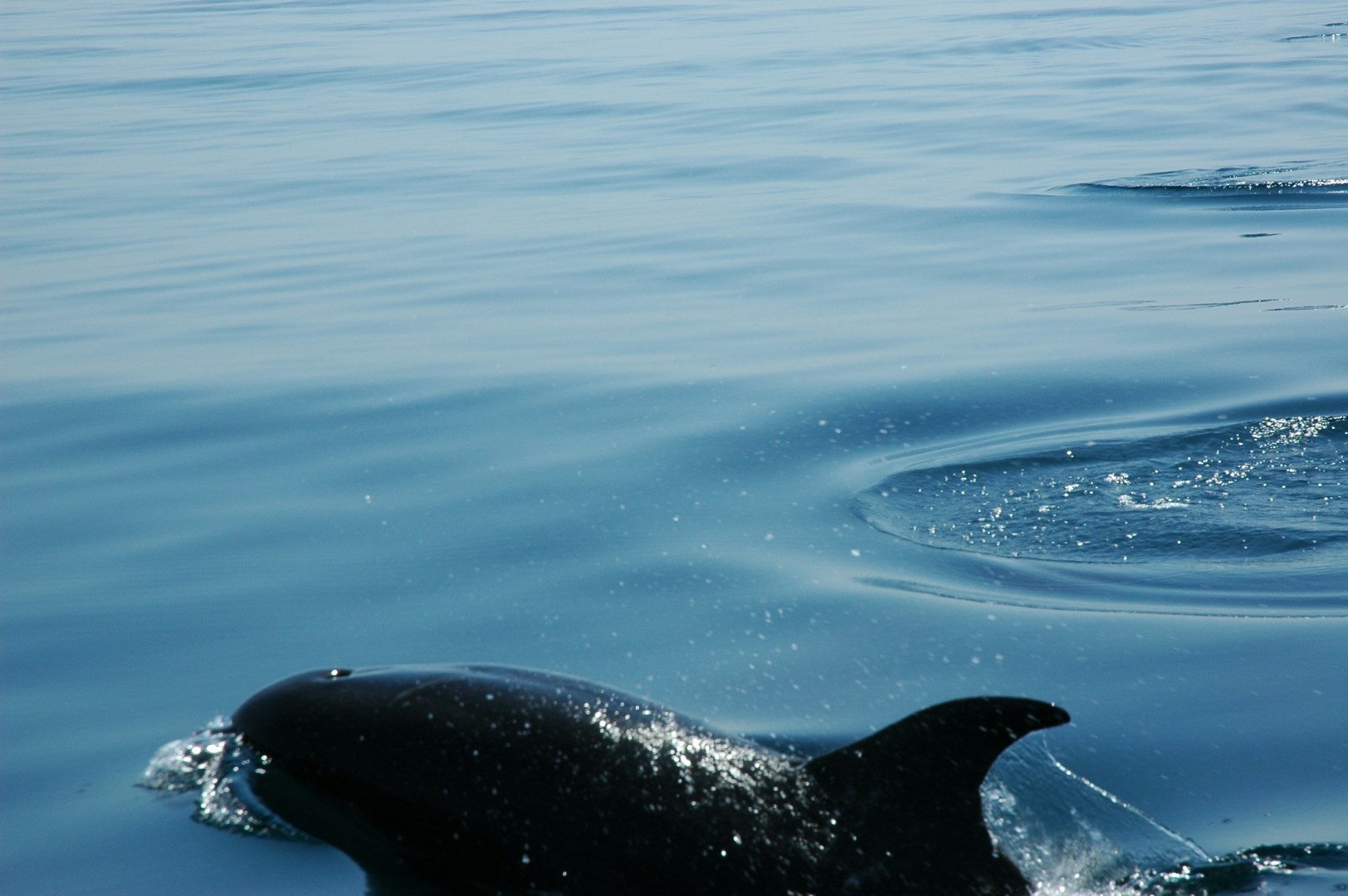
The Gulf of California, also known as the Sea of Cortez, is a dazzling stretch of water that separates the Baja California Peninsula from mainland Mexico. This remarkable body of water offers a paradise for nature enthusiasts and adventure seekers alike. The Gulf is renowned for its crystal-clear waters, rich marine life, and striking desert landscapes. It serves as a vital breeding ground for numerous species, including the majestic blue whale, which is one of the largest animals on the planet.
The Gulf of California is home to a range of activities that cater to all kinds of travelers. Kayaking, snorkeling, and diving are popular pastimes, with the clear waters providing spectacular visibility of vibrant coral reefs and abundant marine life. The island of Espíritu Santo, a UNESCO Biosphere Reserve, is a top destination for eco-tourism. Its pristine beaches and clear waters make it an ideal spot for swimming with sea lions and exploring the diverse marine ecosystems.
Adventure seekers will also be drawn to the rugged beauty of the Baja California Peninsula's coastline, where dramatic cliffs meet turquoise waters. The nearby town of La Paz offers charming local culture and excellent dining options, including fresh seafood caught from the Gulf. For those interested in the desert environment, the region's unique flora and fauna provide a striking contrast to the marine landscape.
Fun fact: The Gulf of California is considered one of the most biologically diverse marine regions in the world. It has more than 900 species of fish, and its isolated waters have led to the development of numerous endemic species, making it a hotspot for marine biology research and conservation National Oceanic and Atmospheric Administration (NOAA). This diversity makes it a must-visit for anyone interested in the natural world.