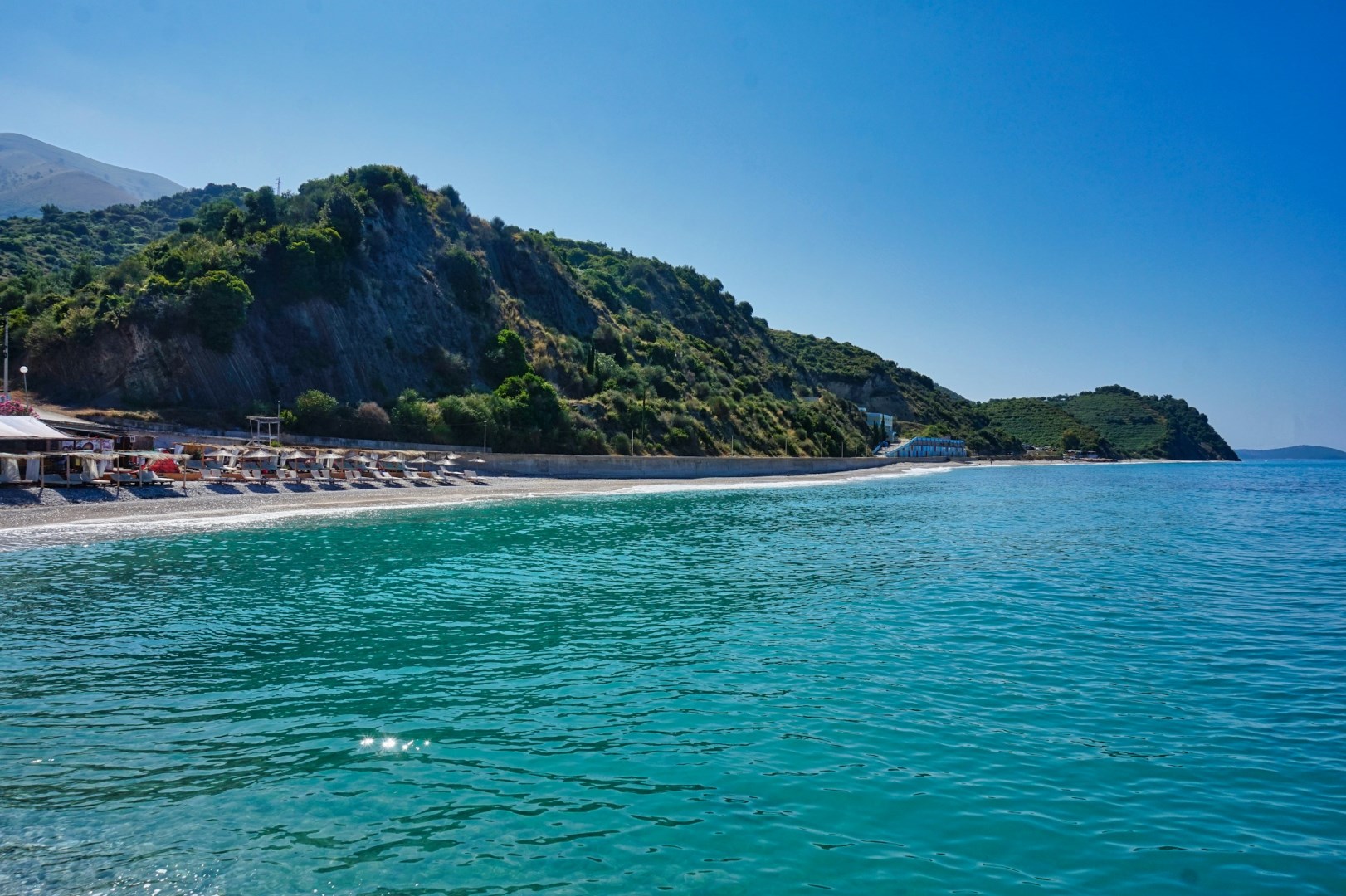
Cayenne, the lively capital of French Guiana, sits where the Cayenne River meets the Atlantic Ocean, blending South American rhythms with French-Caribbean influence. While it's officially part of France, Cayenne feels worlds away from Paris, with colorful markets, colonial architecture, and a language mix that includes French, Creole, Portuguese, and Indigenous dialects.
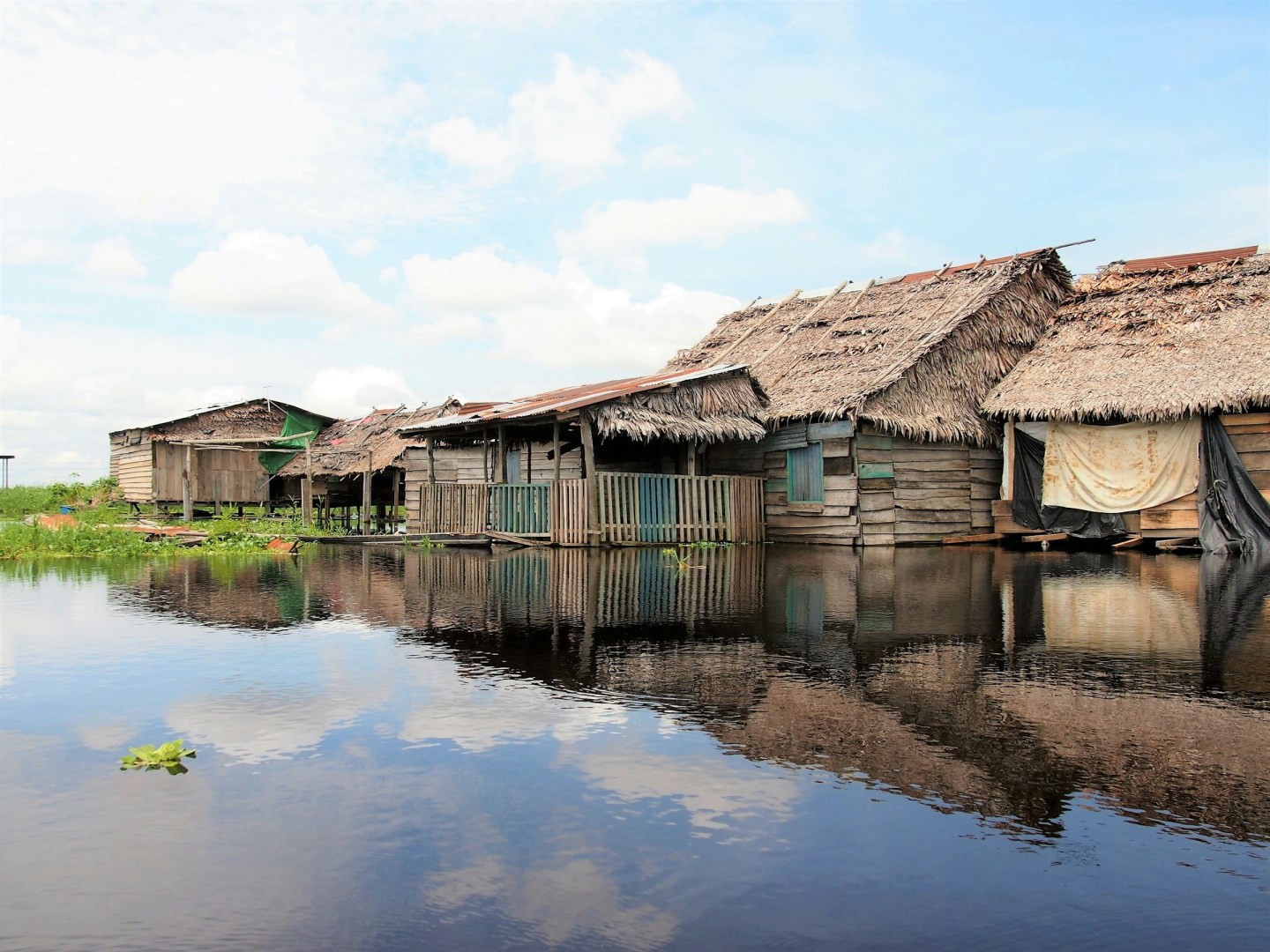
Tortuguero, located on Costa Rica’s remote northern Caribbean coast, is a destination unlike any other in the country. Accessible only by boat or small aircraft, this coastal village sits between the Caribbean Sea and a network of freshwater canals. Its name, meaning "place of turtles," comes from the thousands of sea turtles that arrive annually to lay their eggs on its beaches, including green, leatherback, and hawksbill turtles.
Ubud lies in the uplands of central Bali and has long been regarded as the island’s cultural and spiritual heart. Historically a center for healing and royal patronage, the town developed around temples, palaces, and traditional villages that supported dance, painting, woodcarving, and ritual life.
Ulm, Germany, a picturesque city on the banks of the Danube River, offers a rich tapestry of history and modern charm. Dominating its skyline is the Ulm Minster, home to the tallest church steeple in the world at 161.5 meters (530 feet). This Gothic masterpiece invites visitors to climb its 768 steps for a breathtaking panoramic view of the city and the surrounding countryside.
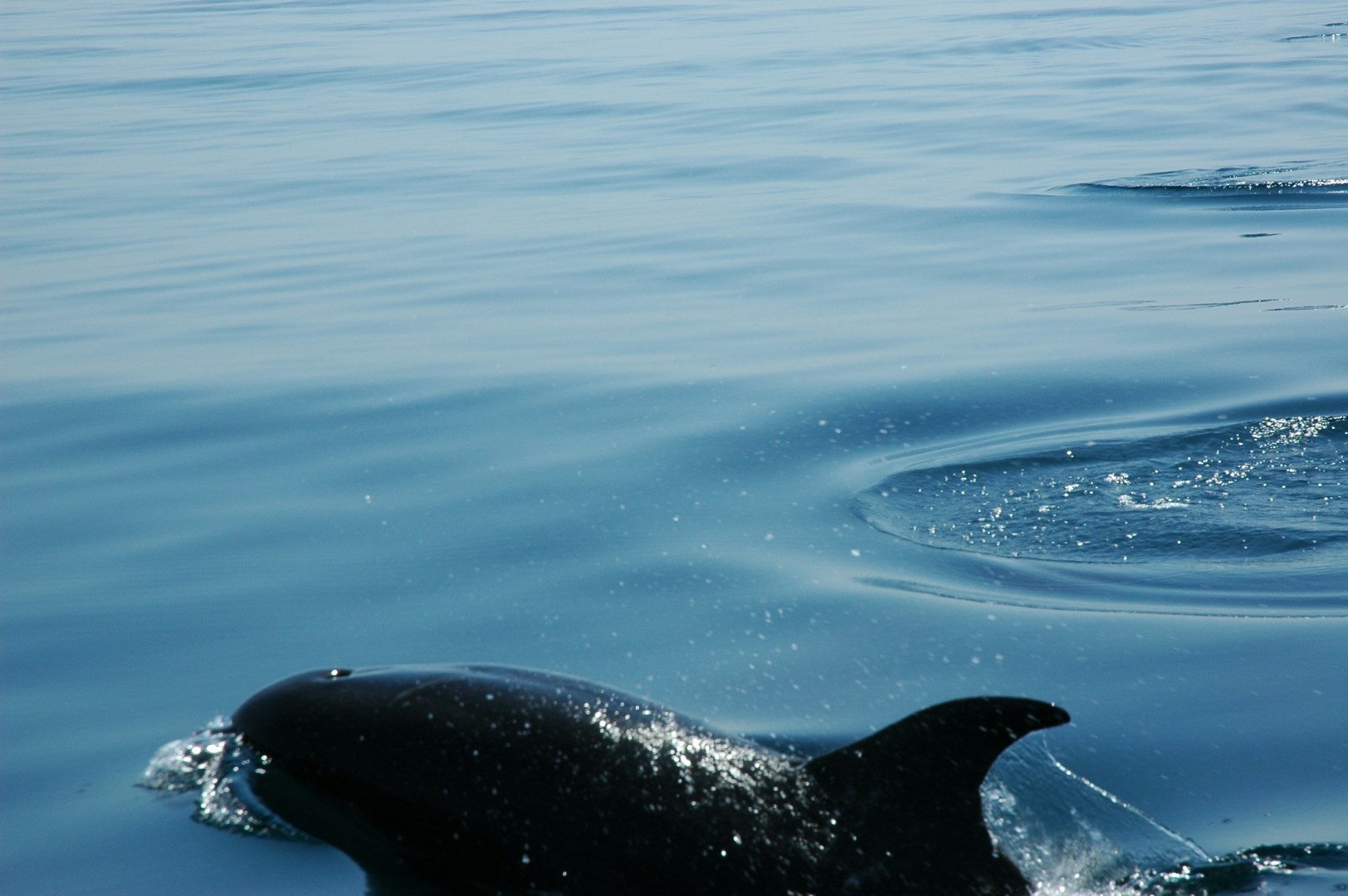
The Gulf of California, also known as the Sea of Cortez, is a dazzling stretch of water that separates the Baja California Peninsula from mainland Mexico. This remarkable body of water offers a paradise for nature enthusiasts and adventure seekers alike. The Gulf is renowned for its crystal-clear waters, rich marine life, and striking desert landscapes. It serves as a vital breeding ground for numerous species, including the majestic blue whale, which is one of the largest animals on the planet.
The Gulf of California is home to a range of activities that cater to all kinds of travelers. Kayaking, snorkeling, and diving are popular pastimes, with the clear waters providing spectacular visibility of vibrant coral reefs and abundant marine life. The island of Espíritu Santo, a UNESCO Biosphere Reserve, is a top destination for eco-tourism. Its pristine beaches and clear waters make it an ideal spot for swimming with sea lions and exploring the diverse marine ecosystems.
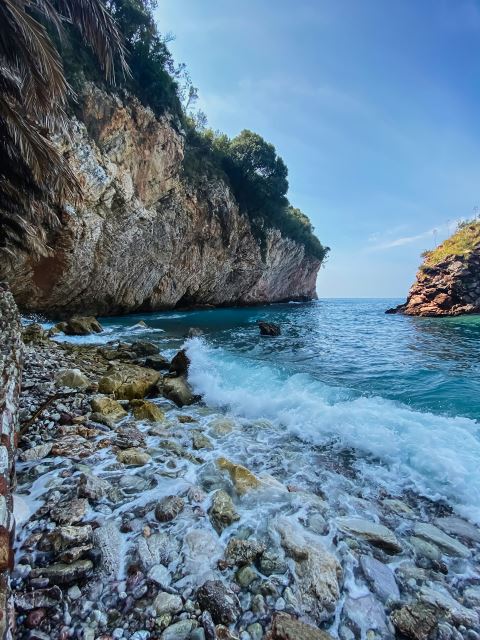
Adventure seekers will also be drawn to the rugged beauty of the Baja California Peninsula's coastline, where dramatic cliffs meet turquoise waters. The nearby town of La Paz offers charming local culture and excellent dining options, including fresh seafood caught from the Gulf. For those interested in the desert environment, the region's unique flora and fauna provide a striking contrast to the marine landscape.
Fun fact: The Gulf of California is considered one of the most biologically diverse marine regions in the world. It has more than 900 species of fish, and its isolated waters have led to the development of numerous endemic species, making it a hotspot for marine biology research and conservation National Oceanic and Atmospheric Administration (NOAA). This diversity makes it a must-visit for anyone interested in the natural world.