Yoho National Park
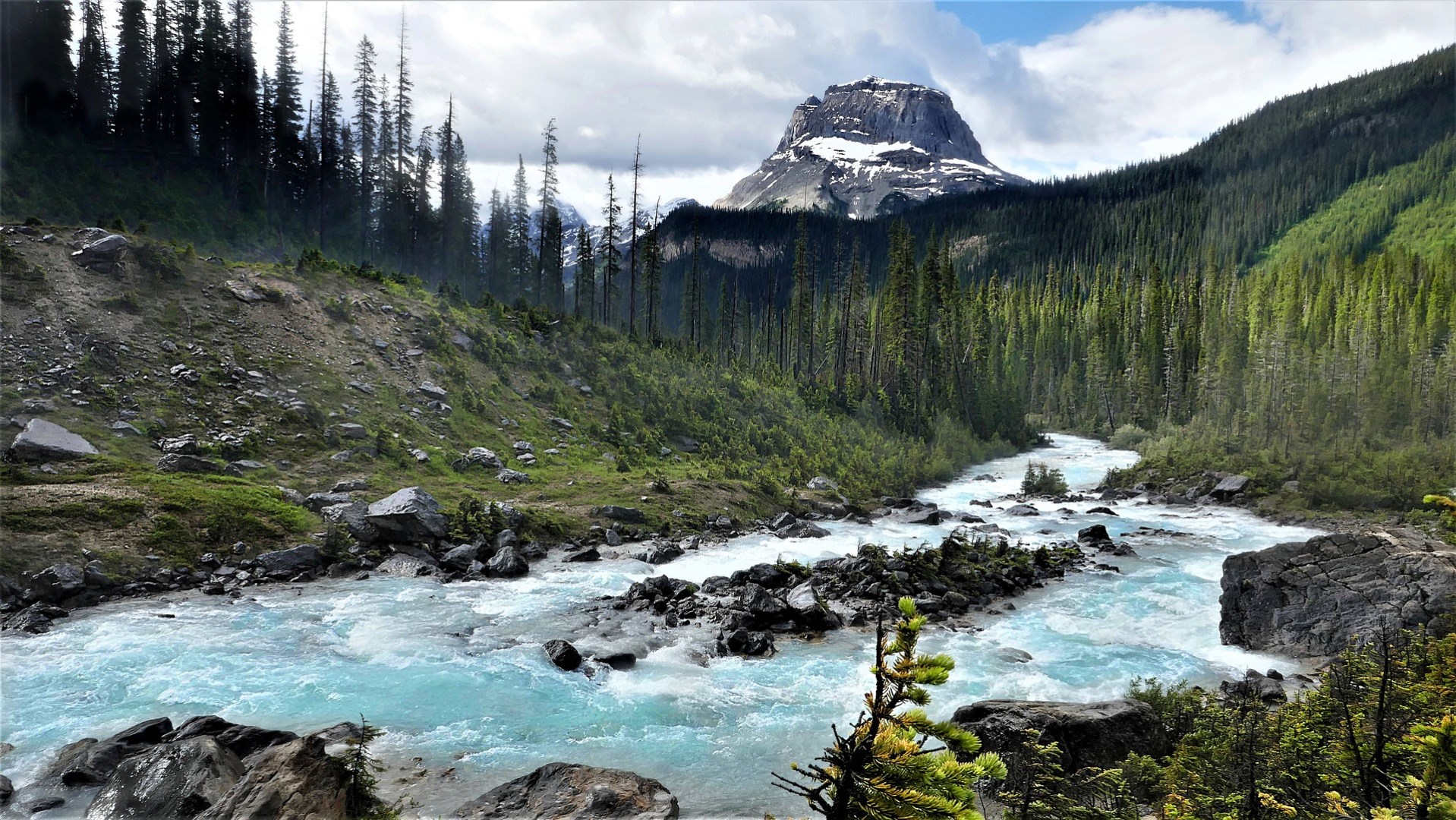
Yoho National Park lies on the western slopes of the Canadian Rockies in southeastern British Columbia, where the Continental Divide forms its eastern boundary. The park protects rugged mountain terrain, glaciers, alpine meadows, deep valleys, and fast-flowing rivers across more than 1,300 square kilometres. Its name comes from a Cree expression of amazement, reflecting the dramatic character of the landscape.
Grindelwald
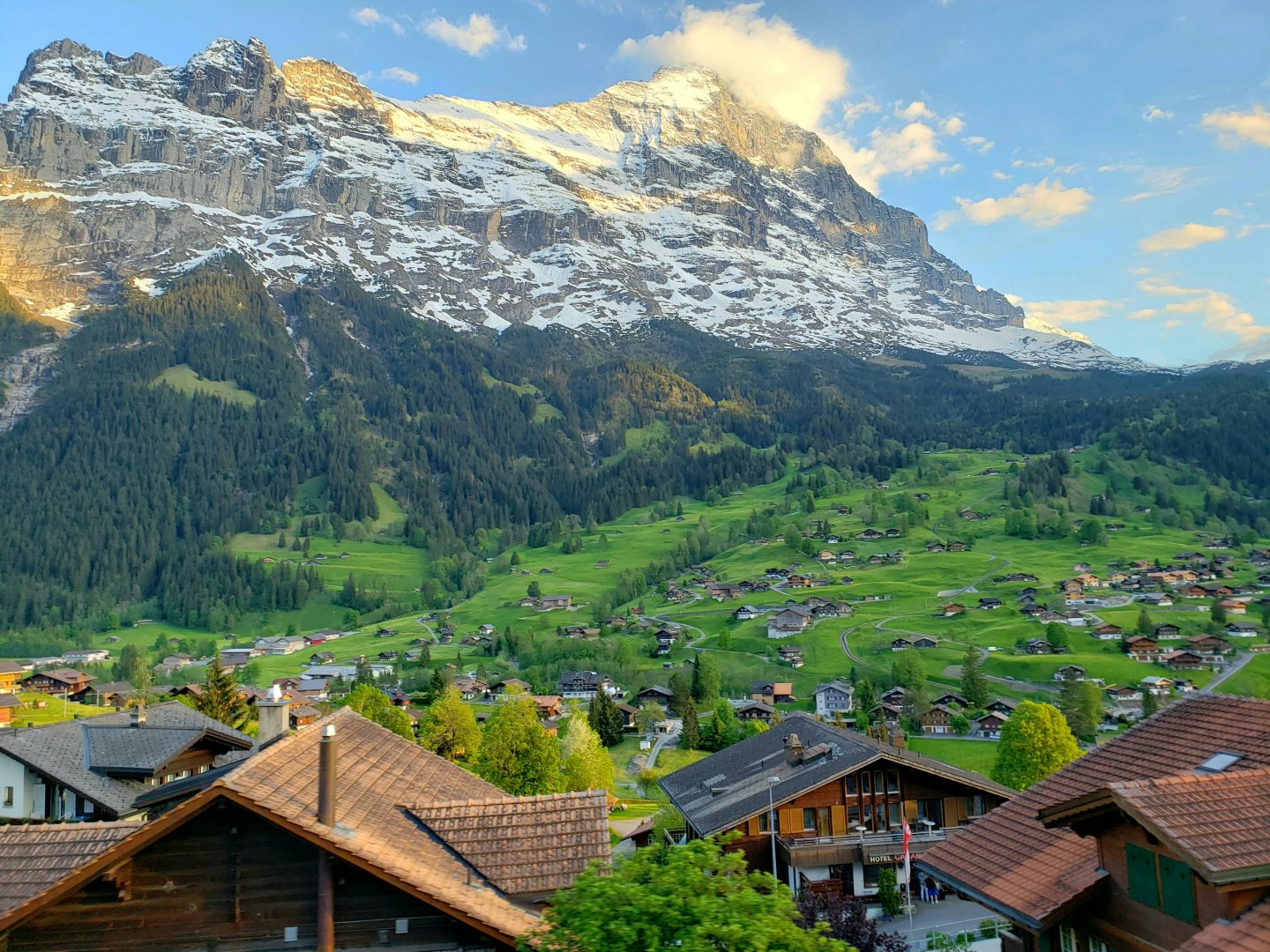
Set in a wide alpine valley beneath the north face of the Eiger, Grindelwald has long been a place where mountain life and mountaineering history intersect. The village grew from a farming settlement into one of Switzerland’s earliest alpine tourism hubs in the 19th century, when climbers, writers, and scientists arrived to study—and attempt—the surrounding peaks.
Nosy Komba
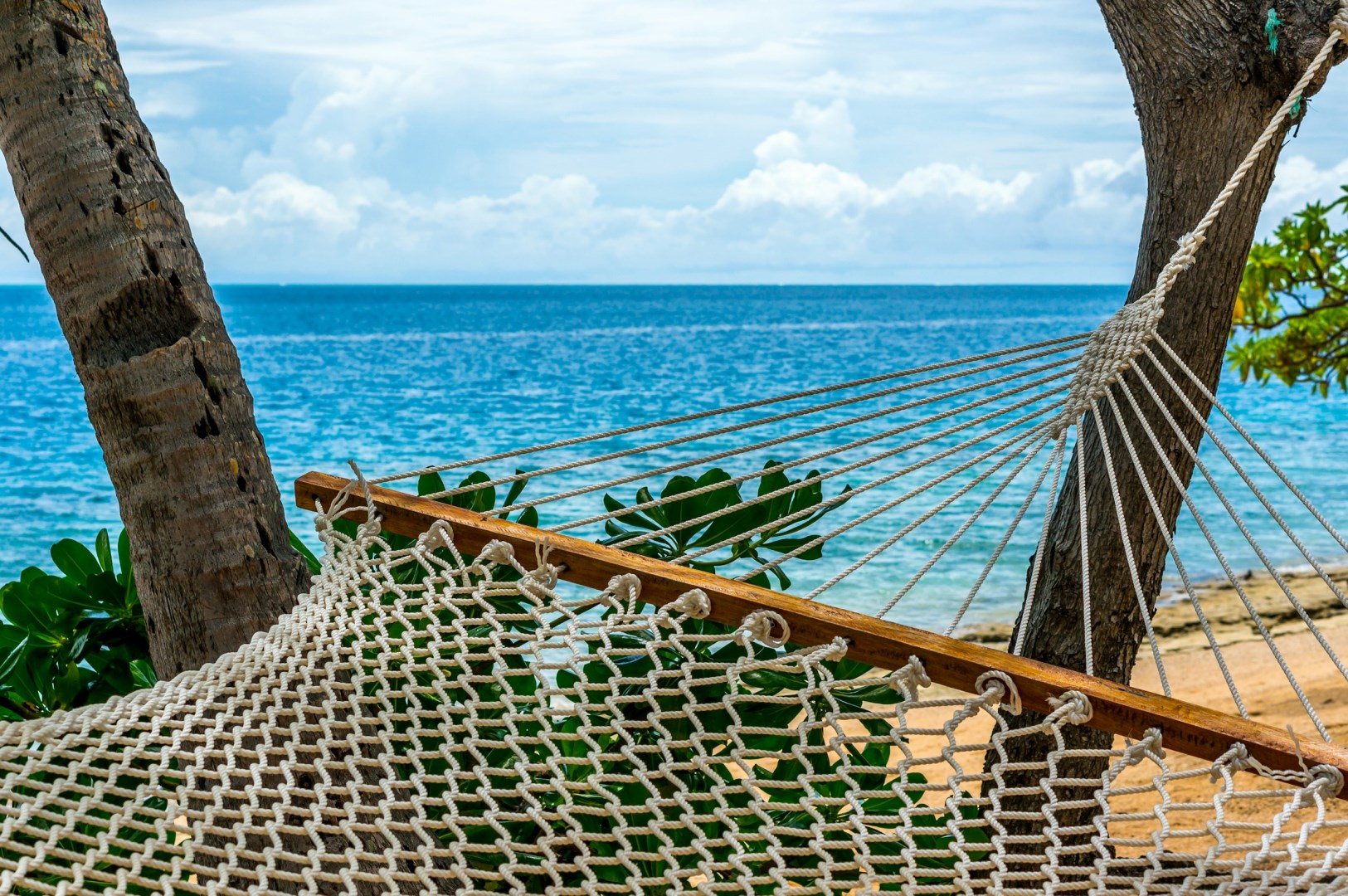
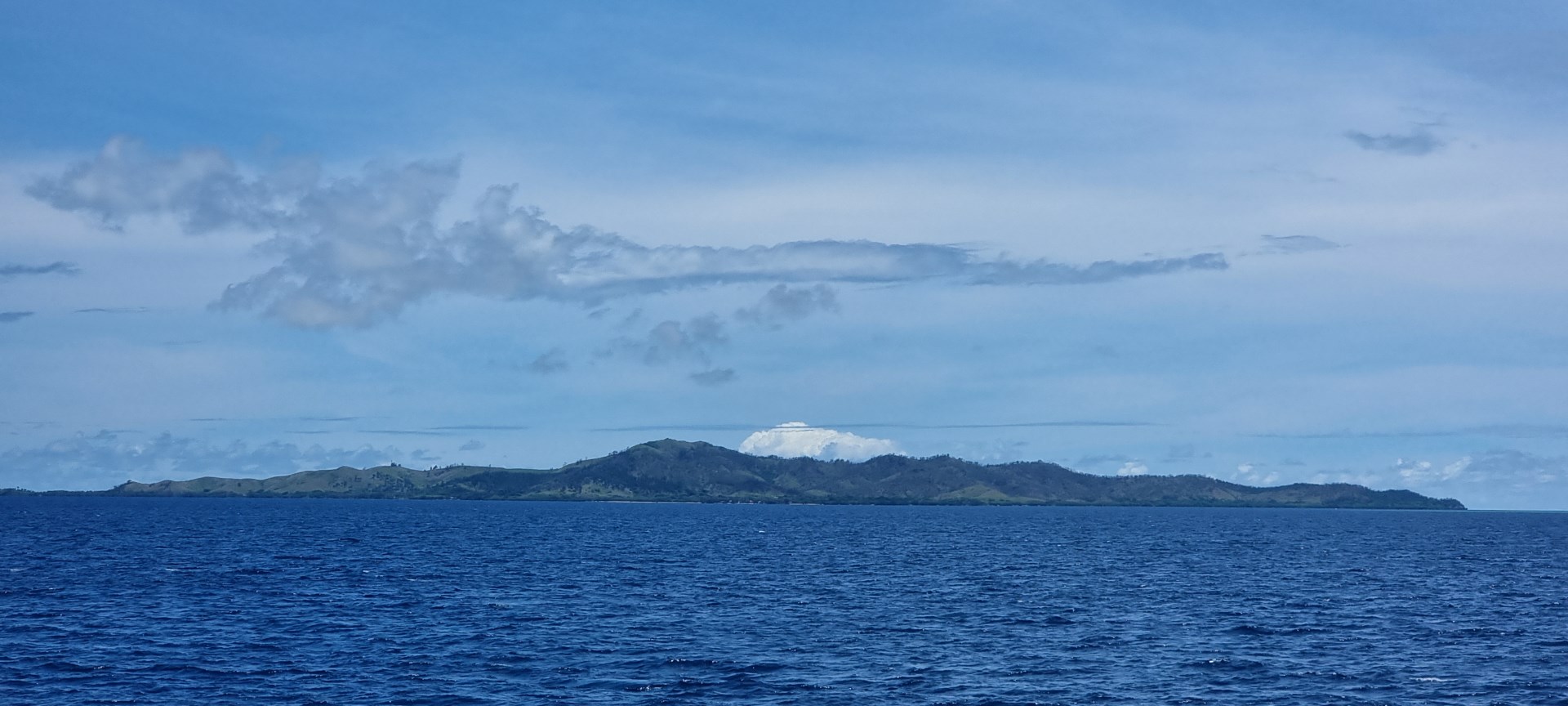
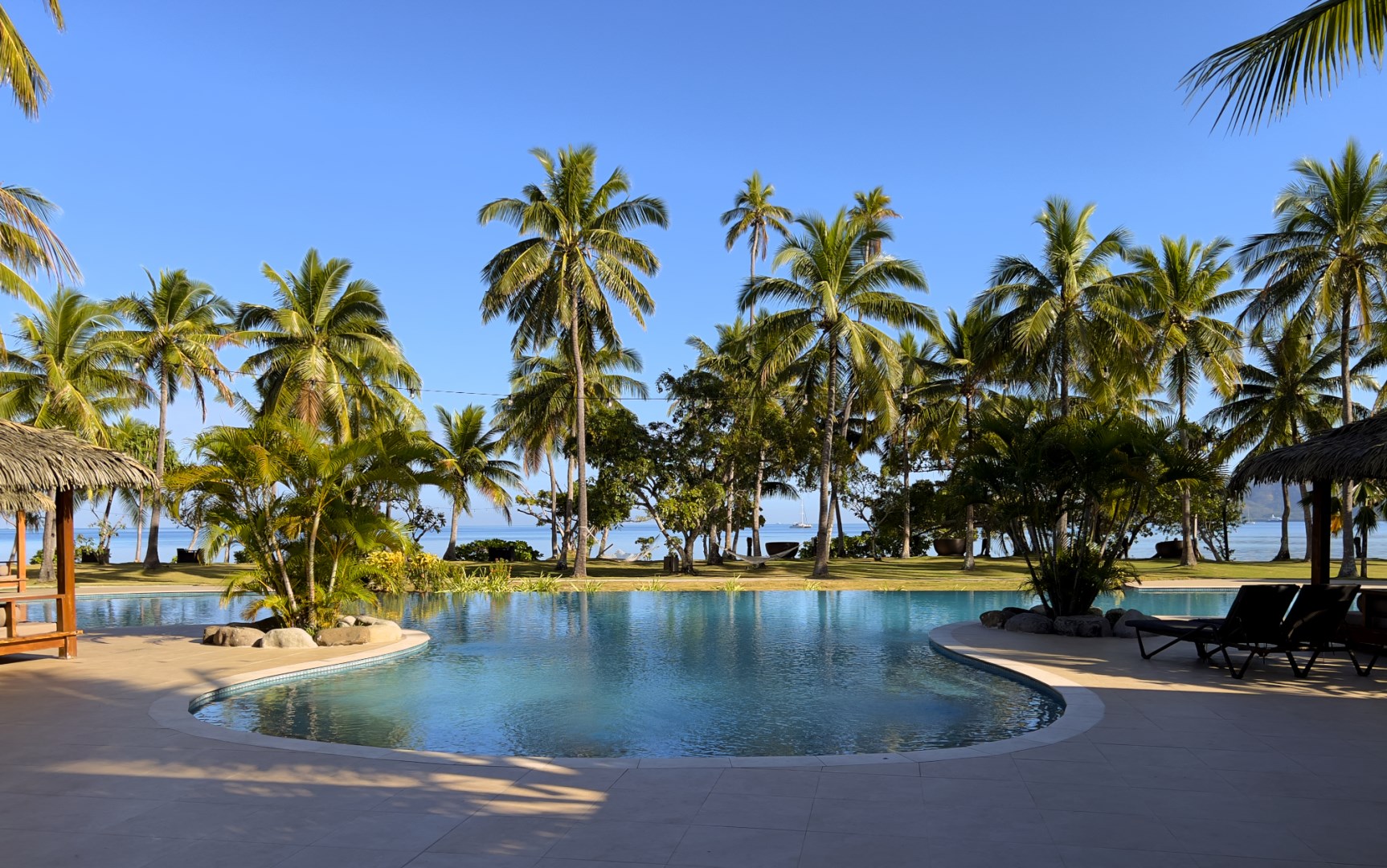
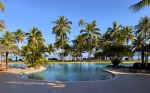
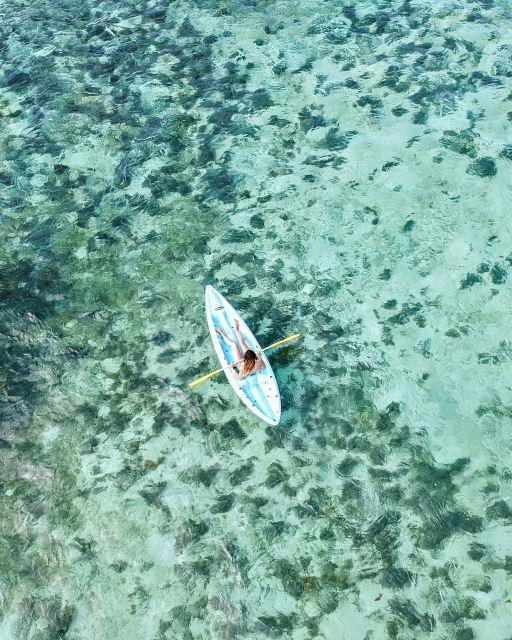
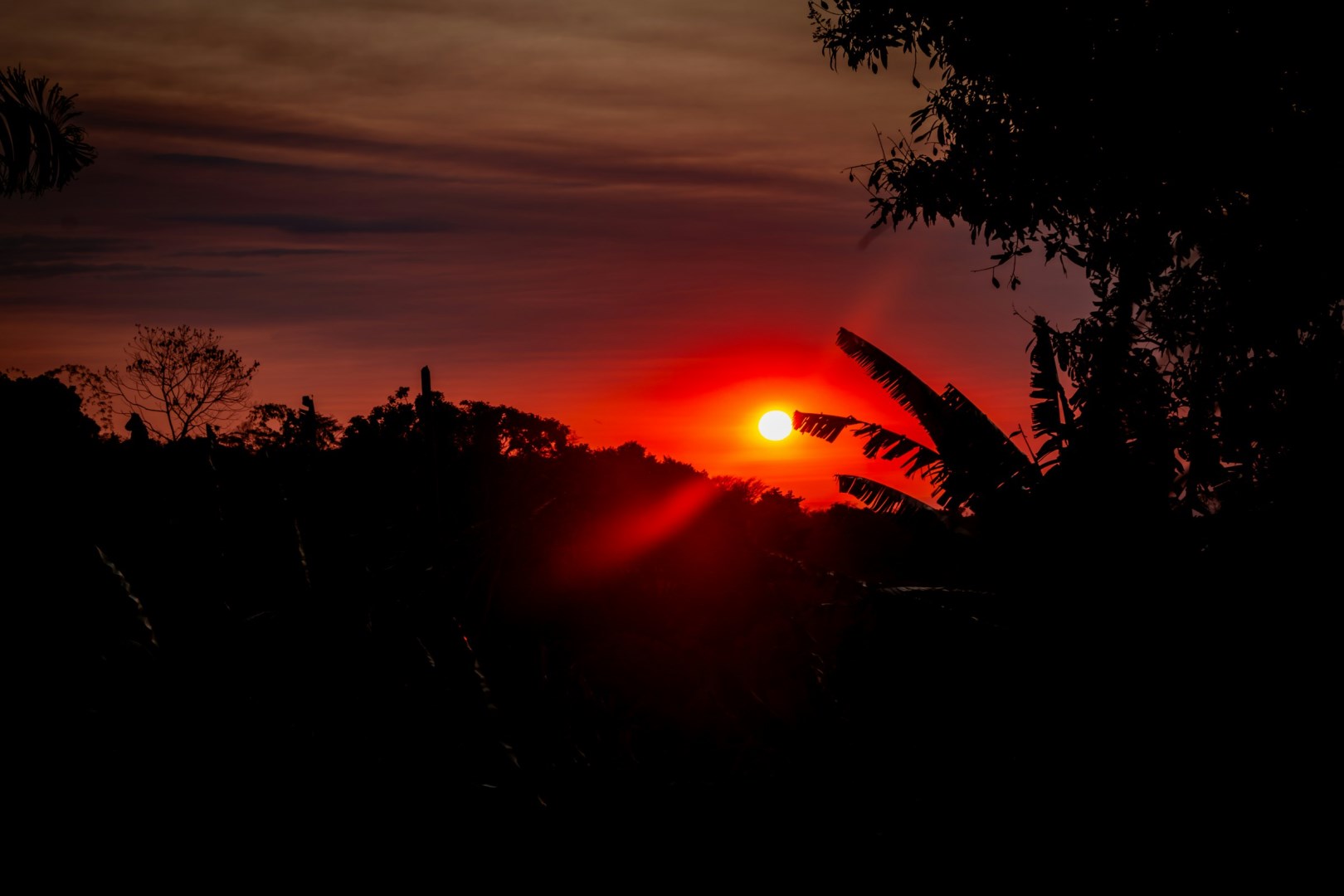
Nosy Komba is a small volcanic island in northwestern Madagascar, located between the larger island of Nosy Be and the mainland. Its slopes rise from the sea and are covered with tropical vegetation, while the coastline includes sandy coves, rocky shores, and clear waters. The island has no large urban center, and villages are spread along the coast and lower hillsides. Forested interiors provide habitat for Madagascar's distinctive wildlife, while offshore waters contain coral reefs and marine
Sturgis
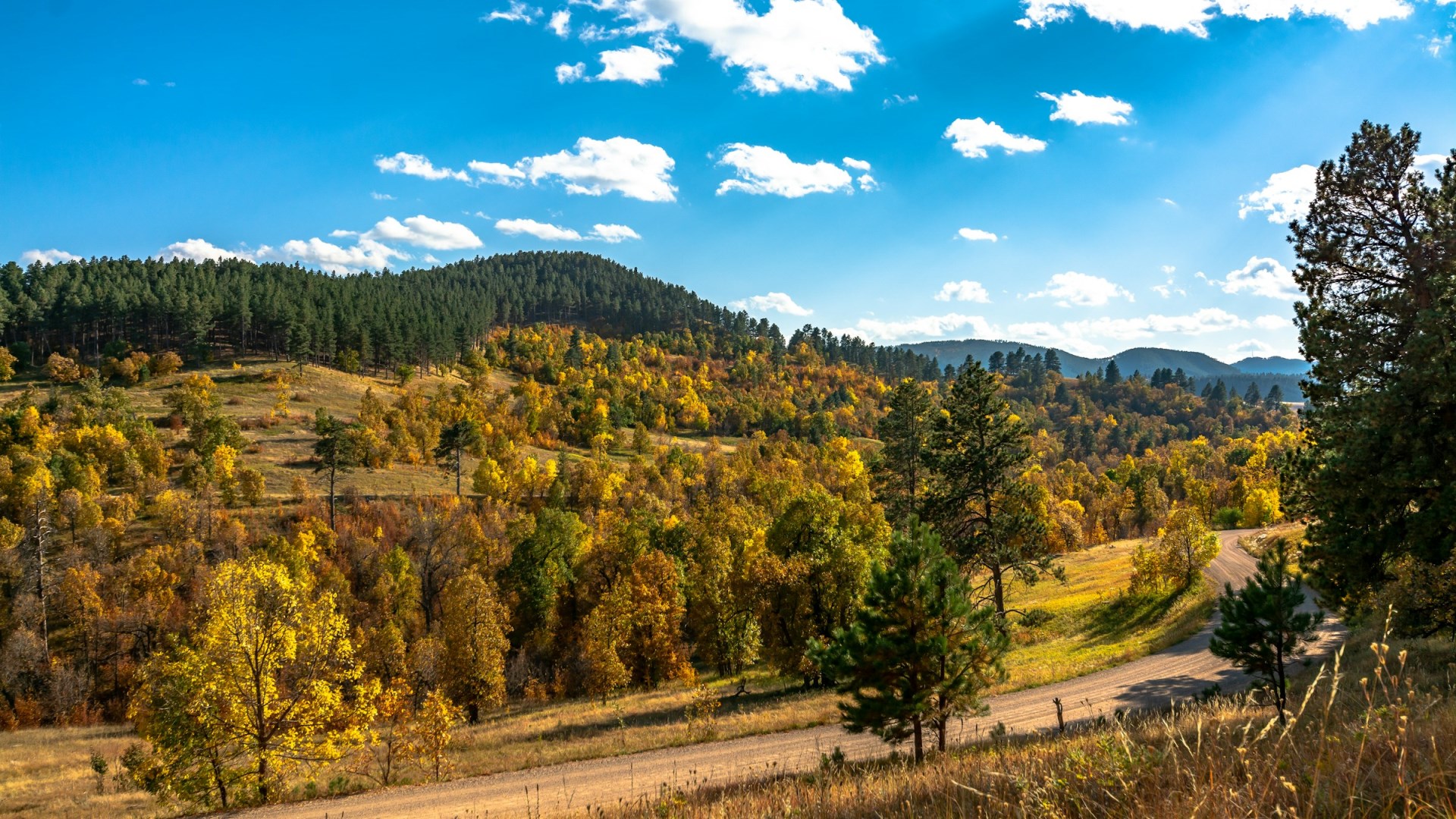
Sturgis is a small city in western South Dakota, positioned on the northern edge of the Black Hills where forested mountains meet the open Great Plains. The city is surrounded by ponderosa pine hills, rocky ridges, and broad prairie landscapes, with Bear Butte rising prominently to the northeast. Sturgis serves as a gateway to the northern Black Hills and provides access to scenic roads, hiking areas, and nearby communities such as Deadwood and Spearfish.

Oregon
Oregon invites travelers to experience landscapes and stories that shift dramatically from one region to the next. In the south, Crater Lake National Park holds the title of deepest lake in the U.S., formed inside the remains of an ancient volcano. With its intense blue color and dramatic cliffs, the lake draws visitors year-round for hiking, snowshoeing, or simply standing in awe.