Hoi An
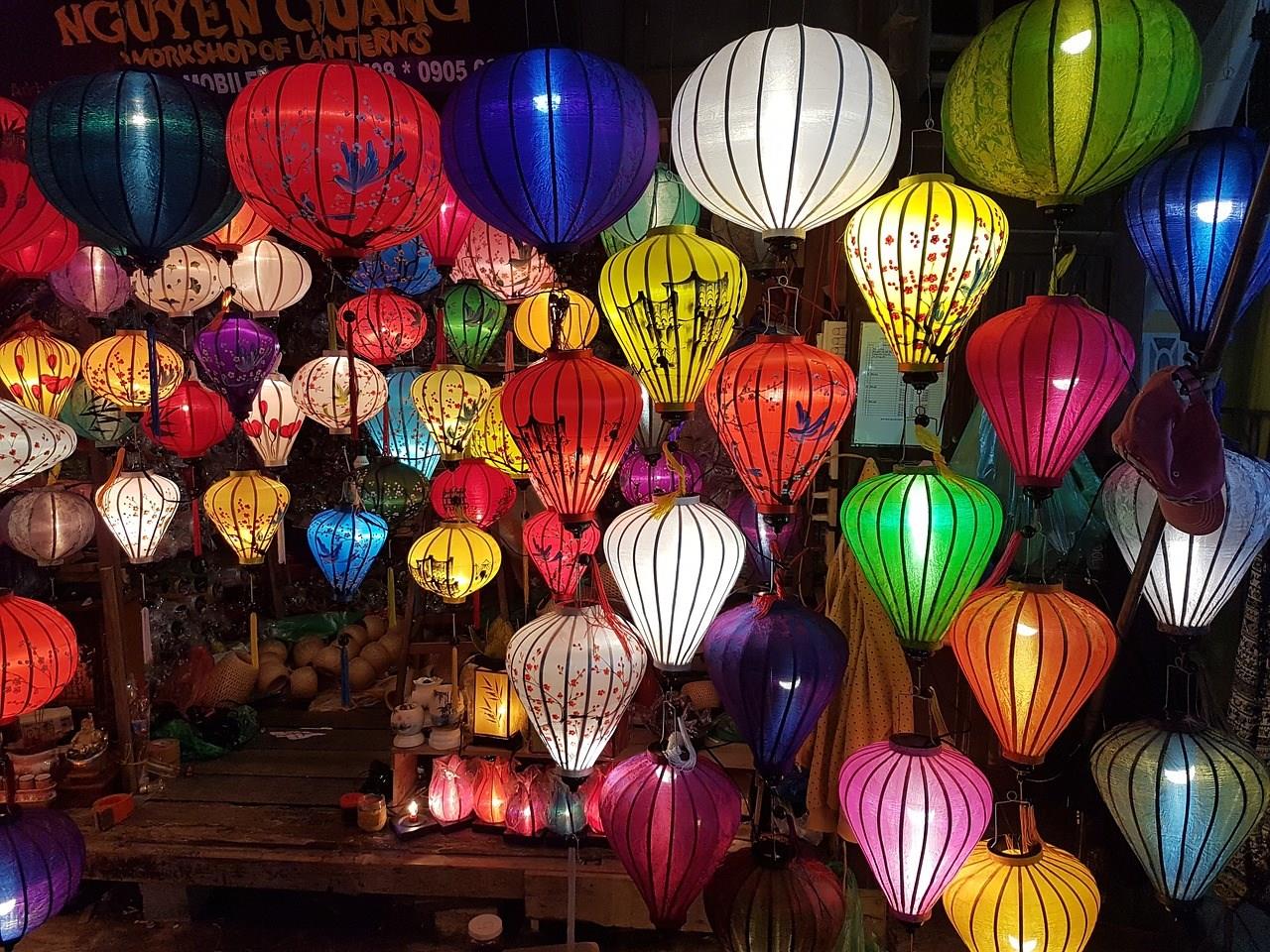
A former trading port and now a fascinating itinerary stop for any Vietnam traveler, Hoi An's illuminated lanterns beckon you. Each lunar month on the 14th day, electric lights are turned off in favor of traditional lanterns. Must-sees in this well-preserved locale include Quan Cong Temple, the 1700s-era Japanese Covered Bridge, An Bang Beach with its white sands, and Hoi An Night Market, abuzz with local sellers offering food and unique wares.

Dominica
Dominica, known as the “Nature Island of the Caribbean,” is a haven for eco-tourists and adventure seekers. Nestled between the French islands of Guadeloupe and Martinique, this lush island boasts a remarkable landscape of volcanic mountains, dense rainforests, and stunning waterfalls. Dominica’s most iconic natural wonder is the Boiling Lake, the second-largest hot spring in the world.

Bermuda
Bermuda, a British Overseas Territory in the North Atlantic, is celebrated for its pastel-colored houses, pink-sand beaches, and a unique blend of British and island traditions.

Maui Island
Maui is a Hawaiian paradise offering an incredible variety of landscapes, experiences, and cultural traditions. Known for its valleys, beaches, and volcanic peaks, Maui attracts visitors who want to immerse themselves in nature and Hawaiian heritage. The island’s crown jewel is Haleakalā National Park, where the massive dormant volcano provides beautiful scenery and unforgettable sunrise views. Visitors can hike through the park or stargaze under one of the clearest night skies in the world.

Pompeii
Pompeii, Italy, is a mesmerizing time capsule that invites travelers to step back into the world of ancient Rome. Once a thriving city, Pompeii was abruptly buried under volcanic ash and pumice following the catastrophic eruption of Mount Vesuvius in 79 AD. This tragic event preserved the city in remarkable detail, allowing visitors today to walk the cobbled streets and witness a snapshot of Roman life, from grand villas and bathhouses to bakeries and amphitheaters.