Lusaka
Lusaka, the capital of Zambia, is a city that blends modern energy with authentic African culture. As the country’s largest urban center, it serves as the gateway for travelers exploring Zambia’s natural wonders while also offering its own dynamic experiences.
Adare
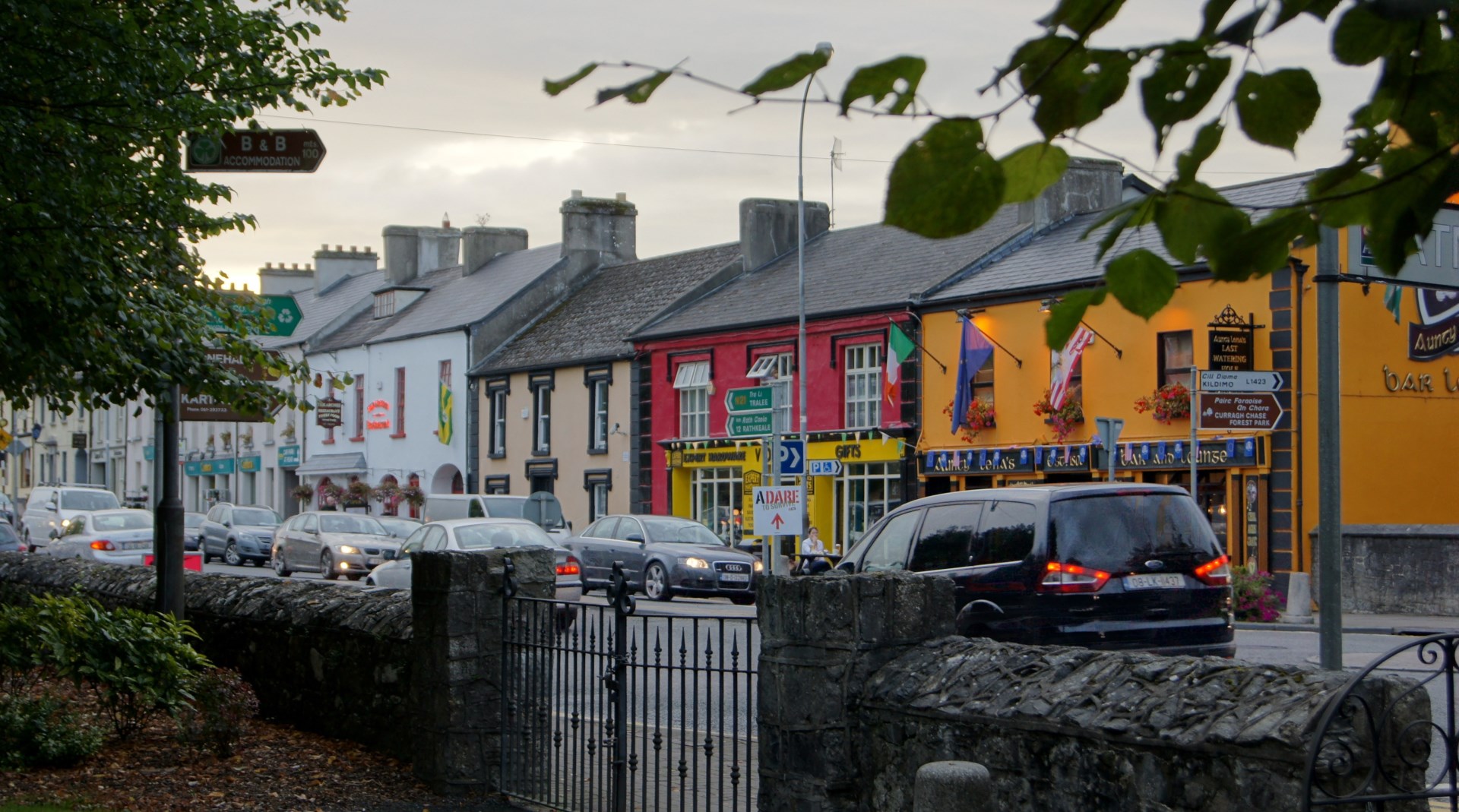
Adare is a village in County Limerick, Ireland, known for its well-preserved streets and traditional thatched cottages. It lies along the River Maigue, with a compact layout that makes it easy to explore on foot.
Nagoya
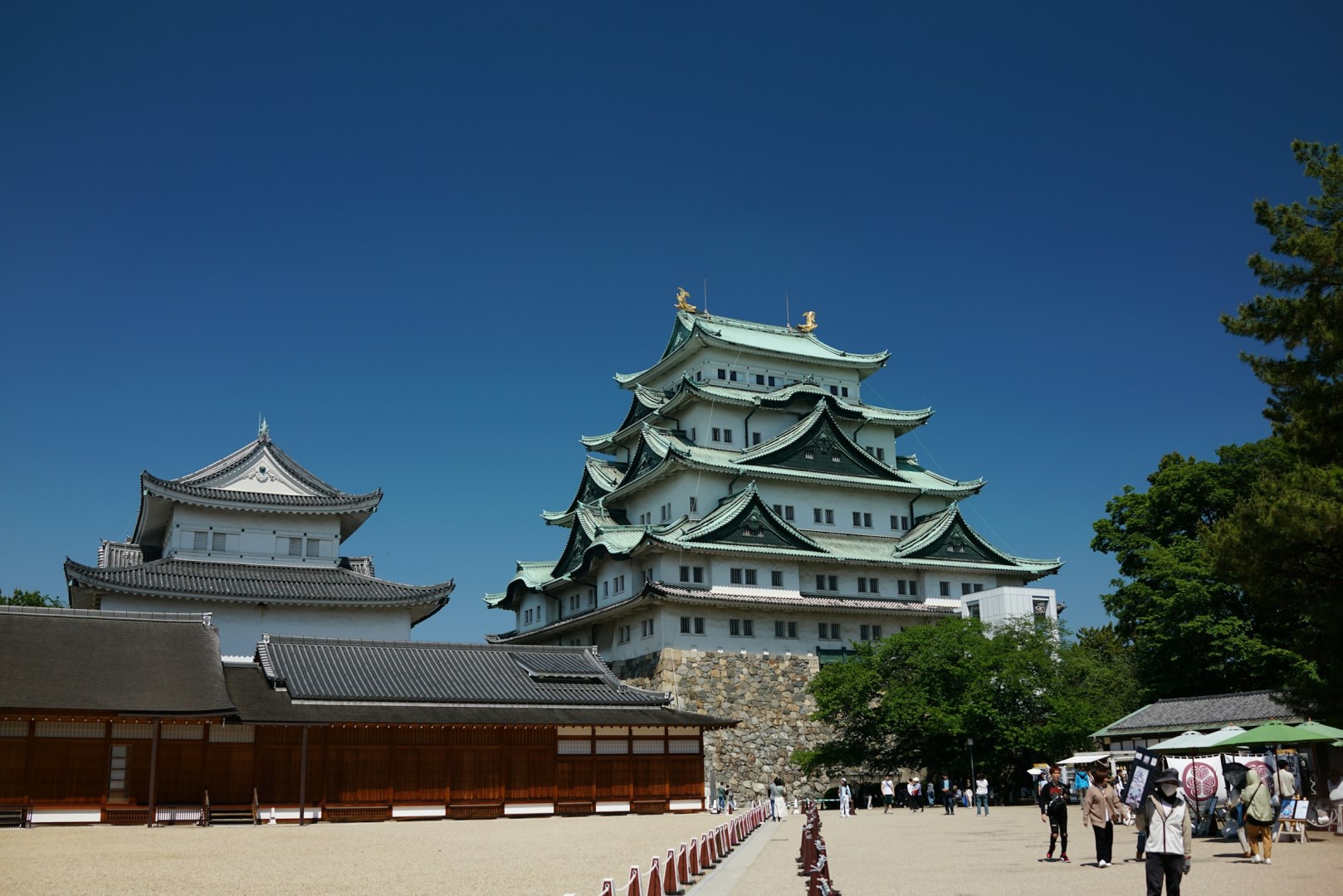
Nagoya’s charm lies in its ability to connect the past and future. Whether exploring historical landmarks, marveling at technological achievements, or indulging in the city’s distinct cuisine, visitors to Nagoya will find themselves immersed in a dynamic and unforgettable experience.
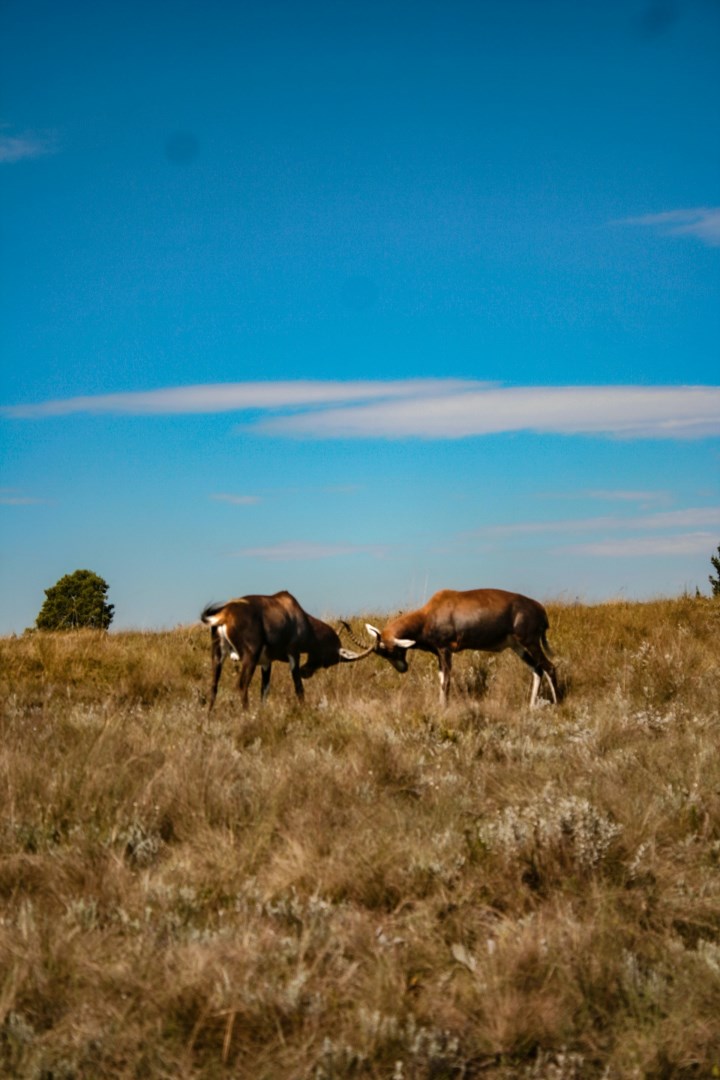
Malolotja National Park
Malolotja Nature Reserve, often referred to as Malolotja National Park, lies in the northwestern highlands of Eswatini, close to the South African border. Covering more than 18,000 hectares, it protects one of the country’s largest areas of mountain wilderness, with rolling grasslands, deep valleys, wetlands, woodland, and mistbelt forest.
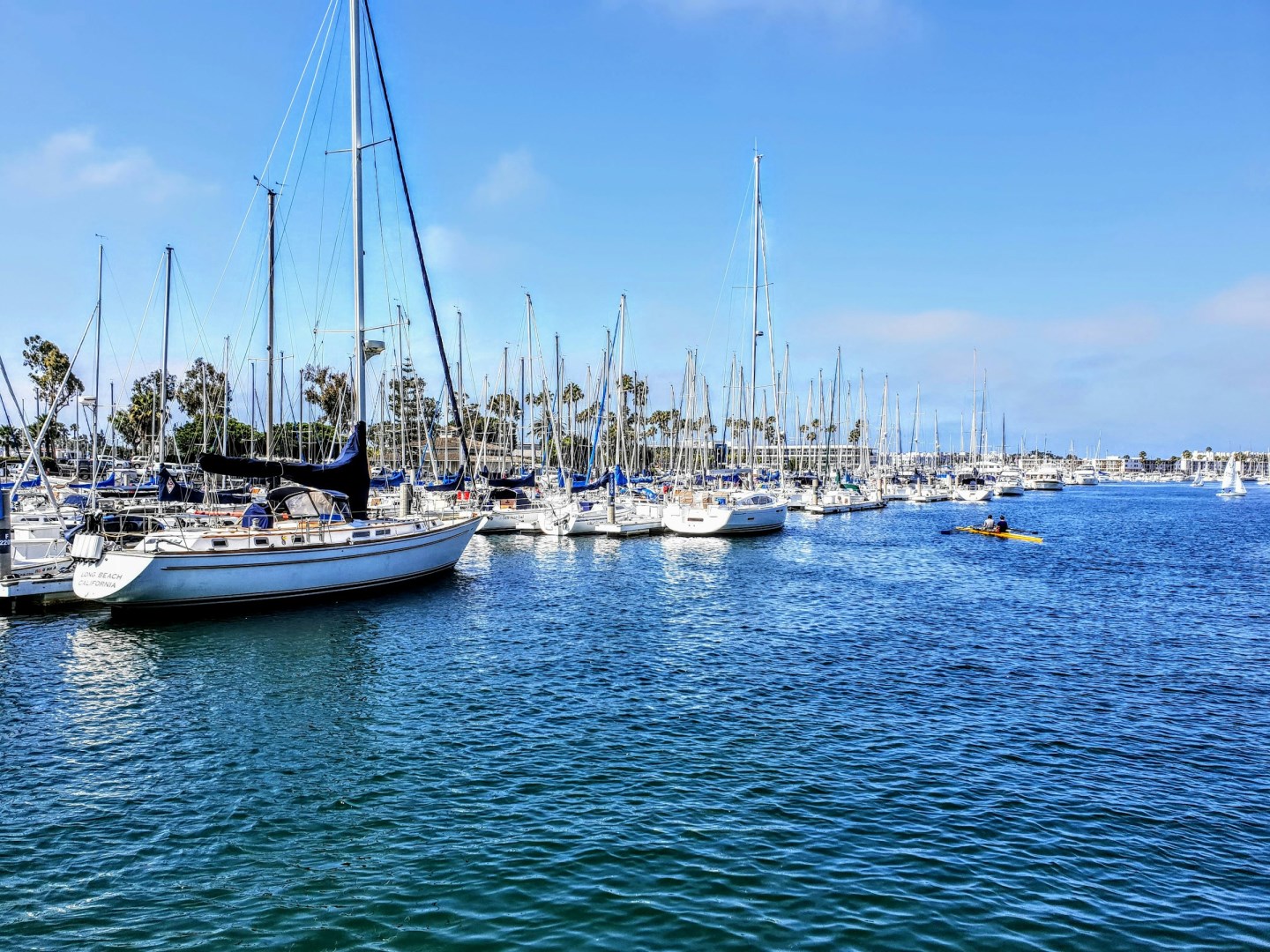
Marina del Rey
Marina del Rey is a coastal community in Los Angeles County, California, centered on one of the largest artificial small-craft harbors in North America. Located beside Santa Monica Bay, the area combines a network of marina basins with residential buildings, restaurants, parks, and waterfront paths. Its position between Los Angeles and the Pacific Ocean makes it closely connected to the wider Southern California coastline.