Karatu
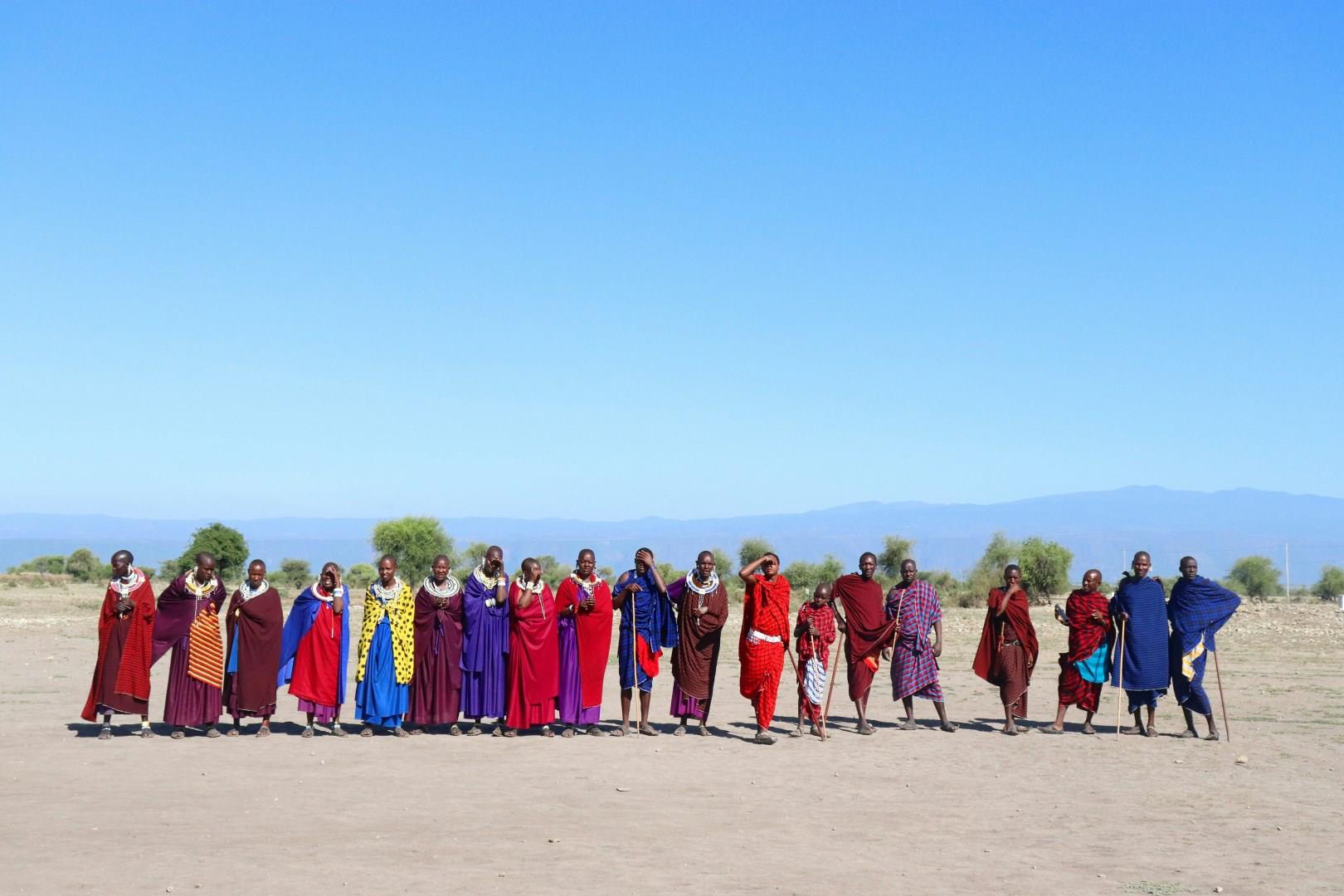
Karatu, located in northern Tanzania between Lake Manyara and the Ngorongoro Crater, is more than just a stopover for safari-goers. This highland town, surrounded by rolling farmland and volcanic hills, offers travelers a closer look at daily life in the region. The area is home to the Iraqw people, known for their terraced farming, traditional homesteads, and unique language unrelated to most other East African tongues.
Cebu
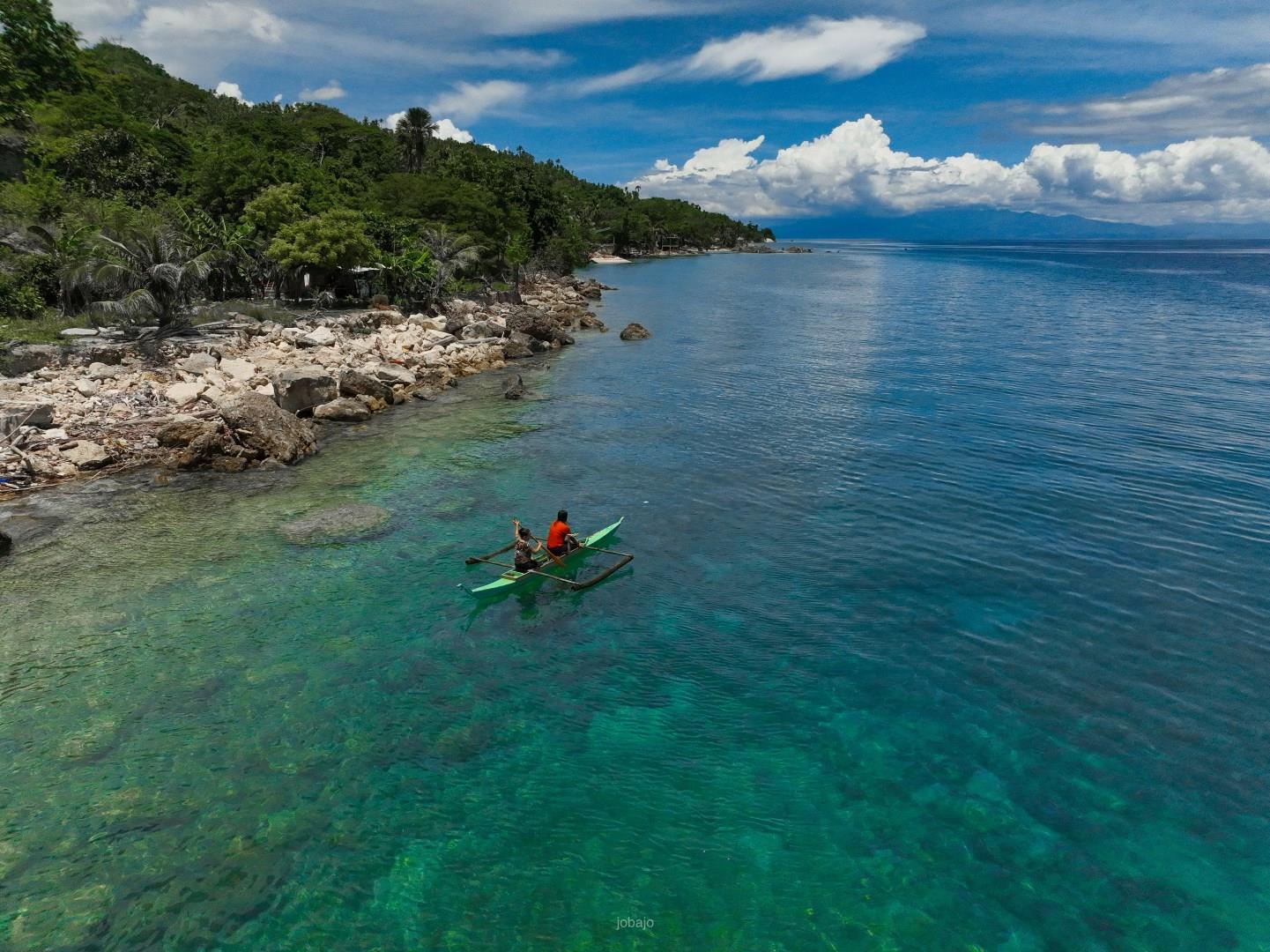
Cebu sits at the center of the central Philippines, shaped by seafaring trade and early colonial contact. It was here that Spanish rule first took hold in the 16th century, leaving a legacy visible in churches, street patterns, and long-standing ties to Catholic tradition.
Phakding
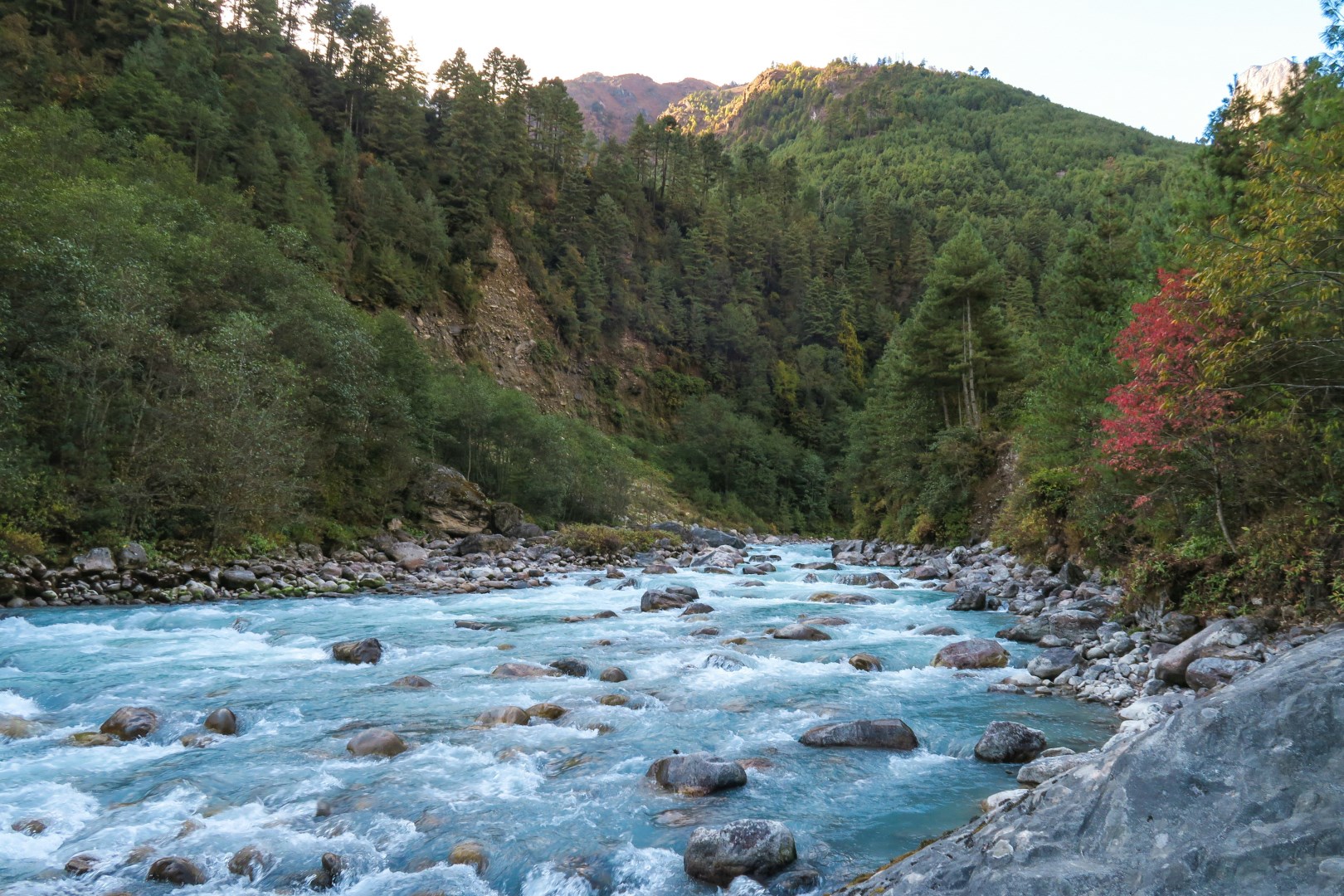
Set along the banks of the Dudh Koshi River, Phakding welcomes travelers at the early stages of the journey toward Mount Everest. Sitting at a lower elevation than many nearby stops, the village is surrounded by green hills, pine forests, and terraced farmland. The steady sound of the river accompanies visitors as they cross suspension bridges and follow winding trails that connect small settlements throughout the valley.
Djibouti
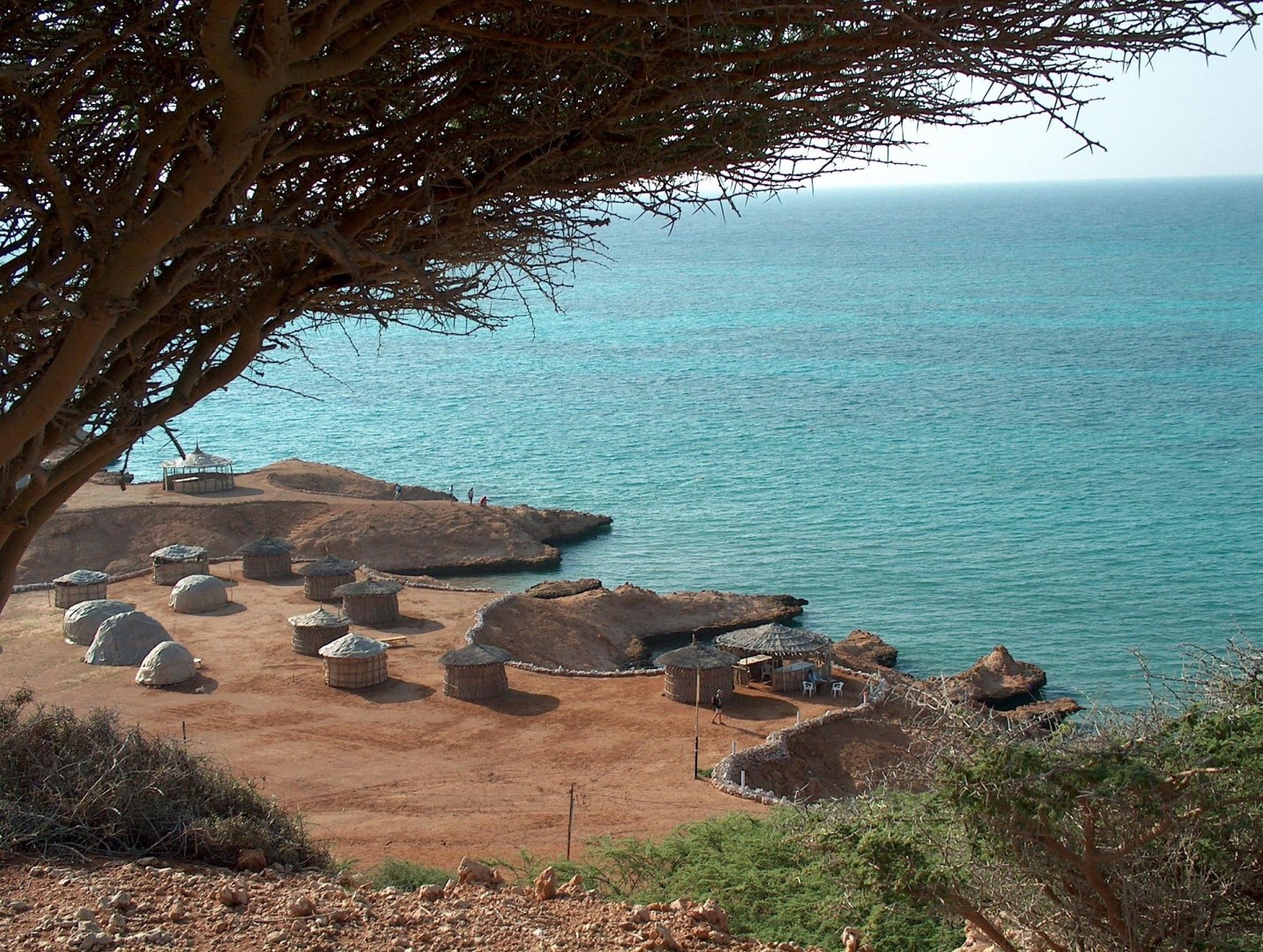
Djibouti, located in the Horn of Africa, offers travelers a landscape shaped by volcanic activity, salt lakes, and dramatic coastlines.
Saint-Émilion
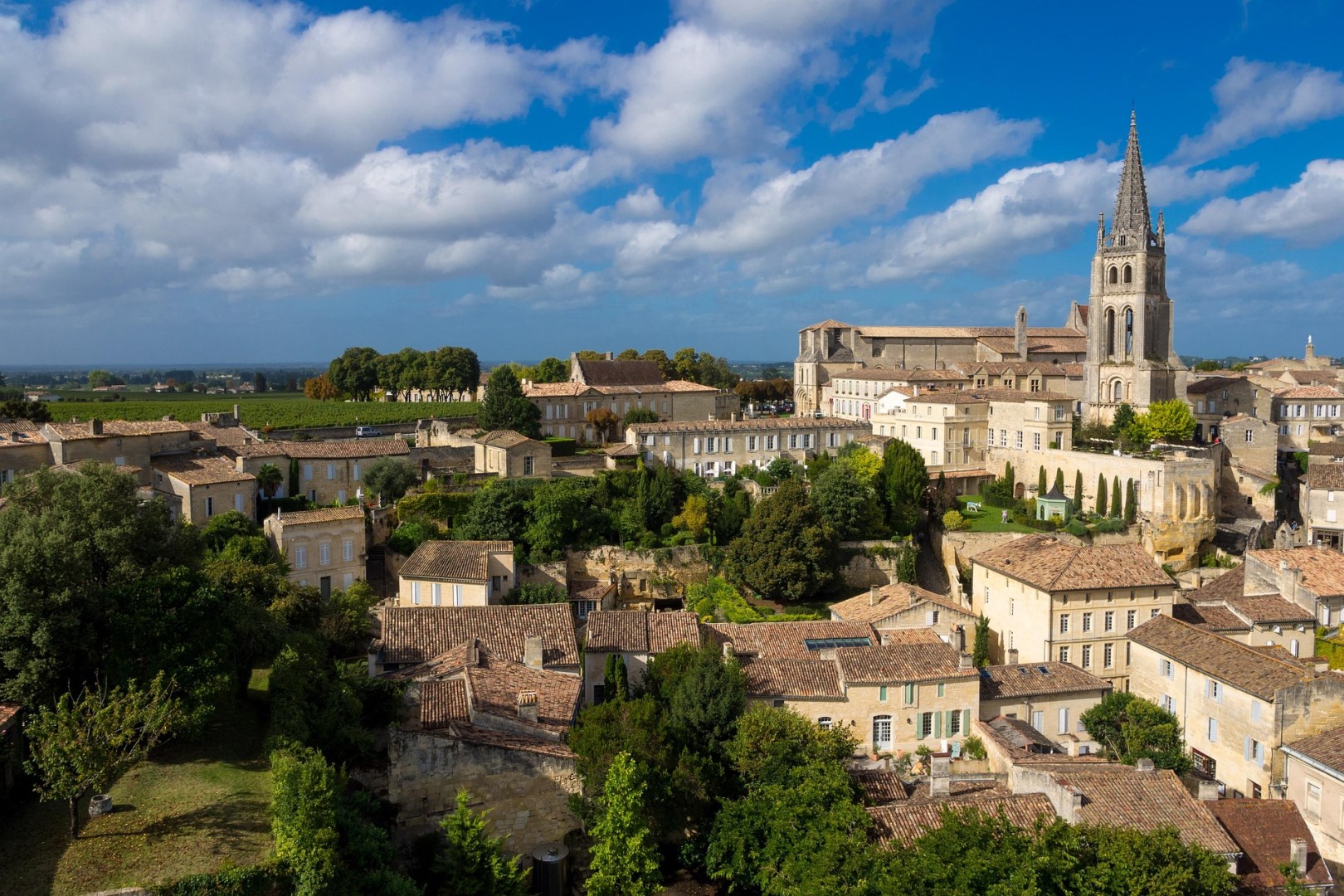
Saint-Émilion, nestled in the heart of southwest France, is a living monument to centuries of craftsmanship, faith, and wine-making. Recognized as a UNESCO World Heritage Site since 1999, this medieval town sits on a limestone plateau surrounded by vineyards that date back to Roman times. Visitors can explore cobbled streets that wind past centuries-old stone houses, descend into underground catacombs carved by monks, and visit the astonishing Monolithic Church.