Burundi, a small country tucked along the shores of Lake Tanganyika, offers travelers a deeply authentic experience that few destinations can match. Known as the “Heart of Africa” due to its location, Burundi is home to dramatic landscapes, from rolling hills and volcanic mountains to wide plains and ancient forests. One of its most remarkable natural features is the southern tip of the Nile River, which begins near Rutovu.
Erfoud, a desert town in eastern Morocco, is often seen as the last stop before the endless dunes of the Sahara begin. But this oasis holds more than just a convenient location. Known as the "Gateway to the Desert," Erfoud is steeped in history that predates the modern borders of Morocco. It was once a French colonial outpost, and today, its dusty streets and adobe buildings offer a glimpse into a slower, older way of life that still shapes the region’s identity.
Antigua and Barbuda, a twin-island nation in the Caribbean, is celebrated for its 365 beaches, one for every day of the year. Together, they offer a balance of culture, heritage, and natural splendor.
The Mara River in Tanzania is a natural wonder that draws adventurers and wildlife enthusiasts alike. Flowing through the heart of the Serengeti and into Kenya’s Maasai Mara, this river is best known as the lifeblood of the Great Migration. Each year, from July to October, millions of wildebeest, zebras, and gazelles make a perilous crossing of the Mara. It’s a spectacle of nature that leaves visitors in awe, making it one of Africa’s most sought-after safari experiences.
Sucre, Bolivia’s constitutional capital, is a city steeped in history and colonial charm. Founded in the 16th century by the Spanish, it played a pivotal role in South America’s independence movements, earning its place as the birthplace of the Bolivian Republic.
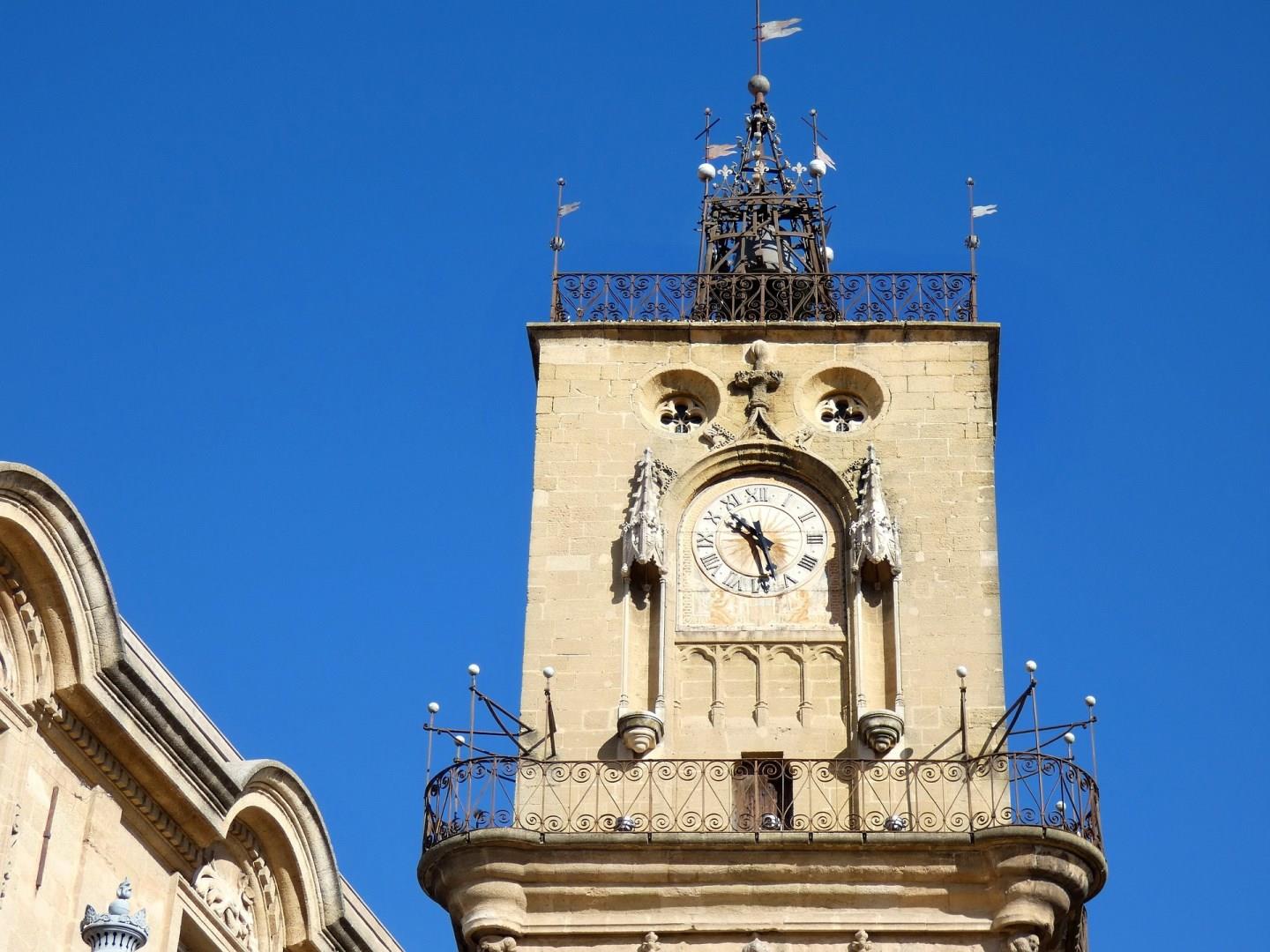
Nestled in the heart of Provence, Aix-en-Provence is a city that enchants with its blend of historical charm and vibrant modernity. Founded by the Romans in 123 BC, Aix-en-Provence, often simply called Aix, is renowned for its stunning architecture and rich cultural heritage. Stroll along the Cours Mirabeau, a tree-lined boulevard that exemplifies the city's elegance with its grand fountains and historic buildings, including the beautiful Hôtel de Ville (Town Hall) and the imposing Saint-Sauveur Cathedral, known for its remarkable Romanesque and Gothic features.
Aix-en-Provence is also celebrated for its lively arts scene and as the birthplace of renowned painter Paul Cézanne. Art enthusiasts can explore the Paul Cézanne National Museum, which showcases a rich collection of his works and offers insights into his creative process. The city is dotted with various art galleries and studios, reflecting its deep-rooted artistic spirit. The Granet Museum is another highlight, housing an impressive collection of works from the Renaissance to contemporary art.
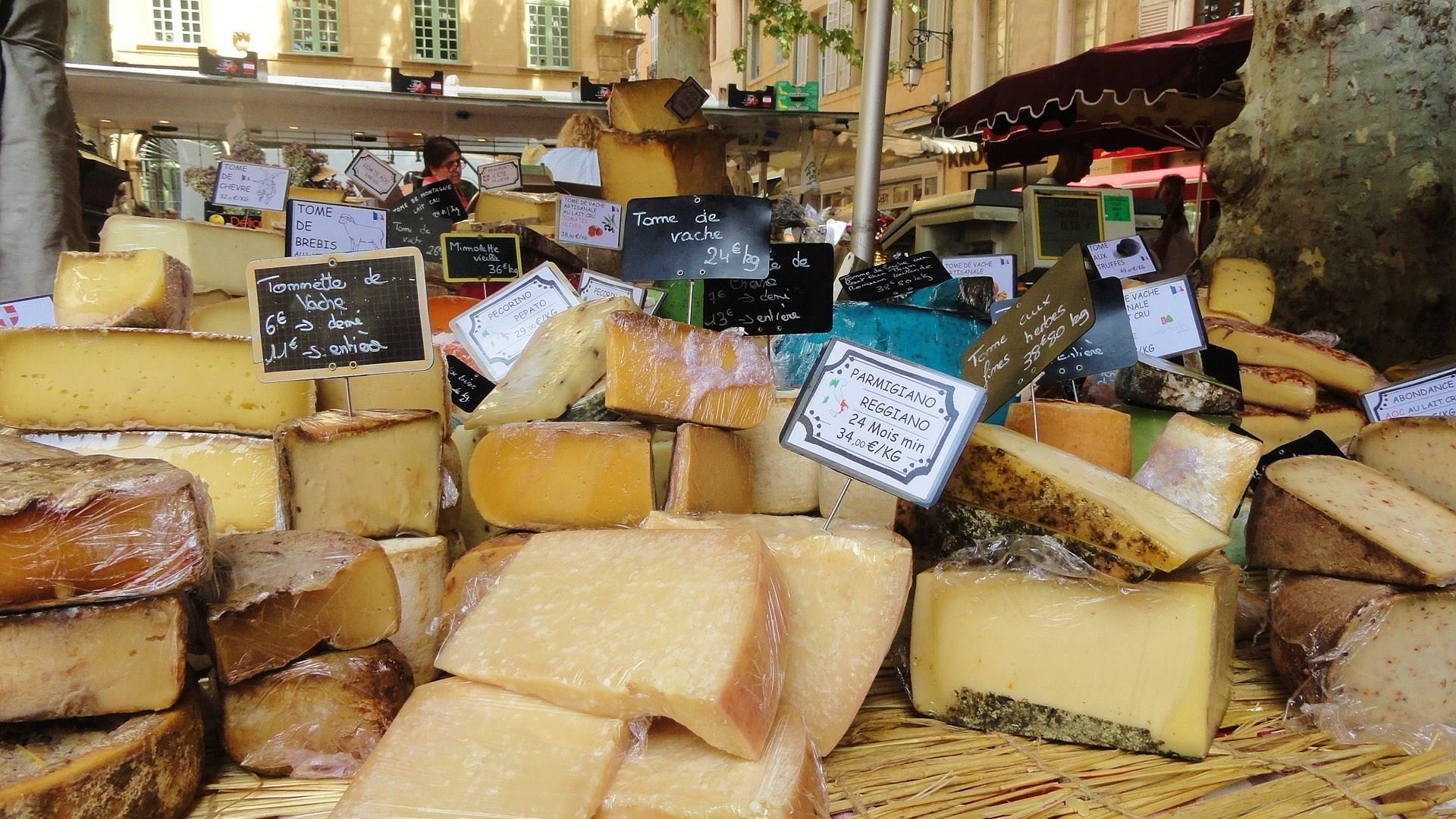
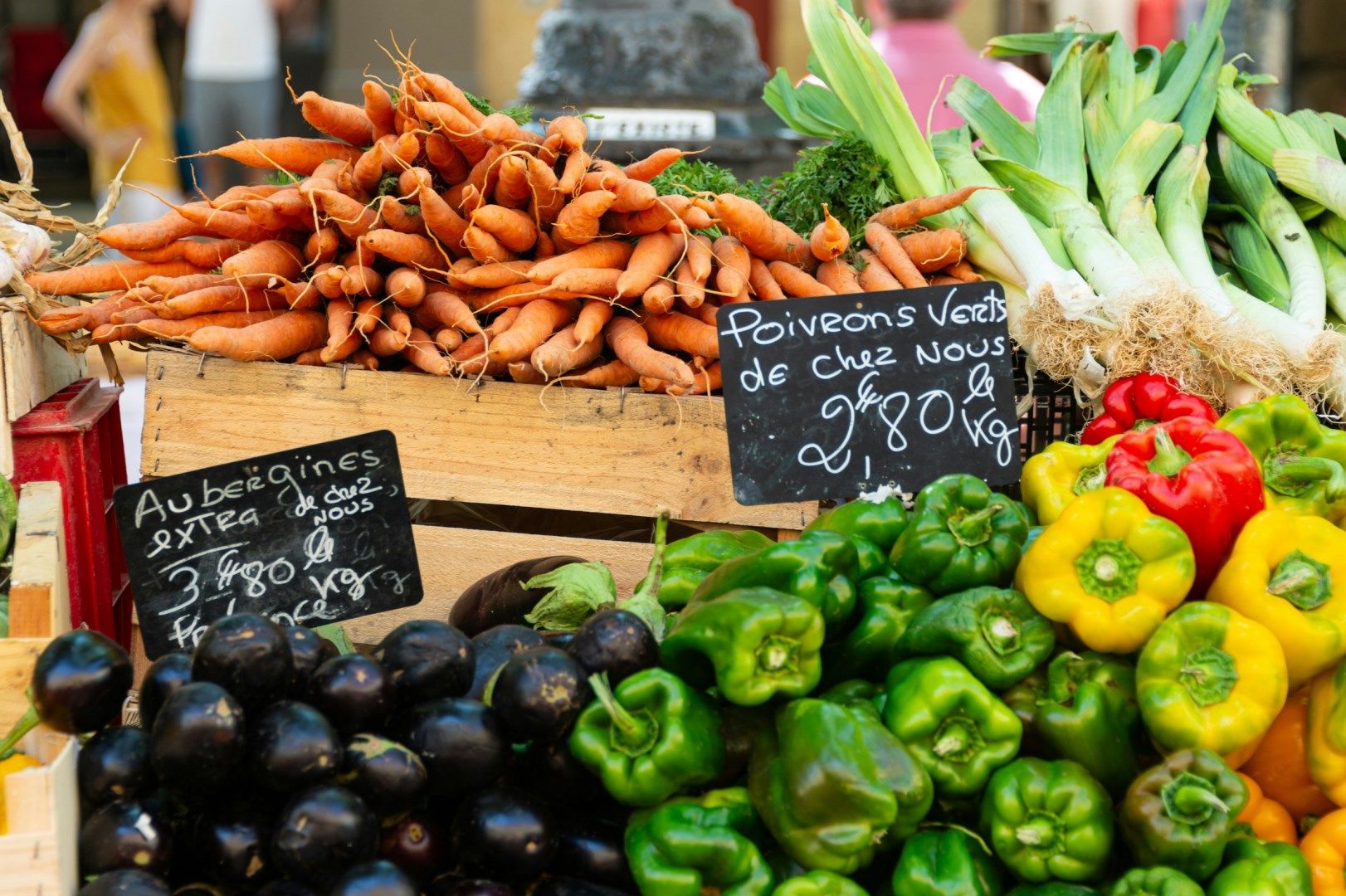
The charm of Aix-en-Provence extends to its bustling markets and gastronomic delights. The city's markets, such as the Place Richelme Market, offer an array of local produce, cheeses, and pastries, making it a delightful experience for food lovers. Don’t miss out on trying traditional Provençal specialties like ratatouille and bouillabaisse at one of the local bistros.
Fun Fact: Aix-en-Provence is renowned for its natural hot springs, which have been used for their therapeutic properties since Roman times. You can visit Les Thermes Sextius, a modern spa complex that continues this ancient tradition, offering a luxurious experience amidst the historical backdrop of the city