Chantilly
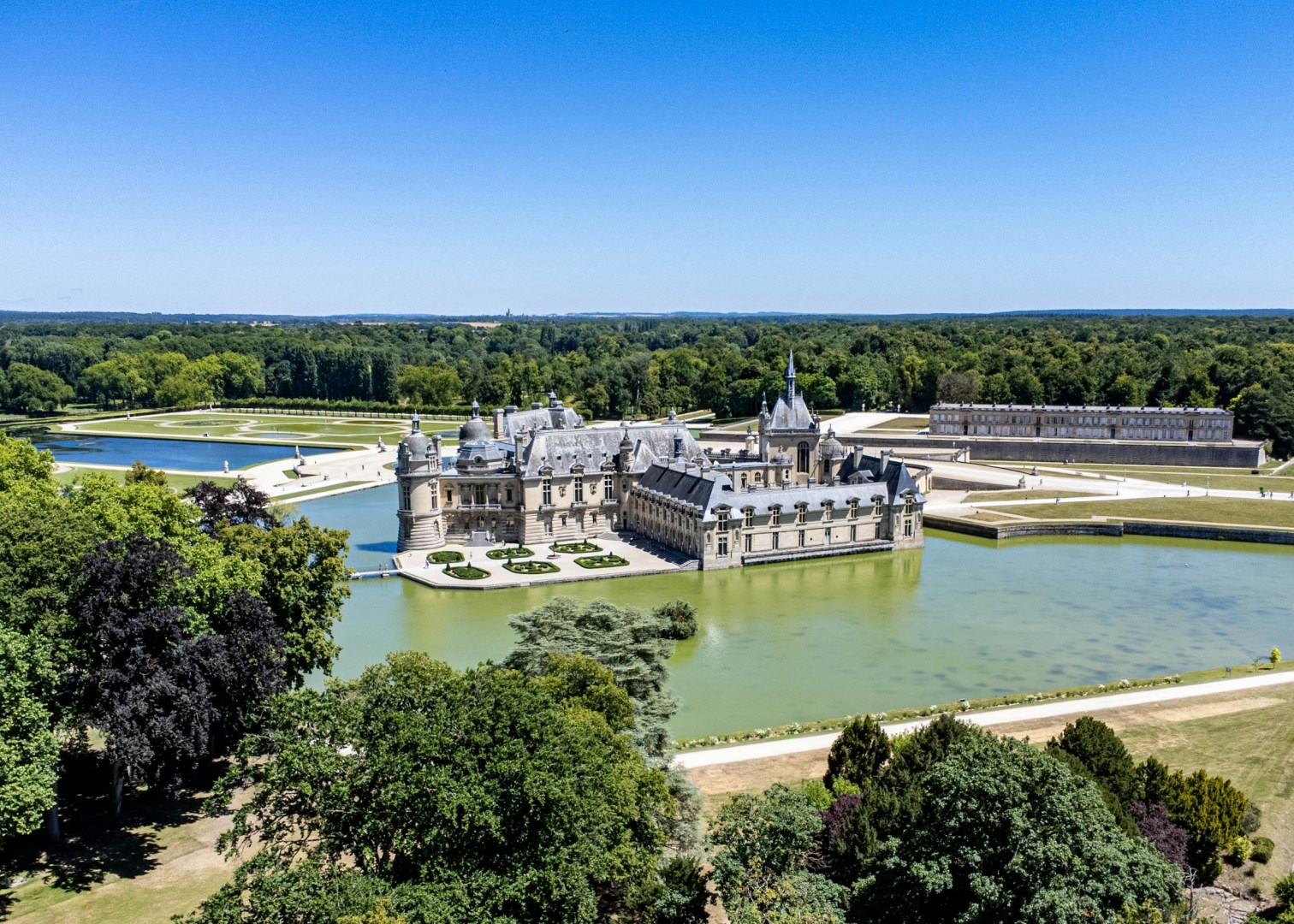
Chantilly is a town north of Paris in the Oise department, surrounded by extensive forests and closely associated with the Château de Chantilly. The château complex combines a grand Renaissance-style palace, the Petit Château, formal gardens, waterways, and the Great Stables, creating a distinctive cultural landscape. Chantilly's forest is crossed by walking and riding paths, while the town itself contains elegant streets, historic buildings, and areas of open parkland.
Incheon
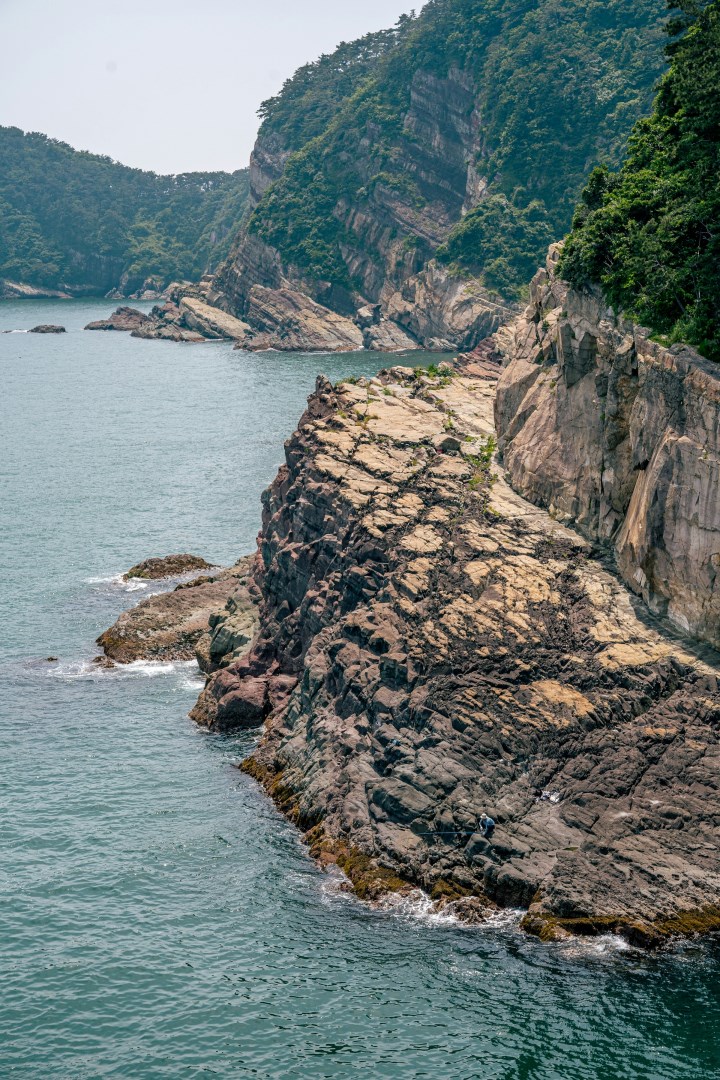
Located on the Yellow Sea in northwest South Korea, it is a large port city.
Oviedo
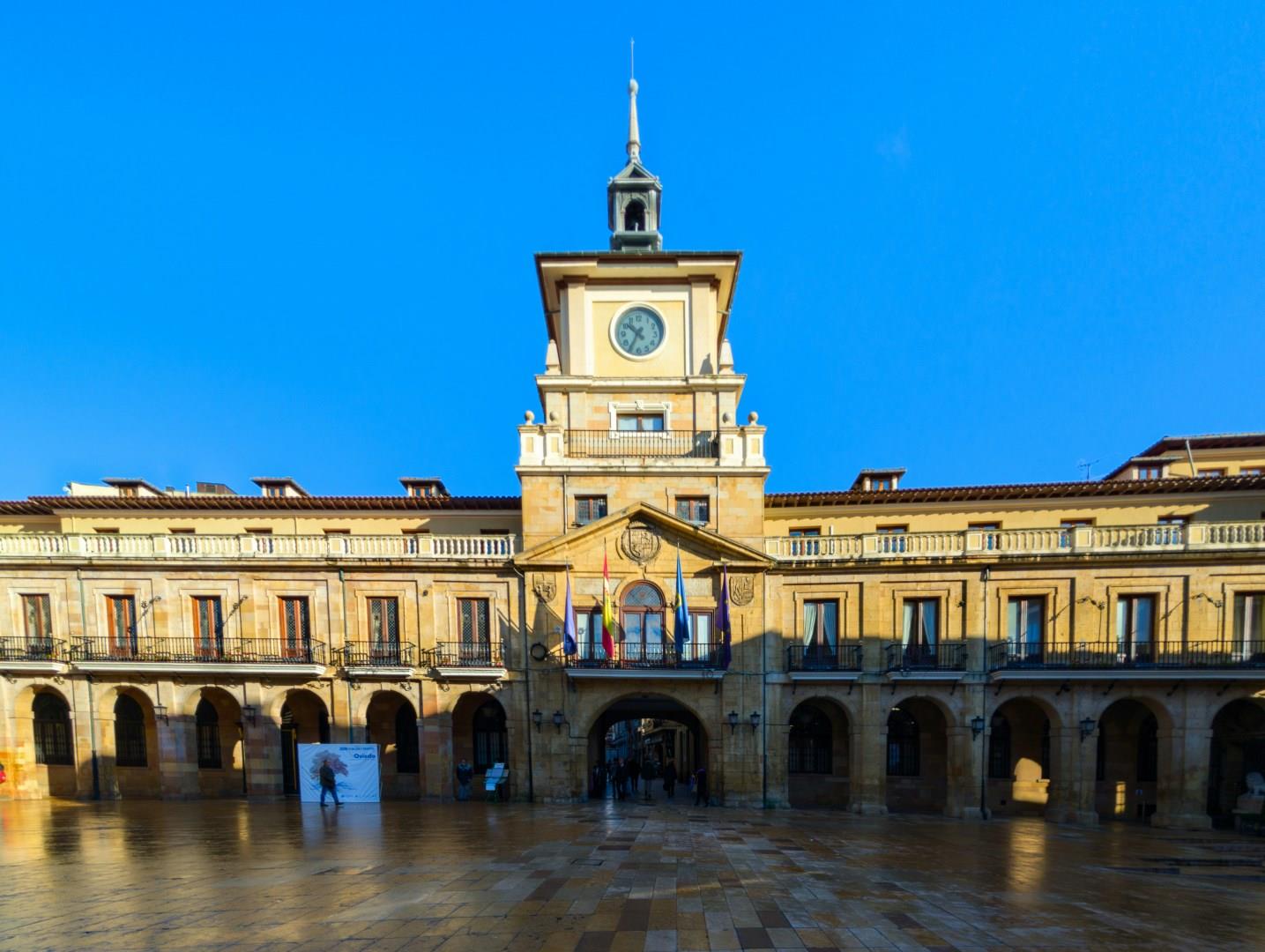
Oviedo, the capital of Asturias in northern Spain, offers a rare mix of medieval heritage and everyday life that feels rooted rather than staged. The city’s historic center is home to some of the oldest pre-Romanesque buildings in Europe, including the UNESCO-listed Santa María del Naranco and San Miguel de Lillo. Cider, not wine, defines the local table. Oviedo is surrounded by apple orchards, and the traditional drink, sidra natural, is poured from a height by skilled escanciadores.
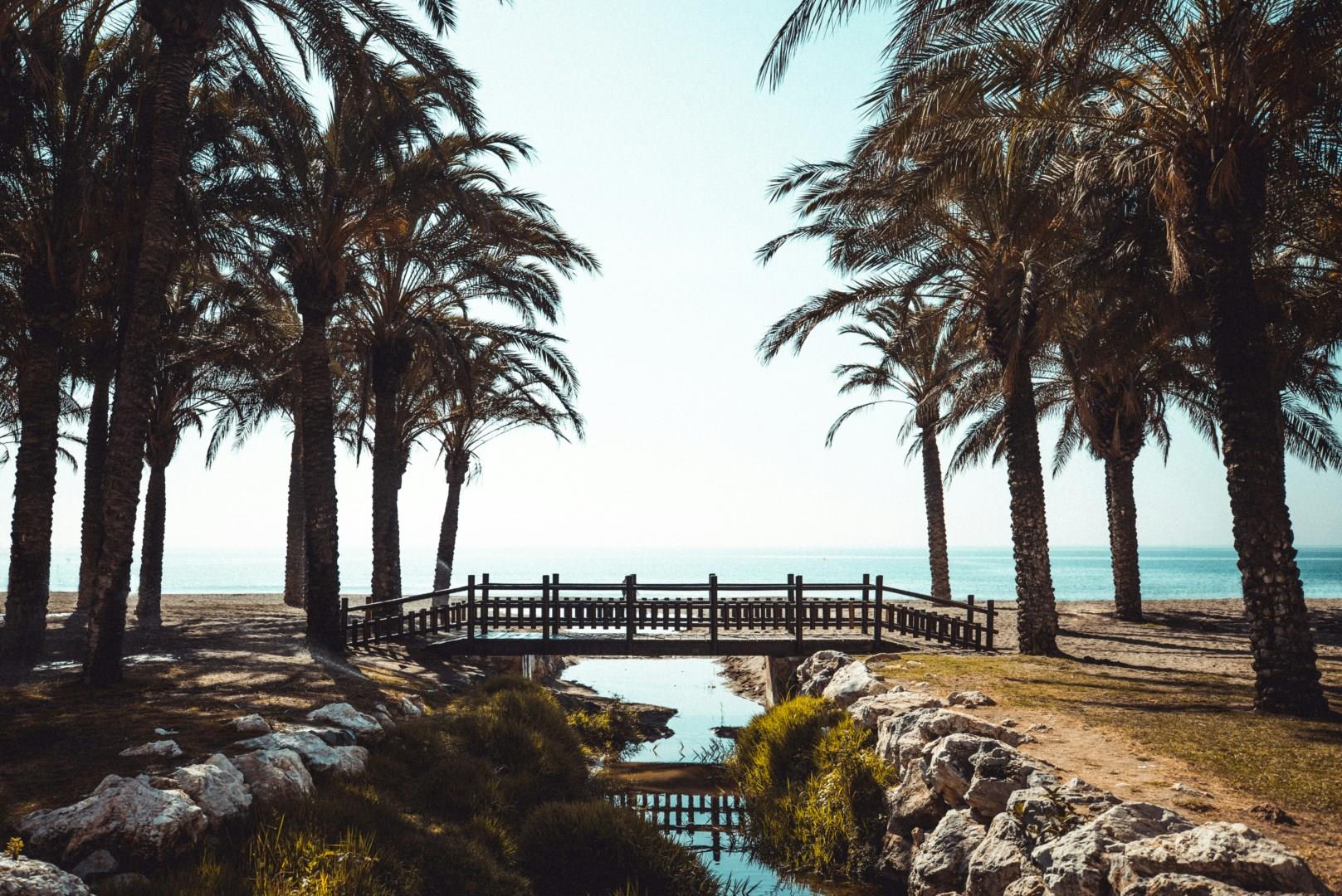
Torremolinos
Torremolinos, on Spain’s Costa del Sol, has transformed from a small fishing village into one of the region’s most vibrant seaside towns. Just a short drive from Málaga, it became famous in the mid-20th century as one of the first international beach destinations in Spain, attracting artists, celebrities, and travelers in search of sun and sea.
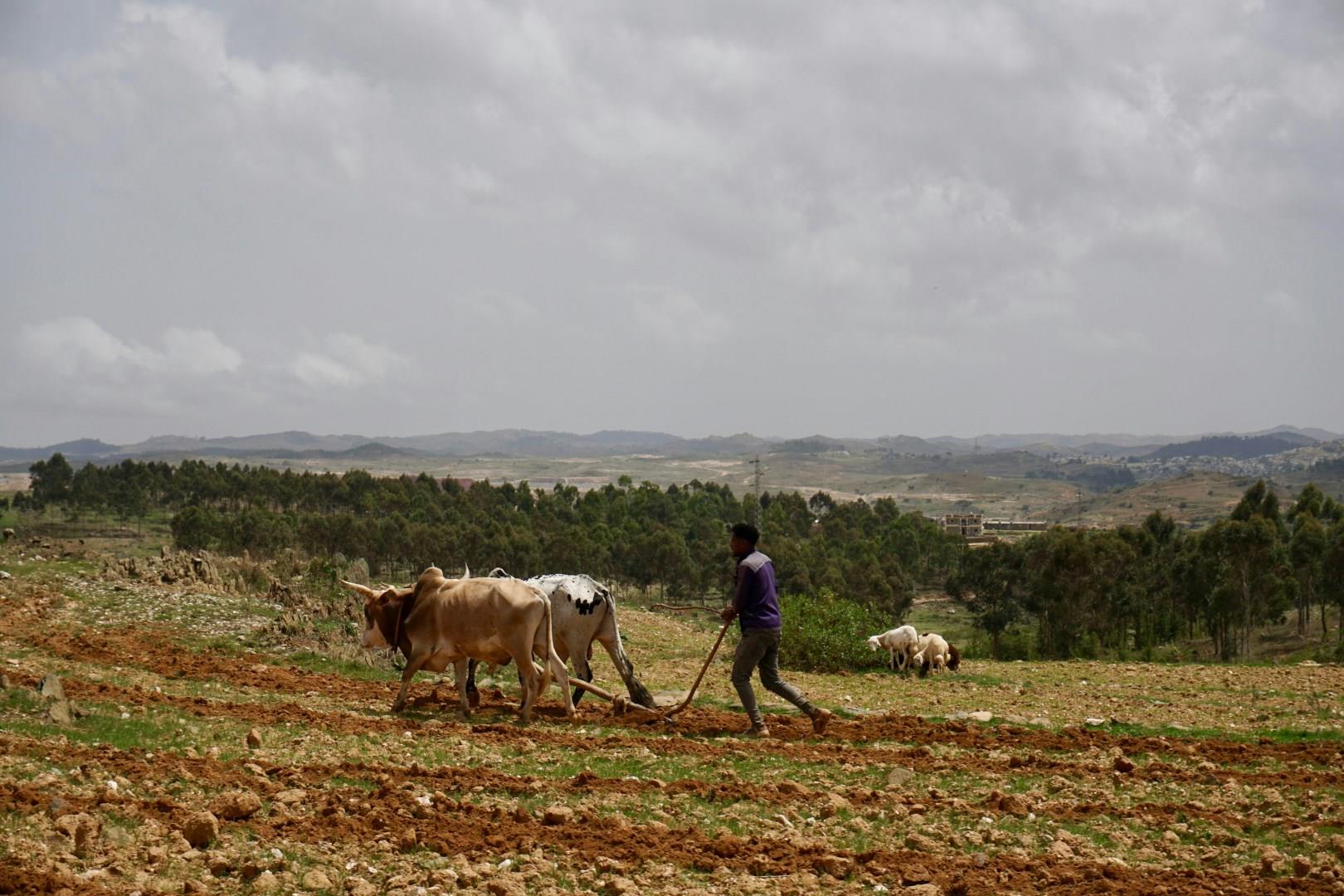
Asmara
Asmara, the capital of Eritrea, is a city where time seems to have paused in the mid-20th century. Known for its remarkably preserved Italian modernist architecture, the city has earned recognition as a UNESCO World Heritage Site.