Gainesville
Gainesville is a north-central Florida city known for its university community, natural areas, and strong connection to education and research. The city is home to the University of Florida, whose campus is a major part of local life and culture. Gainesville is surrounded by rolling terrain, freshwater springs, forests, and wetlands, giving it a landscape that differs from Florida’s coastal cities.
Evora
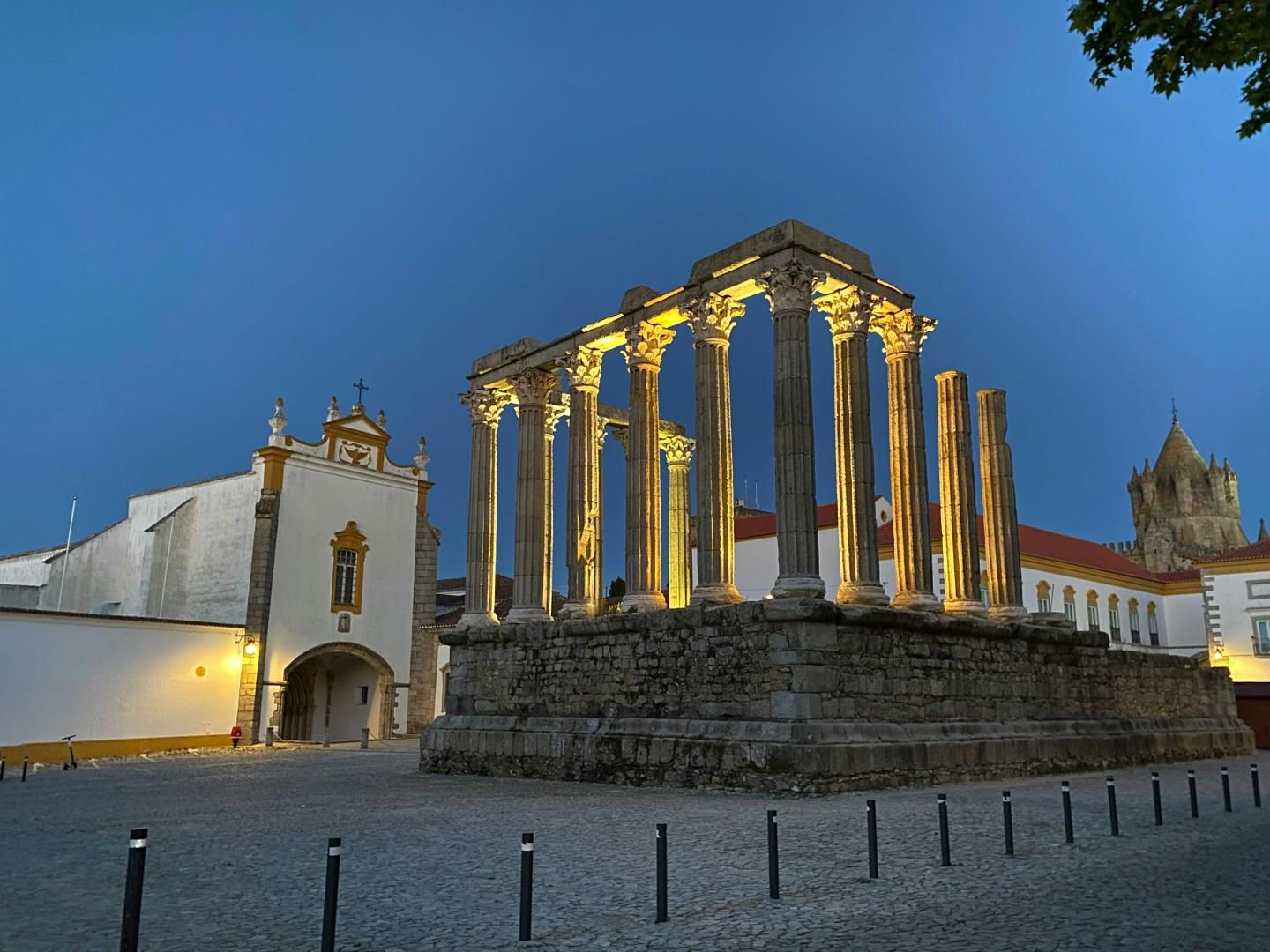
Évora, in Portugal’s Alentejo region, feels like stepping into a story that spans more than two thousand years. Its Historic Centre was named a UNESCO World Heritage Site for good reason with its ancient walls, homes with wrought-iron balconies, and narrow streets quietly preserve traces of Roman, Moorish, and medieval life. Beyond architecture and monuments, Évora reveals lesser-known treasures that reward exploration.
Alton
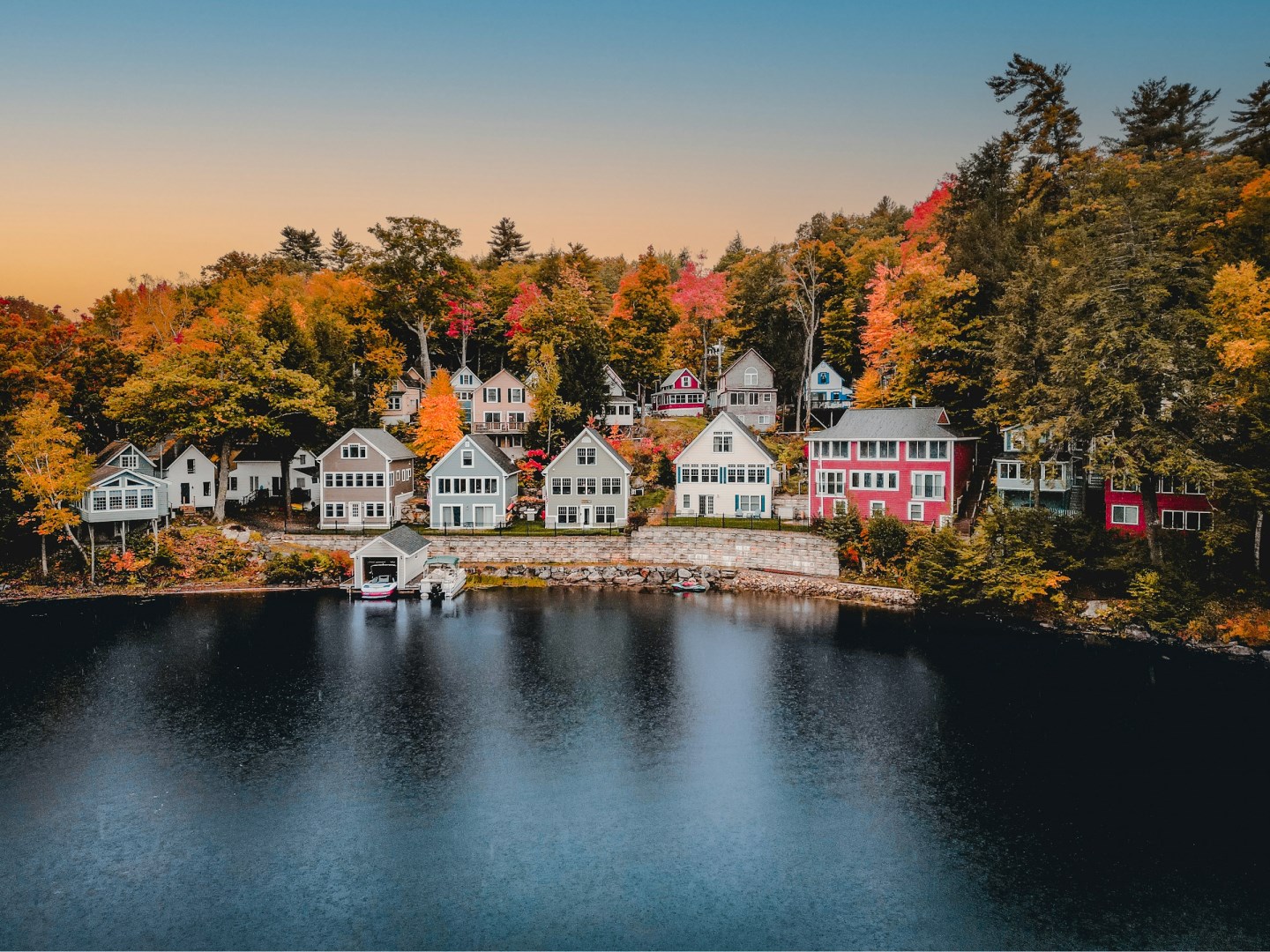
Alton is a small town in central New Hampshire, located at the southern end of Lake Winnipesaukee. Its landscape includes forested hills, wetlands, streams, and shoreline communities surrounding Alton Bay and the lake’s numerous islands. The town center lies inland from the main lakefront, while Alton Bay forms a historic summer community and transportation point. Mount Major rises nearby, providing a prominent backdrop and a popular hiking destination.
Gijon
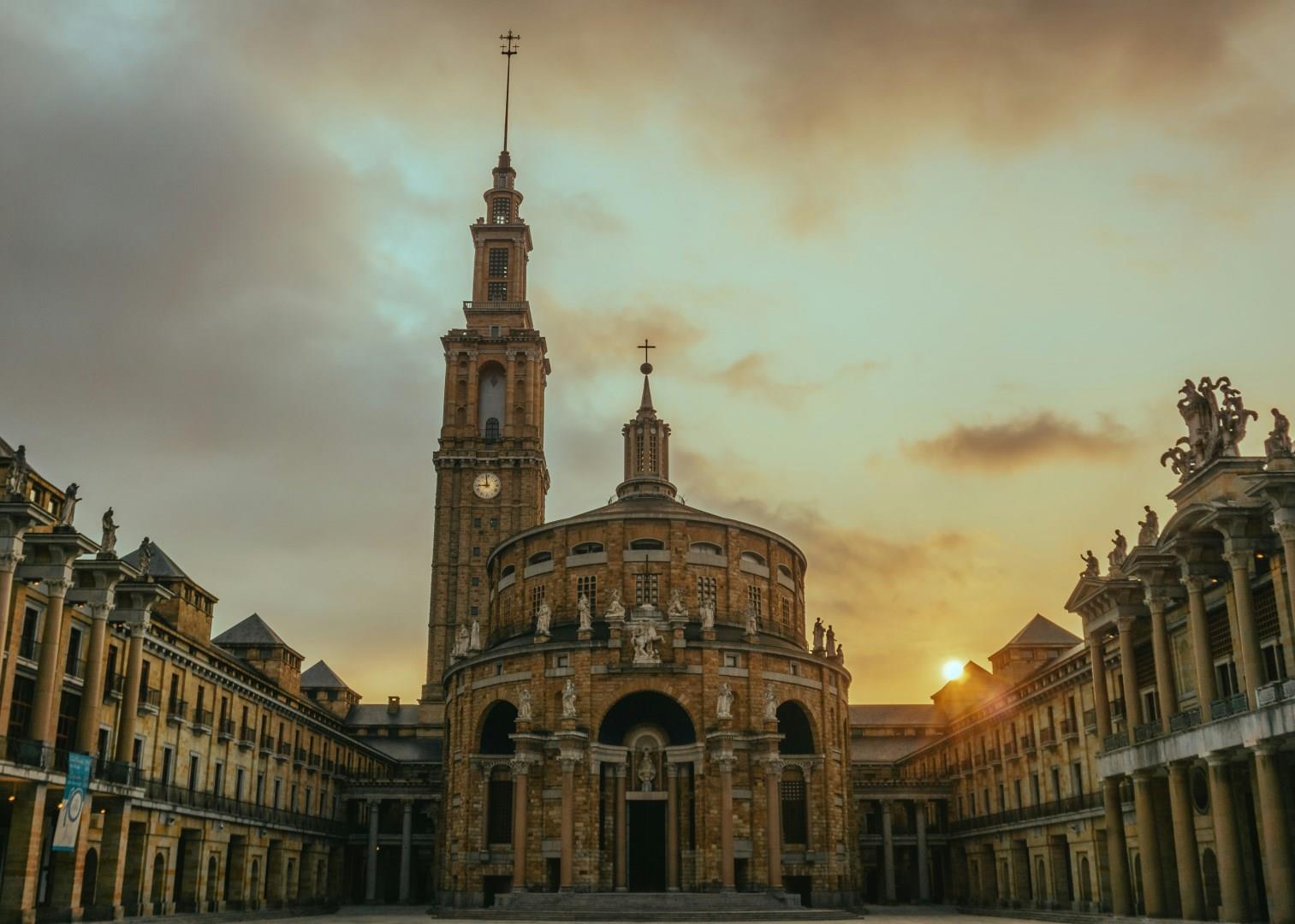
Gijón sits on Spain’s northern coast in Asturias, shaped by its long relationship with the Cantabrian Sea. From its origins as a Roman settlement to its later growth as an industrial and port city, Gijón has balanced maritime work with civic life.
Gabon
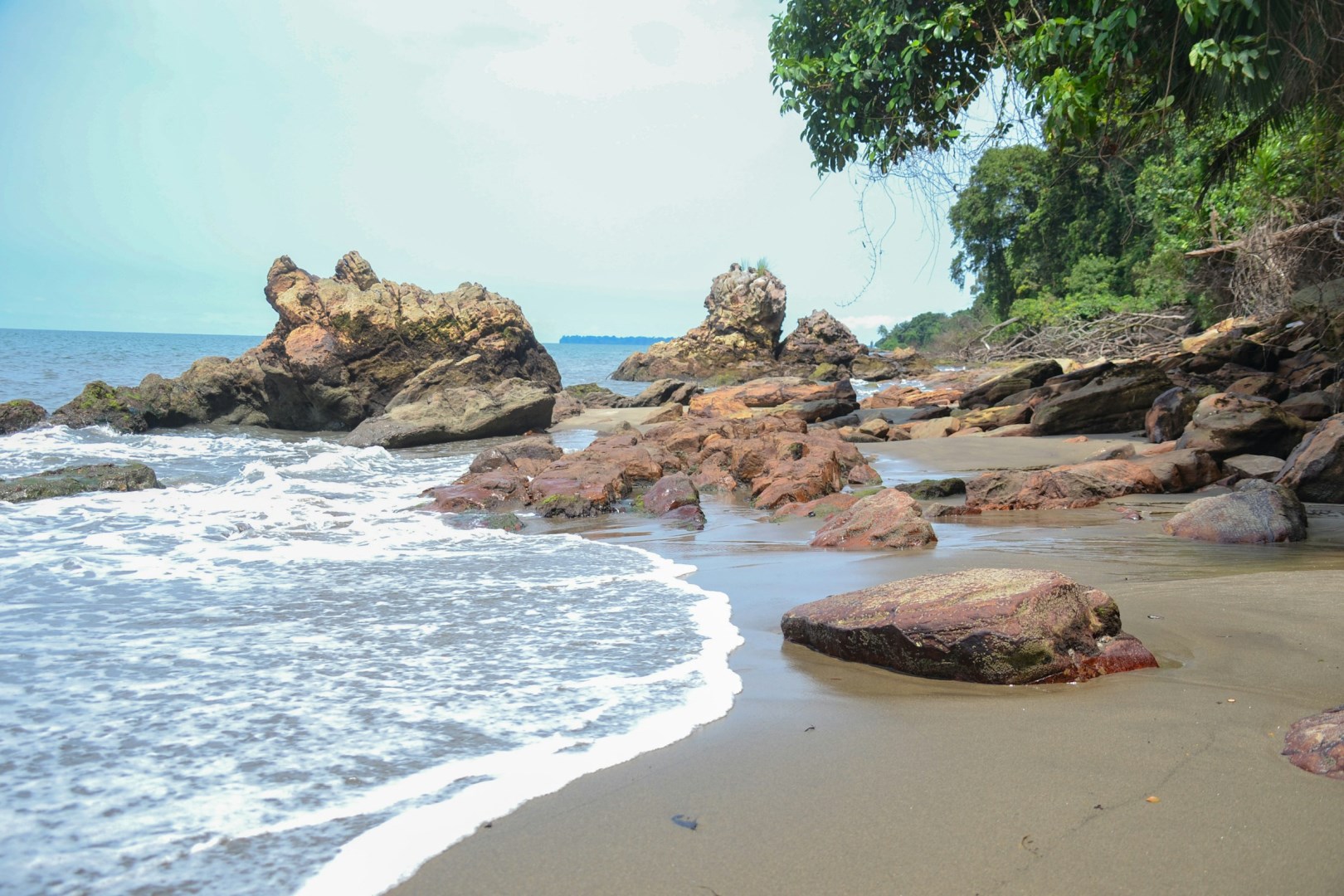
Gabon, located on the west coast of Central Africa, is a country of lush rainforests, vast savannas, and a pristine Atlantic coastline. Despite its small population, it is home to remarkable biodiversity, including gorillas, chimpanzees, forest elephants, and countless bird species. National parks such as Loango and Ivindo protect these habitats, offering visitors a chance to experience Africa’s wildlife in relatively untouched landscapes.