Sun Valley
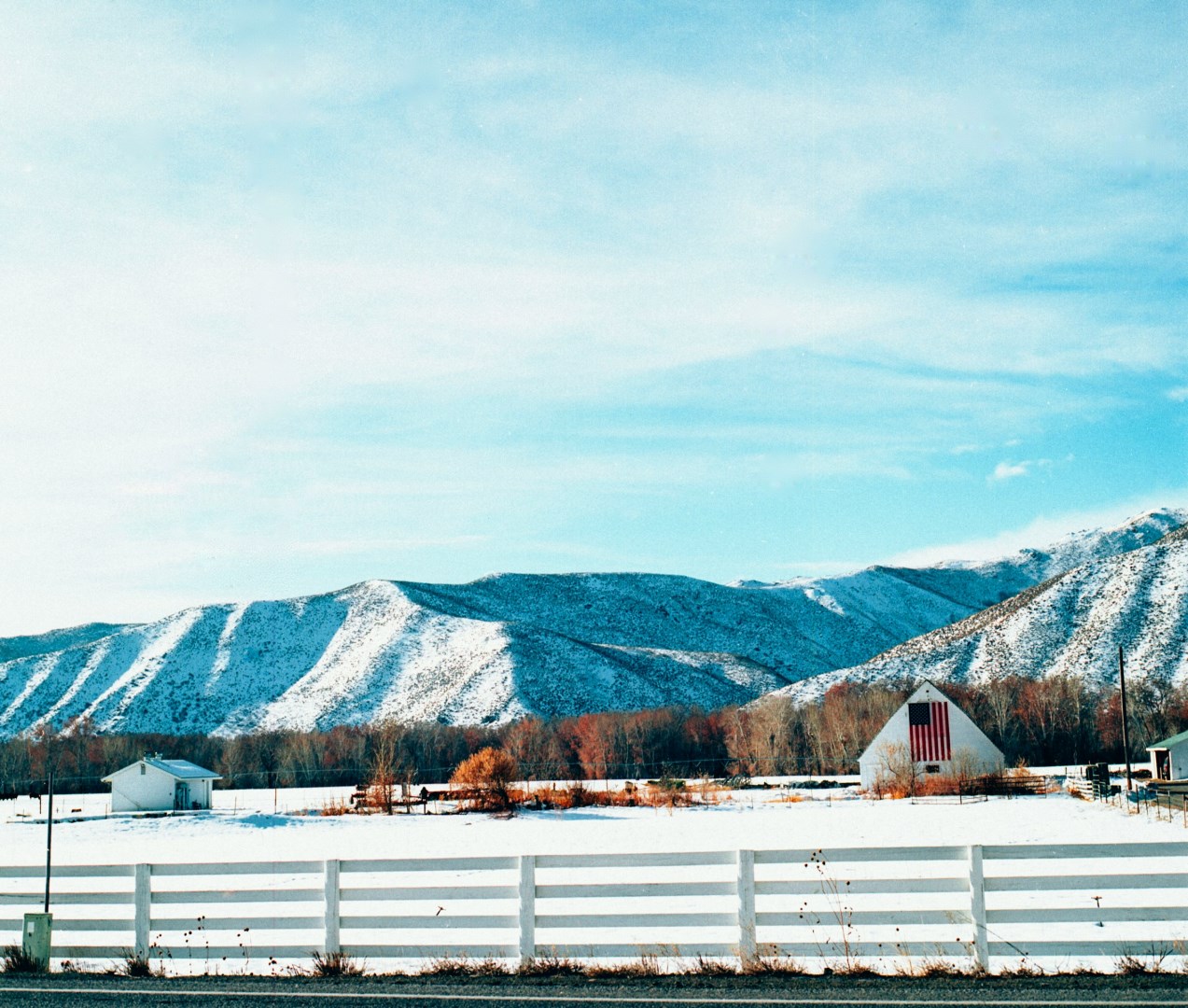
Sun Valley is a quaint ski village. A technological marketplace. Small town charm with big city convenience. The Sun Valley area provides a fun skiing experience for the entire family. All skill levels are catered to on each of the local mountains. Sun Valley Resort's Bald Mountain is just minutes from town and Soldier Mountain is a short drive down the beautiful Wood River Valley offering Snow Cat skiing and tours.
Darvaza
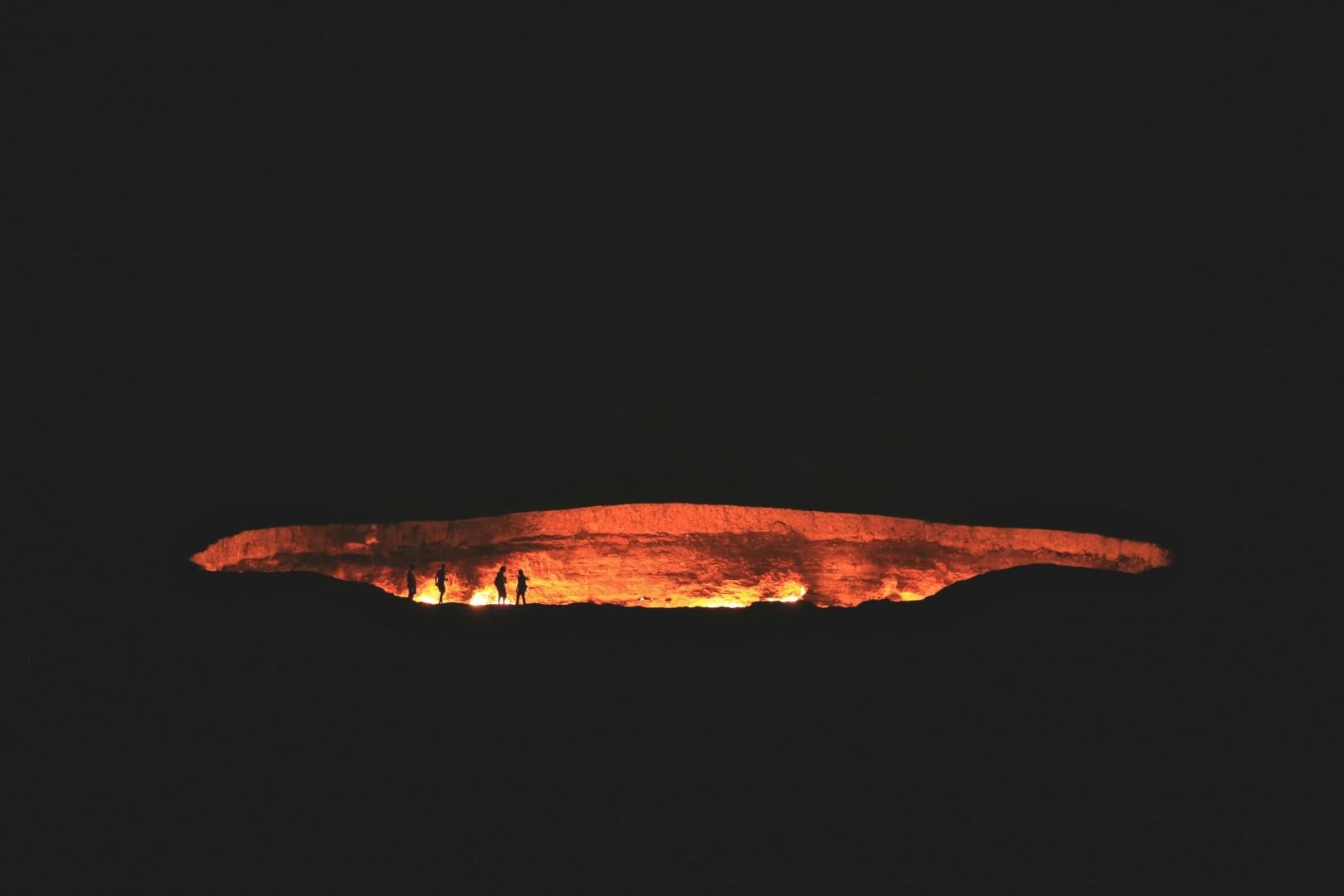
The Darvaza Gas Crater, famously nicknamed the “Door to Hell,” is one of Turkmenistan’s most extraordinary landmarks. Located deep in the Karakum Desert, this fiery pit has been burning continuously since the early 1970s, when Soviet engineers reportedly set fire to a collapsed natural gas field to prevent the spread of methane.

Cairo
Upon the banks of the mighty Nile River, the renowned city of Cairo stands tall as an iconic world capital and a well-preserved relic of antiquity. Immerse yourself in this historically significant city, replete with architectural wonders, mesmerizing artifacts, and sprawling markets humming with energy.
Steamboat Springs
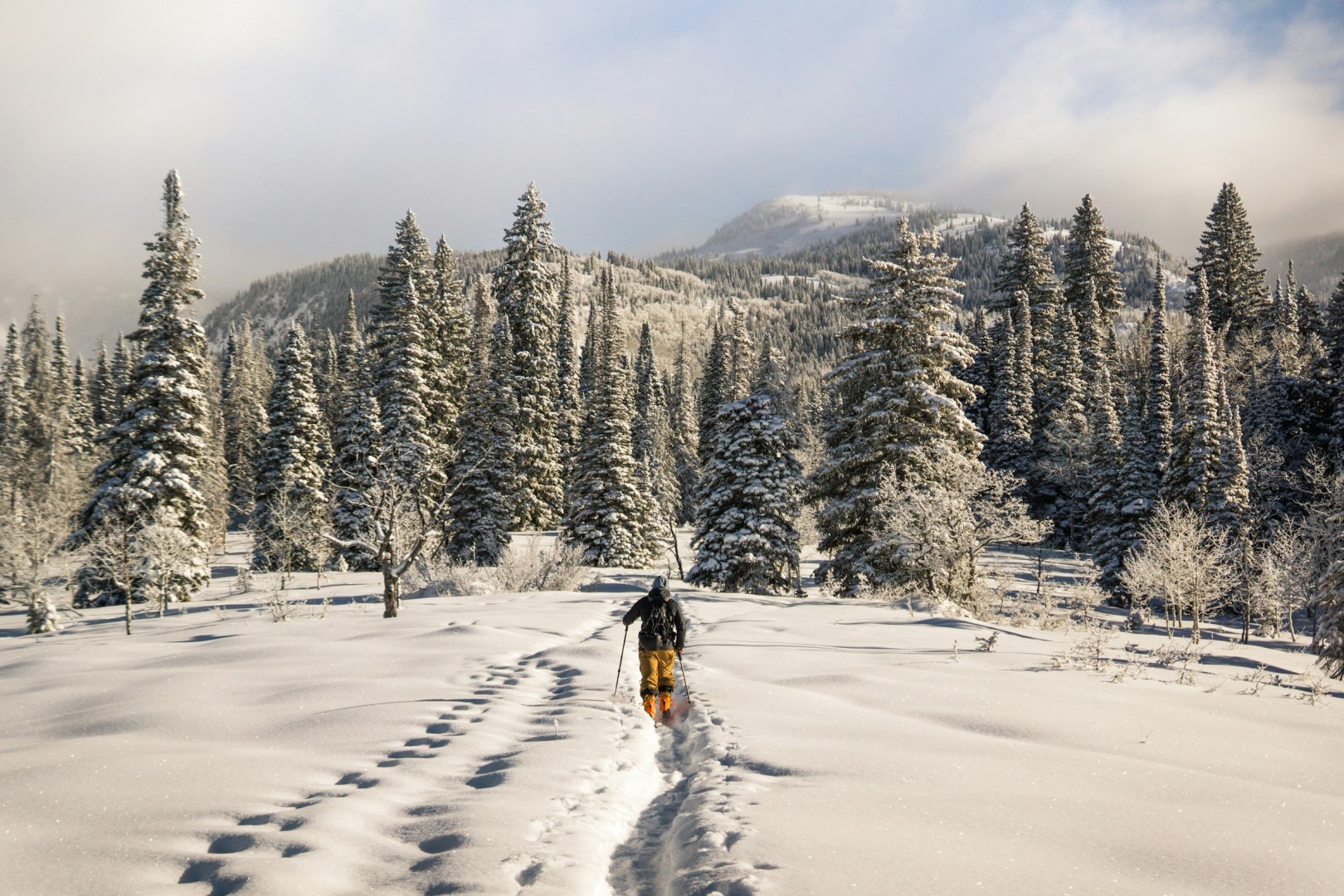
Whether you're a weekend warrior or an extreme mountaineer, Steamboat Springs has the fun and adventure to satisfy the most adventuresome spirit. Known for its world-class skiing and four-season outdoor activities, this beautiful area offers something for all ages and fitness levels.

Nice
With its blend of natural beauty, historic charm, and artistic flair, Nice offers an unforgettable experience on the French Riviera. Whether wandering through its picturesque streets, enjoying a day at the beach, or savoring its regional cuisine, visitors will fall in love with this enchanting city.