Trinidad
Trinidad, Cuba, is a mesmerizing time capsule that transports visitors to another era with its cobblestone streets, pastel-colored colonial buildings, and horse-drawn carts. Founded in 1514 by Spanish conquistador Diego Velázquez de Cuéllar, this city, located in central Cuba, is one of the best-preserved colonial towns in the Caribbean. Trinidad's rich history and enchanting architecture make it an essential destination for anyone seeking an authentic Cuban experience.

Aswān
Nestled along the tranquil banks of the Nile River, Aswan, Egypt, is a city where ancient history and natural beauty converge in an enchanting landscape. Often referred to as the gateway to Nubia, Aswan is a haven for those seeking to explore Egypt's rich heritage while basking in a serene, almost mystical atmosphere. The city's ancient roots are palpable as you stroll through its vibrant streets, where the echoes of Pharaonic, Roman, and Islamic eras linger in every corner.

Albuquerque
Albuquerque, New Mexico, is a city where centuries-old adobe architecture, desert landscapes, and modern innovation meet beneath some of the clearest skies in the country. Every October, Albuquerque becomes the site of one of the most photographed events in the world: the Albuquerque International Balloon Fiesta. For nine crisp mornings, hundreds of hot air balloons rise over the city, painting the sky in brilliant colors and wild shapes with everything from farm animals to space aliens.

Lake Nakuru National Park
Lake Nakuru National Park is located in the heart of the Great Rift Valley. The Park encompasses the alkaline Lake Nakuru and has earned fame as the greatest bird spectacle in the world. The gathering of hundreds of thousands of greater and lesser pink flamingos.
Vannes
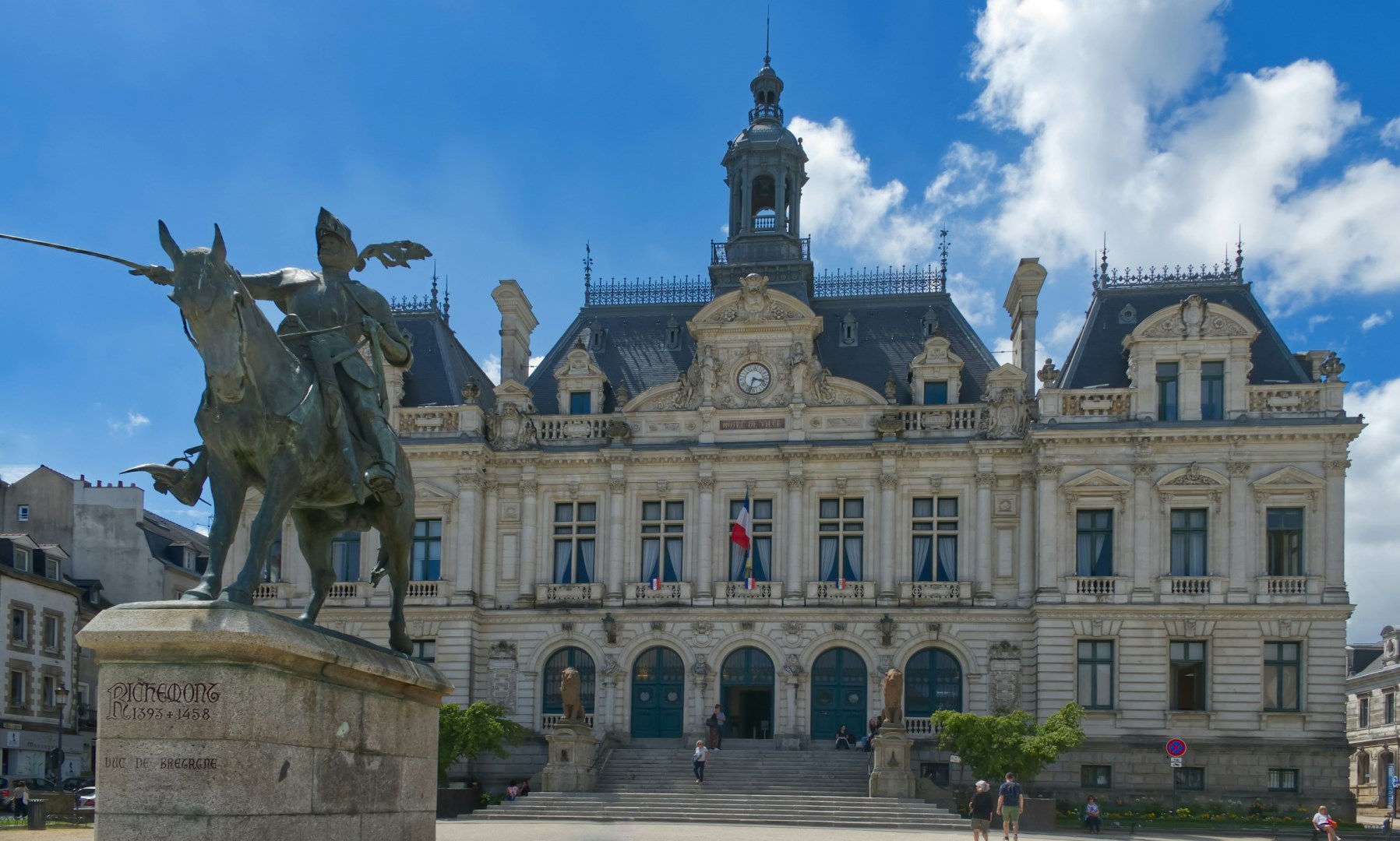
Vannes is a historic port city in Brittany, set at the northern end of the Golfe du Morbihan. Its compact old center is enclosed by medieval fortifications and combines cobbled lanes, half-timbered houses, private mansions, and small squares. The harbor extends the city toward the gulf, making Vannes an important gateway to the islands and coastal landscapes of southern Brittany.