Côte d’Ivoire
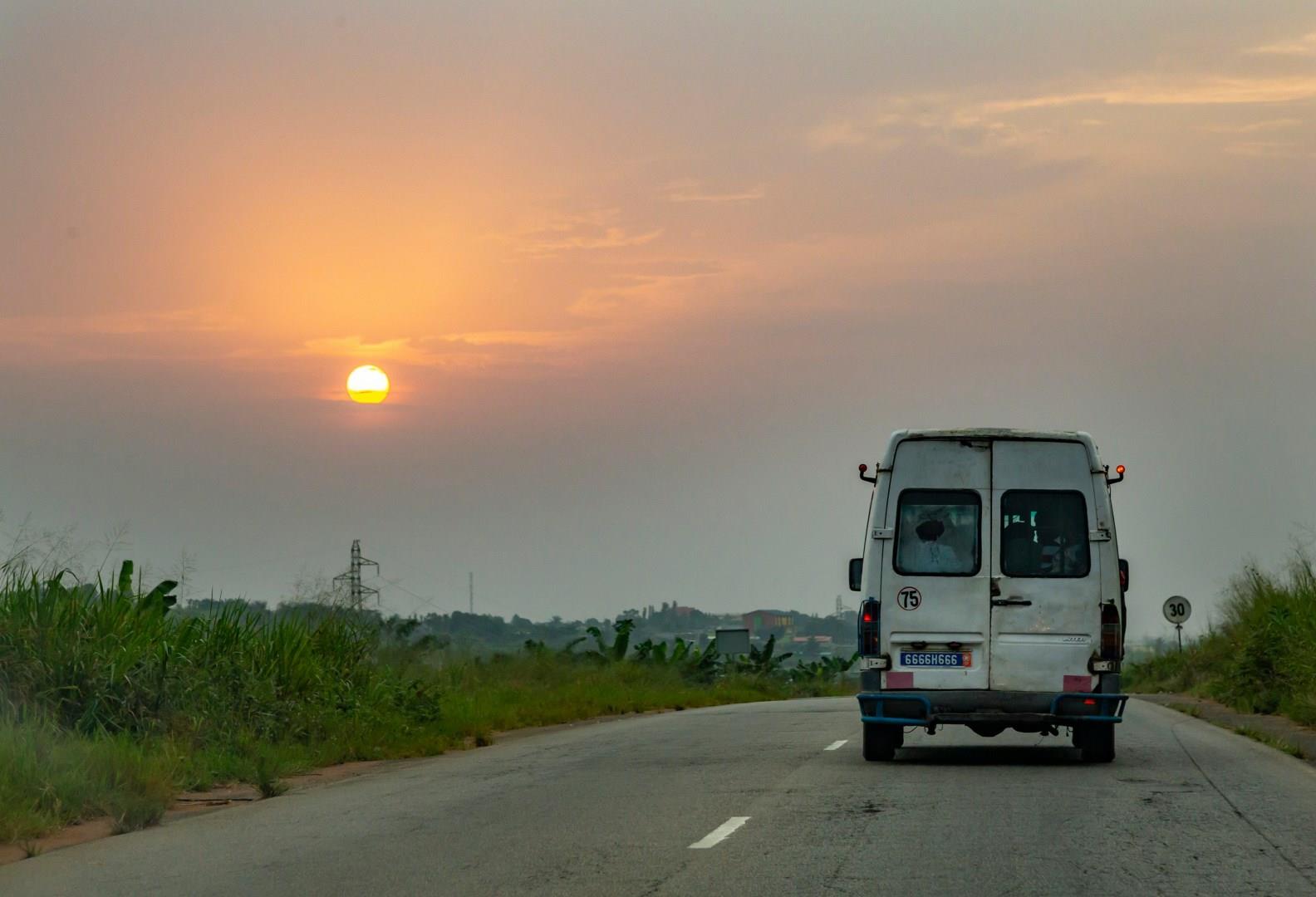
Ivory Coast, or Côte d’Ivoire, is a West African nation celebrated for its cultural diversity, vibrant cities, and scenic landscapes.
Ulleri
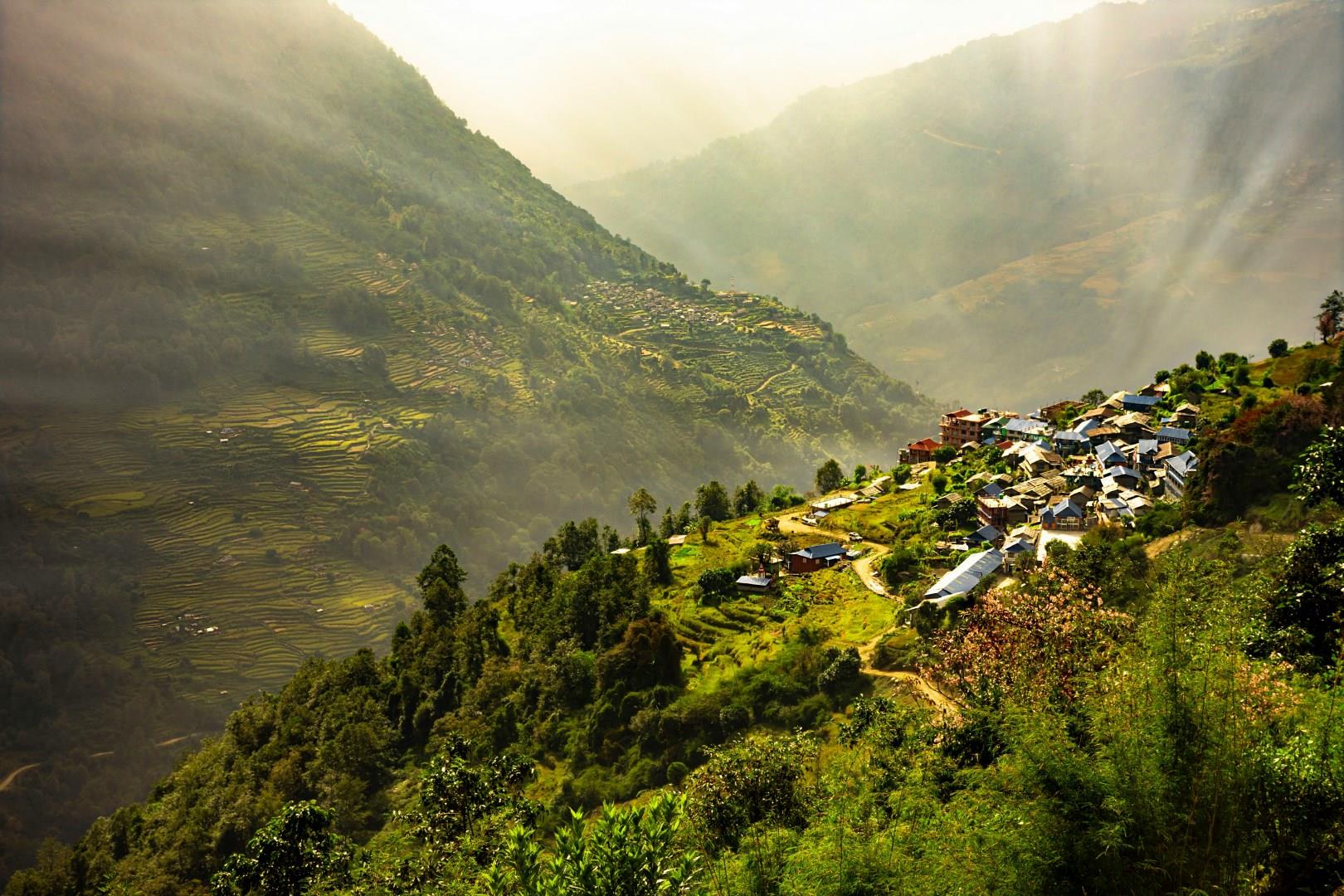
Ulleri is a small village in Nepal, located in the Annapurna region along the popular trekking route to Ghorepani and Poon Hill. It has traditionally served as a resting point for trekkers and local traders, with stone-paved streets and terraced fields reflecting centuries of Himalayan agricultural life.
Nadi
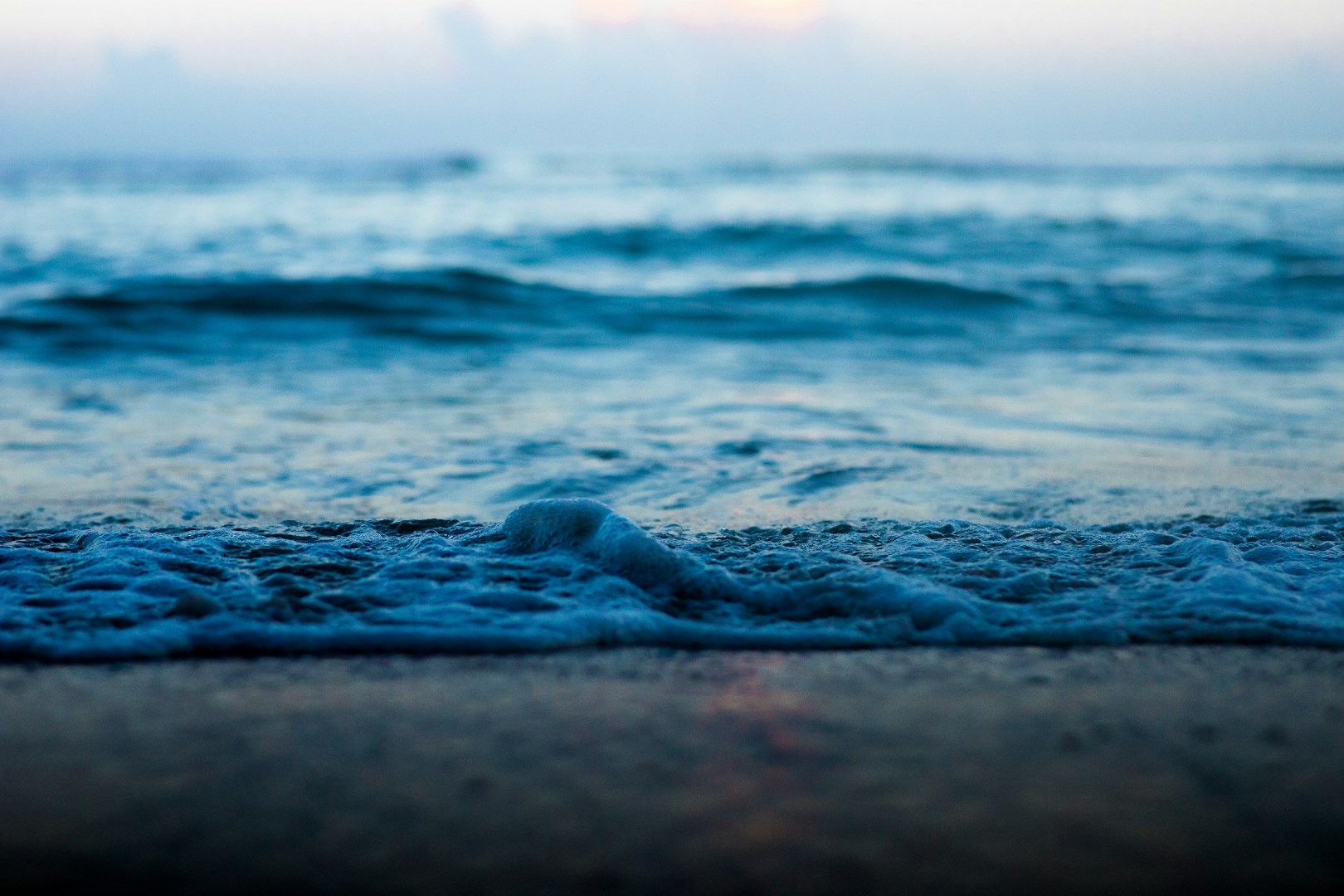
Nadi, a vibrant city on Fiji's western coast, offers a gateway to some of the South Pacific's most enchanting experiences. Known for its bustling markets and lively atmosphere, Nadi is a hub of culture and activity. A must-see is the Sri Siva Subramaniya Temple, the largest Hindu temple in the Southern Hemisphere, renowned for its intricate Dravidian architecture and colorful frescoes. The temple’s vibrant and spiritual ambiance provides a glimpse into Fiji's rich Indian heritage.
Schwangau
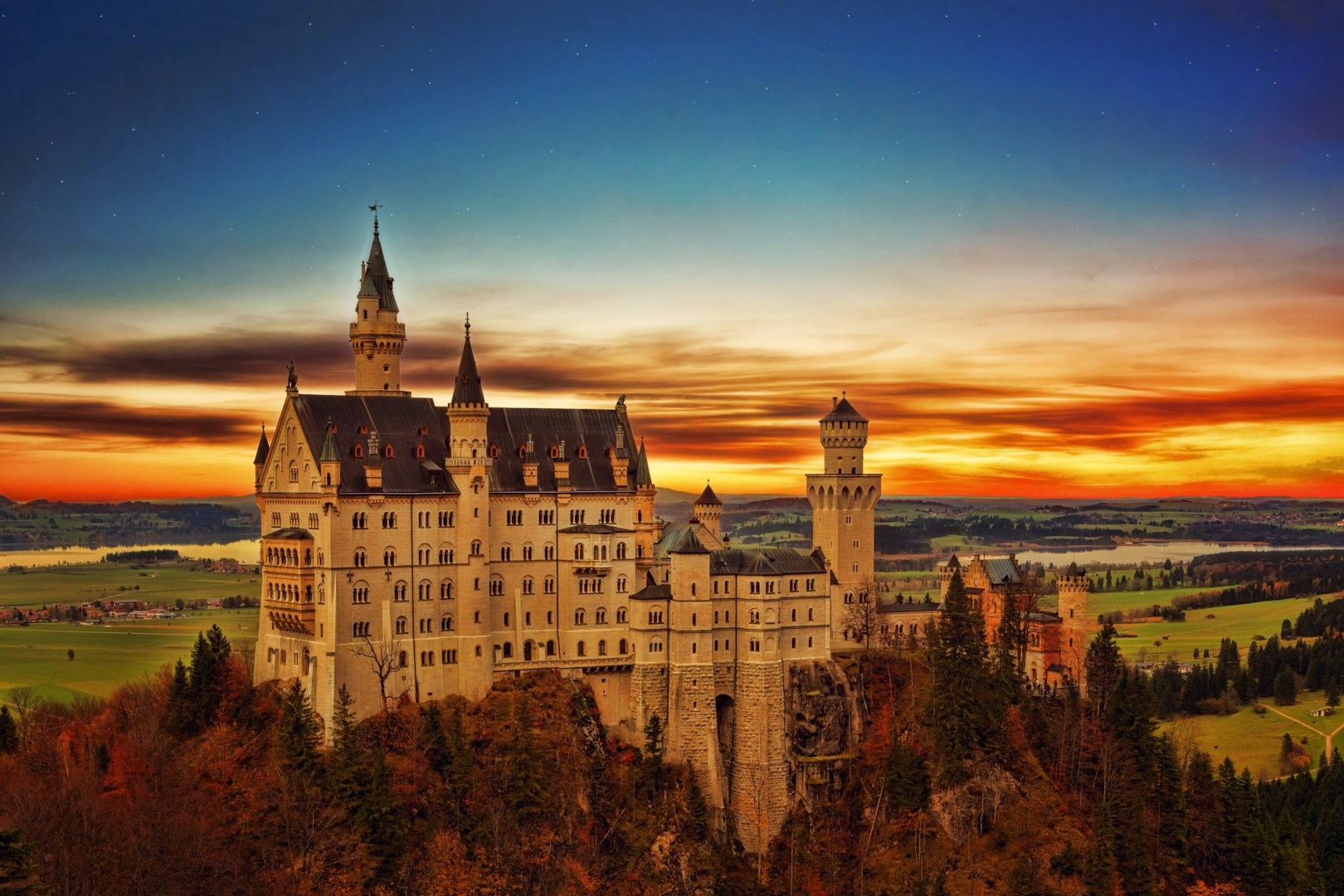
Perched high on a rugged hill, Neuschwanstein offers breathtaking views of the surrounding landscape, including the shimmering Alpsee and the dense forests that cloak the region. A visit to Schwangau isn't complete without exploring this iconic landmark, where the opulence of King Ludwig II's vision comes to life in every ornate detail.

Pécs
Pécs, Hungary, is a city that seamlessly blends history, culture, and a vibrant modern atmosphere. Nestled at the foot of the Mecsek Mountains in southern Hungary, Pécs boasts a rich heritage that dates back over 2,000 years. Visitors are often captivated by the city’s unique blend of Roman, Ottoman, and Hungarian influences.