Athens
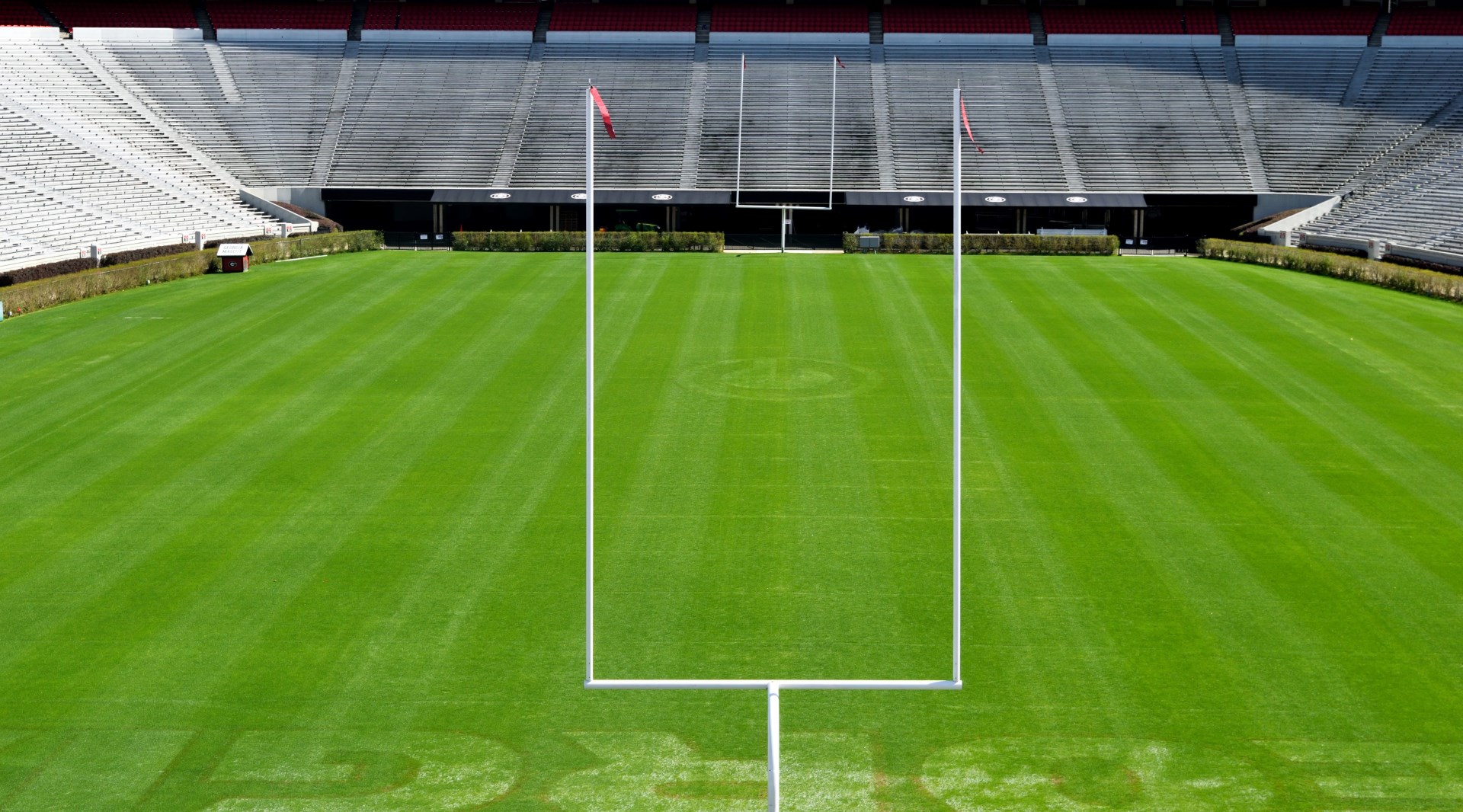
Nestled in the rolling hills of northeast Georgia, Athens is a vibrant city known for its rich history, thriving arts scene, and quintessential Southern charm. Home to the University of Georgia, the birthplace of public higher education in America, Athens brims with youthful energy and intellectual curiosity.
Menaggio
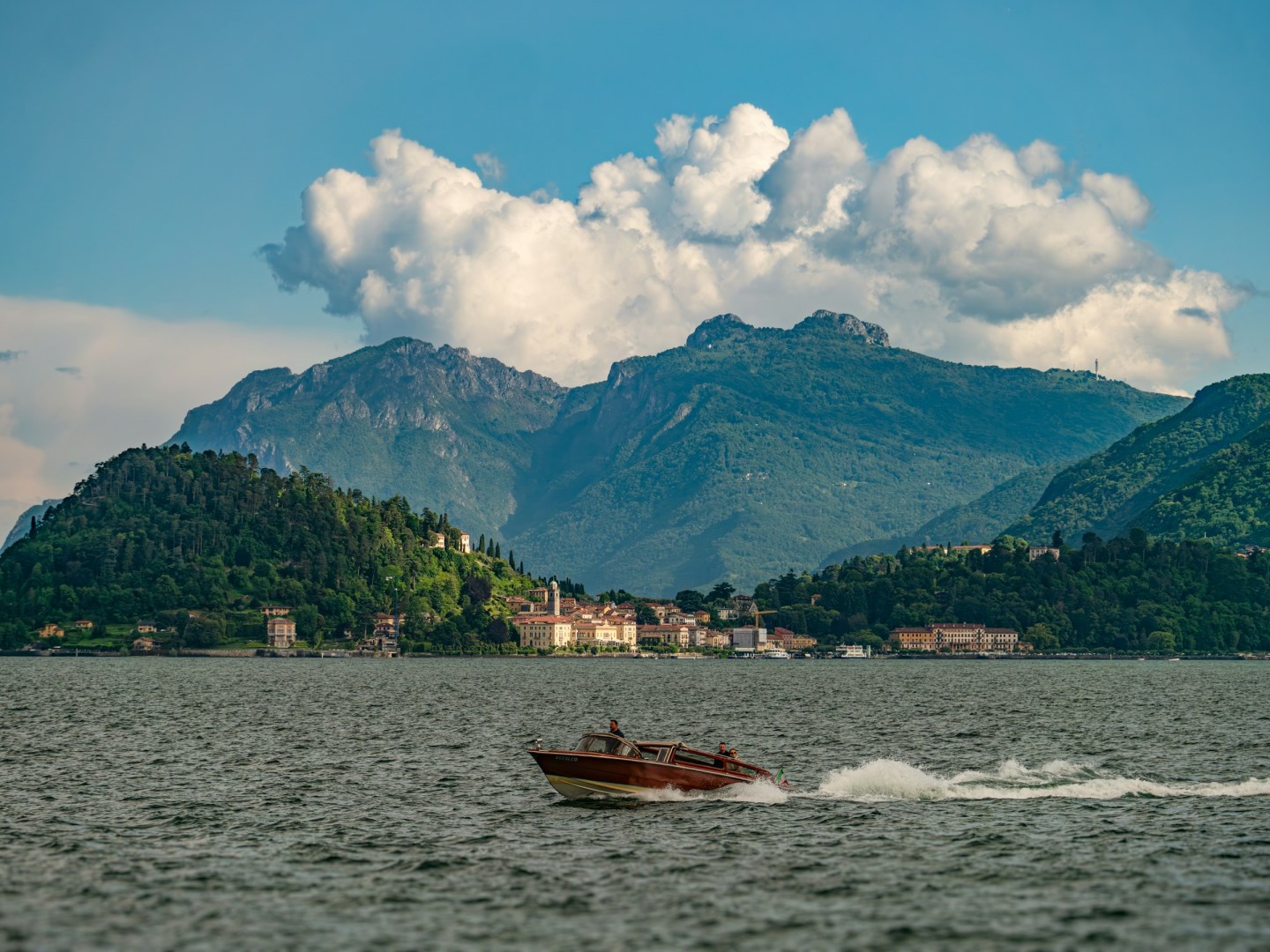
Menaggio is situated on the western shore of Lake Como. at the point where the road bordering the western side of the lake and the road leading through the Val Menaggio to Lugano meet.

Lyttelton
Lyttelton is the largest settlement on Lyttelton Harbour, an inlet on the northwestern side of Banks Peninsula, and provides a frequent landing spot to those who are Christchurch bound.
La Trinité
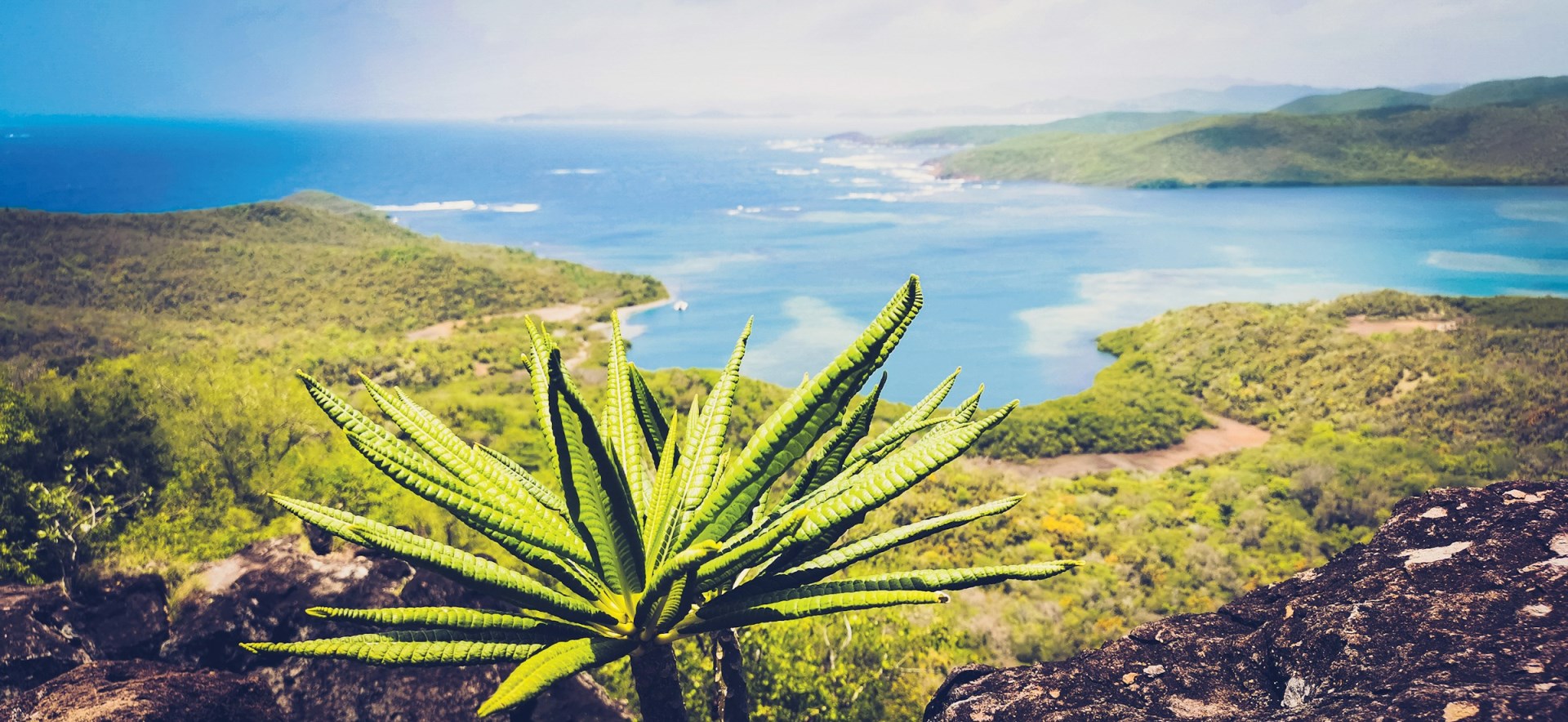
La Trinité is a coastal town on Martinique’s northeastern side, facing the Atlantic Ocean and the large bay of the Baie du Trésor. It serves as the main town of the La Trinité arrondissement and is surrounded by a landscape of sugar-cane fields, tropical vegetation, hills, and coastal wetlands. The town itself has a working harbour and a waterfront shaped by fishing and maritime activity.

Kralendijk
There's plenty to explore and savor in this vibrant paradise on the Caribbean Sea, including numerous beaches, an assortment of water sports, and plenty of delicious eats and cocktails.