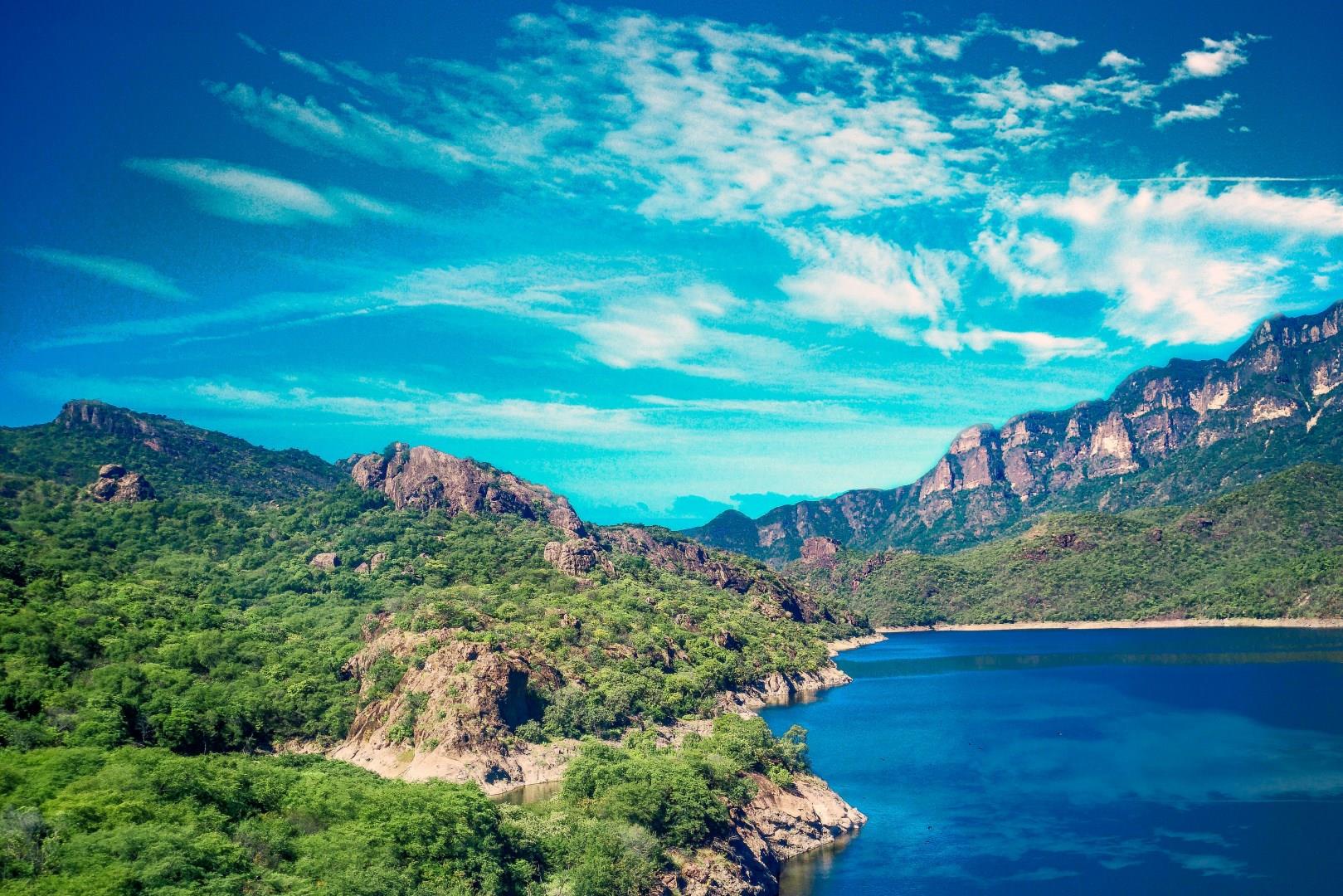
Yokohama
Yokohama, Japan's vibrant port city, offers a delightful blend of historical charm and modern excitement. Located just a short train ride from Tokyo, Yokohama is renowned for its picturesque waterfront and cultural attractions.

Christchurch
Welcome to Christchurch, a picturesque city with English heritage. Here, the new mixes with the old in enchanting ways, with edgy modern architecture and old buildings sitting side by side

Mikulov
Mikulov, located in the heart of South Moravia in the Czech Republic, is a picturesque town known for its rich history, stunning architecture, and exceptional wine culture. Dominating the skyline is Mikulov Castle, an elegant Baroque structure that has been a cultural landmark since the 13th century. Visitors can explore the castle’s historical exhibitions, including a fascinating display on the region’s winemaking traditions.
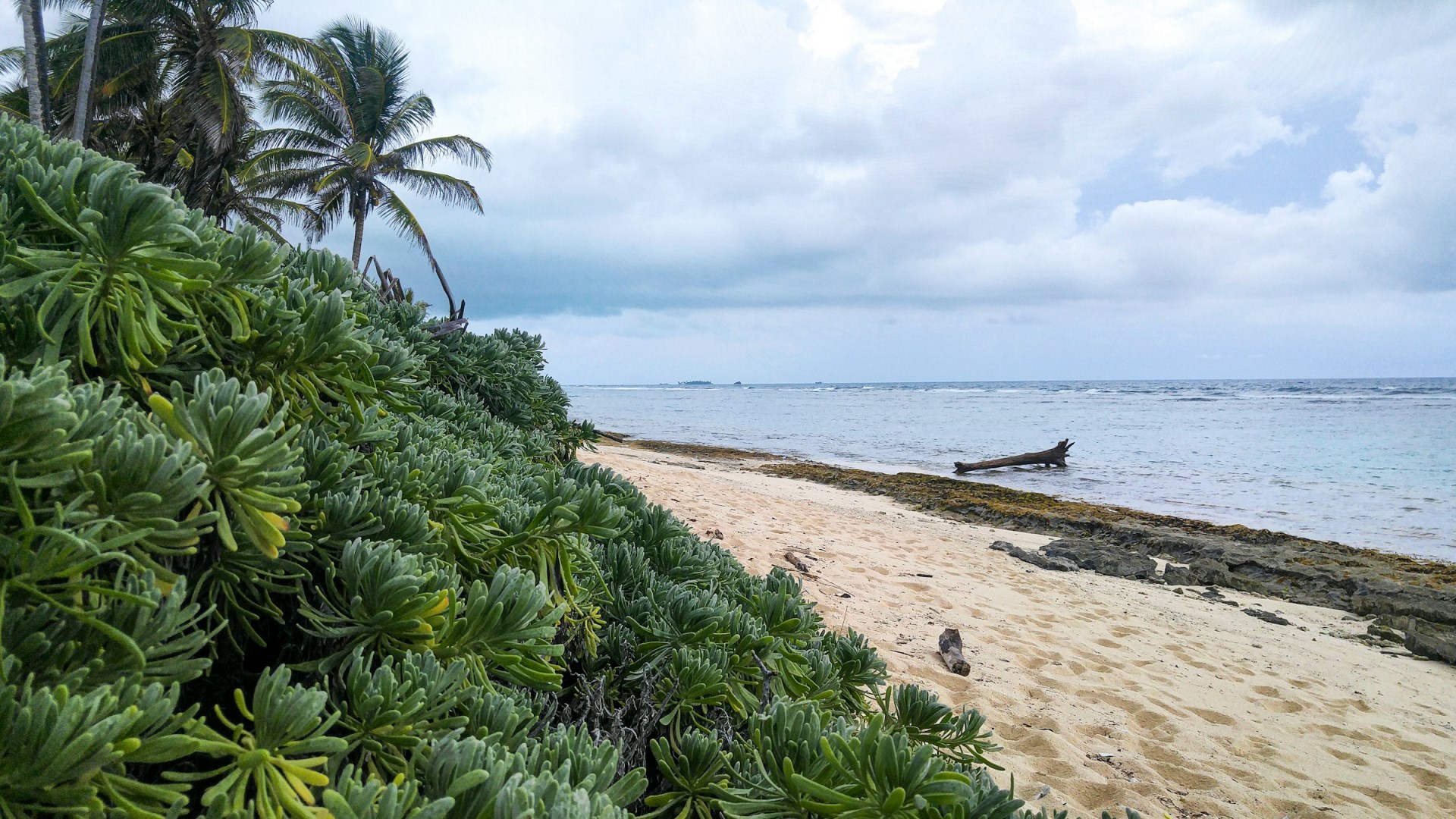
San Andrés
Eight-mile-long island, where a variety of water sports is available. Stroll the bustling port area, where hundreds of stores sell goods ranging from Columbian emeralds to imported fine china and porcelain.
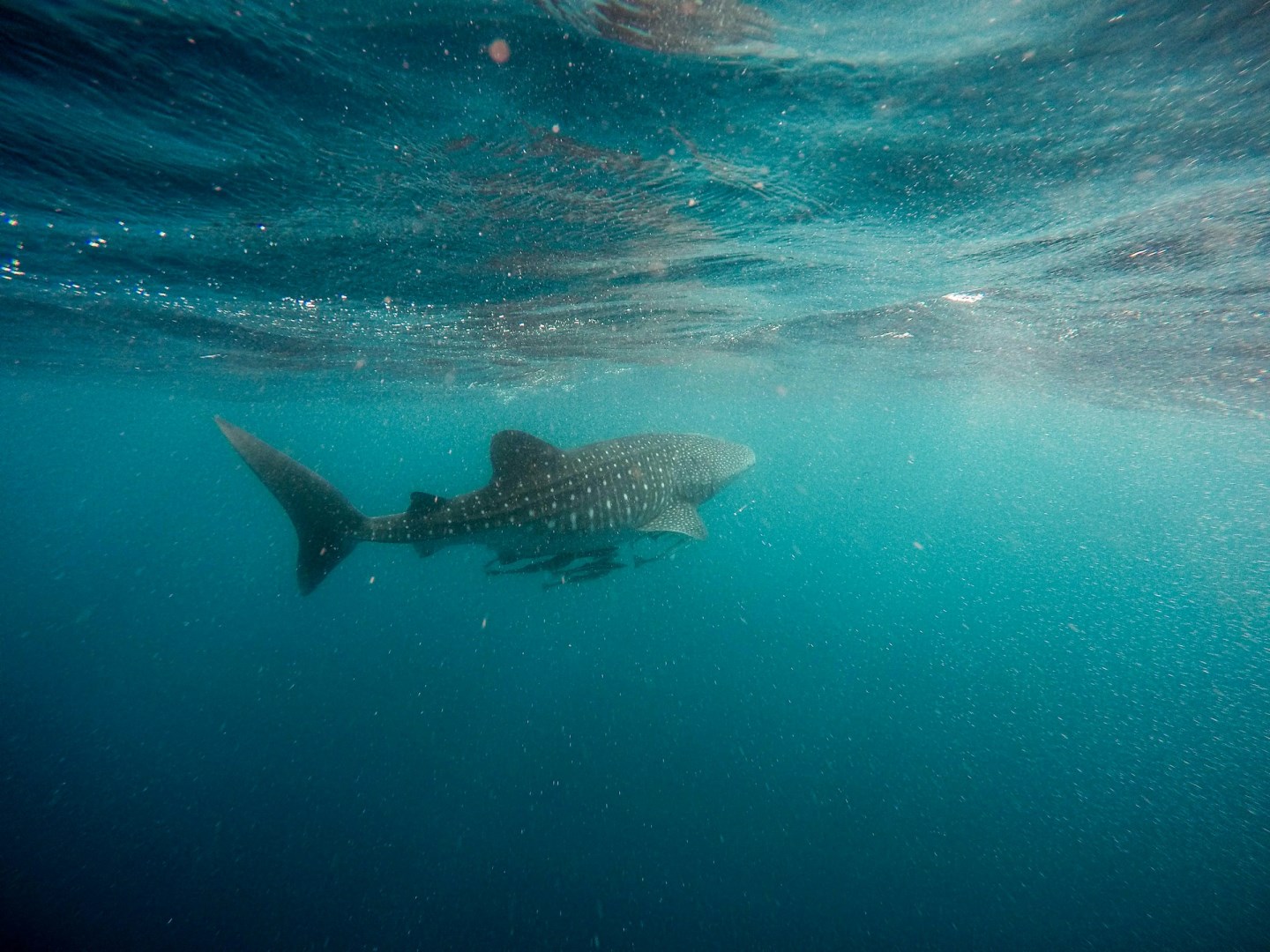
Exmouth
Exmouth is a great base from which to join one of the many fabulous eco-tourism tours around the area. Exmouth is situated on the northern tip of the North West Cape which offers a number of nearby attractions. There is also a fantastic swimming beach at Pebbley Beach.