Erfurt
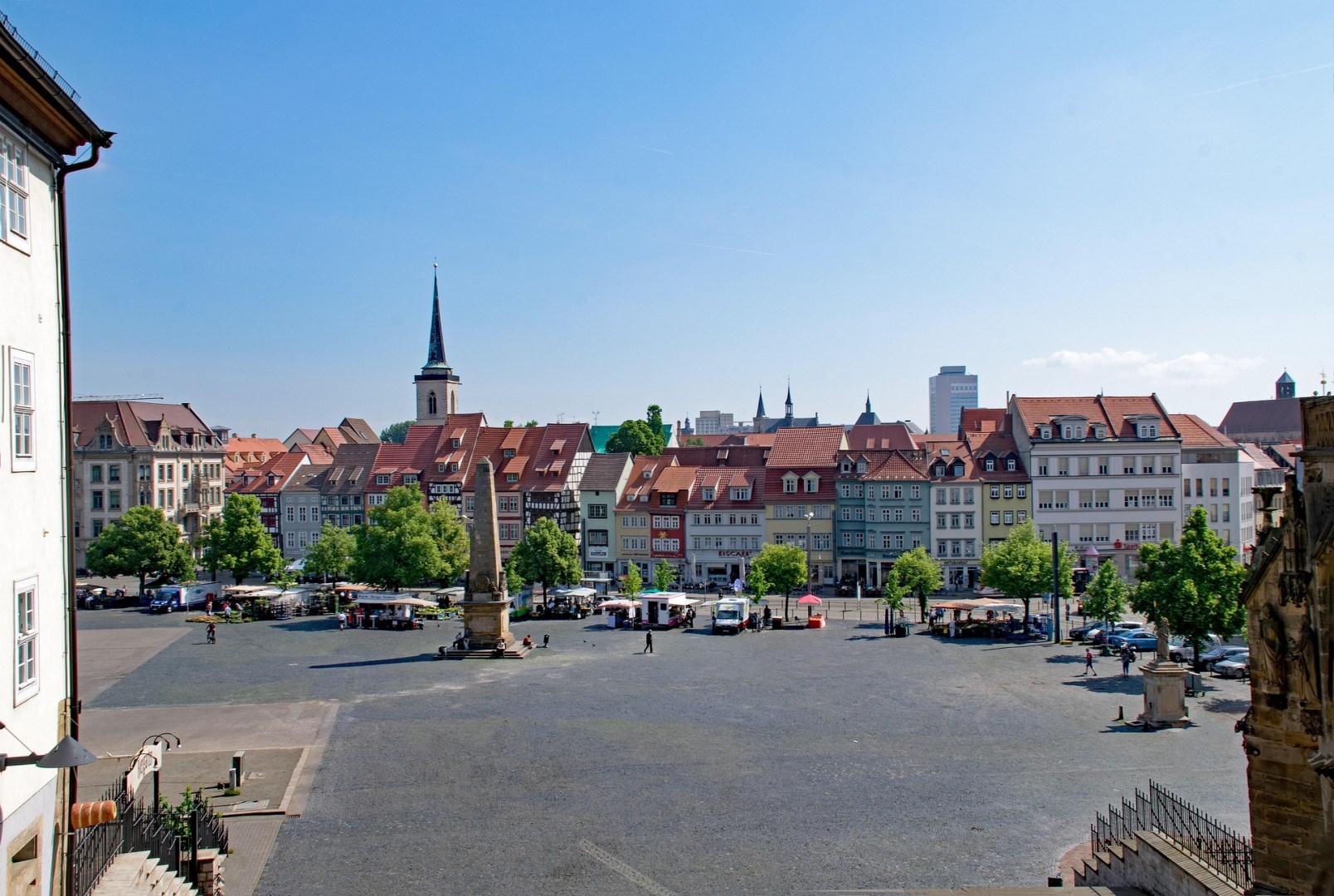
The skyline of Erfurt is shaped by dozens of churches, monasteries, and convents thrusting their pointed steeples upward to the sky. In the Middle Ages, Erfurt was known as "Thuringian Rome" because of its religious orders. The impressive twin churches on the Domberg (Cathedral Hill), the Roman Catholic St. Mary's Cathedral (14th century) and the Roman Catholic Parish church St. Severus with a flight of 70 outdoor steps leading from the Cathedral Square up the hill to the churches.
Aroumd
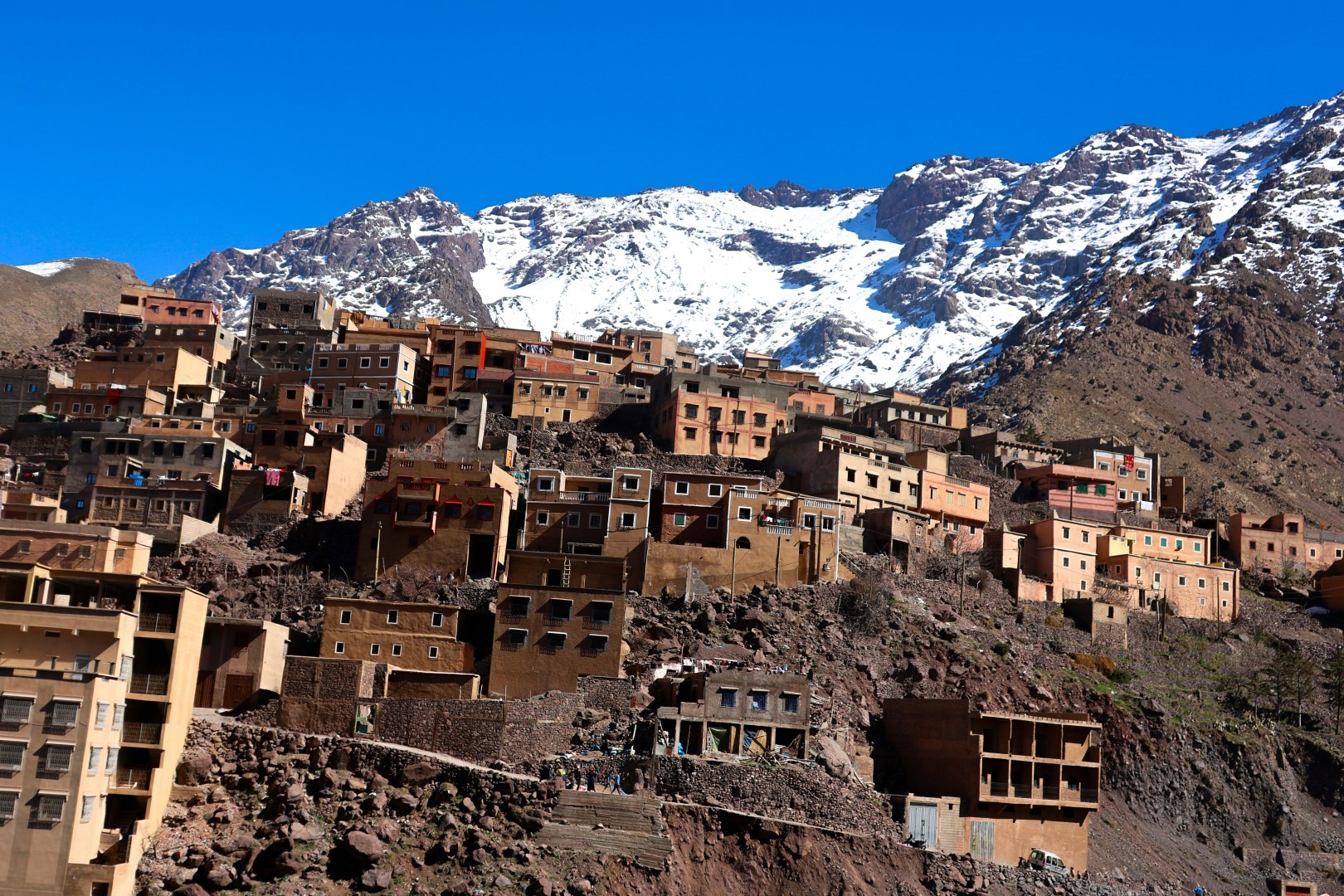
High in the Atlas Mountains, the village of Aroumd sits on a rocky slope above the Ait Mizane Valley. Reached by a walk or mule path from nearby Imlil, the journey itself sets the tone as one that's quiet, scenic, and far removed from city life. At nearly 1,900 meters above sea level, the air feels crisp, and the views stretch across terraced hills and distant peaks. The absence of large roads keeps the village peaceful, allowing visitors to experience daily life at a slower pace.
Yemen
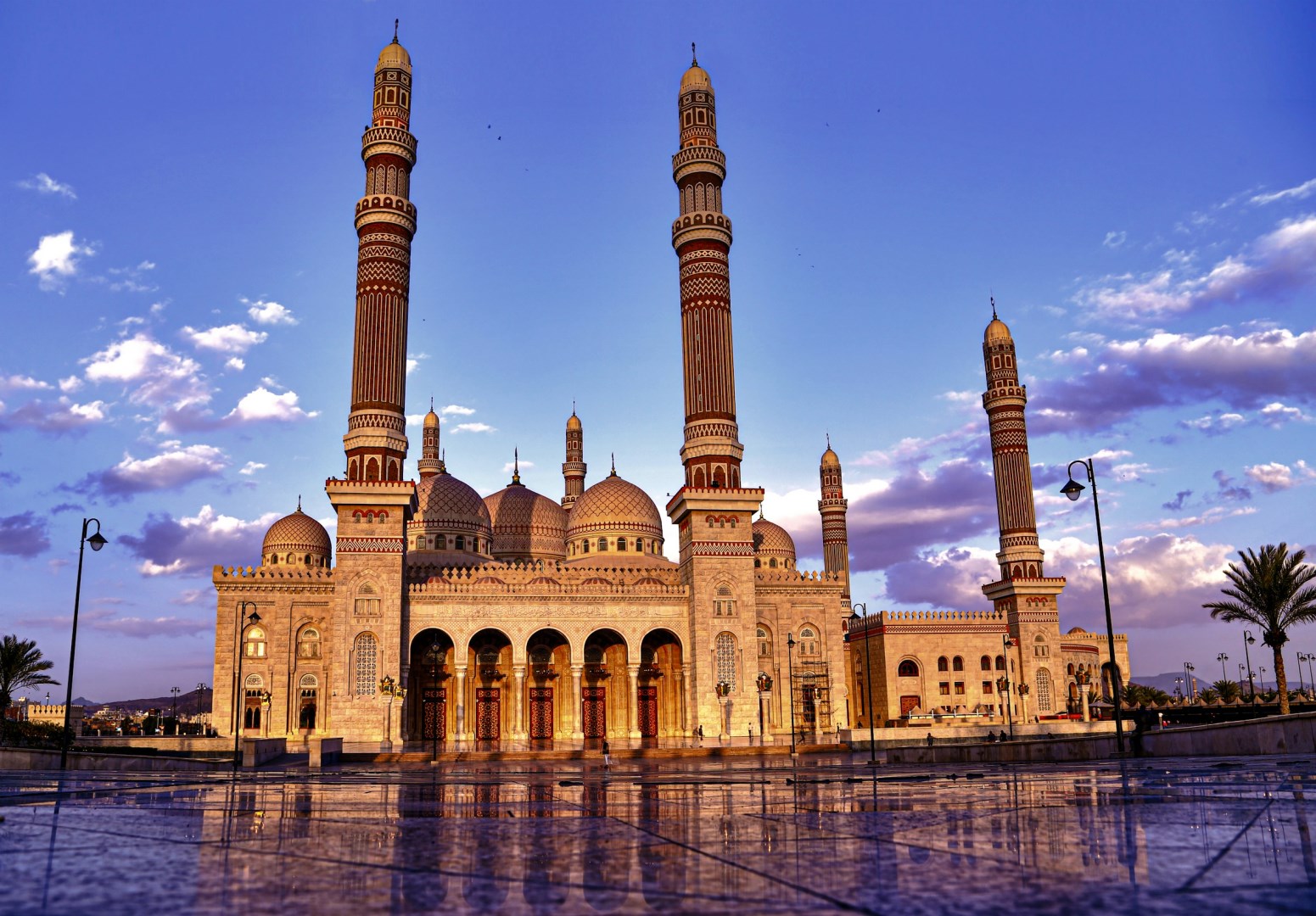
Yemen’s Old City of Sana'a stands as a living mosaic of civilizations. Just past the ornate Bab al‑Yaman gate, towering homes made of adobe, lime plaster, and layered with qatad (plaster) rise like giants in the maze of markets and quiet courtyards. Nearby, the ruins of Ghumdan Palace, once said to rival skyscrapers, recall a pre‑Islamic past and offer echoes of bygone architectural ambition.

Essaouira
Essaouira, a charming coastal city in Morocco, offers an enchanting blend of history, culture, and natural beauty. Nestled on the Atlantic coast, Essaouira is renowned for its well-preserved medina, a UNESCO World Heritage Site, featuring a labyrinth of narrow alleys, whitewashed buildings, and vibrant blue shutters. This historic port city boasts impressive ramparts, including the iconic Skala de la Ville, which offers panoramic views of the ocean and the bustling harbor.
Guanajuanto
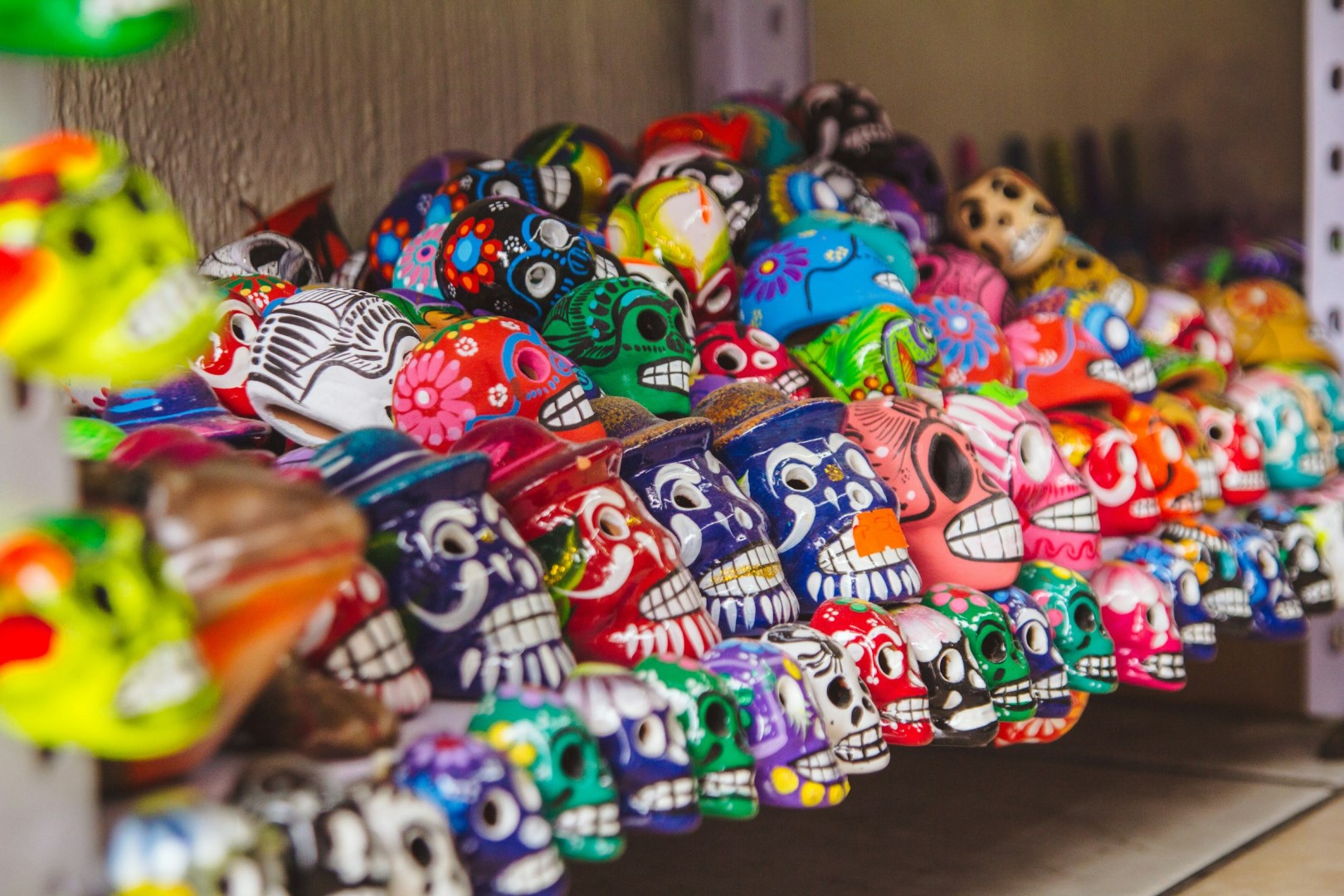
Guanajuato is situated between the dry north of the country and the more verdant south, and geographically belongs to the Trans-Mexican Volcanic Belt, the Mexican Plateau.