Chuuk
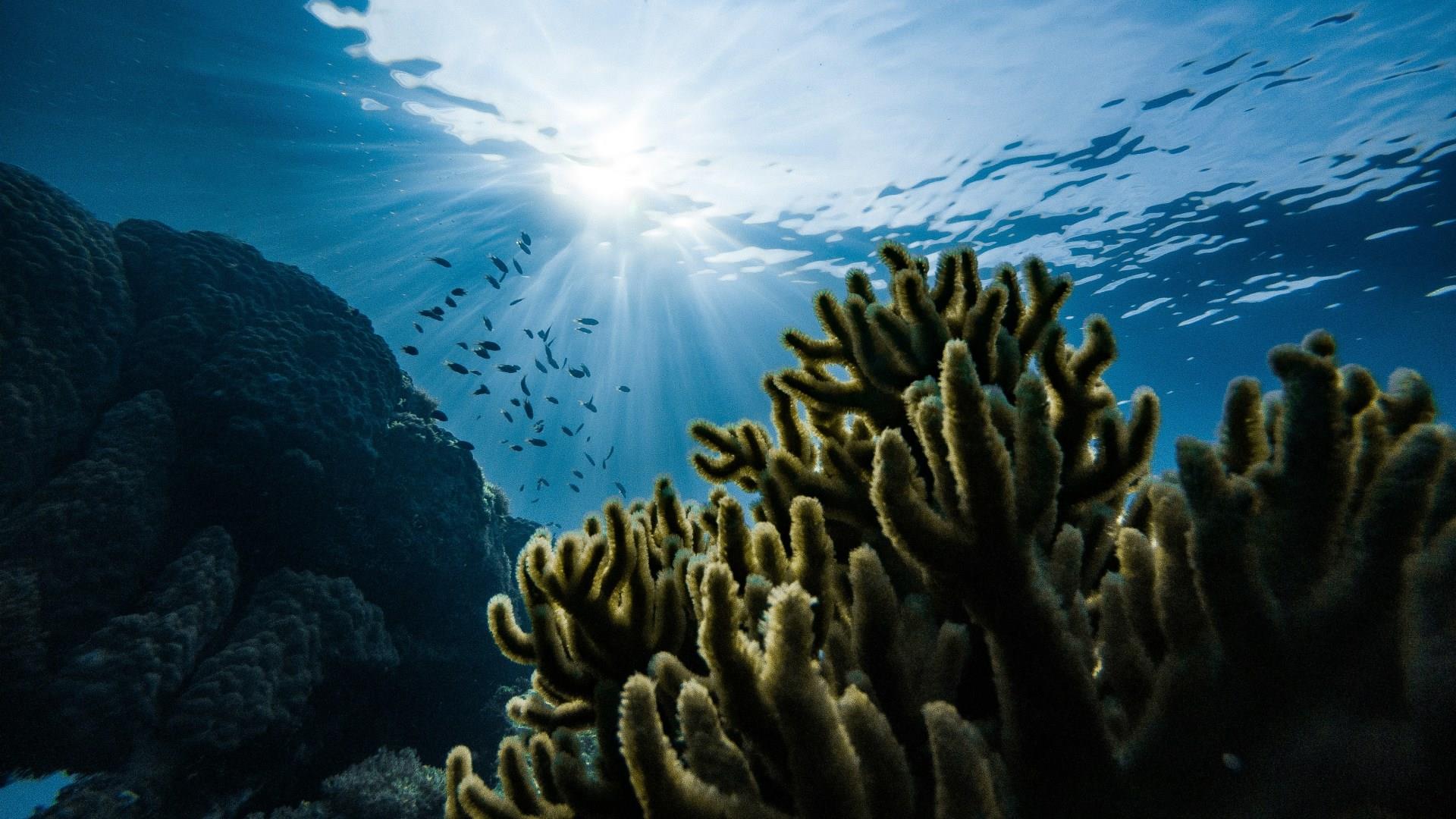
Chuuk, one of the four states of the Federated States of Micronesia, is best known for its vast lagoon which is one of the largest enclosed lagoons in the world. But what sets Chuuk apart is what lies beneath those calm blue waters: an entire underwater fleet of sunken warships, aircraft, and submarines left from World War II. Often called the "Ghost Fleet of Truk Lagoon," these wrecks make Chuuk a global destination for experienced divers.
Mopti
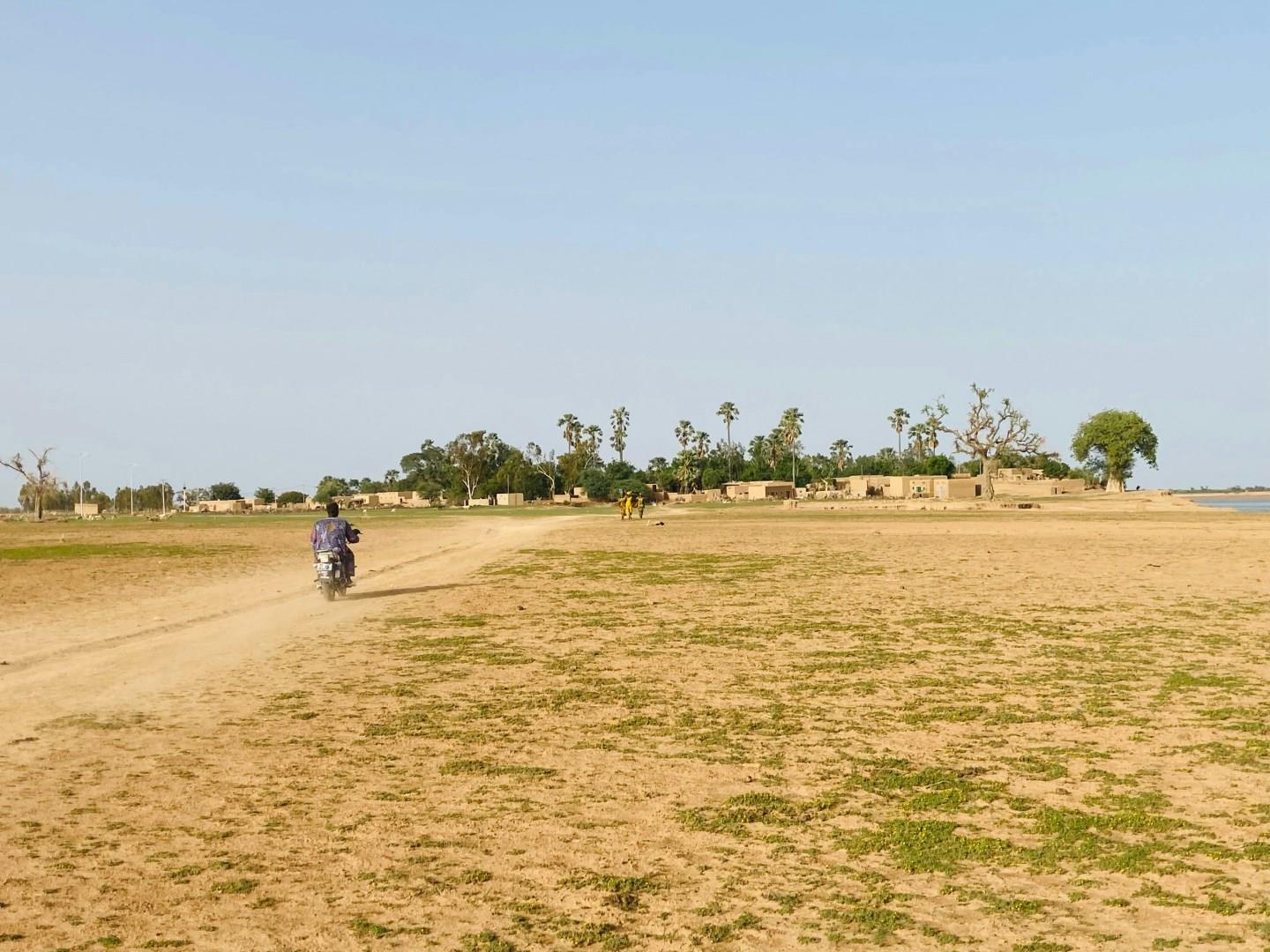
Mopti, often called the “Venice of Mali,” sits at the point where the Bani and Niger rivers meet. This strategic location has made it an important trading hub for centuries, attracting merchants, fishermen, and travelers from across West Africa.
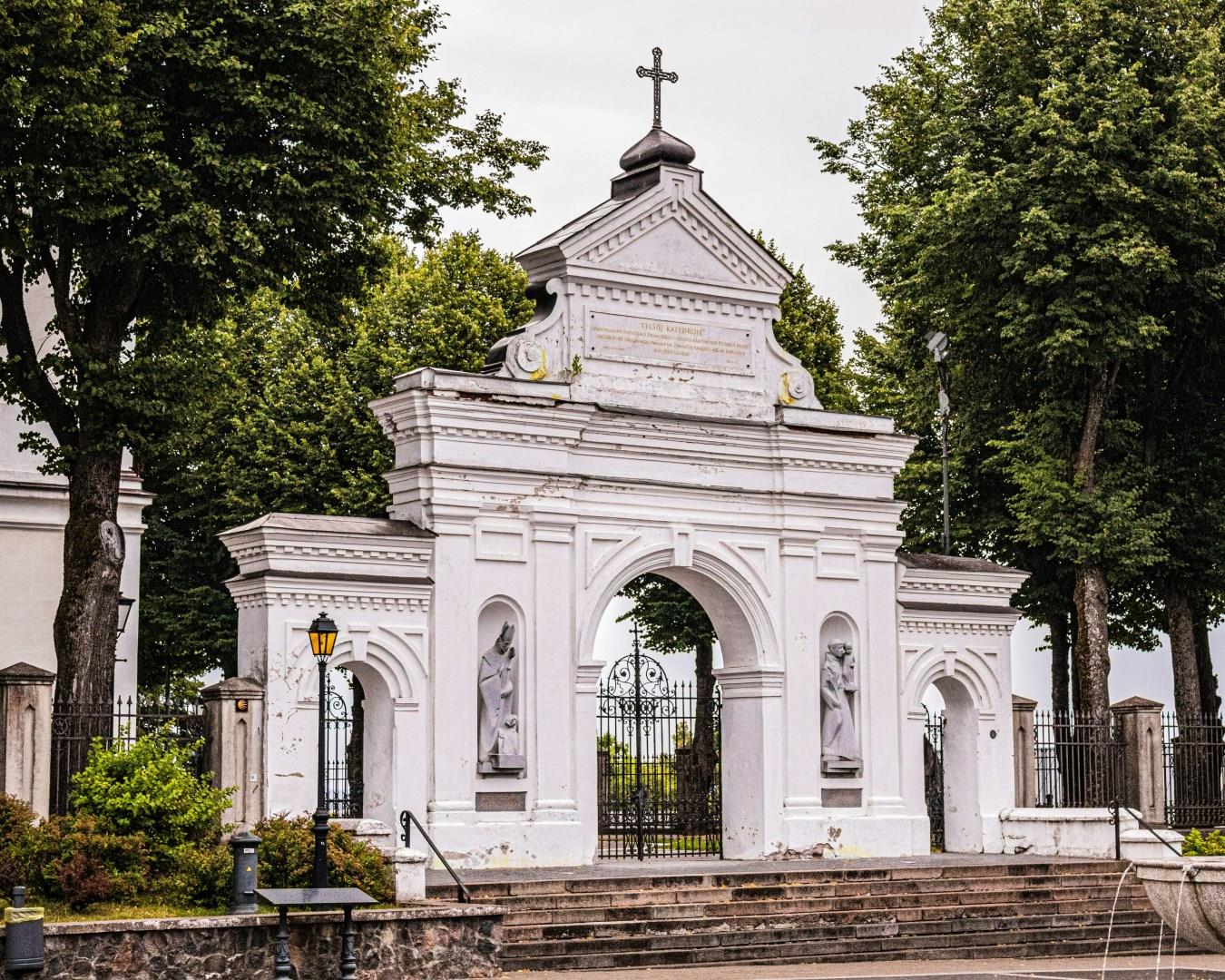
Telšiai
Telšiai, often called the capital of Lithuania’s Samogitia region, offers visitors a deep dive into a unique cultural heritage paired with striking natural settings. The town is set on the shores of Lake Mastis, where the reflections of historic buildings and lush forests create a calm and inviting atmosphere. Telšiai’s old market square bustles with life and is home to some of the town’s most notable landmarks, including the Neo-Gothic St. Anthony of Padua Cathedral.
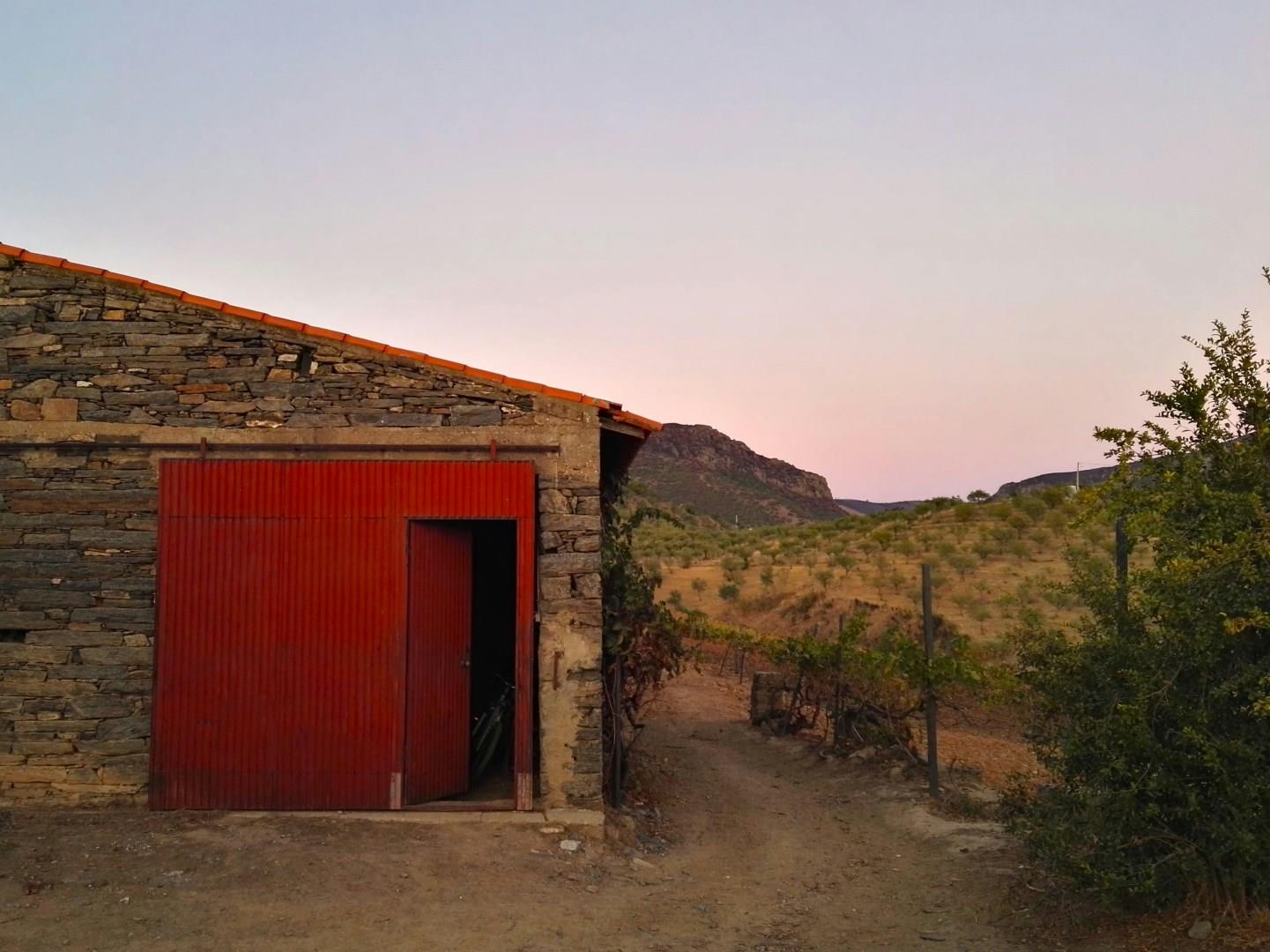
Barca d'Alva
Barca d'Alva sits quietly along the Douro River, right at Portugal’s eastern border with Spain. Once the final stop on the historic Douro railway line, this riverside village remains relatively untouched by mass tourism. The surrounding landscape filled with terraced vineyards, olive groves, and almond trees form part of the UNESCO-listed Alto Douro Wine Region.

Milford Sound
Milford Sound, located in New Zealand’s Fiordland National Park, is often described as one of the most awe-inspiring landscapes in the country. Carved by glaciers during the Ice Age, the fjord is framed by sheer cliffs that plunge into deep waters, with iconic peaks like Mitre Peak rising dramatically above the sound.