Idaho Falls
Located east of Boise and due north of Salt Lake City, it is one of the larger towns in the state of Idaho.
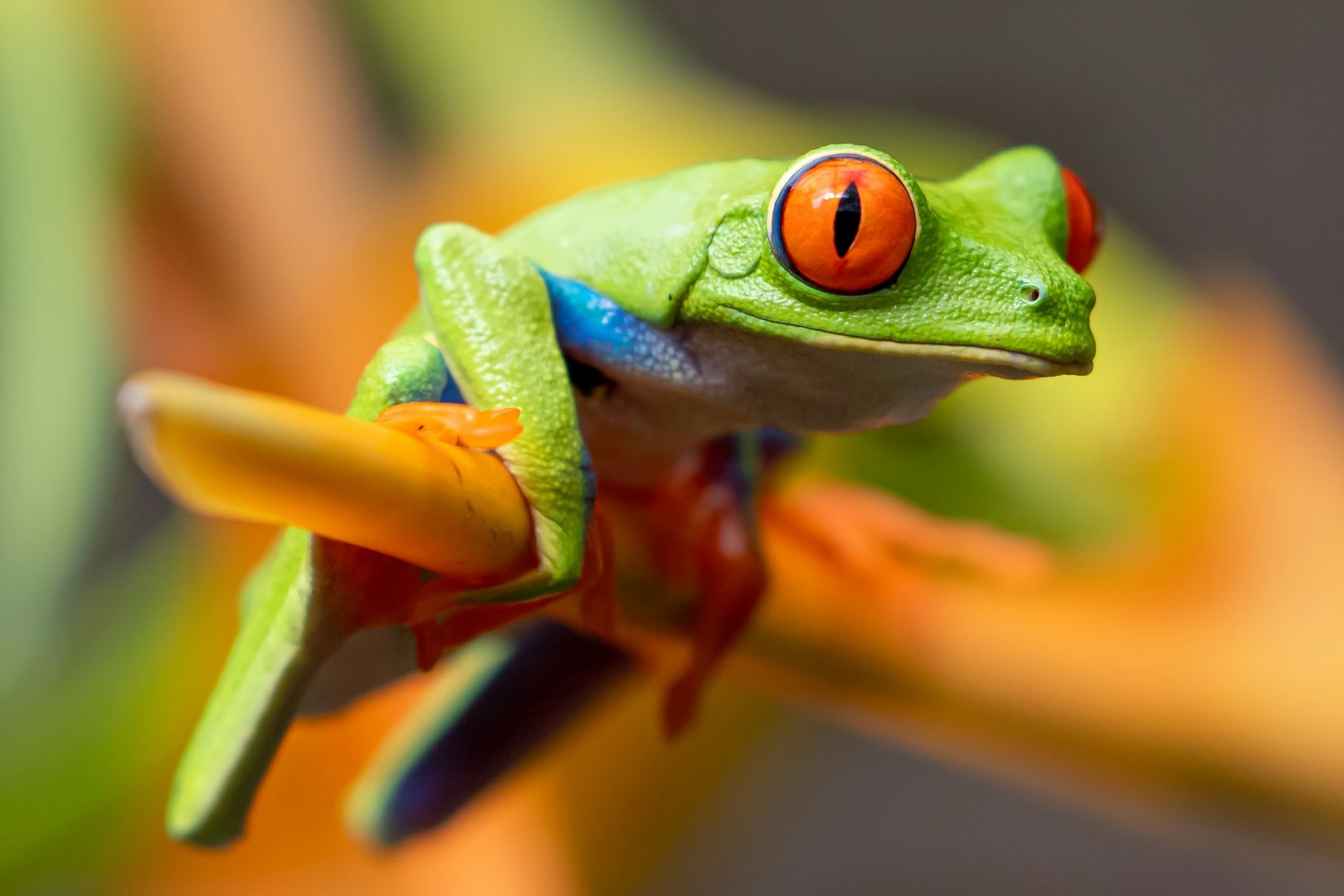
Sarapiquí
Sarapiquí is a rural region in northeastern Costa Rica, known for its network of rivers, rainforest reserves, and agricultural landscapes. Centered around Puerto Viejo de Sarapiquí, the area serves as a gateway to the Caribbean lowlands while remaining distinct from coastal destinations.
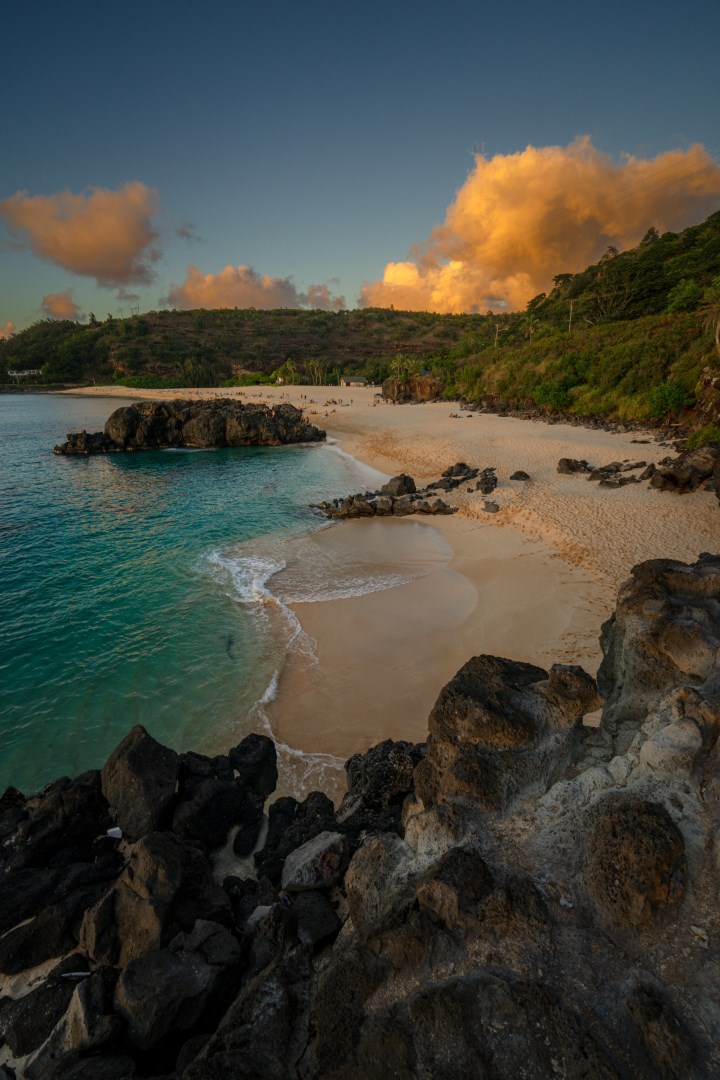
Waimea, Kauai
Waimea, also known as Kamuela, is an upcountry community on Hawaiʻi Island, set between the Kohala Mountains and the island’s volcanic slopes. Unlike the dry lava fields of the nearby Kohala Coast, Waimea is characterized by green pastures, rolling hills, and open ranchland. Its elevation brings cooler temperatures than the coastal resorts, while views toward Mauna Kea and the surrounding mountains help define the landscape. The town serves as a centre for ranching, agriculture, dining, arts, an
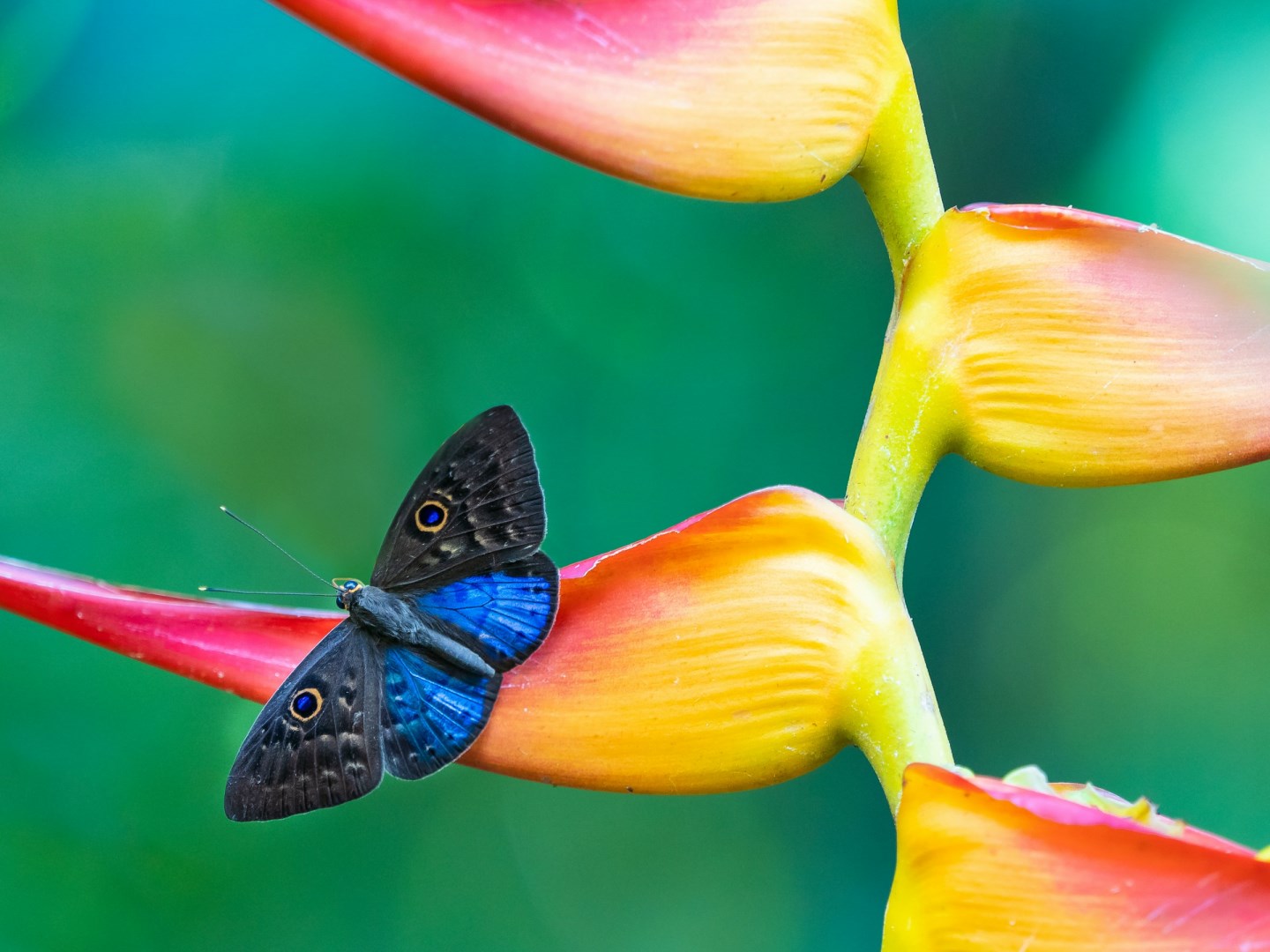
Quepos
Quepos is a coastal town in Puntarenas Province on Costa Rica's central Pacific coast, situated beside the Quepos River and a sheltered bay. The town serves as a regional center for fishing, agriculture, tourism, and transportation, with a marina and waterfront areas overlooking the Pacific. Quepos is also one of the main gateways to Manuel Antonio National Park, located a short distance south of town.
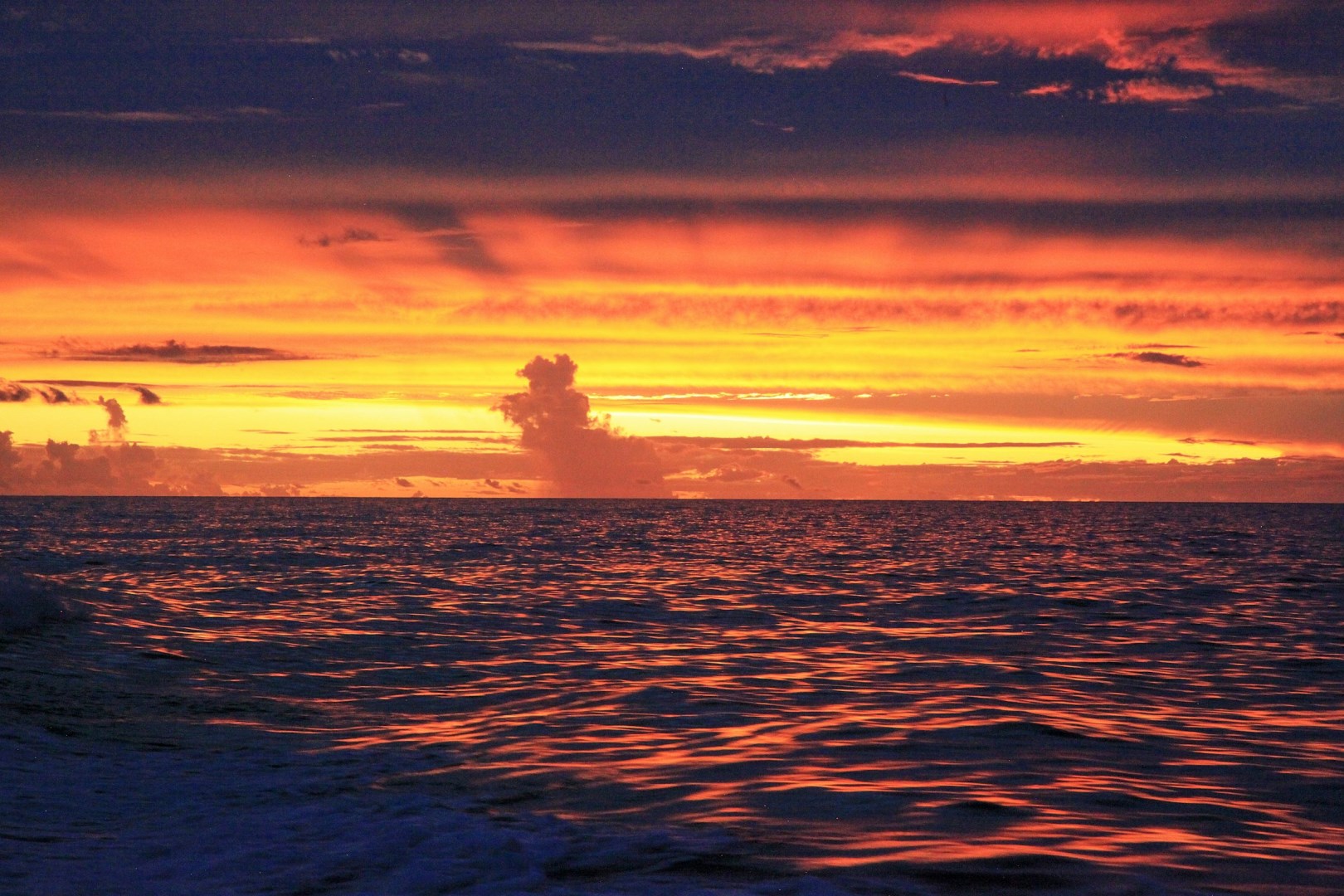
Denarau Island
Denarau Island is a small resort and residential precinct on the western coast of Viti Levu, Fiji’s largest island, connected to the Nadi area by a short causeway.