Red Rock Canyon National Conservation Area
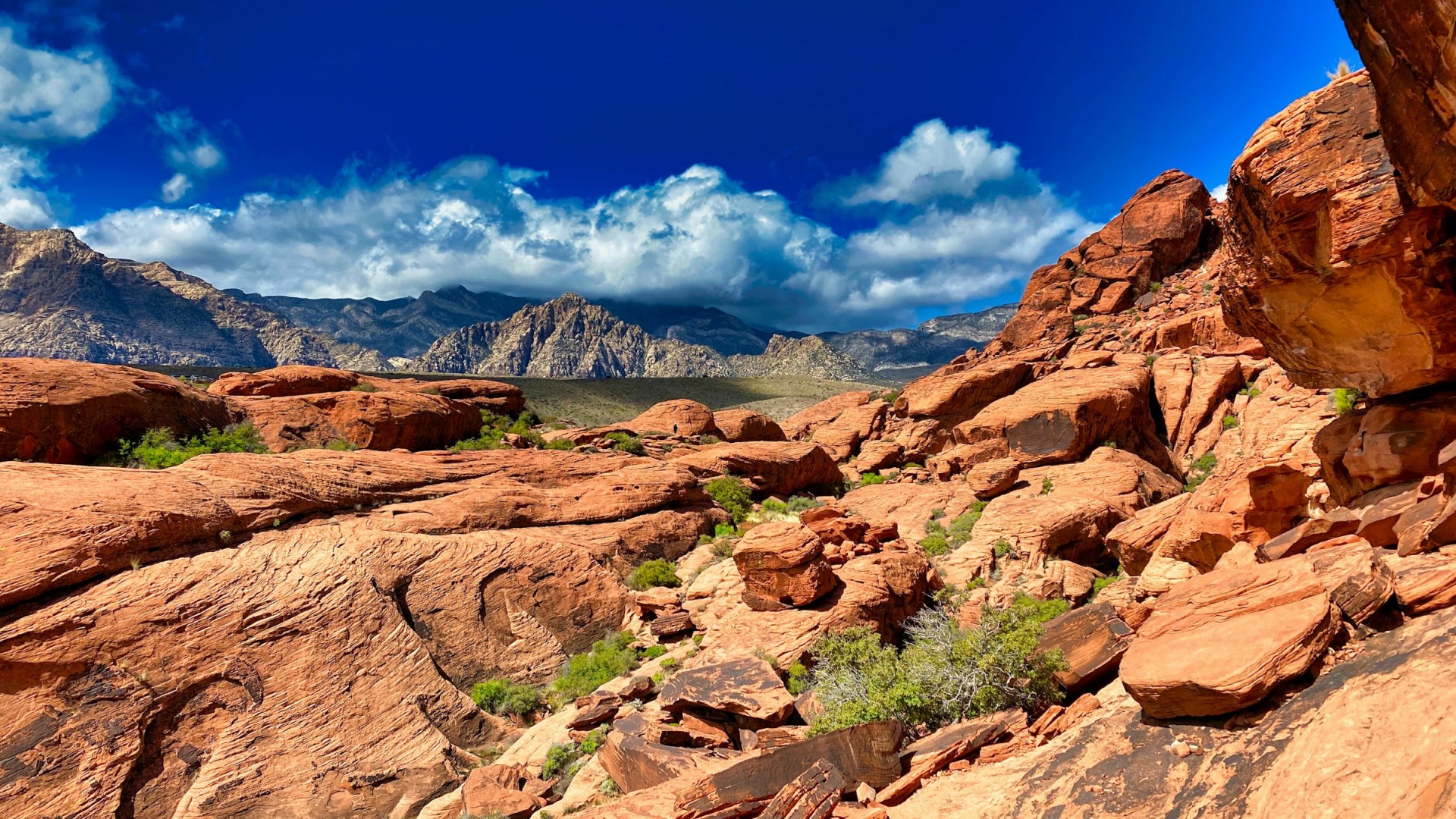
Red Rock Canyon National Conservation Area lies about 17 miles west of the Las Vegas Strip, where the Mojave Desert rises into sandstone cliffs, rugged mountains, and broad desert valleys. Nevada’s first National Conservation Area, it covers nearly 198,000 acres and provides a sharp contrast to the developed landscape of Las Vegas. The area is best known for its red and cream-colored rock formations, especially the Calico Hills and the Red Rock escarpment.
Kotka
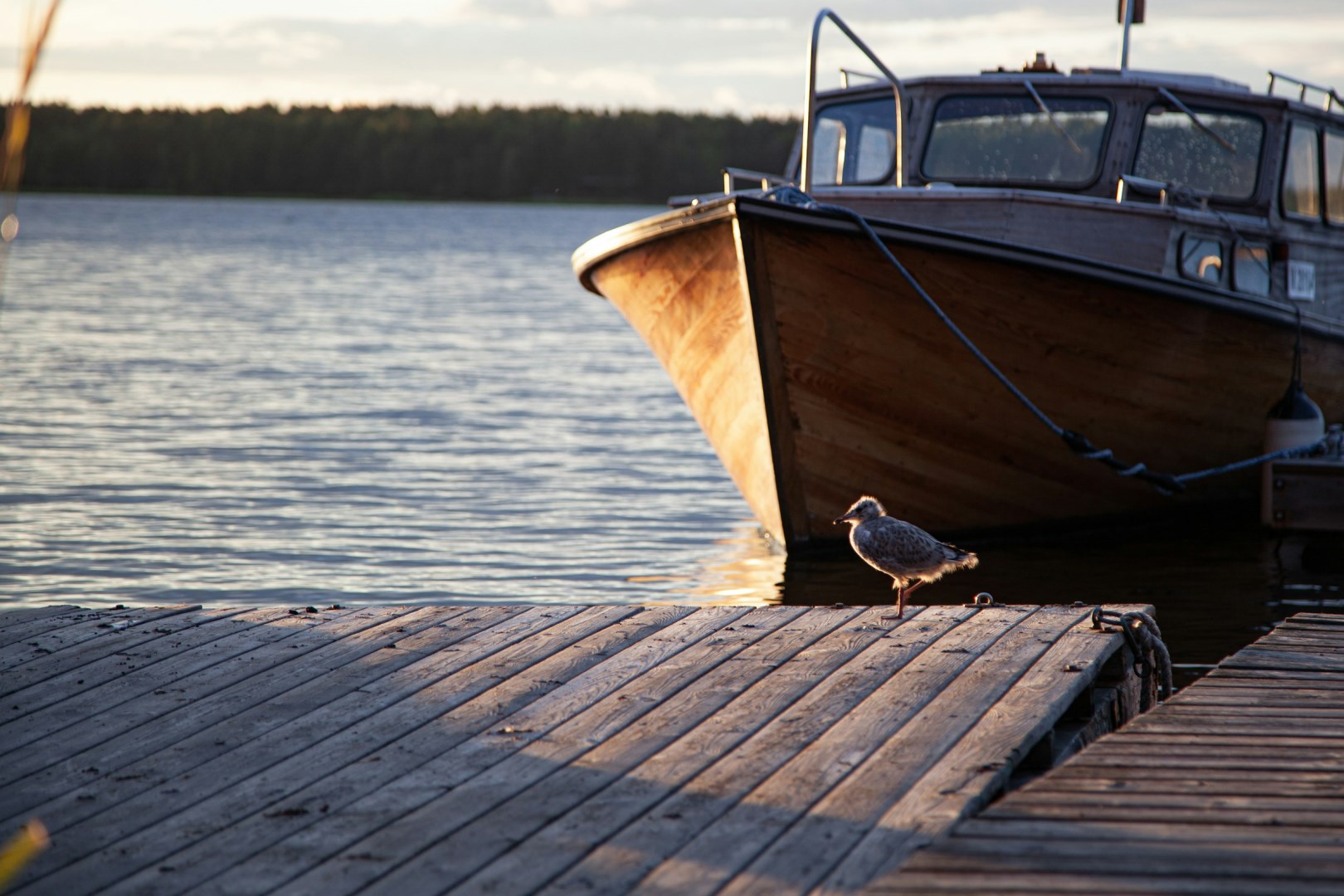
Located on the southern coast of Finland at the delta of the Kymi river, the city of Kotka is a major Finnish sea port. Perhaps the best-known attraction of this multicultural and creative city is the country's largest urban maritime festival, an annual celebration that includes boating events, dance and music performances, and Finland's largest parade which marks the beginning of the city-wide event.
Plovdiv
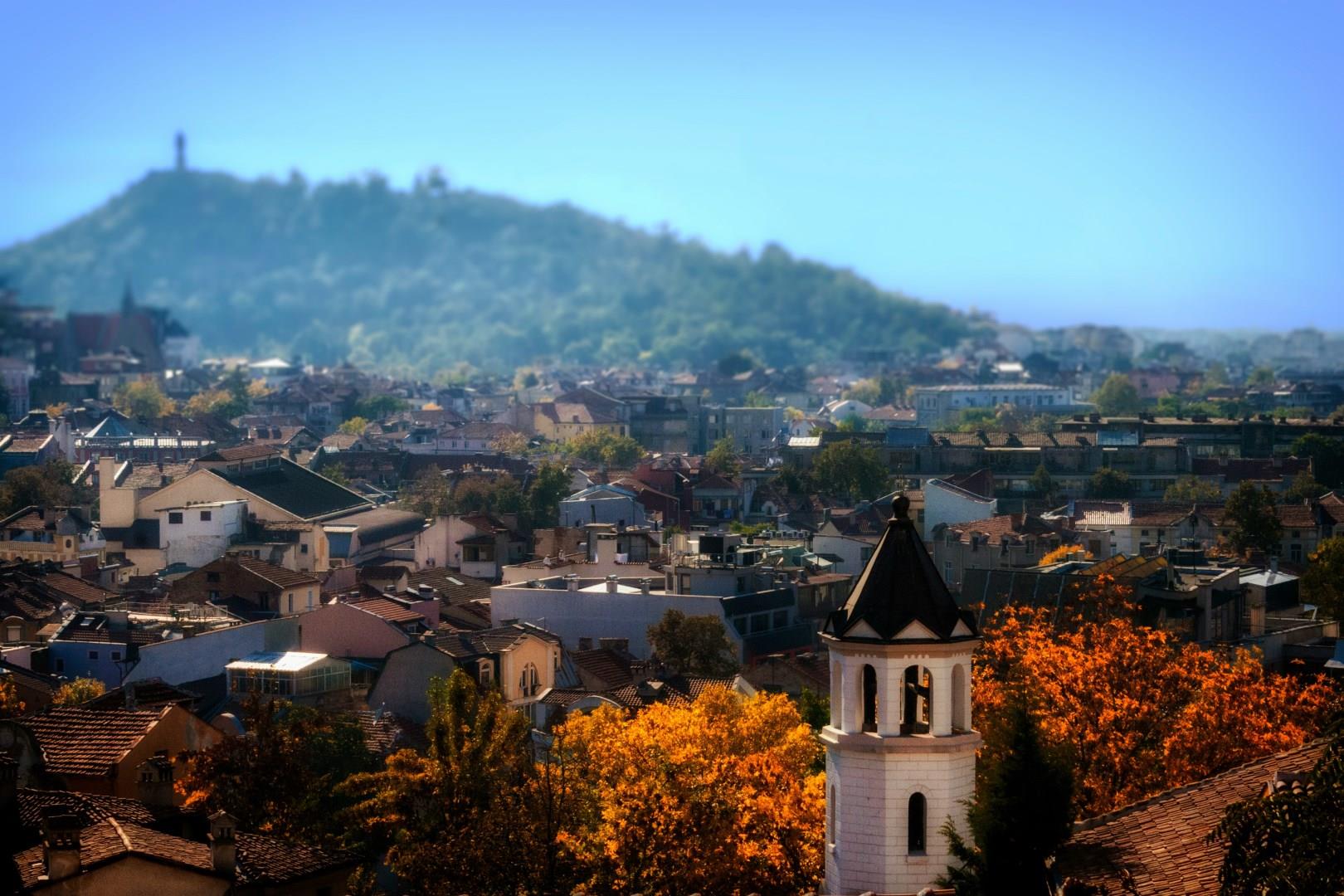
Plovdiv, one of the oldest continuously inhabited cities in Europe, carries over 8,000 years of history layered into its streets. The Roman Theater, still in use today, was discovered by accident in the 1970s and now hosts operas and concerts overlooking the Rhodope Mountains. Nearby, visitors can walk the remains of a Roman stadium buried beneath the main pedestrian street, where modern shops and cafés stand above ancient foundations.

Symi
Symi, a charming island in the Dodecanese, Greece, offers a picturesque escape with its striking neoclassical architecture and vibrant Mediterranean colors. The town of Symi, a designated protected cultural heritage site, is renowned for its beautifully preserved pastel-colored mansions that line the harbor.

Greenock
Greenock, located on Scotland’s scenic west coast, is a town steeped in maritime and industrial history, with its historic waterfront and Victorian architecture offering a glimpse into its prosperous past. Once a shipbuilding powerhouse, the town’s legacy is visible in landmarks like James Watt Dock and the Old West Kirk, while the nearby Greenock Cut offers a peaceful escape for walking and cycling, framed by stunning views of rolling hills and the River Clyde.