
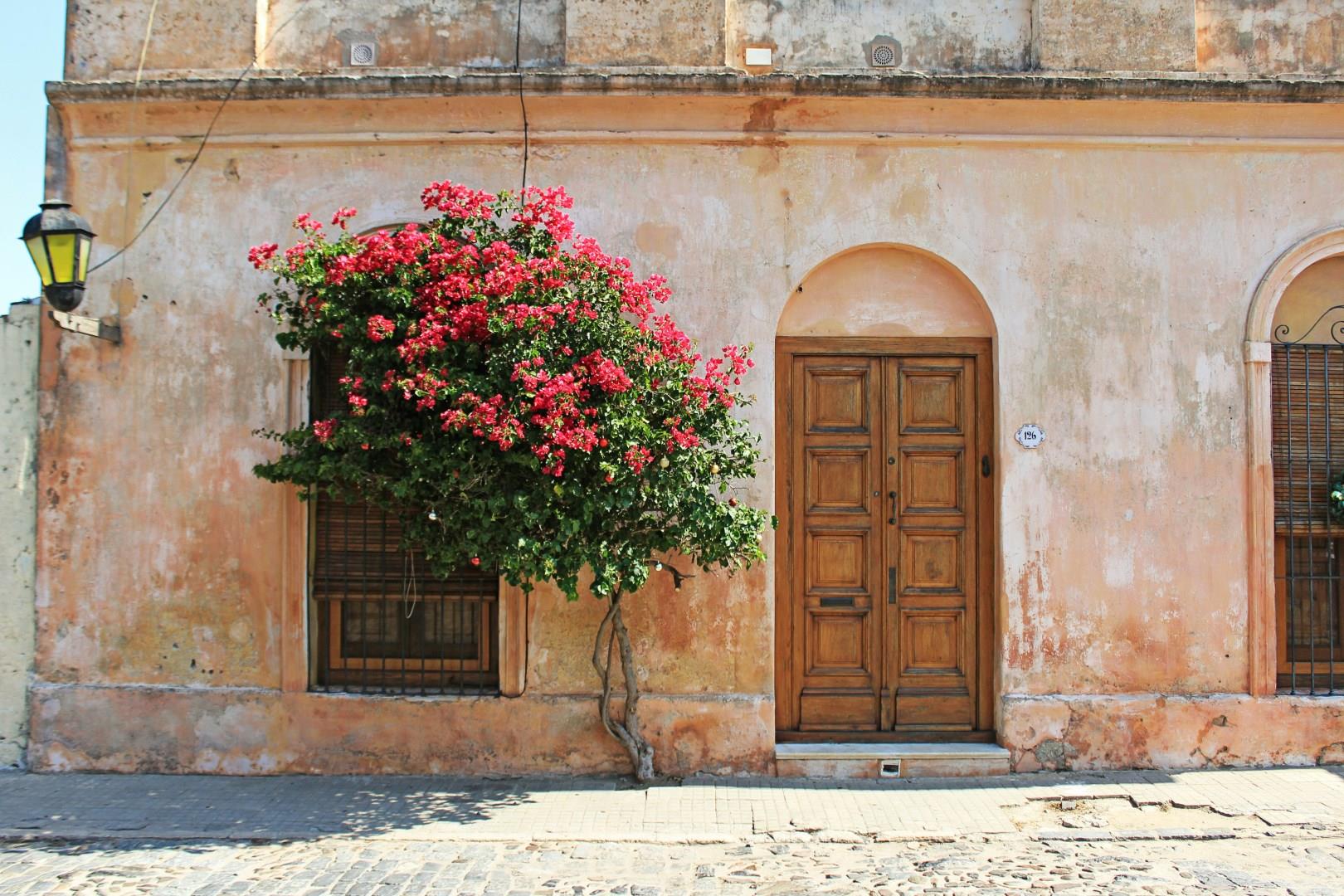
Colonia del Sacramento
Colonia del Sacramento is where time lingers. Founded in 1680 by the Portuguese and later contested by the Spanish, the town’s past is etched into its cobblestone streets and weathered facades. The Barrio Histórico, a UNESCO World Heritage Site, is compact enough to walk in an afternoon yet layered with centuries of stories. Visitors can explore remnants of the original city walls and climb the iconic lighthouse for sweeping views of the Río de la Plata.

Durango
Durango, Colorado offers a delightful blend of history, adventure, and natural beauty. Founded in 1880 as a railroad town, Durango's Historic Downtown reflects its rich past with well-preserved Victorian architecture and a lively atmosphere.

La Spezia
La Spezia, a bustling port city in the Liguria region of Italy, is often seen as the gateway to the famous Cinque Terre, bur this vibrant city has much to offer. Visitors can explore the historic center, visit local markets, and partake in a variety of restaurants serving delicious Italian cuisine.
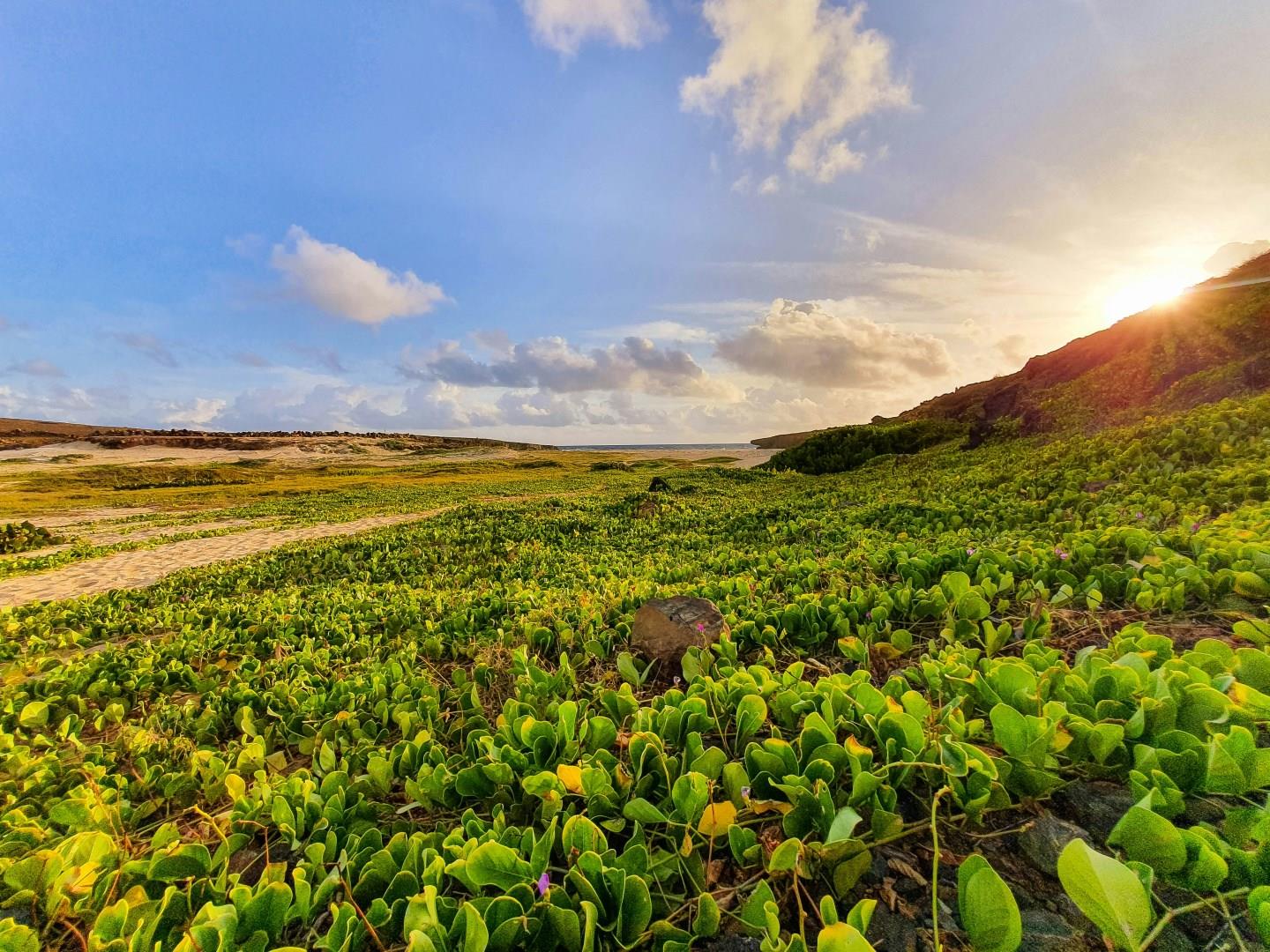
Santa Cruz
Santa Cruz, located in the heart of Aruba, is a gateway to the island’s rugged landscapes and natural wonders. Unlike the coastal resort towns, this inland community offers a more authentic glimpse of everyday Aruban life while placing visitors close to some of the island’s most iconic outdoor attractions.
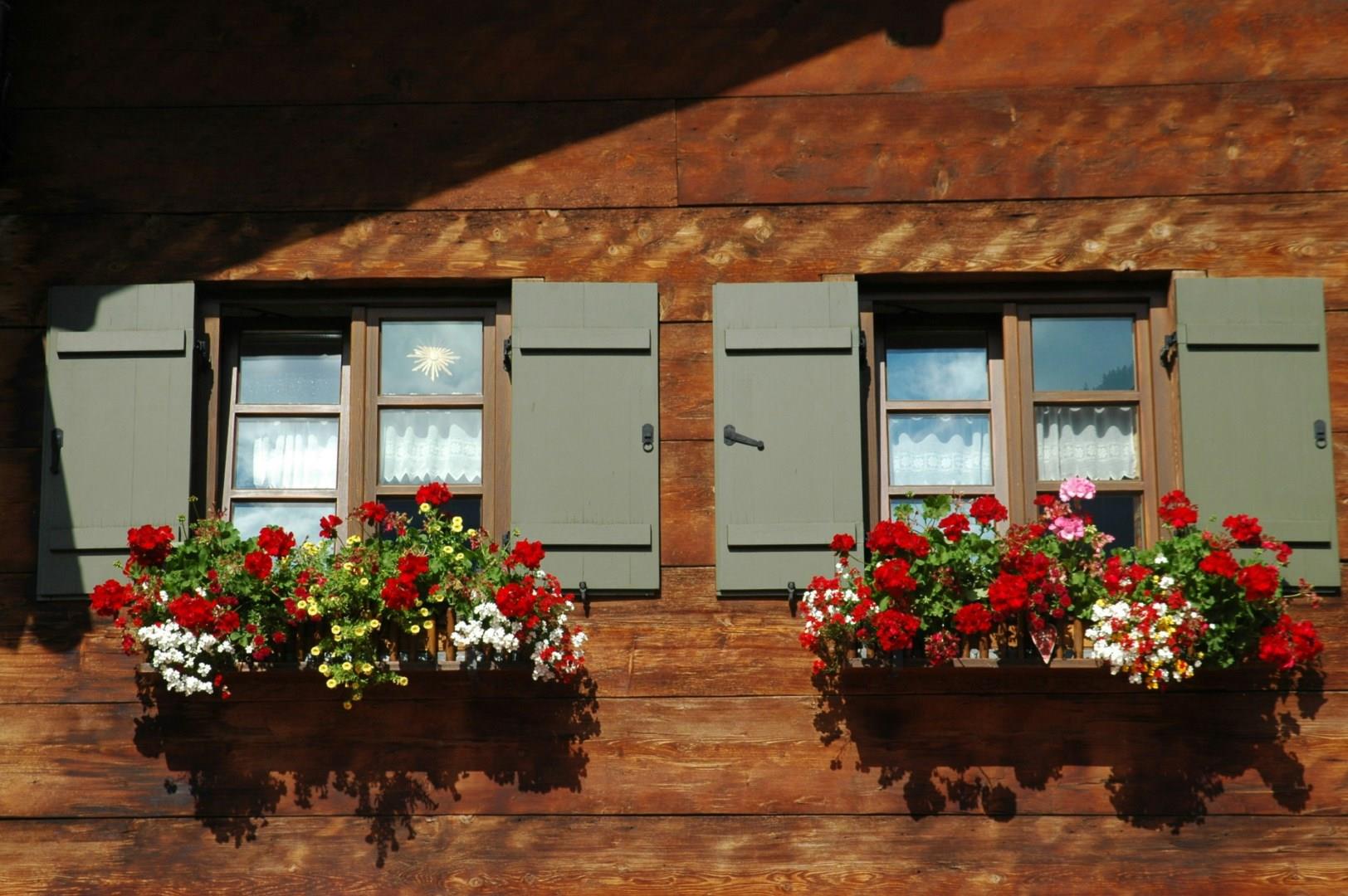
Oberammergau
Nestled in the Bavarian Alps, Oberammergau is a charming village in Germany that exudes a timeless allure. Renowned for its stunning alpine scenery, traditional Bavarian architecture, and vibrant cultural heritage, this small town offers an unforgettable experience for visitors. Oberammergau is perhaps best known for its world-famous Passion Play, a tradition that dates back to 1634.


