
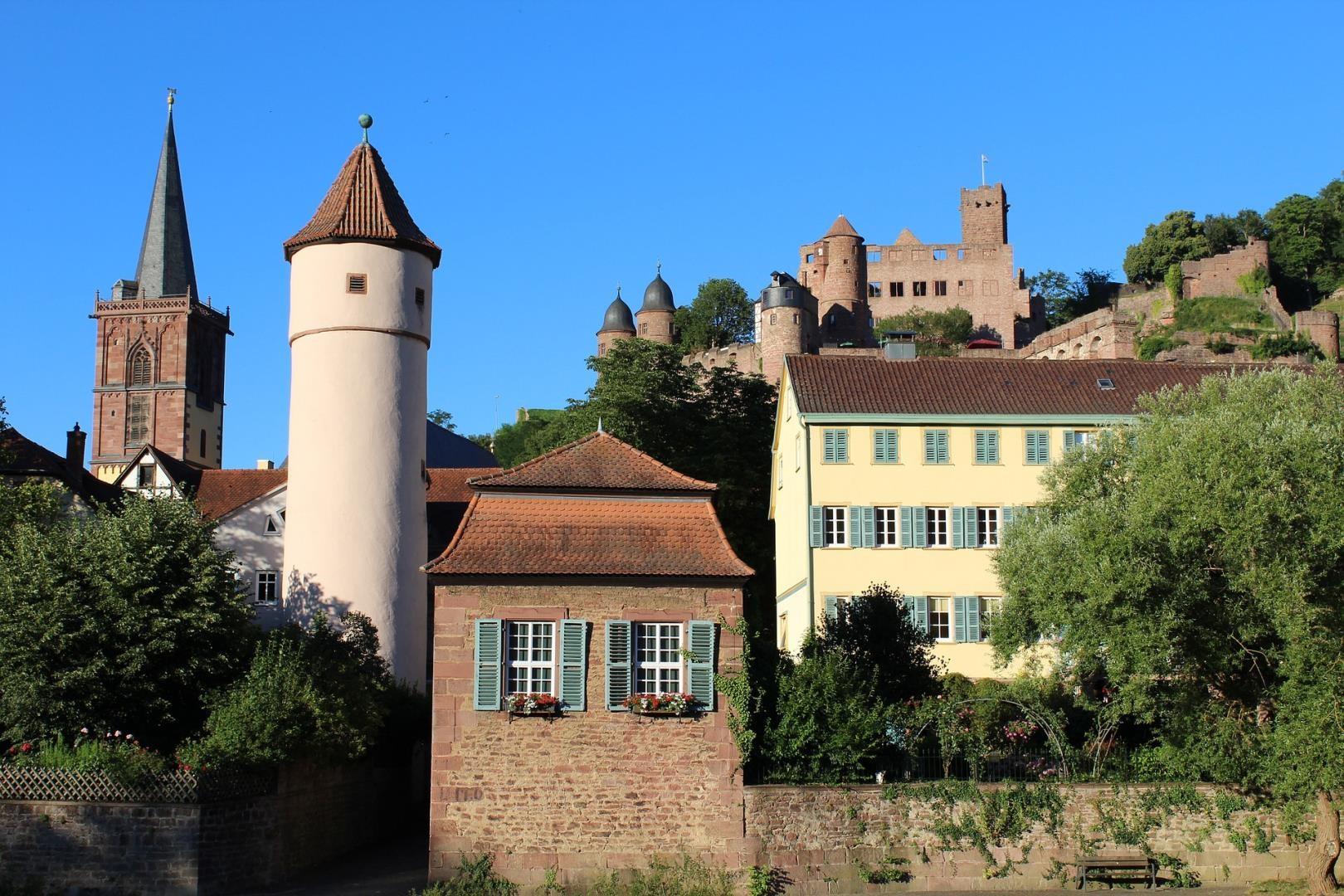
Wertheim am Main
Wertheim is an enchanting town on the banks of the Main River in Germany. A favorite stop on European river cruises, highlights of this charming destination include the Wertheim Castle and the town center, where you can wind your way down cobblestone streets replete with 16th century architecture. Venture outside of town and follow the Tauber River to Kloster Bronnbach, an immense and ornate monastery dating back to the 12th century.
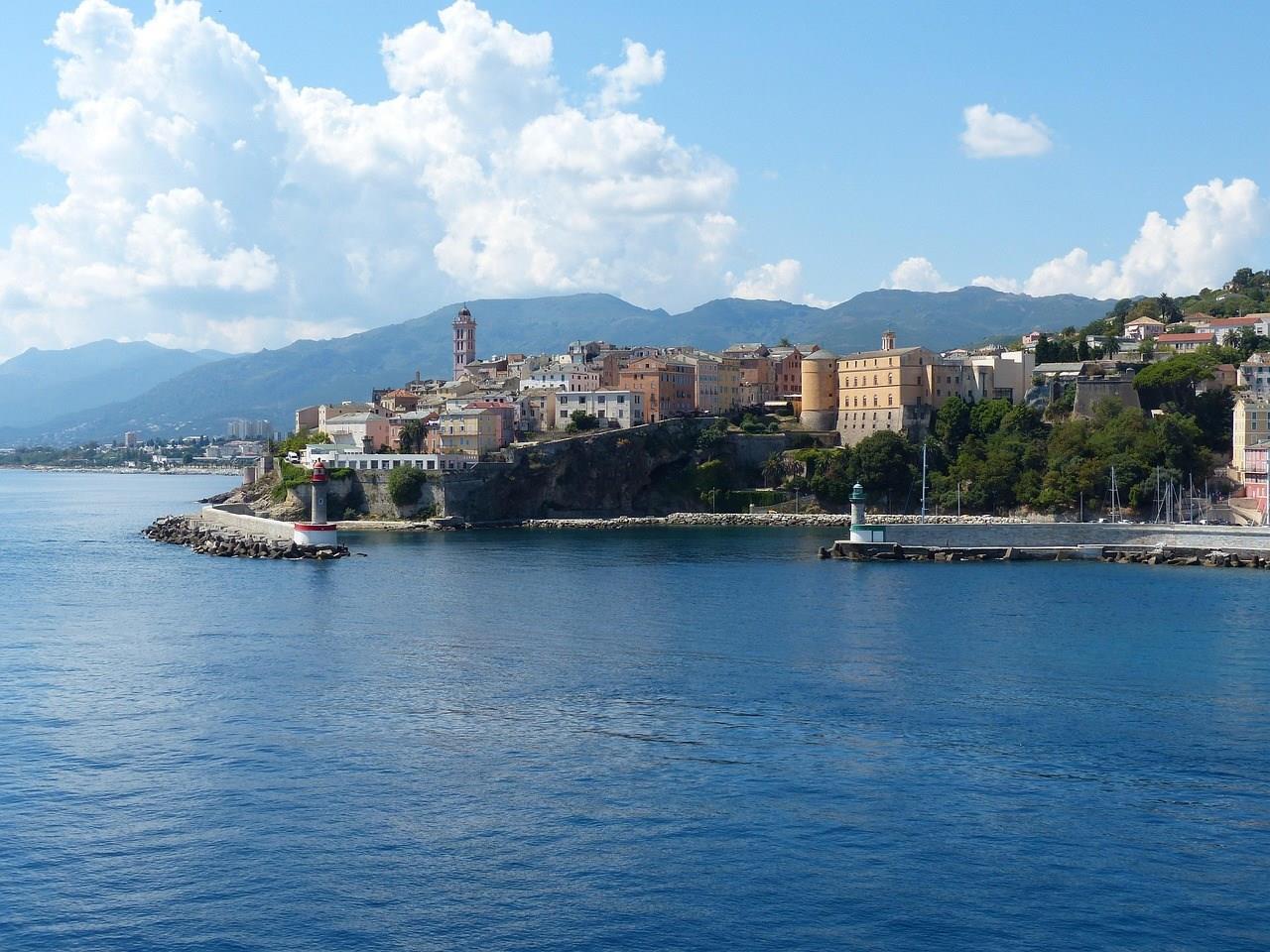
Bastia Corsica
Bastia, located on the northeastern coast of Corsica, is a city where coastal scenery and centuries of history meet at every turn. Overlooking the Tyrrhenian Sea, it serves as the island’s main port and a lively gateway for travelers arriving by ferry. Its old harbor, Vieux Port, is a highlight lined with tall, weathered houses in soft, faded colors, fishing boats bobbing in the water, and waterfront cafés that capture the steady rhythm of local life.

New York City
New York City is a city that pulses with movement, sound, and stories at every corner. Whether it's the echo of footsteps under Grand Central Terminal’s iconic ceiling or the quiet shuffle of chess pieces in Washington Square Park, every detail is part of a larger rhythm. New York’s cultural offerings are unmatched in scope. A single day could include a visit to the Museum of Modern Art, a Broadway matinee, and live jazz at an underground club in the Village.

Longyearbyen
Longyearbyen, the northernmost settlement of its size in the world, offers a unique and captivating experience in the Arctic archipelago of Svalbard, Norway. Nestled between icy peaks and sprawling glaciers, this remote town is a gateway to exploring the rugged beauty of the Arctic landscape.

Bruges
Bruges, often referred to as the "Venice of the North," is a city where medieval charm meets modern allure. Nestled in the heart of Belgium's Flanders region, Bruges is renowned for its well-preserved medieval architecture, winding canals, and cobblestone streets that invite visitors to step back in time.


