

St. Kitts
St. Kitts and Nevis is a West Indies island country and the Western Hemisphere's smallest sovereign state.

Panama City
Panama City, the vibrant capital of Panama, is a city where modernity meets history in a striking blend. As you stroll through its lively streets, the futuristic skyline is crowned by the awe-inspiring Panama Canal, an engineering marvel that has shaped global trade for over a century. The canal's Miraflores Locks Visitor Center offers an up-close look at the massive ships navigating through this critical waterway, complete with panoramic views.

Bibury
Bibury, often described as one of the most beautiful villages in England, is a must-visit destination in the heart of the Cotswolds. The village is famous for its idyllic setting along the River Coln and its stunning stone cottages that date back to the 17th century. Chief among these is Arlington Row, a series of picturesque weavers’ cottages that have become one of the most photographed spots in England.
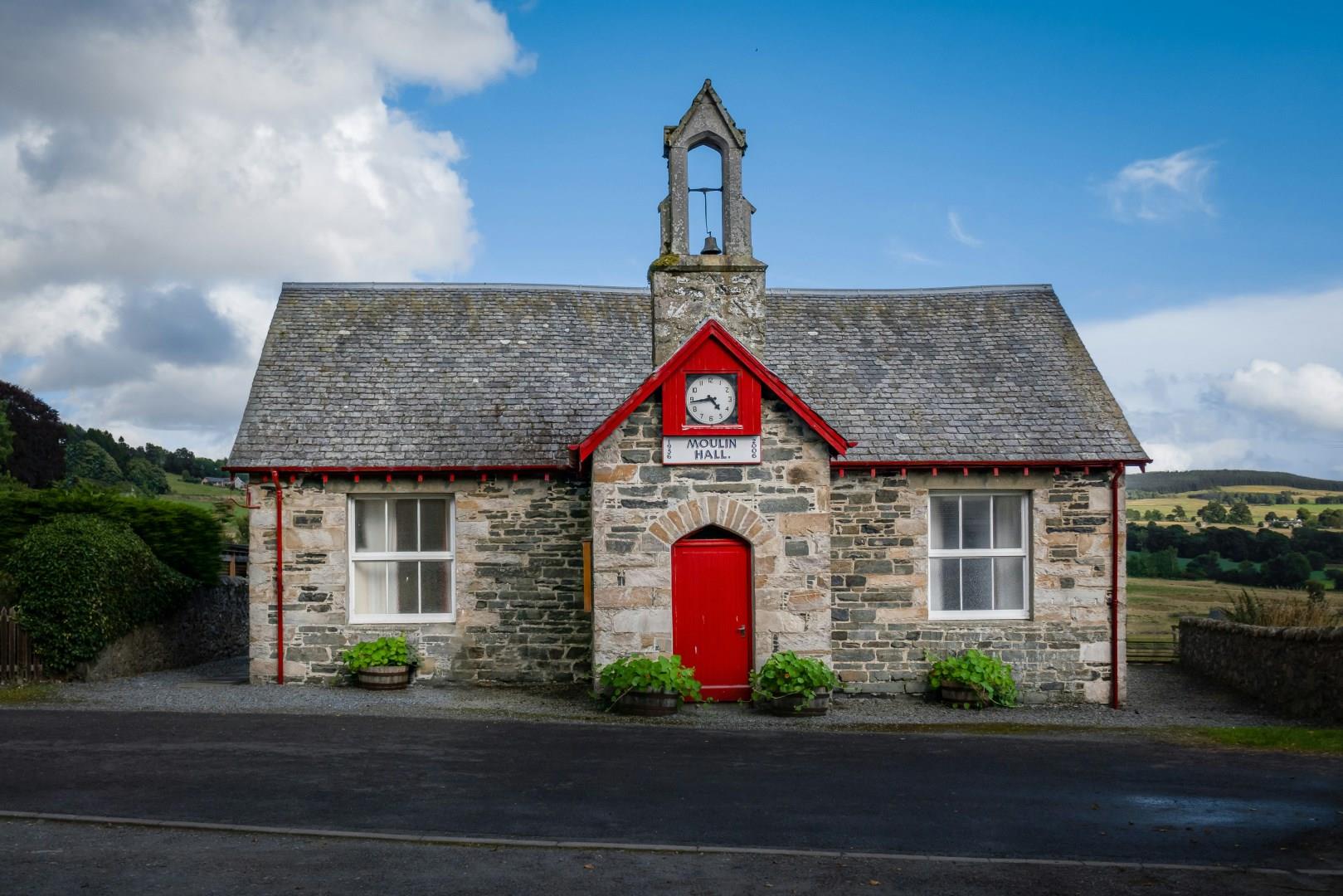
Pitlochry
Pitlochry, a charming town in the heart of the Scottish Highlands, is celebrated for its Victorian architecture, scenic surroundings, and welcoming atmosphere.

Palma
Enchanting Palma is the capital of Mallorca, Spain’s island paradise in the Balearic Sea. This picturesque town boasts historic castles and cathedrals, glittering beaches, and some of the island’s best culinary delights. Don’t let this city’s small size fool you; Palma houses truly magnificent architectural gems that make this island getaway well worth exploring.


