Marigot Bay
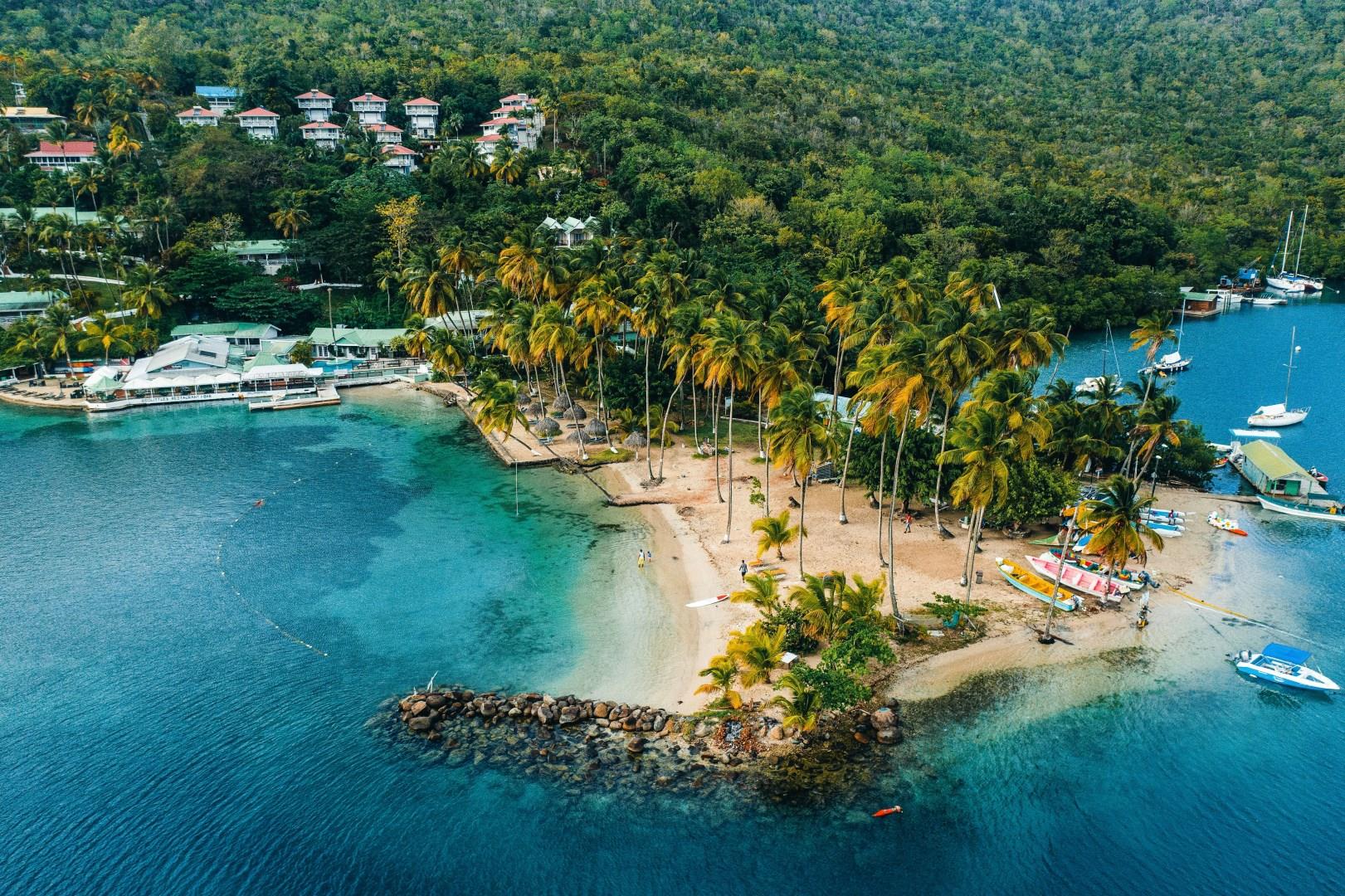
Marigot Bay, located on the western coast of Saint Lucia, is often regarded as one of the Caribbean’s most picturesque natural harbors. Enclosed by lush green hills and swaying palms, the bay has long drawn sailors, writers, and filmmakers.
Èze
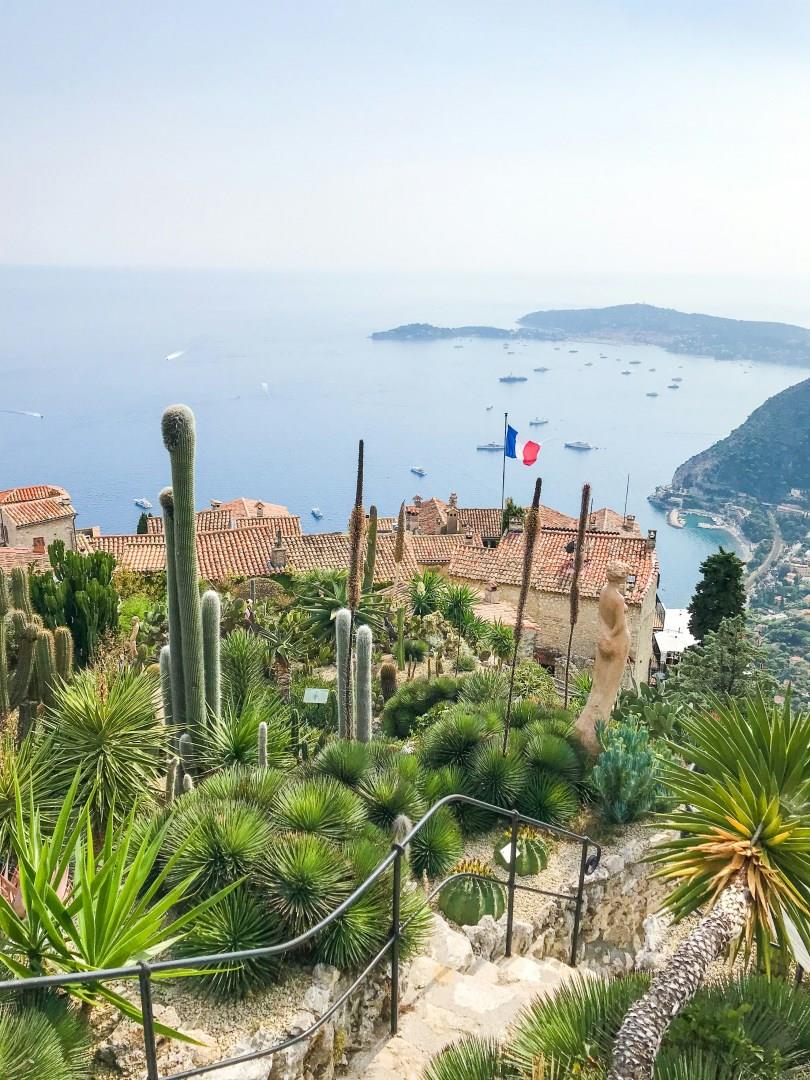
Eze is a hilltop village perched high above the Mediterranean on France’s Côte d’Azur, where stone houses and narrow lanes cling to a steep rocky outcrop between Nice and Monaco.

Las Vegas
Las Vegas, Nevada, is an electrifying city where glitz and glamour meet entertainment and excitement. Known as "The Entertainment Capital of the World," Las Vegas offers an unparalleled array of attractions, from its iconic casinos and luxurious hotels to its world-class dining and live shows. The city's entertainment scene is second to none, featuring legendary headliners, cutting-edge performances, and an array of themed attractions.
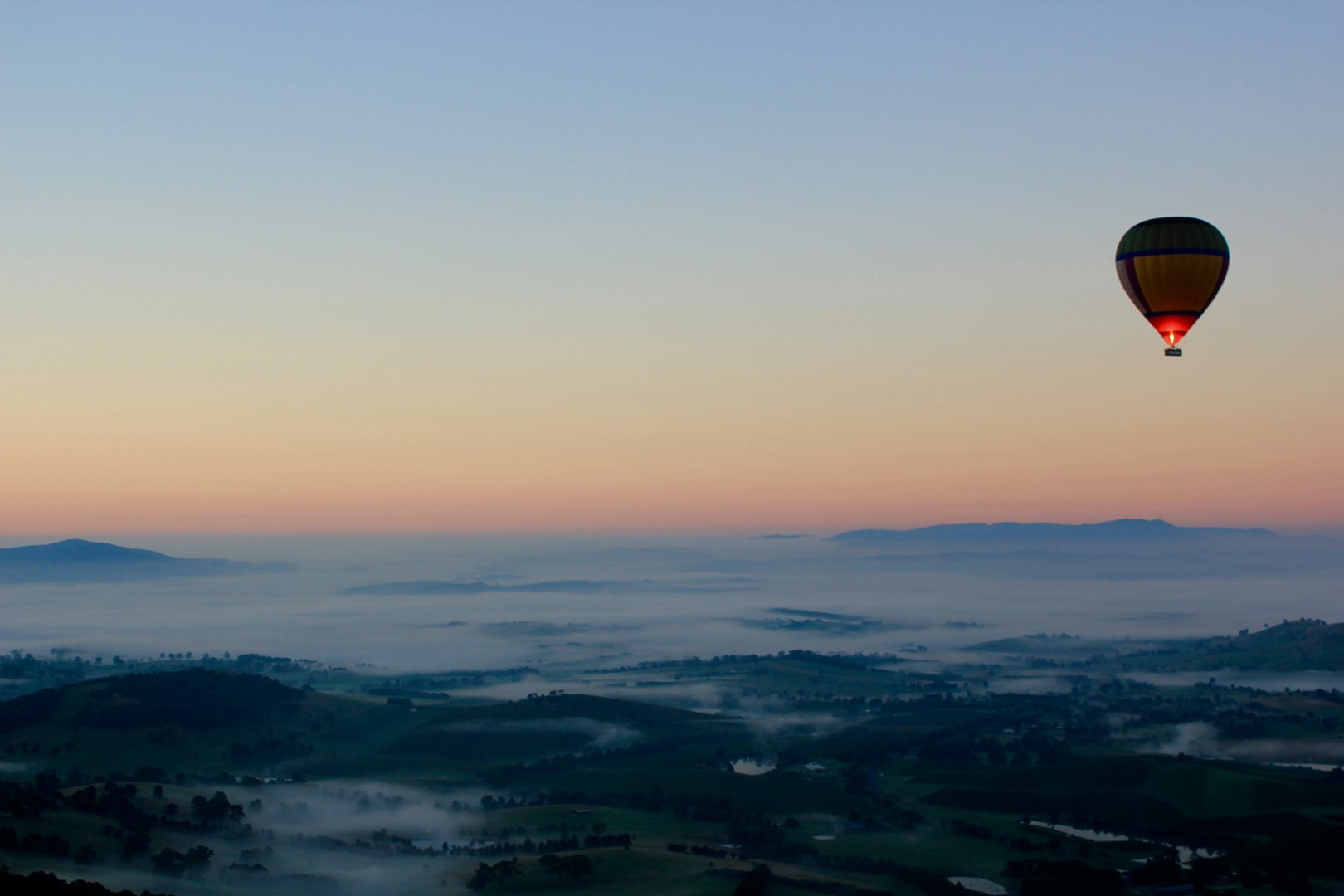
Yarra Valley
The Yarra Ranges & surrounding valley is renowned for its beauty, wineries, national parks, forests & mountains. For the beginner, the Yarra Valley beckons with the best wine education you'll ever find, with about 30 wineries offering cellar door sales.
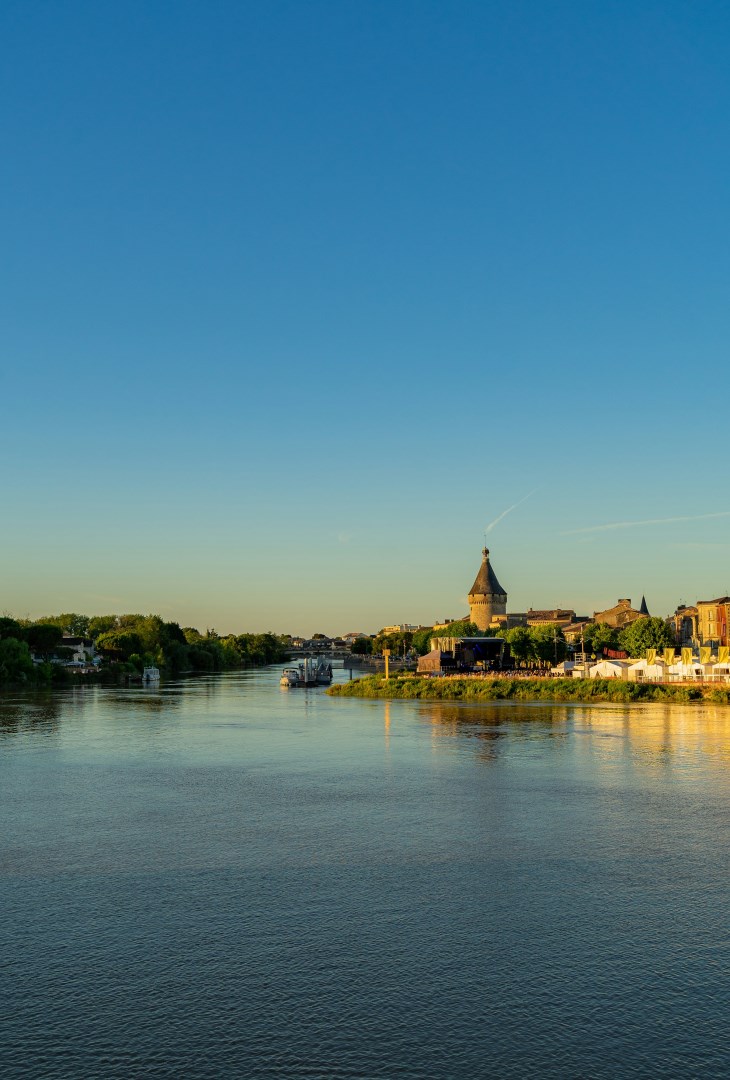
Libourne
Libourne, located in northern Gironde, is a picturesque town known for its rich history and vibrant wine culture. Founded in 1270 as a bastide by Roger de Leybourne, Libourne has long been a key port for the wine trade, particularly for the renowned vineyards of Saint-Émilion and Pomerol. Visitors can explore the charming town center, which features the beautiful Place Abel-Surchamp, surrounded by traditional arcades and lively farmers markets. The town hall, with its grand interior and historic