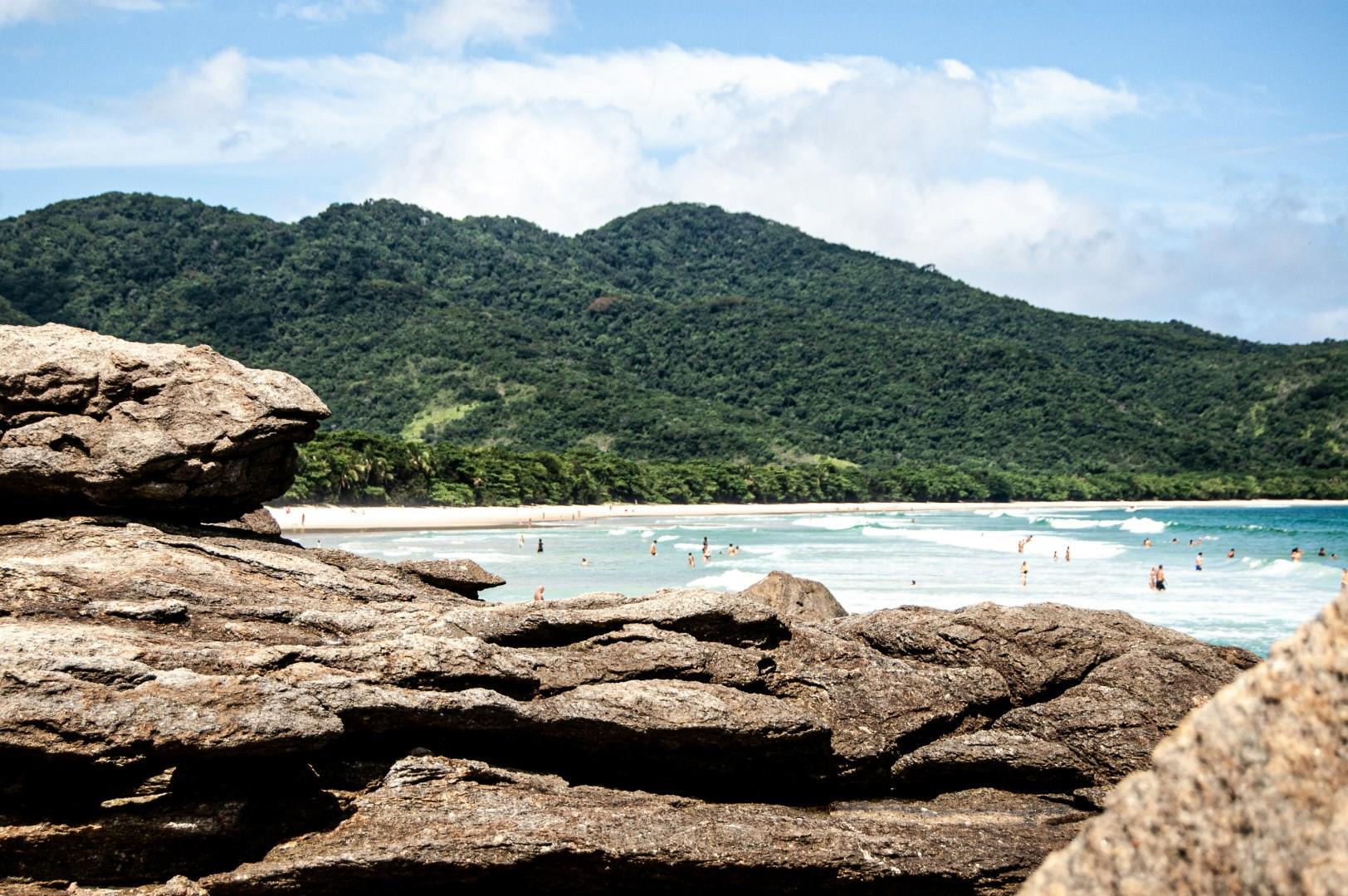
Ilha Grande, an island off the coast of Rio de Janeiro state, is a place where tropical forest and coastline meet in striking harmony. Once a pirate hideout and later the site of a penal colony, it has evolved into one of Brazil’s most remarkable island destinations. With no cars allowed and no large resorts, the island moves at a different pace, where footpaths and boats are the main ways to get around.
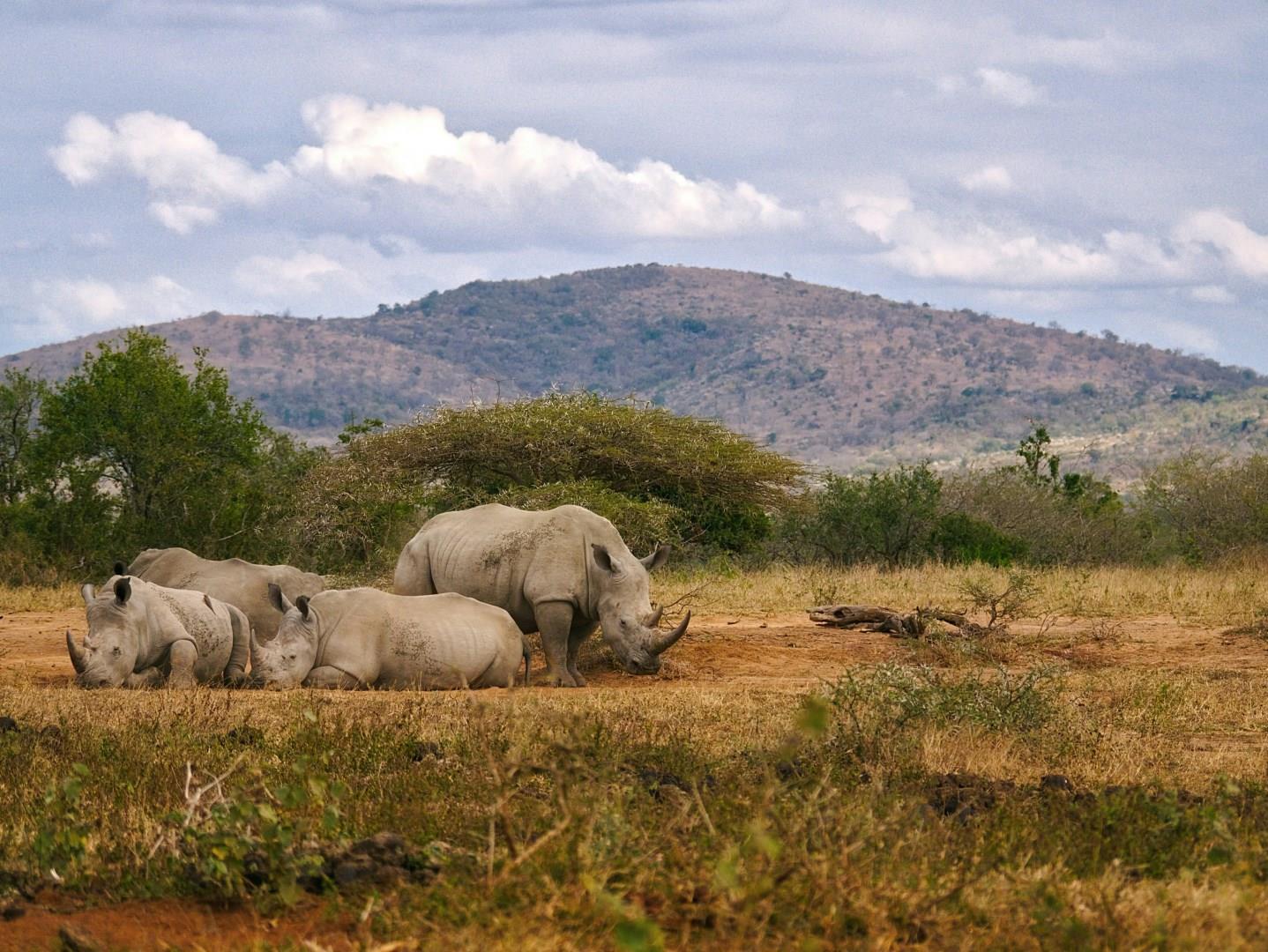
Hluhluwe–iMfolozi Park, in South Africa’s KwaZulu-Natal province, is one of the country’s oldest protected areas and holds deep historical importance in conservation.
Havana, Cuba's vibrant capital, is a city where the past and present coalesce to create an unforgettable travel experience. Walking through Old Havana (La Habana Vieja), a UNESCO World Heritage site, feels like stepping back in time. The cobblestone streets are lined with pastel-colored colonial buildings, baroque churches, and iconic plazas, such as Plaza de la Catedral and Plaza Vieja, each with its own unique charm and history.
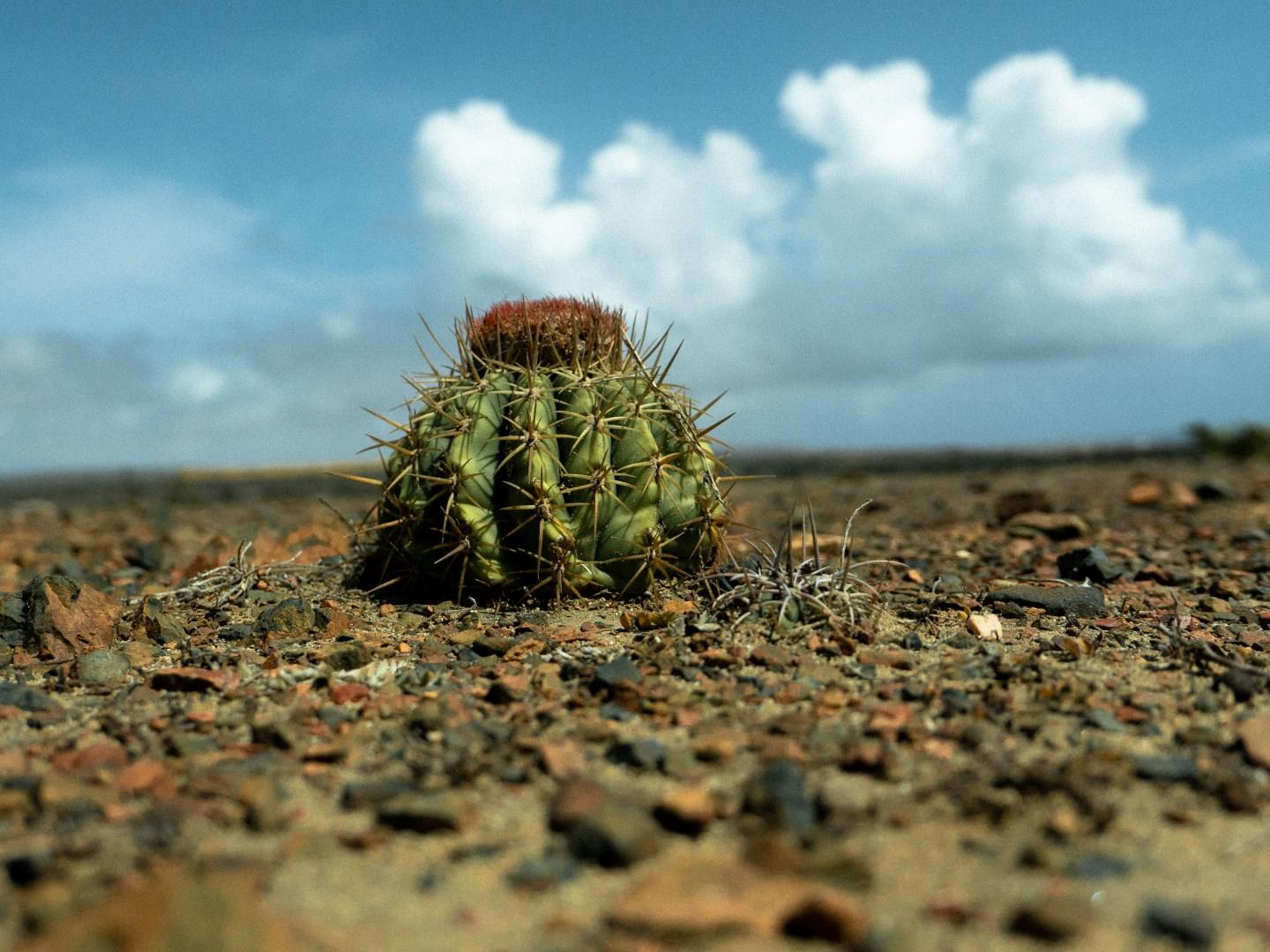
Arikok National Park, covering nearly 20% of Aruba, is a striking showcase of the island’s rugged landscapes, cultural history, and biodiversity. Unlike the postcard image of Aruba’s white-sand beaches, Arikok reveals a wilder side, with windswept hills, desert-like terrain, and dramatic limestone cliffs meeting the sea.
Nestled between Canyonlands National Park and Arches National Park, Moab is the perfect entryway to some of Utah’s most iconic scenery. Dotted with gorgeous sandstone formations, mesas, and buttes, Moab epitomizes the rugged beauty of the American Southwest.
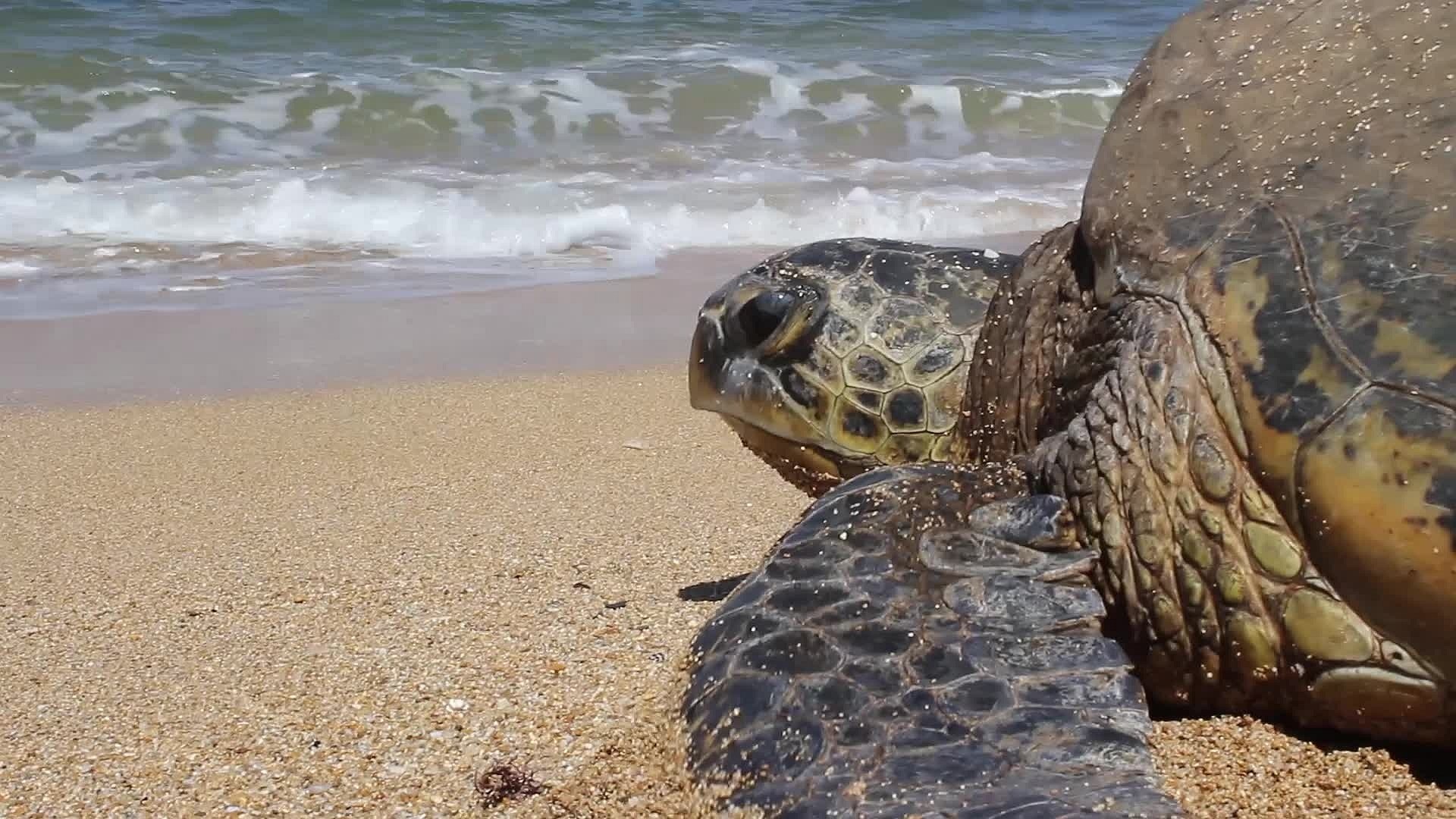
Photo Credit: Photo by Christian Joudrey on Unsplash
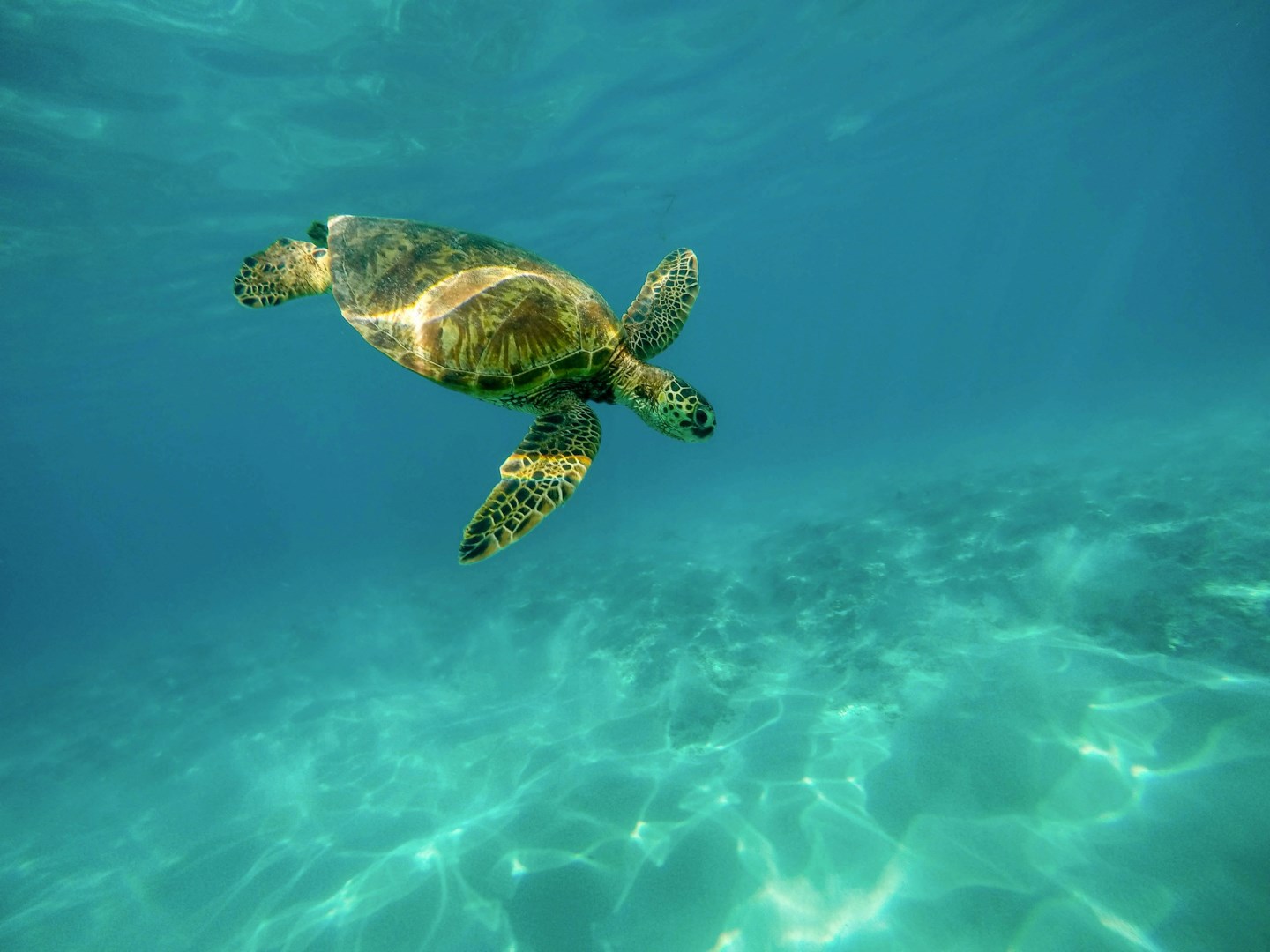
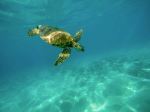
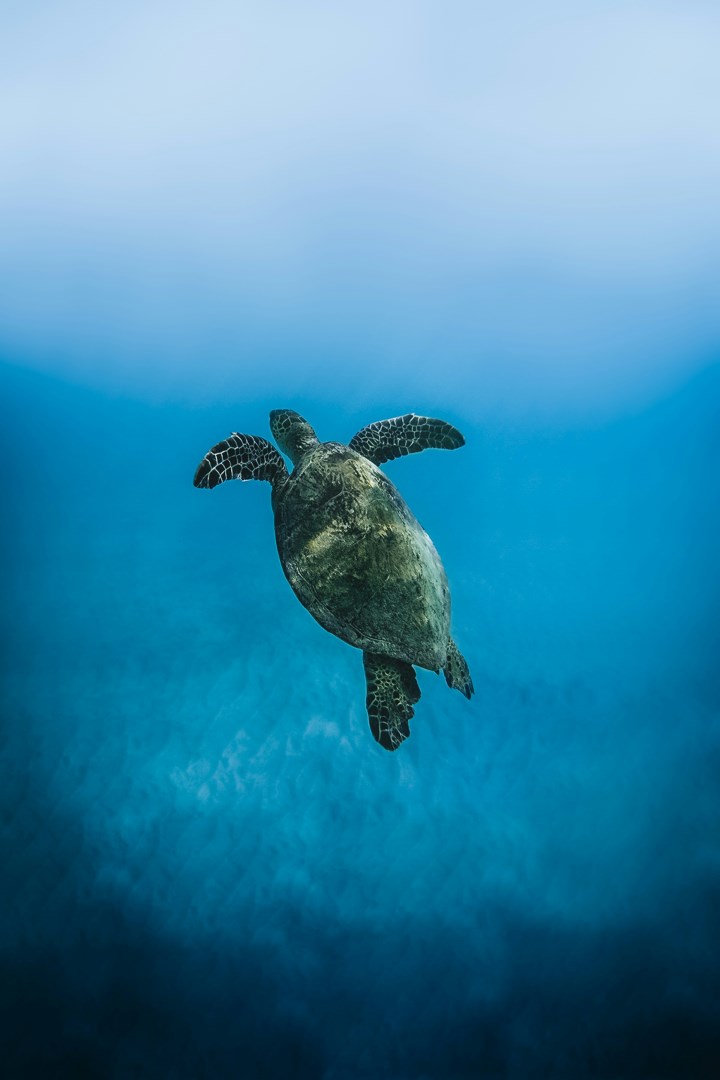
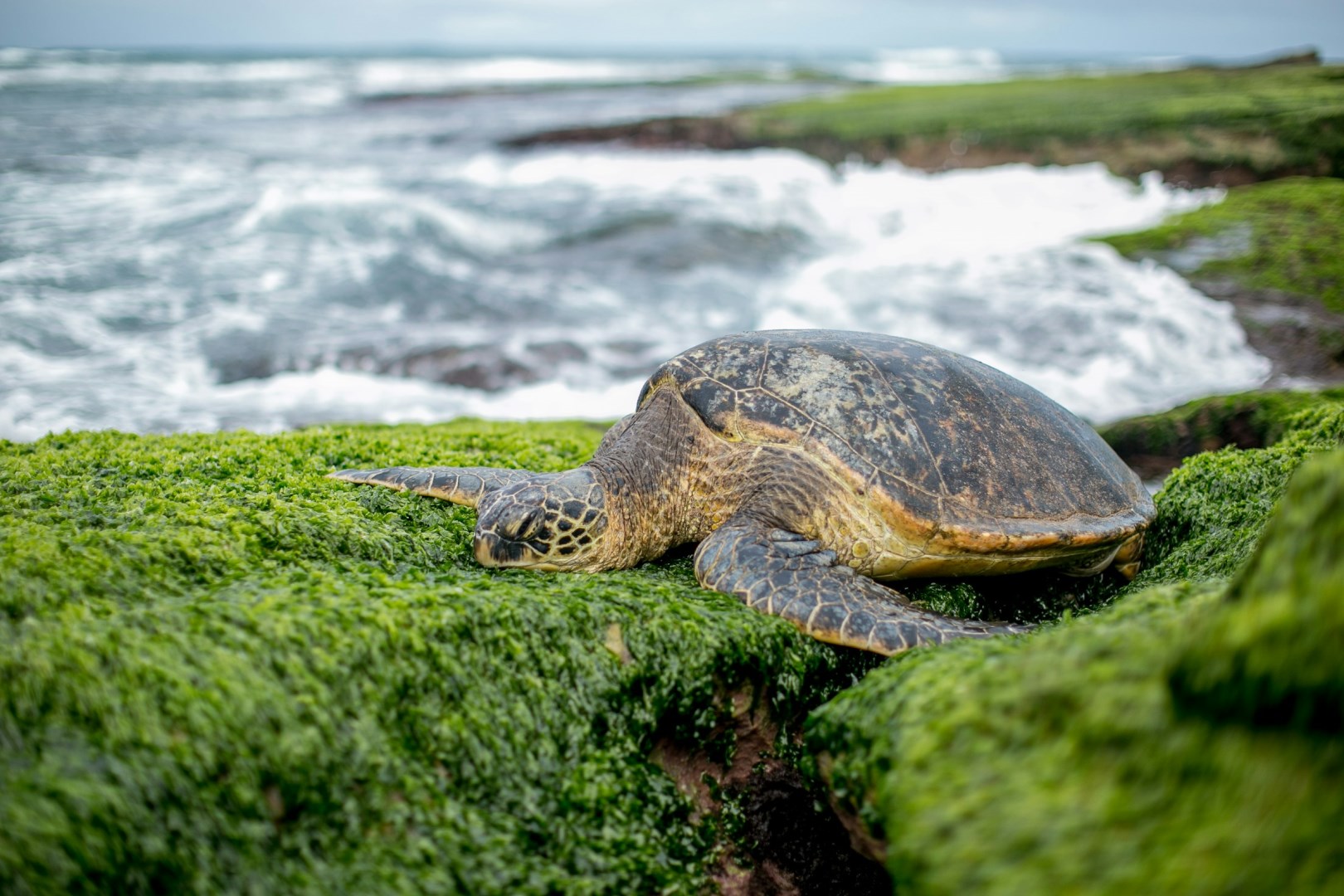
Turtle
Photo Credit: Photo by Jeremy Bishop on Unsplash
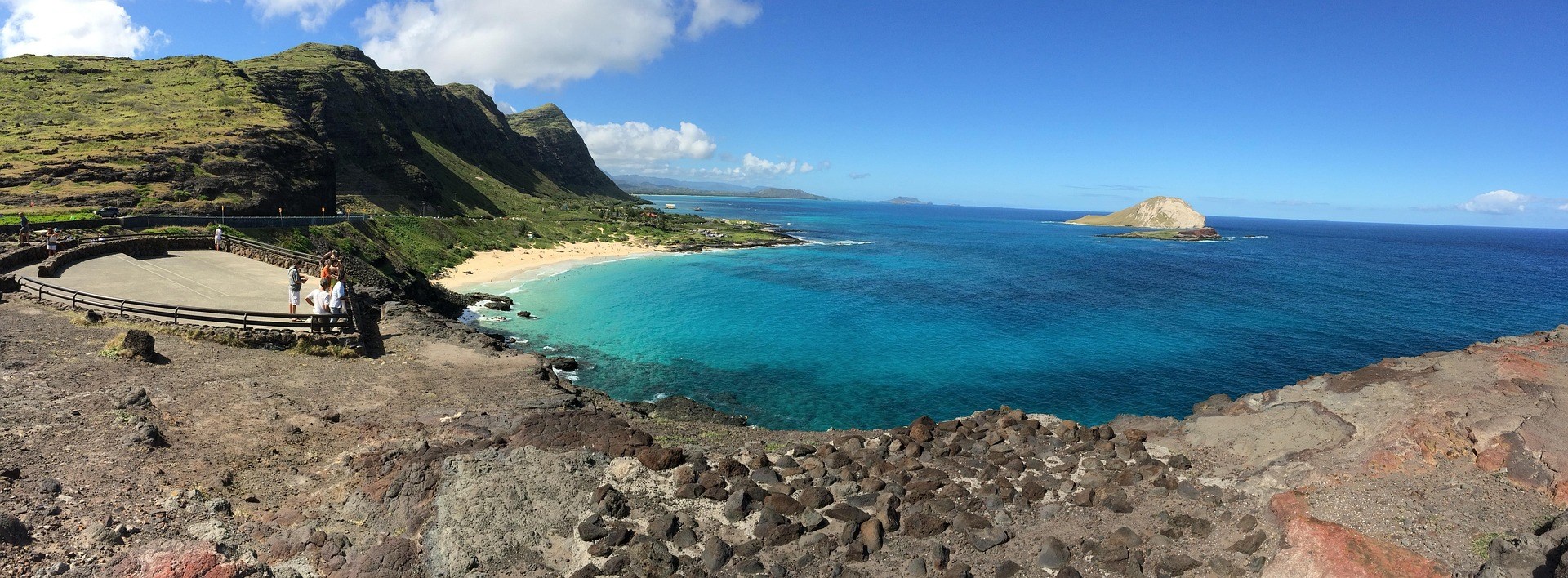
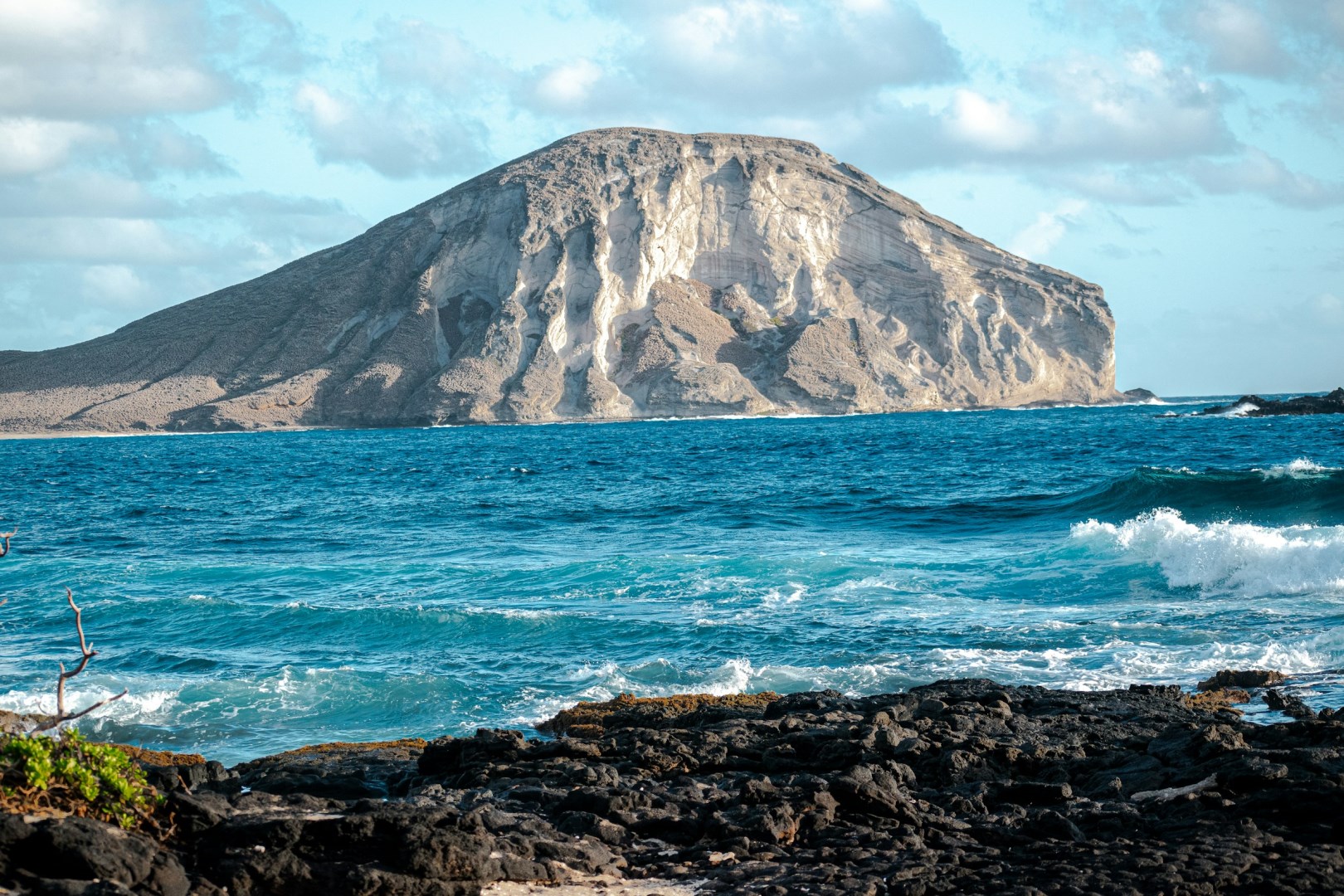
Waimanalo Beach
Photo Credit: Photo by Skye on Unsplash
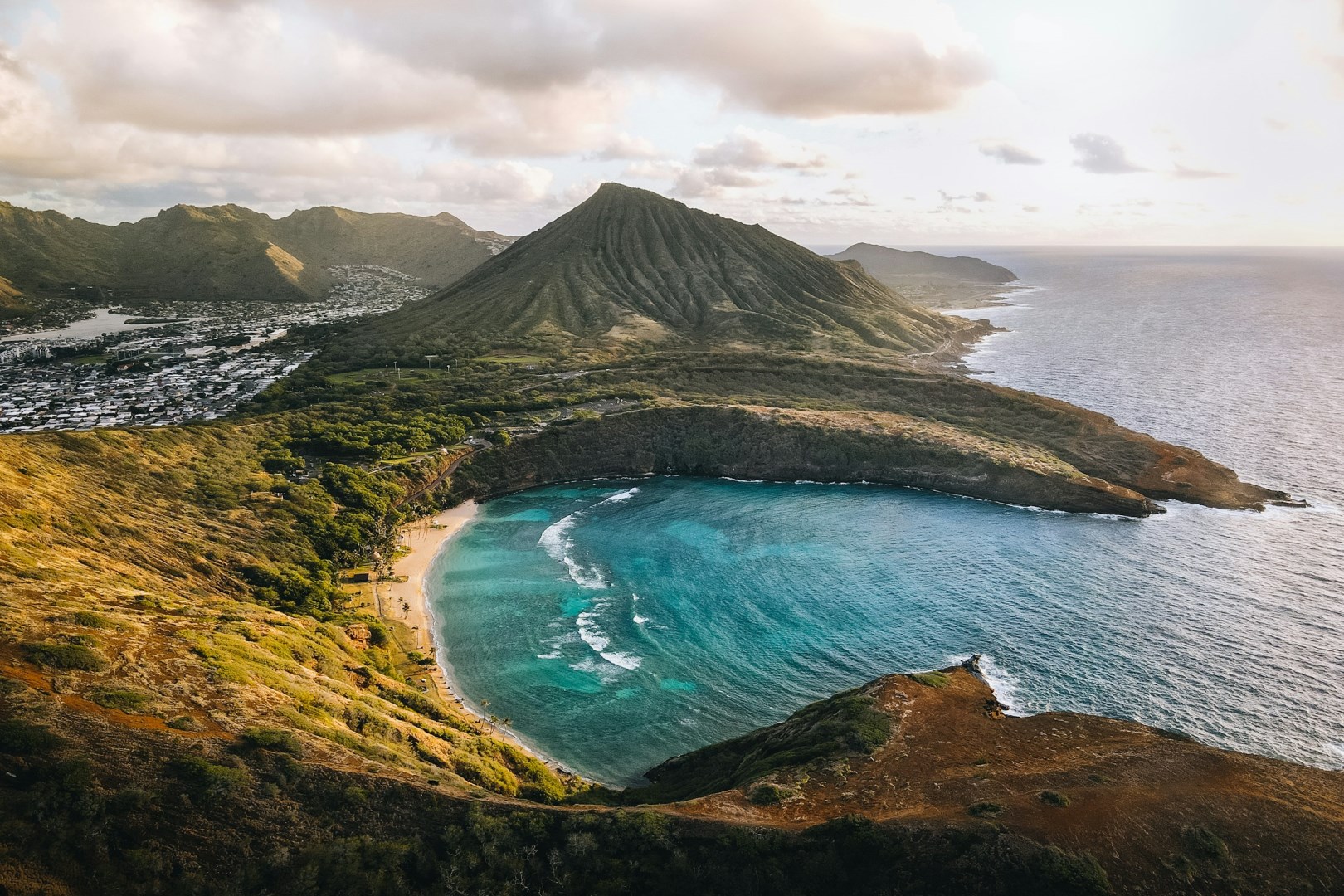
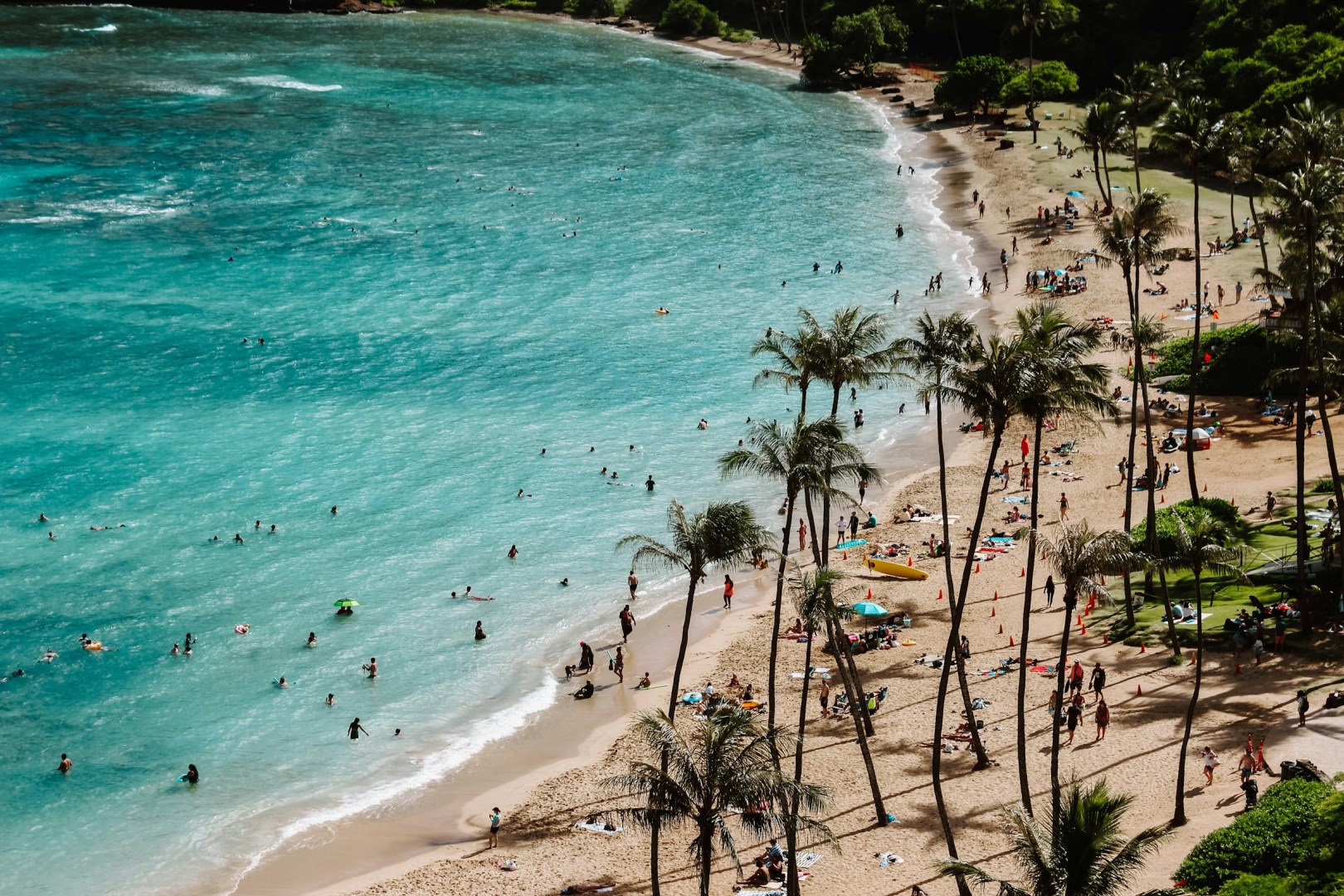
Hanauma Bay
Photo Credit: Photo by Samantha Sophia on Unsplash
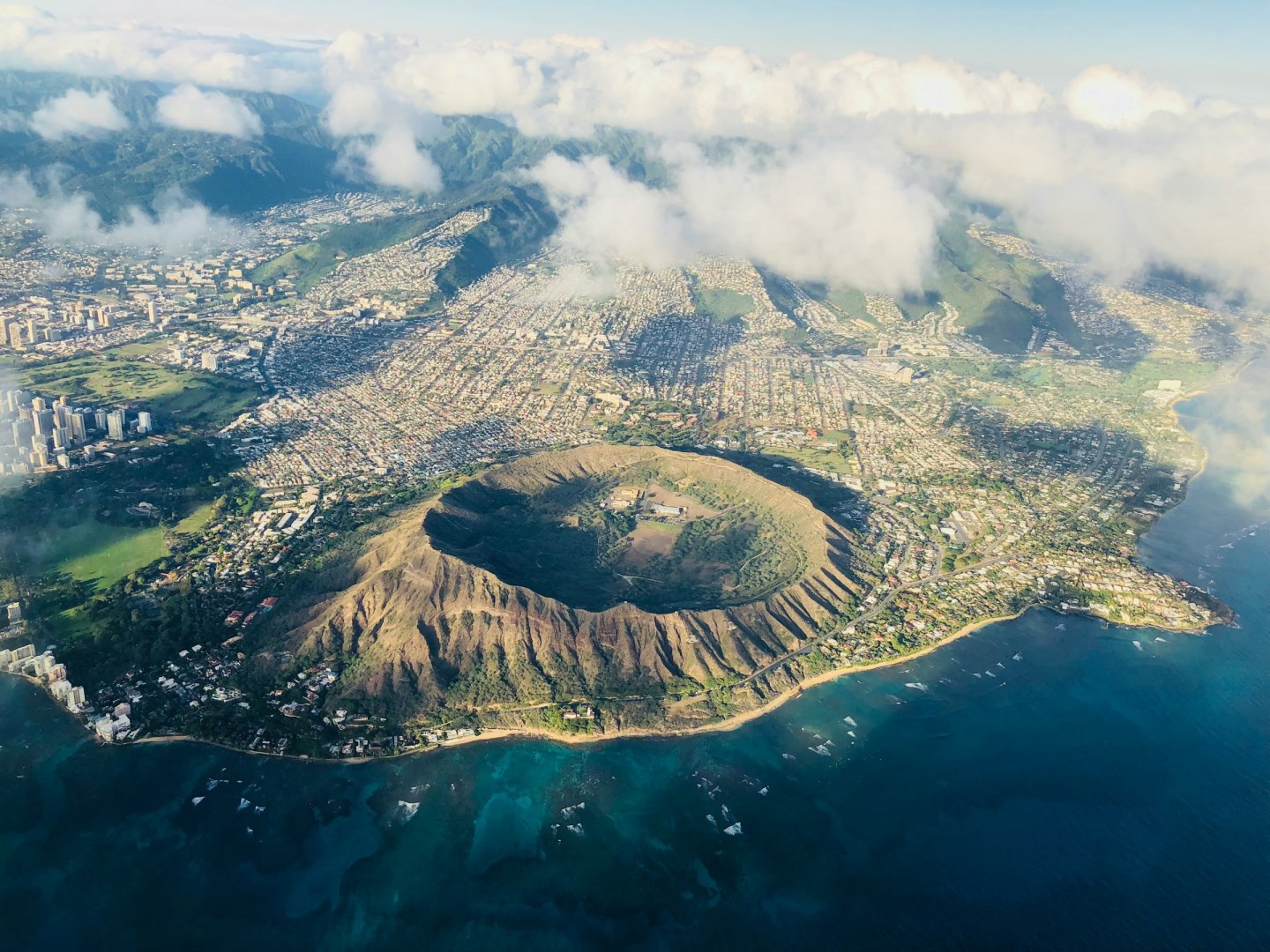
Diamond Head Crater
Photo Credit: Photo by Chase O on Unsplash
Haleiwa
Photo Credit: Photo by Matt Paul Catalano on Unsplash
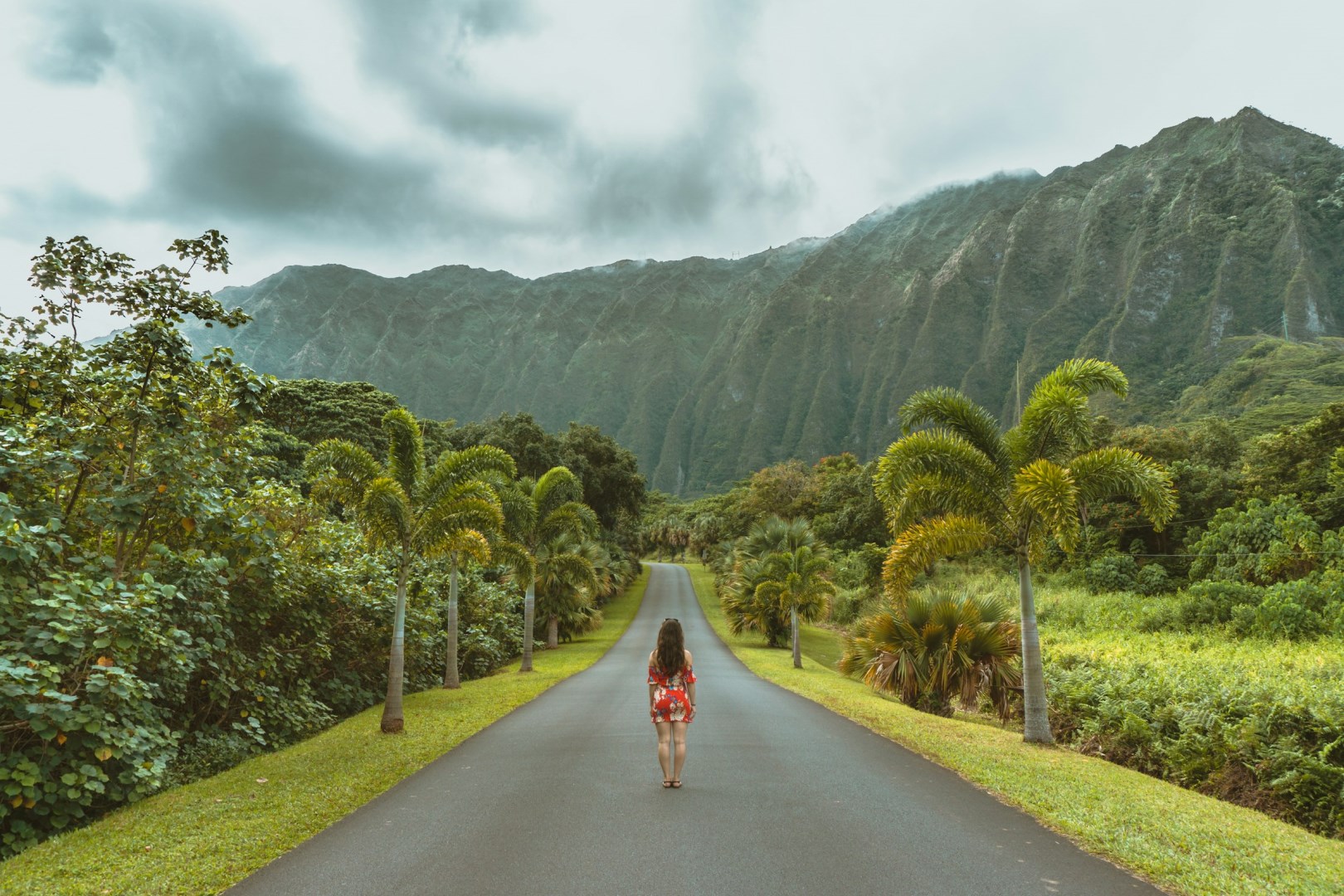
Ho'omaluhia Botanical Garden, Kaneohe
Photo Credit: Photo by Darren Lawrence on Unsplash
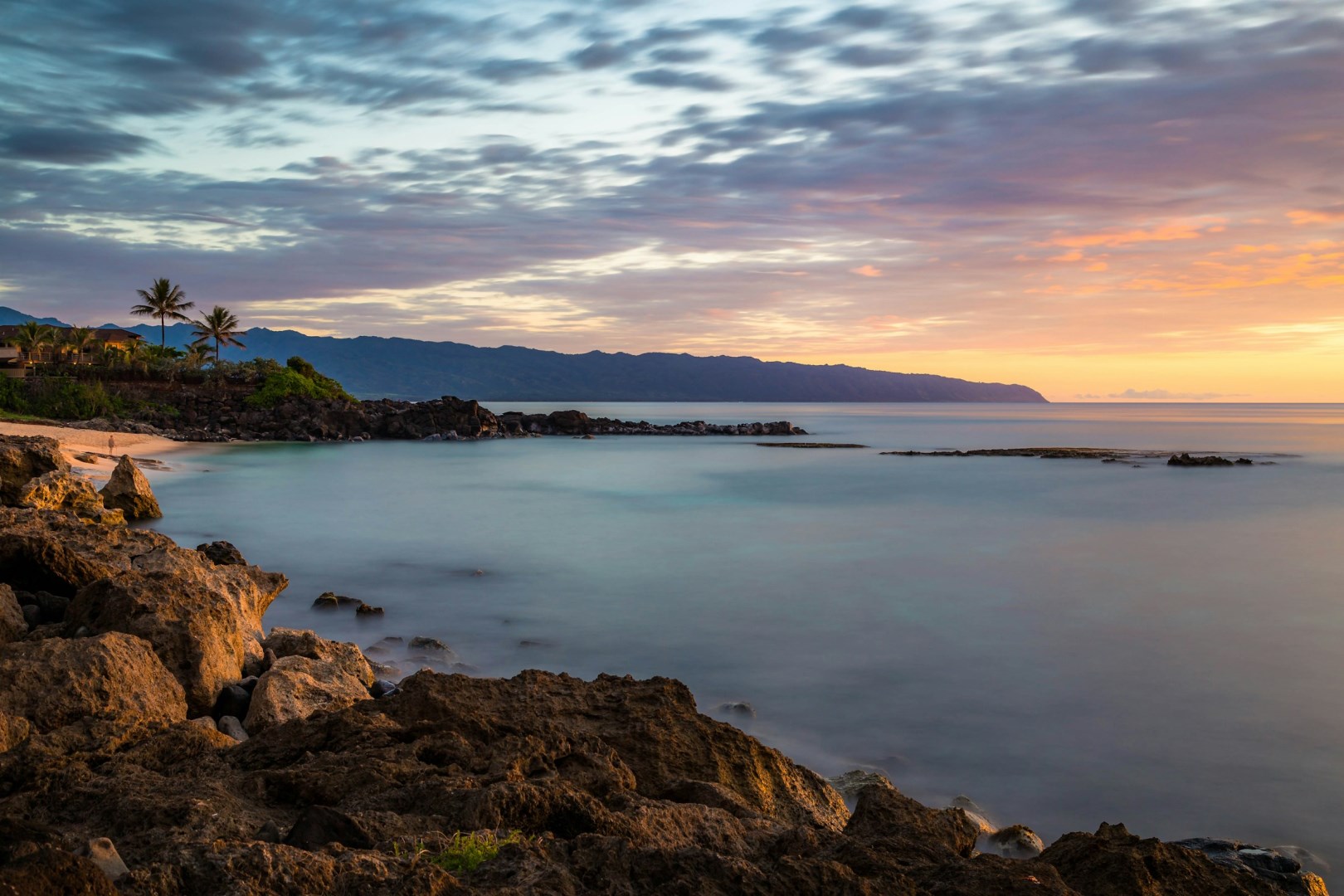
Three Tables Beach, Haleiwa
Photo Credit: Photo by Christian Joudrey on Unsplash
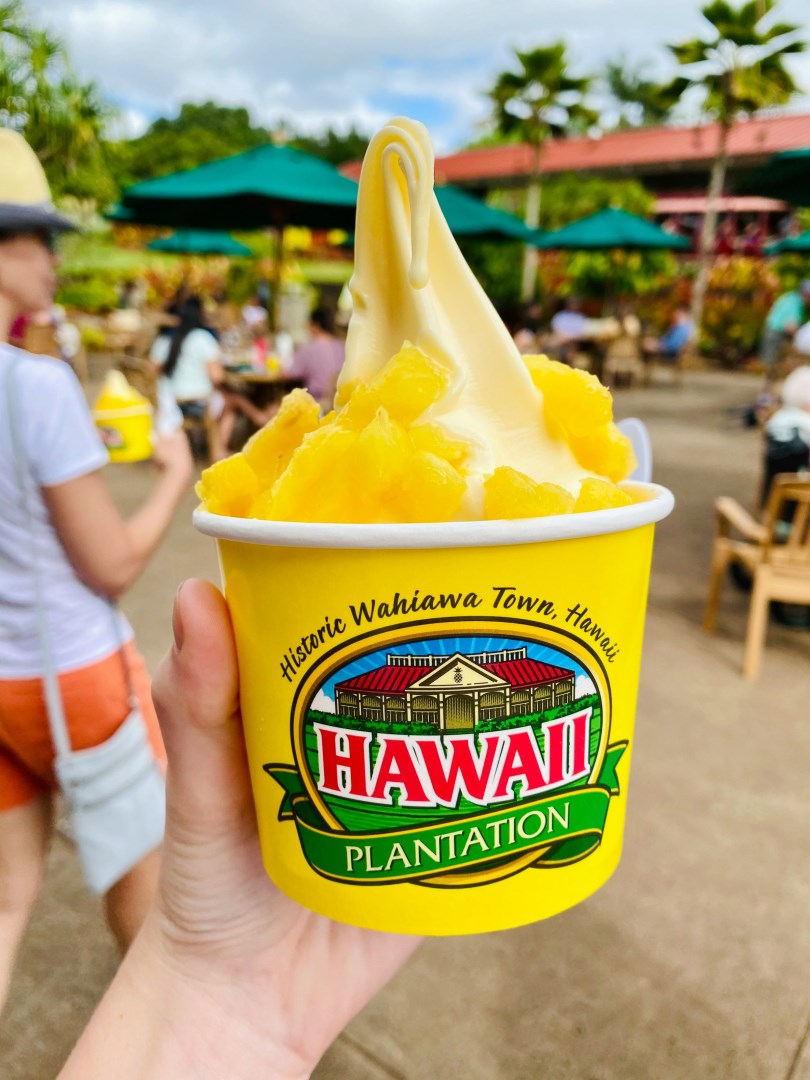
Dole Plantation, Wahiawa
Photo Credit: Photo by Ava W. on Unsplash
Photo Credit: Photo by Kvnga on Unsplash
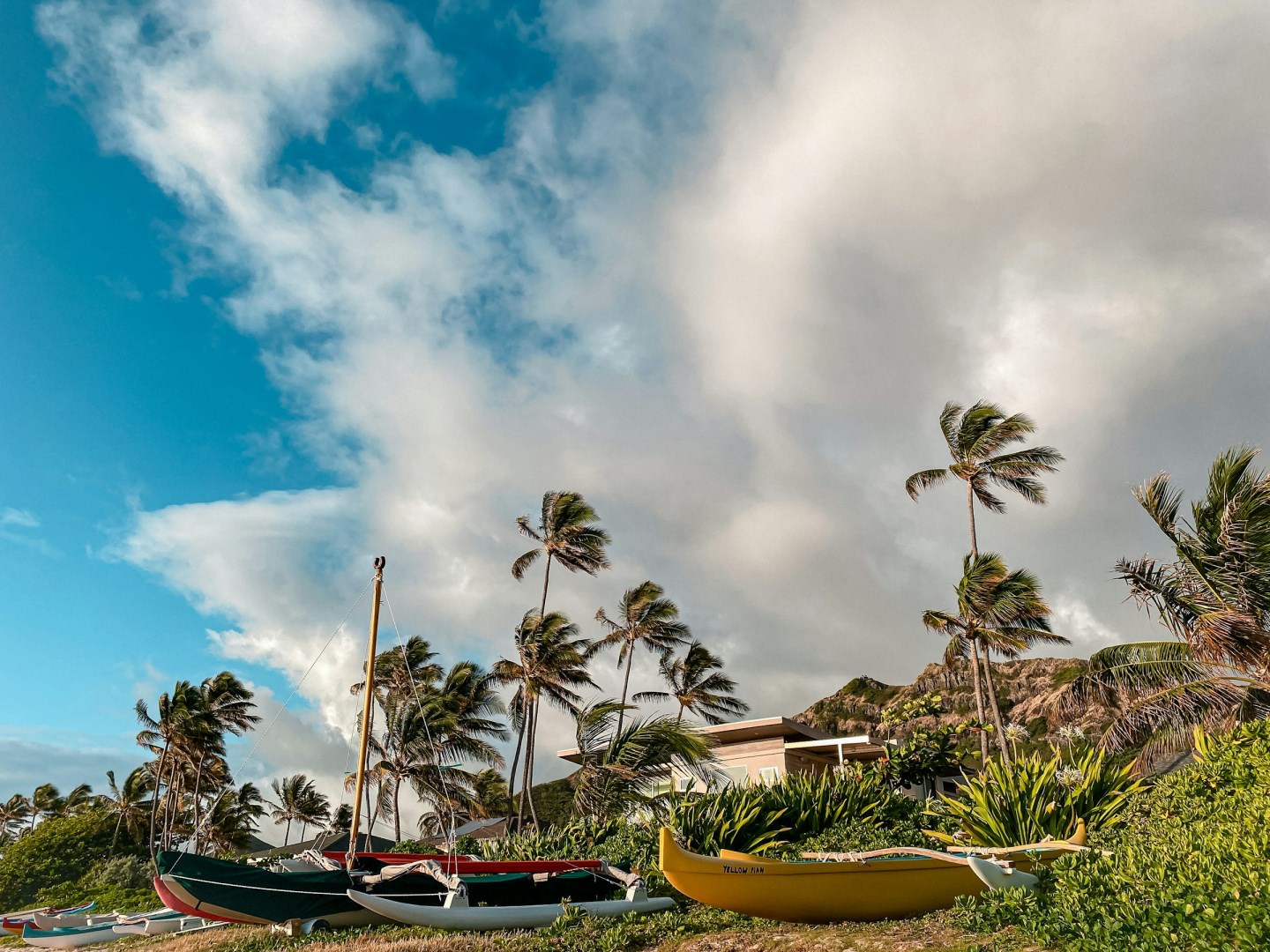
Lanikai Shore
Photo Credit: Photo by Julian Armstrong on Unsplash
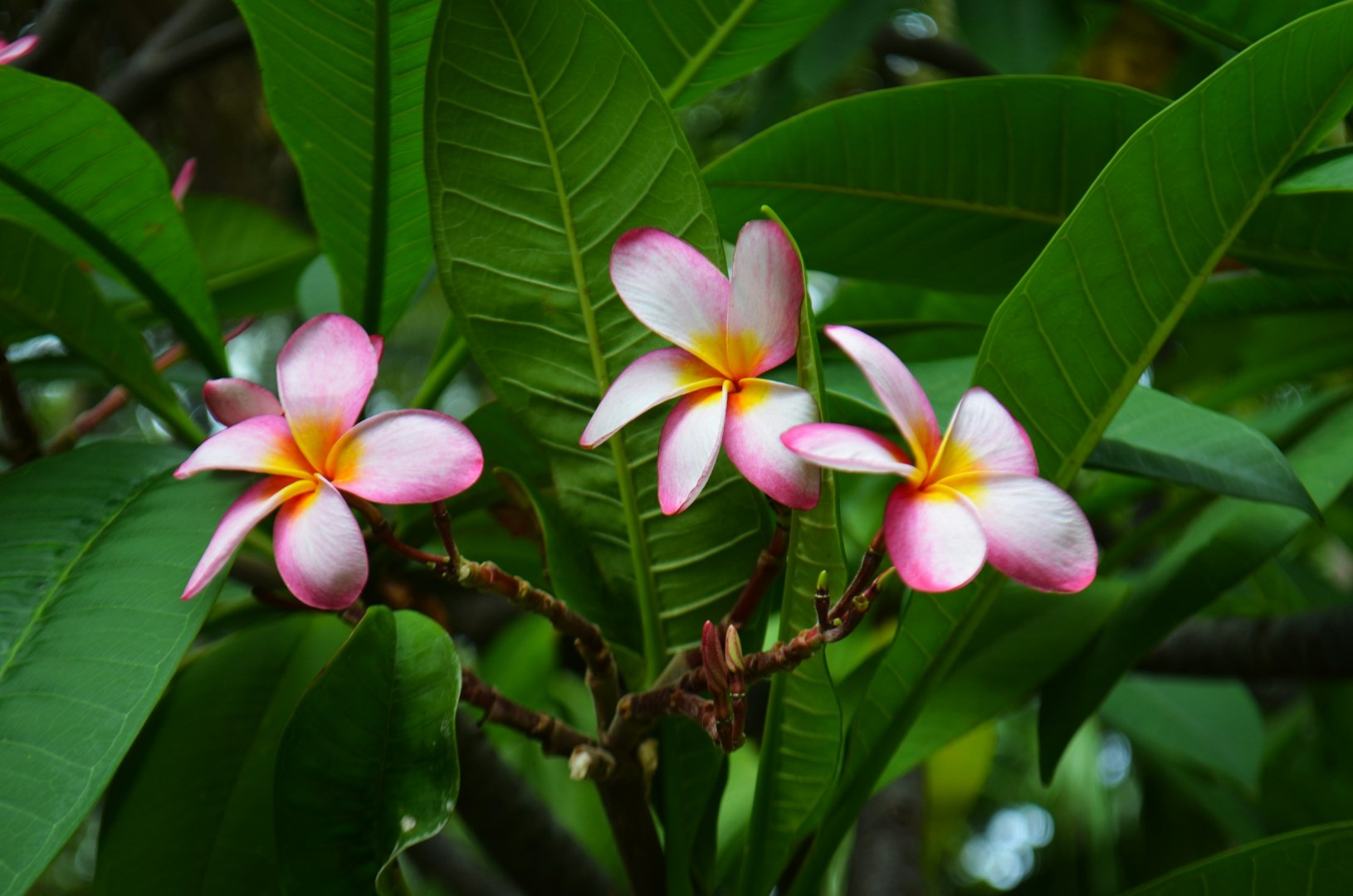
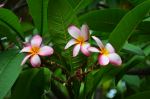
Plumeria
Photo Credit: Photo by Ariana Kaminski on Unsplash
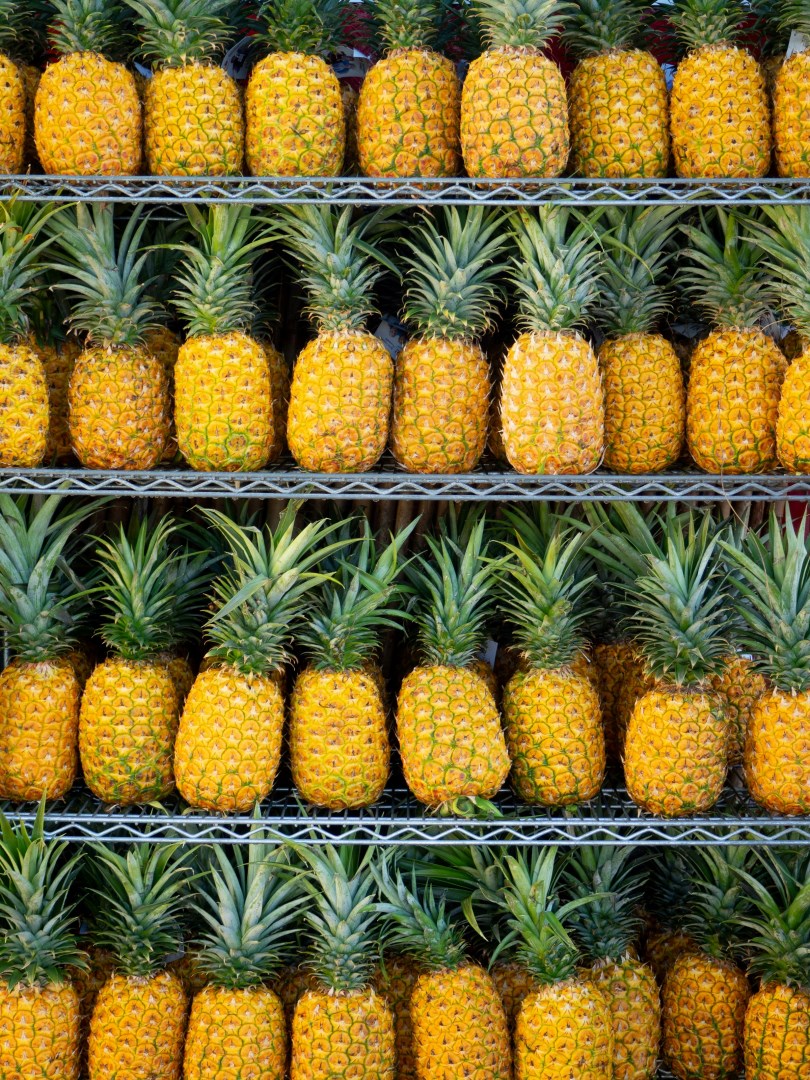
Pineapple
Photo Credit: Photo by Fiona Smallwood on Unsplash
Photo Credit: Photo by Peter Thomas on Unsplash
Photo Credit: Photo by Jakob Owens on Unsplash
Photo Credit: Photo by Keith Champaco on Unsplash
Oahu, island in central Hawaii, between Kauai and Molokai islands, in Honolulu County; it is the third largest island in the state, after Hawaii and Maui. The most heavily populated of the Hawaiian islands, Oahu is known as the Gathering Place. It is about 64 km (about 40 mi) long and 42 km (26 mi) wide. Oahu is the commercial center of Hawaii and is important to United States defense in the Pacific. Pearl Harbor naval base is situated here. Two parallel mountain ranges, the Koolau Range and the Waianae Range, cross Oahu from northwest to southeast. A wide fertile plateau separates the two ranges. The chief agricultural industries in Oahu are the growing and processing of pineapples and sugarcane; tourism also is very important to the economy. Among the many popular beaches is the renowned Waikiki, backed by the famous Diamond Head, an extinct volcano. The largest community, Honolulu, is the state capital.